Home Blog Page 116

What does it mean when Uncle Sam is one of your biggest shareholders? Chip startup xLight is about to find out

0


The Trump administration has agreed to inject up to $150 million into xLight, a semiconductor startup developing advanced chip-making technology, marking the third time the U.S. government has taken an equity position in a private startup and further expanding a controversial strategy that has put Washington on the cap tables of American companies.

The Wall Street Journal reported Monday that the Commerce Department will provide the funding to xLight in exchange for an equity stake that will likely make the government the startup’s largest shareholder. The deal uses funding from the 2022 Chips and Science Act and represents the first Chips Act award in President Trump’s second term, though it remains preliminary and subject to change.

Previous government equity investments under the Trump administration include publicly traded companies Intel, MP Materials, Lithium Americas, and Trilogy Metals. Two rare earths startups also secured funding in exchange for equity from the Commerce Department last month.

You can imagine how this is all going over in Silicon Valley, where the libertarian ethos runs deep. At TechCrunch’s signature Disrupt event back in October, Sequoia Capital’s Roelof Botha jokingly offered what might be the understatement of the year when asked about the trend: “[Some] of the most dangerous words in the world are: ‘I’m from the government, and I’m here to help.’”

Other VCs have similarly expressed concerns, if quietly, about what it means when their portfolio companies are suddenly competing against startups backed by the U.S. Treasury, or even when they find themselves sitting across the table from government representatives at board meetings.

The four-year-old, Palo Alto, California, company at the center of this particular experiment is trying to do something genuinely audacious in semiconductor manufacturing. XLight wants to build particle accelerator-powered lasers — machines the size of a football field, mind you — that would create more powerful and precise light sources for making chips.

If it works, it could challenge the near-total dominance of ASML, the Dutch giant that has been publicly traded since 1995 and currently enjoys an absolute monopoly on extreme ultraviolet lithography machines. (Its shares have surged 48.6% this year.)

Techcrunch event

San Francisco
|
October 13-15, 2026

The CEO of xLight is Nicholas Kelez, a quantum computing and government labs veteran who presumably knows his way around a particle accelerator. Helping this venture as executive chairman is Pat Gelsinger, the former Intel CEO who was shown the door late last year after his ambitious manufacturing revival plans failed to materialize.

“I wasn’t done yet,” Gelsinger — who is also a general partner at Playground Global, which led the startup’s $40 million funding round this summer — told the Journal, adding that the effort is “deeply personal” to him.

Indeed, xLight doesn’t just want to compete with ASML but to go much further. While ASML’s machines work at wavelengths around 13.5 nanometers, xLight is targeting 2 nanometers. Gelsinger claims the technology could boost wafer processing efficiency by 30% to 40% while using far less energy.

As it happens, both Kelez and Gelsinger will be holding forth at TechCrunch’s StrictlyVC event on Wednesday night in Palo Alto, where the government’s backing will no doubt come up. (You can still nab a seat here.)

Commerce Secretary Howard Lutnick, for his part, insists this is all in service of national security and technological leadership, saying the partnership could “fundamentally rewrite the limits of chipmaking.” Critics will continue to question whether taxpayer-funded equity stakes represent visionary industrial policy or state capitalism with a patriotic sheen, though even skeptics acknowledge the geopolitical reality.

At least Botha, who described himself at Disrupt as a “sort of libertarian, free market thinker by nature,” conceded that industrial policy has its place when national interests demand it. “The only reason the U.S. is resorting to this is because we have other nation states with whom we compete who are using industrial policy to further their industries that are strategic and maybe adverse to the U.S. in long-term interests.”


Source link

Get six months of access for only $6 per month

0


Apple TV+ is offering six months of access for only $36 for Cyber Monday. The deal is live now for new and eligible returning subscribers and runs through December 1, giving you a chance to stream shows like Silo, The Morning Show and For All Mankind for less. It’s a short-term offer, so you’ll want to grab it while it’s available before Cyber Monday ends. The biggest caveat to the deal is that you must subscribe directly through Apple and not through a third-party service.

Apple TV+ continues to have one of the strongest and most varied lineups in streaming. Its library includes standout originals like Ted Lasso, Severance, Slow Horses, For All Mankind, Foundation and Silo, along with newer releases such as The Studio and Dope Thief. On the film side, you’ll find the 2022 Best Picture winner CODA, plus Killers of the Flower Moon, Blitz and Tetris.

Image for the small product module

Apple

Get Apple TV+ access for $6 per month for six months, which represents a discount of more than 50 percent.

$36 at Apple TV+

Apple’s streaming service has earned plenty of recognition since launch. Apple TV+ shows picked up 10 Emmy Awards in 2024, including a win for Slow Horses for outstanding writing in a drama series.

Apple TV+ also offers a polished streaming experience. All content is ad-free and available in up to 4K HDR, with Dolby Vision and Dolby Atmos support where available. The app works on nearly every device, from iPhone and iPad to smart TVs, PlayStation, Xbox and Roku. You can also download episodes and movies to watch offline, which is handy for travel or long commutes.

If you’re already invested in Apple’s ecosystem, the integration is seamless. You can share your subscription with up to five other people through Family Sharing, and playback syncs across devices so you can start a show on your iPhone and finish it on your TV. Apple TV+ is also part of the Apple One bundle if you prefer to manage multiple Apple services under a single plan.

This deal is available to new and qualified returning subscribers, meaning those who haven’t had an active subscription in the past 30 days. You’ll need to sign up directly through Apple rather than a third-party service or carrier. Once the three-month period ends, the plan renews at the standard $13 per month, so be sure to cancel before the renewal date if you don’t want to continue.

With a growing slate of original series, award-winning films and a slick interface, Apple TV+ has turned into one of the best streaming services for premium content. And with this limited-time deal, you can catch up on its biggest hits without paying full price.

There are plenty of other Cyber Monday streaming deals to consider as well. Here are some of the best ones:

  • Disney+ Hulu bundle — $60 for one year: The Disney+ and Hulu (with ads) bundle is on sale for $5 per month for one year (for a total of $60) through December 1. New and eligible returning subscribers can take advantage of this deal, and considering the bundle typically costs $13 per month, this deal represents more than a 50 percent discount on the standard monthly price.

  • HBO Max — one year for $36: HBO Max’s Cyber Monday deal gives subscribers one year streaming for $36 through December 1. This Cyber Monday streaming deal is on the ad-supported option, which normally goes for $11 per month. With this discount, you’re getting it for $3 per month for one year. You can sign up via HBO Max’s website or, if you’re a Prime Video subscriber already, via that service as an add-on.

  • Starz — one year for $12: Pay upfront for one year and you can get more than $50 off a Stars annual subscription. There’s a month-to-month option too, which costs $3 per month for the first three months if you don’t want to commit to the full year. Either option gives you access to the entire Starz TV and movie library with offline viewing and no ads.

  • Paramount+ — two months of Essential or Premium for $6: This Cyber Monday deal brings the monthly price of either Paramount+ tier down to just $6 for two months, or $3 per month. The obvious better deal is on the Premium plan, which typically costs $13 per month.


Source link

Samsung reveals Galaxy Z TriFold, confirms US launch in 2026

0


Samsung has officially revealed the Galaxy Z TriFold, which is set to launch in the US early next year.

After being rumored for years, Samsung showed off the TriFold earlier this year at an event, but didn’t share many details on what the device would actually bring to the table. Today, we’re finally an official reveal, as well as confirmation of where it’s launching.

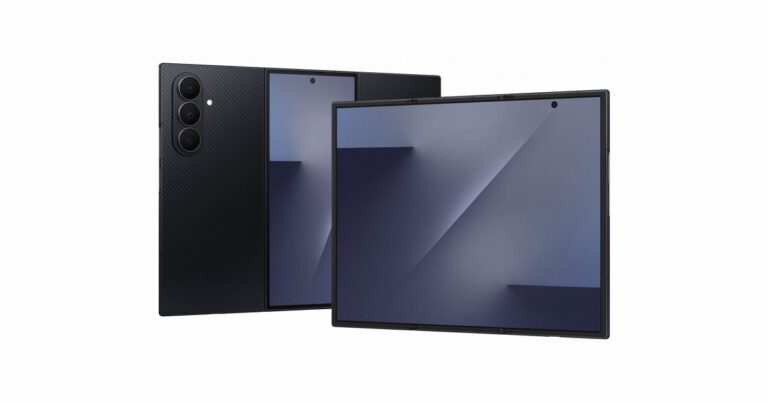
First and foremost, the Galaxy Z TriFold adds a second hinge, in turn making its inner display measure 10-inches across. The display opens up like a book, with the 6.5-inch outer display attached to a central panel on the back when the device is opened up.

The design is overall pretty similar to the Galaxy Z Fold 7, and so are the specs. Snapdragon 8 Elite (for Galaxy) runs the show alongside 16GB of RAM, though the battery is quite a bit bigger at 5,600 mAh. The camera setup includes a 200MP main rear camera with 12MP ultra-wide and 10MP telephoto lens, with two 10MP selfie cameras for the inner and outer displays. There’s a fingerprint sensor along the side, IP48 dust/water resistance, and the TriFold runs Android 16 out of the box and comes solely in “Crafted Black,” a color that debuted on the Galaxy Z Fold 6. As I said then, “I thought, as a society, we’d moved past carbon fiber-ing all of the things.”

Advertisement – scroll for more content

Obviously, though, the size is the big question.

The Galaxy Z TriFold is very thin given the fact that it literally has a second hinge and a whole additional display space. It measures 3.9mm at its thinnest unfolded point, with that being the display section that also houses the SIM tray. The central section that also has the outer display measures 4.2mm thick, while the third portion that has the fingerprint sensor measures 4.0mm. When folded up, the device measures in at 12.9mm which is markedly thinner than the Galaxy Z Fold 5 that Samsung released just two years ago. Impressive, really. It will be a heavy phone, though, at 309g compared to the Fold 7’s 215g.

Samsung will release Galaxy Z TriFold on December 12 in Korea, but other regions including “China, Taiwan, Singapore, and the UAE” will follow, the company says. The US will also get the Galaxy Z TriFold, but it will be a bit delayed with a launch coming sometime in “Q1 2026” (January-March).

Pricing hasn’t been confirmed, but is thought to be around $2,500 – $3,000 based on prior reports.

Are you looking forward to this device?

More on Samsung:

Follow Ben: Twitter/XThreads, Bluesky, and Instagram

FTC: We use income earning auto affiliate links. More.


Source link

Fire displaces dozens of families in Holyoke

0


HOLYOKE ― Flames tore through a Holyoke apartment building Monday afternoon, leaving dozens of families scrambling for safety and a city racing to respond.

The blaze broke out around 4 p.m. at 131 Clemente St., a multi-unit apartment building housing about 35 families, according to officials.

A woman who lives next door said flames spread so fast that she had to leave for safety.

Fire displaces dozens in Holyoke on Monday
A fire on Clemente Street displaced dozens of Holyoke families Monday. (Aprell May Munford/ The Republican)Aprell May Munford

Around 5 p.m., streets were blocked as fire and police crews worked while alarms sounded. Holyoke firefighters hosed down the blaze from two sides of the building as smoke filled the South Holyoke neighborhood.

The fire also damaged a neighboring building.

Police said no one was injured.

Fire crews from Chicopee and other agencies responded, along with emergency management teams.

Police on social media asked drivers to avoid Main Street in South Holyoke to allow first responders to work efficiently.

Fire displaces dozens of families in Holyoke
A fire on Clemente Street displaced dozens of Holyoke families Monday, sparking an urgent citywide relief effort. (Aprell May Munford / The Republican)Aprell May Munford

People stood outside watching as firefighters battled the blaze, and many were reluctant to leave the scene, worried about pets still inside, said City Councilor Carmen Ocasio.

“They got all the people, but there are a lot of dogs and cats in the building,” Ocasio said.

Displaced families were taken to Morgan Street School for emergency help.

Holyoke Mayor Joshua Garcia called the fire “terrible” and urged residents to help those displaced with monetary donations through a relief fund provided by Enlace de Familias.

131 Clemente fire
The Holyoke Fire Department battles an apartment fire at 131 Clemente St. in Holyoke on Monday. (Dave Roback / Special to The Republican)Dave Roback / Special to The Republican

“At the moment, we have our Holyoke Emergency Management Department CERT team together with the American Red Cross, and (Thomas J O’Connor Animal Control and Adoption Center) responding to meet needs of those displaced,” Garcia said.

The Salvation Army also was on scene, providing warm blankets, coffee and other supports. Its Corps Community Center in Holyoke will be available for any displaced residents in need of additional social services.

“It’s crazy that it is happening before the holiday,” said Ocasio, who rushed to the scene after hearing about the fire from a fellow councilor.

Ocasio added she heard the fire might have started from a frying pan on a stove, but that has not been confirmed. The cause of the fire remains under investigation.

Fire displaces dozens of families in Holyoke
A fast-moving fire on Clemente Street displaced dozens of Holyoke families Monday, sparking an urgent citywide relief effort. (Aprell May Munford / The Republican)Aprell May Munford


Source link

MKBHD’s wallpaper app Panels is shutting down

0


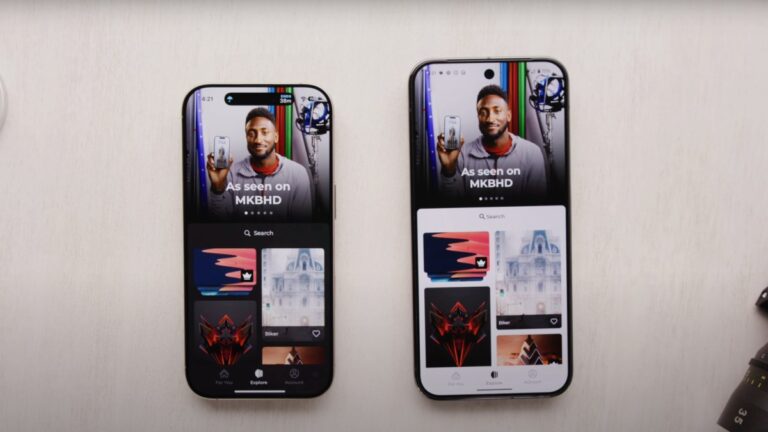
Tech YouTuber Marques Brownlee, or MKBHD, announced on Monday that his phone wallpaper app Panels is shutting down.

Fans had high hopes for Brownlee’s foray into app development, given his reputation as an eagle-eyed tech reviewer who has amassed more than 20 million followers on YouTube. He’s so influential that some blamed his commentary on Humane AI and Fisker for those companies’ eventual failures (we think the real issue is that you shouldn’t raise $230 million if you have no product). Yet from the time Brownlee launched Panels in September 2024, the app struggled to find an audience of its own.

“We knew it was niche, but we made mistakes in making our first app, and ultimately, we weren’t able to turn it into the vision I had,” Brownlee said in an unlisted YouTube video. In a blog post, he added that “the makeup of the development team changed,” and he was unable to find the right collaborators to grow the app.

Brownlee was inspired to create Panels because when he posts video reviews of phones, tablets, and computers, fans always point out how stunning his wallpapers and lock screens are. When he first announced the app, he pointed out that if you type “where does mkbhd…” into Google, one of the first suggestions is “… get his wallpapers.”

Panels partnered with artists to sell distinct, high-resolution wallpapers, which users could access at a cost of $50 per year, or $12 per month (the artists got a cut of those payments). But Brownlee couldn’t overcome the challenge of trying to create a paying market for something that consumers are not accustomed to paying for — it’s easier to just pull an image from the internet, or take a cute photo of your dog.

Thanks to Brownlee’s stature, Panels ranked #1 on the iOS and Google Play charts for photos apps during its launch month. The app couldn’t sustain that momentum.

According to the app intelligence firm Appfigures, Panels reached about 900,000 lifetime downloads and $95,000 in consumer spending across iOS and Android. Last month, the app only received 3,000 downloads and $500 in consumer spending, dipping too low to rank on U.S. app stores.

Techcrunch event

San Francisco
|
October 13-15, 2026

Per Panels’ own disclosure, users downloaded more than 2 million wallpapers from the app.

Panels will begin to refund users with active annual subscriptions when the app officially shuts down on December 31, 2025. However, Panels’ blog post outlines ways for customers to get their money back quicker. After the app shutdown, Panels says all user data will be deleted, and the app code will be open sourced so other developers can build on it, if they so desire.


Source link

Get one year of access for only $3 per month

0


HBO Max has rolled out a limited-time, one-year subscription deal, offering a chance to stream HBO originals and Warner Bros. blockbusters at a lower cost. The platform has reduced pricing to $3 per month for one year, bringing the final cost down to $36 for the year. With many streaming services increasing their rates, this short-term offer lets you catch up on hit shows and new releases without committing to a full year. You can sign up via HBO Max’s website or, if you’re a Prime Video subscriber already, via that service as an add-on.

HBO Max has one of the best libraries of content in the streaming market, combining HBO’s acclaimed originals with Warner Bros. theatrical releases, Discovery content and live sports. The service now runs across three main plans. The Basic With Ads plan, the one included in this deal, allows streaming on two devices in full HD and costs $11 a month at full price. The Standard plan adds offline downloads, more live sports coverage and better device flexibility for $18.49 per month. The Premium plan increases quality to 4K with Dolby Atmos sound (where available), four simultaneous streams and up to 100 downloadable titles for $23 monthly.

Image for the small product module

HBO Max

Image for the mini product module

While the feature differences matter, the real appeal of HBO Max is its library. Subscribers get access to the full catalog of HBO originals, including House of the Dragon, The White Lotus, The Last of Us and Euphoria, alongside recent Warner Bros. theatrical hits like Dune: Part Two and Barbie. The addition of Discovery content brings in reality favorites such as Fixer Upper: The Hotel and 90 Day Fiancé, while sports coverage through TNT and TBS channels includes NHL, NASCAR, college football and more.

It’s worth noting that live sports are still limited to certain tiers and regions and 4K availability varies by title. But compared with other premium services that have recently raised prices or limited simultaneous streams, HBO Max’s current setup offers strong flexibility across its plans.

If you’re considering which streaming platform gives the best range of new shows, live events and cinema releases, our guide to the best streaming services compares HBO Max with other major options. For now, this one-year subscription offer provides a straightforward way to explore HBO’s latest hits and a wide catalog of content at a lower upfront cost.

There are plenty of other Cyber Monday streaming deals to consider as well. Here are some of the best ones:

  • Disney+ Hulu bundle — $60 for one year: The Disney+ and Hulu (with ads) bundle is on sale for $5 per month for one year (for a total of $60) through December 1. New and eligible returning subscribers can take advantage of this deal, and considering the bundle typically costs $13 per month, this deal represents more than a 50 percent discount on the standard monthly price.

  • Apple TV+ — 6 months for $36: Apple TV+ is offering six months of access for only $36 for cyber Monday, which comes out to a discounted price of $6 per month for the six-month period. The deal is live now for new and eligible returning subscribers and runs through December 1, giving you a chance to stream shows like Silo, The Morning Show and For All Mankind for less. The biggest caveat to the deal is that you must subscribe directly through Apple and not through a third-party service.

  • Paramount+ — two months of Essential or Premium for $6: This Cyber Monday deal brings the monthly price of either Paramount+ tier down to just $6 for two months, or $3 per month. The obvious better deal is on the Premium plan, which typically costs $13 per month.

  • Starz — one year for $12: Pay upfront for one year and you can get more than $50 off a Stars annual subscription. There’s a month-to-month option too, which costs $3 per month for the first three months if you don’t want to commit to the full year. Either option gives you access to the entire Starz TV and movie library with offline viewing and no ads.


Source link

Pixel 9a, 10 Pro Fold, Galaxy Watch 8, more

0


Cyber Monday is rolling and we have already collected all of the day’s most notable offers thus far in our master deal hub. But today’s 9to5Toys Lunch Break is here ti highlight some special offers that weren’t even live for Black Friday, like Google Pixel 10 Pro Fold at a whopping $400 off, not to mention Pixel 9a back at the lowest we have tracked to date from $350. Those offers also join a host of opportunities to land discounts on Samsung Galaxy gear at well below the Black Friday pricing as well as Lenovo’s budget-friendly 2025 Idea Tab Plus down at the $180 low and a whole lot more than that. Scope it all out below. 

Google Pixel 2025 Cyber Monday deals: 10/Pro/Fold up to $400 off, Pixel Watch 4, Buds Pro 2, more

Google launched its Black Friday deals nice and early this year, they were subsequently matched at all major retailers, and now Amazon is undercut some of those deals as part of its Cyber Monday event. There are now select colors across all Pixel 10 and 10 Pro models that have dropped as much as $100 more from the Black Friday deals, alongside Pixel 9a, ongoing Pixel Watch 4 deals, and up to $96 offPixel Buds Pro 2. Everything is waiting down below.

Google Pixel Cyber Monday 2025 deals

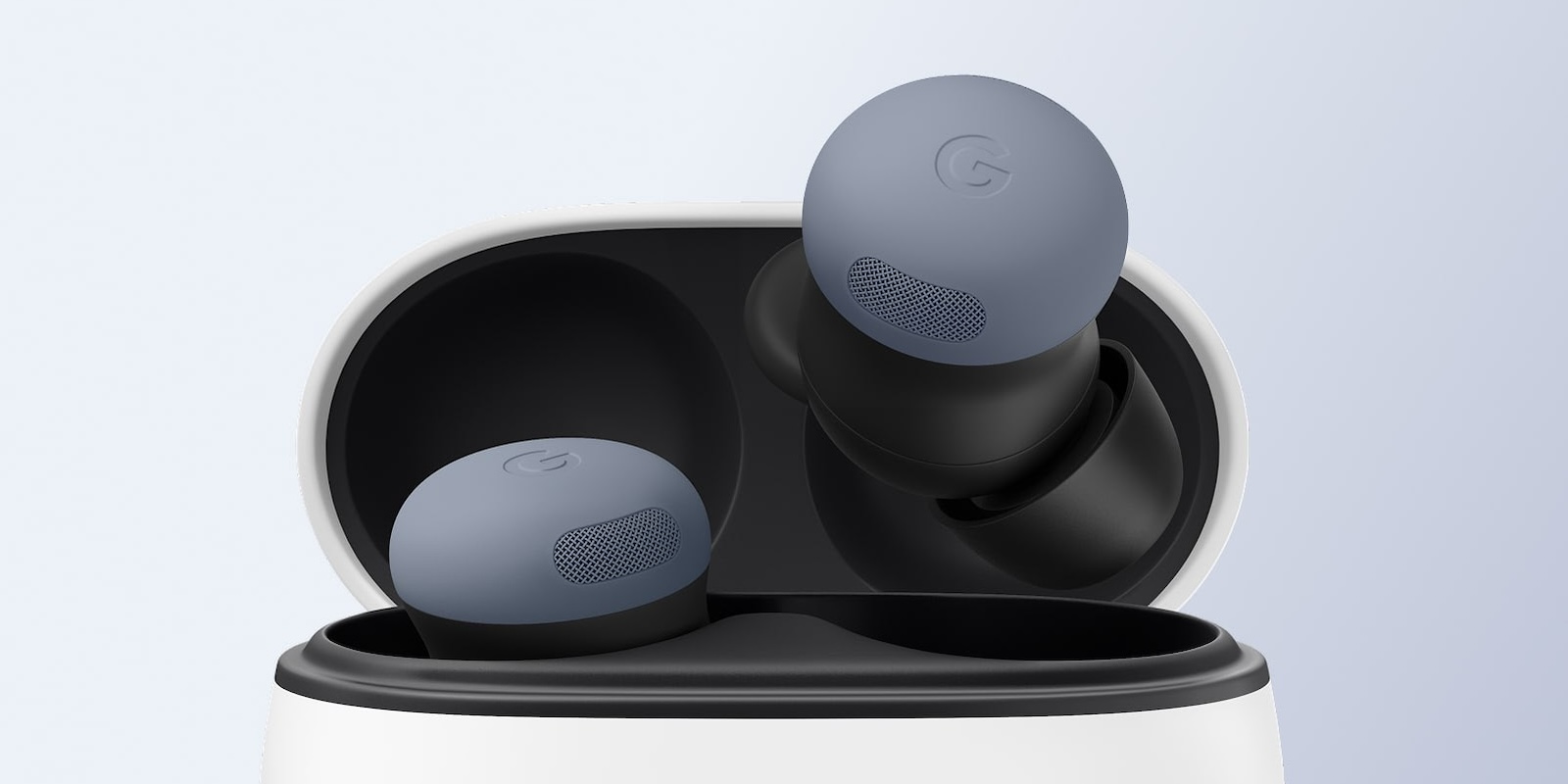
Just before we getting into all the phones and watches below, we wanted to quickly highlight another chance at Pixel Buds Pro 2 starting from $133.99 shipped. Most of the colors are sitting down at the official $169 Black Friday price again today, but Amazon has once again brought back the particularly compelling all-time low on the new Moonstone colorway at $134, or $96 off the list price. 

Google Pixel Watch 4

Pixel Watch 4 pricing, at the time of writing, remains on par with what we saw during Black Friday.

Advertisement – scroll for more content

Google Pixel 10-Pro-XL-Cyber Monday deals

Google Pixel 10

The Google Pixel 10, 10 Pro, 10 Pro XL, and 10 Pro Fold are where we are seeing the major new deals for Cyber Monday. Select models have now dropped another $50 or $100 compared to the Black Friday pricing. 

Google Pixel 10 Pro/XL

Google Pixel 10 Pro Fold

Google Pixel 9a

Google entry-level 9a device is also seeing an additional price drop from Cyber Monday having dropped another $50 from the $399 Black Friday starting price down to $349 shipped. 

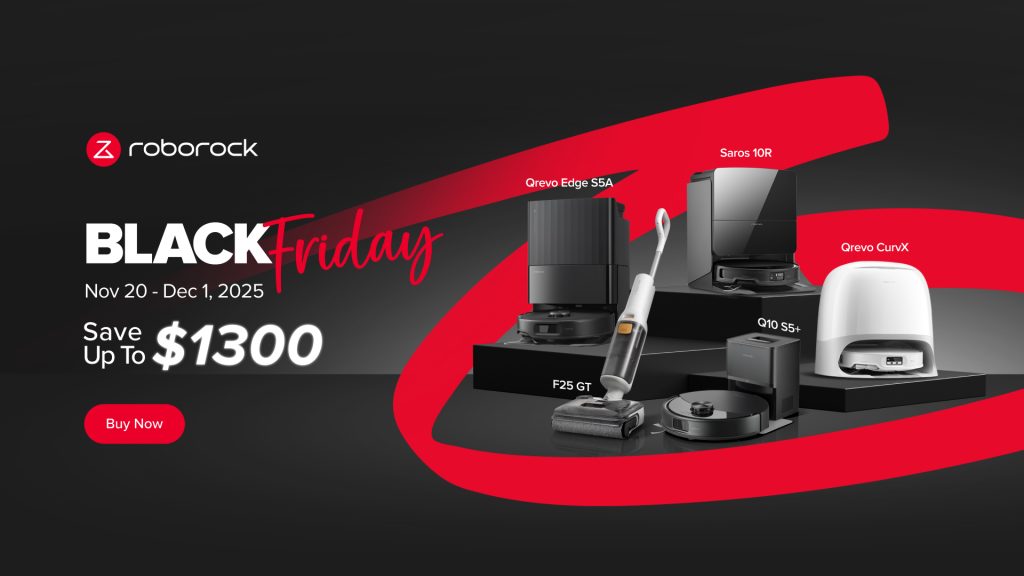
Roborock’s fleet of top-tier robotic cleaning machines are seeing huge price drops for Black Friday. With models ready for just about anyone, from entry-level users and pet owners to design-conscious homeowners, you’re looking at up to $600 in savings here and some of the best prices of the year as part of this Exclusive Limited-Time Offer. 

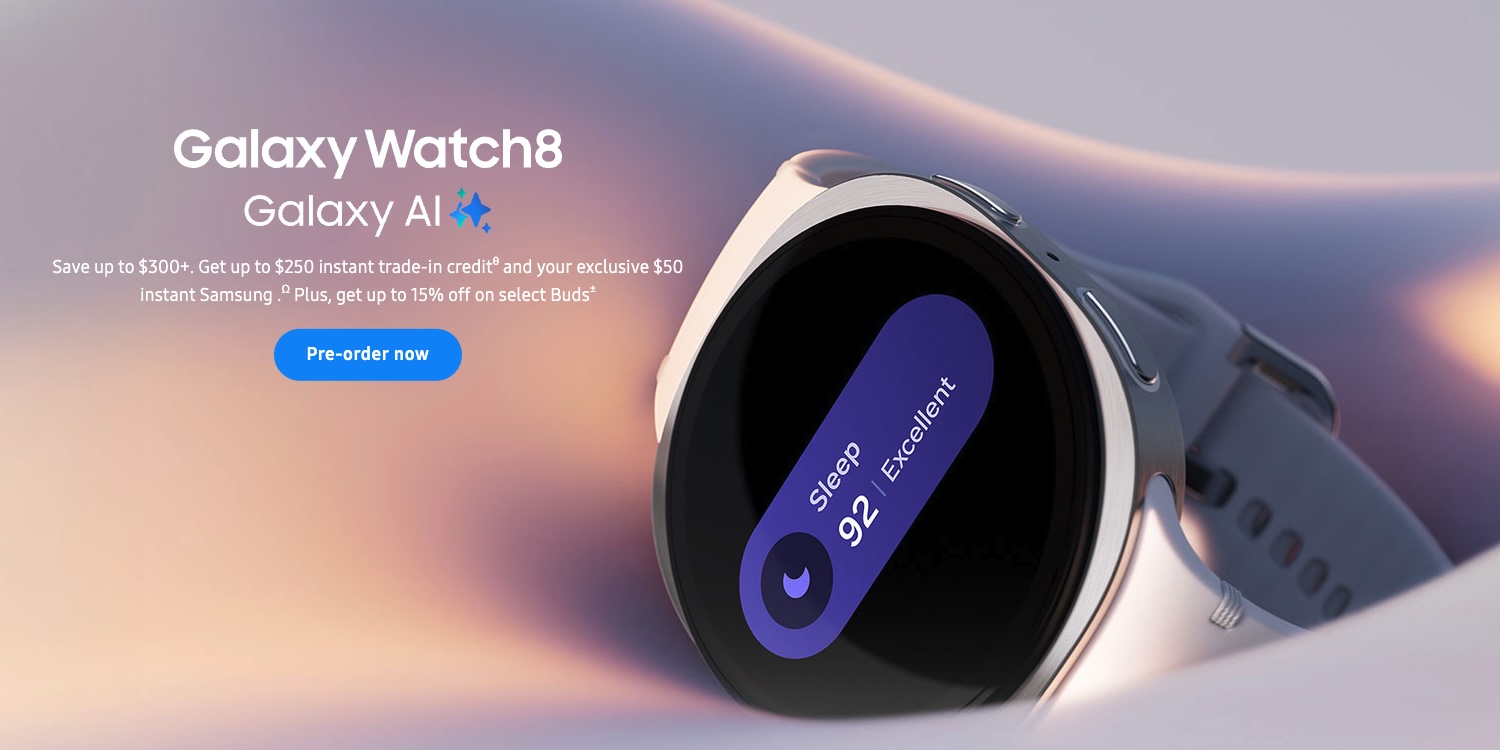
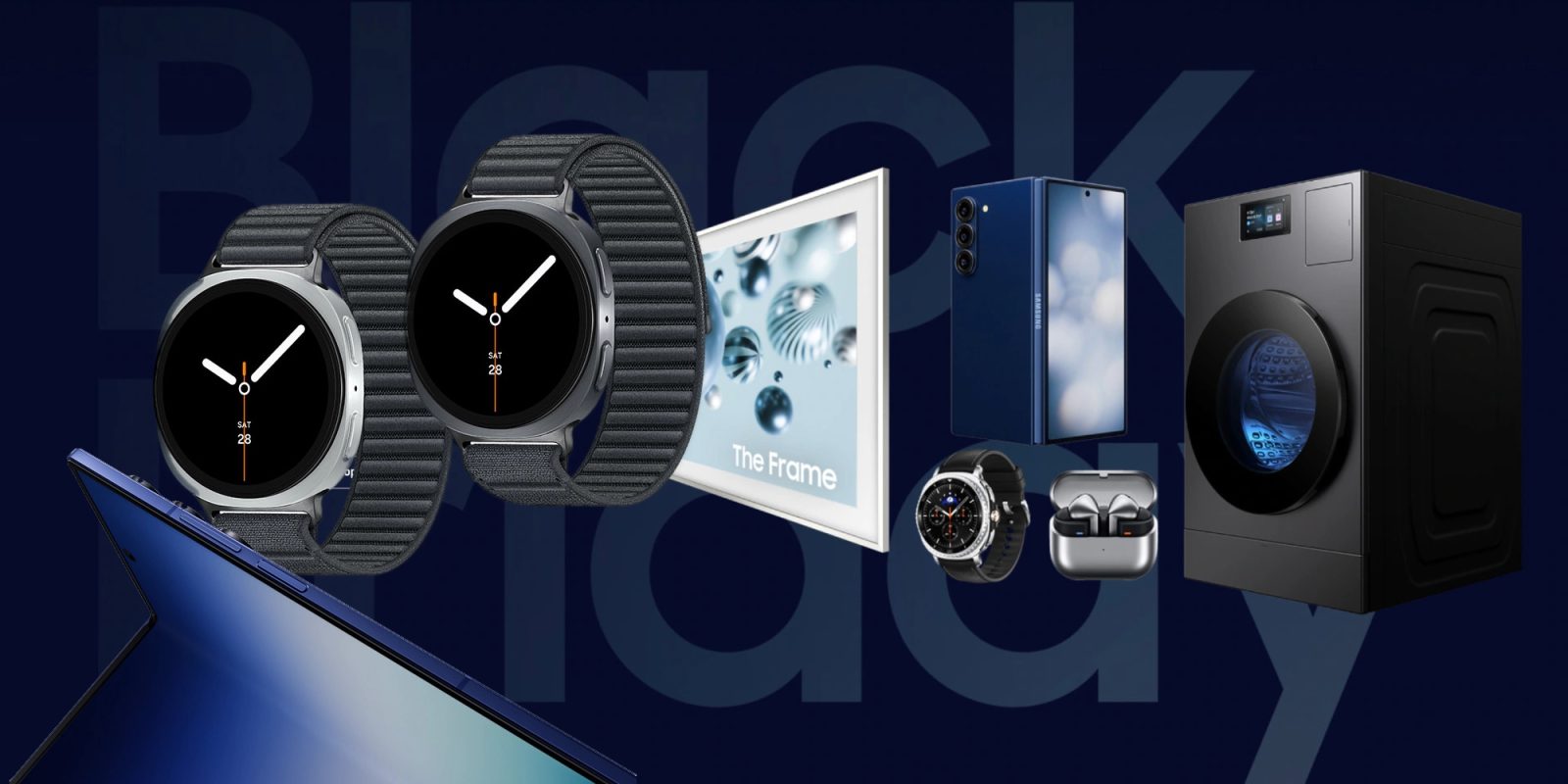
How to score Galaxy Watch 8 as low $172 for Cyber Monday ($178 off)

We have already detailed some of the secret savings available as part of the Black Friday/Cyber Monday Samsung sale. While perhaps not so secret to some, they are to others and you can score at least $100 off Galaxy Watch 8, or up to$150 off directly on the Samsung site, and as much as $178 off nothing but access to a.edu email. Details below. 

Galaxy Watch 8 Cyber Monday deals

As we detailed previously, Samsung’s Galaxy Watch 8 is at least $100 off with no trades needed at both the official Samsung site and over at Amazon. But…

Samsung is target select IP address and Samsung account holders by the looks of it, this is yielding a straight up$150 off the list priceon Galaxy Watch 8, as seen above. 

And on top of that, if you have access to a.edu email, the Samsung Offer Programs can bring the down even further on its latest wearable to $178 off, or starting from $172 shipped for Cyber Monday.

9to5Google readers can score an additional 15% off the Black Friday deals from now through December 1 using code BFFP3GGL at checkout.

The official Black Friday Week Aqara smart home gear sale is now live and offering up to 48% off – smart locks, camera hubs, sensors add-ons, and more at some of the very best prices of the year. Deals kick off at just $34 and you’ll find our favorites waiting below:

Lenovo’s budget-friendly 2025 Idea Tab Plus Android tablet with Tab Pen stylus hits $180 all-time low for Cyber Monday

As part of its ongoing Cyber Monday sale, Lenovo is offering its 2025 Idea Tab Plus Android tablet with a Tab Pen stylus for $180.49 shipped once you enter promo code EXTRAFIVE during checkout. This particular model hit the scene earlier this year, carrying a $290 price tag, so you’re looking at a straight-up $110 discount on it today. We saw this variant with the stylus drop to $210 last month as part of the early Black Friday offers, but today’s deal shaves an additional $20 off to mark a new best price to beat. It is, in fact, now fetching the same price as just the tablet by itself without the stylus at Best Buy. Head below for more details, along with deals on some other Lenovo tablets.

The Lenovo Idea Tab Plus is one of the best budget-friendly Android tablets you can get your hands on right now as a starter option if you’re buying your first tablet. It sports a 12.1-inch WQXGA (2560 × 1600) 90Hz display and is powered by a MediaTek Dimensity 6400 octa-core processor. You also get 8GB of RAM, 128GB of storage with microSD support, a 10,200mAh battery, and USB-C charging. This model also has support for a stylus, and the Lenovo listing highlighted here comes with one in the box itself.

Today’s accessories and charging deals:

FTC: We use income earning auto affiliate links. More.


Source link

Boston Greek restaurant makes OpenTable’s 2025 list of top 100 restaurants

0


Diners have spoken, and only one eatery in Massachusetts was worthy of OpenTable’s 2025 list of top 100 restaurants.

While “some lists are decided by critics,” OpenTable’s list is determined by diner reviews and demand.

Six Massachusetts restaurants made the list in 2024, but only one remained this year: Krasi in Boston’s Back Bay neighborhood.

An authentic Greek restaurant, Krasi works to embody the ancient hospitality concept known as Philoxenia, which translates to “love of strangers.”

“We’re more than a Greek restaurant — we’re the place where impeccable wines and a bit of playful charm come together effortlessly,” Krasi’s website reads. “Our space is sleek, chic, and just a bit rebellious, with Greek-inspired décor that’s all about making a statement.”

The menu specializes in dishes inspired by Greece’s 13 regions and rich agricultural landscape. Standout options include Giouvetsi (braised lamb) from the hills of Thessaly and fresh seafood (Amberjack, octopus or squid) inspired by the shores of Crete.

Diners can pair their meal with a glass (or bottle) of Greek wine off Krasi’s extensive and carefully crafted menu. Wine enthusiasts can also expand their knowledge at Krasi’s wine symposium that takes place on every Wednesday from 5–9:30 p.m.

Reservations for either the symposium or to dine at Krasi in general are strongly encouraged. The restaurant is at 48 Gloucester St., Boston.

While Krasi was the only Massachusetts restaurant featured on OpenTable’s list, two more eateries in New England made the cut. They were Fore Street and Scales, both in Portland, Maine.

Click here to see “2025’s Top 100 Restaurants” from OpenTable.


Source link

Varda says it has proven space manufacturing works — now it wants to make it boring

0


When Will Bruey talks about the future, the timelines are shorter than most might imagine. The Varda Space Industries CEO predicts that within 10 years, someone could stand at a landing site and watch multiple specialized spacecraft per night zooming toward Earth like shooting stars, each carrying pharmaceuticals manufactured in space. Within 15 to 20 years, he says, it will be cheaper to send a working-class employee to orbit for a month than to keep them on Earth.

The reason Bruey thinks these scenarios are realistic is because he has watched ambitious business projections unfold before, while working as an engineer at SpaceX.

“I remember the first rocket I worked on at SpaceX was flight three of Falcon 9,” he said at TechCrunch’s recent Disrupt event. The partially reusable, two-stage, medium-lift launch vehicle has since completed nearly 600 successful missions. “If someone had told me ‘reusable rockets,’ and ‘[we’ll see as] many [of these] flights as daily flights out of LAX,’ I would have been like, ‘All right, [maybe in] 15 to 20 years,’ and this feels the same level of futuristic.”

Varda has already proven the core concept. In February 2024, after a months-long regulatory odyssey, the company became only the third corporate entity ever to bring something back from orbit – crystals of ritonavir, an HIV medication – joining SpaceX and Boeing in that exclusive club. It has completed a handful of missions since.

The company brings its pharmaceuticals back to Earth inside the W-1 capsule, a small, conical spacecraft about 90 centimeters across, 74 centimeters high, and weighing less than 90 kilograms (roughly the size of a large kitchen trash can). The company this week launched its fifth capsule ever aboard a SpaceX ride-share mission, hosted by a spacecraft bus that provides power, communications, propulsion, and control while in orbit.

So why manufacture crystals in space? In microgravity, the usual forces that interfere with crystal formation on Earth – like sedimentation and gravity pulling on growing crystals – essentially disappear. Varda says that this gives it much more precise control over crystallization, allowing it to create crystals with uniform sizes or even novel polymorphs (different structural arrangements of the same molecule). These improvements can ostensibly translate into real benefits: better stability, greater purity, and longer shelf life for drugs.

The process isn’t quick. Pharmaceutical manufacturing can take weeks or months in orbit. But once it’s complete, the capsule detaches from the spacecraft bus and plunges back through Earth’s atmosphere at over 30,000 kilometers per hour, reaching speeds above Mach 25. A heat shield made of NASA-developed carbon ablator material protects the cargo inside, and a parachute brings it down for a soft landing.

Techcrunch event

San Francisco
|
October 13-15, 2026

The actual business is pretty prosaic, though, Bruey offered. “Forget about space for a second,” he said. “We just have this magic oven . . . where you can create formulations that you otherwise couldn’t.” Added Bruey of what people often get wrong about Varda, the company isn’t “in the space industry; we’re in-space industry,” he said. Space is “just another place to ship to.”

Worth noting: Varda isn’t discovering new drugs or creating new molecules. It’s aiming to expand the menu of what can be done with existing, approved drugs.

This isn’t speculative science, either. Companies like Bristol Myers Squibb and Merck have been running pharmaceutical crystallization experiments on the International Space Station for years, proving the concept works. Varda says it’s just making it commercial by building the infrastructure to do it repeatedly, reliably, and at a scale that might actually matter to the pharmaceutical industry.

As for why now, two things have changed. First, space launches have become bookable and predictable. “Ten years ago, you would have to get a chartered flight. It was like hitchhiking to get to orbit if you were not a primary mission payload,” Bruey explained. “It’s still expensive today, but [it’s dependable, you can book a slot, and we [have] booked launches years in advance.”

Second, end-to-end space service companies like Rocket Lab started producing satellite buses that could be purchased off the shelf. Buying spacecraft from Rocket Lab and integrating its pharmaceutical manufacturing capsules with them is a major unlock.

Still, only the highest-value products make economic sense. That’s why Varda started with pharmaceuticals; a drug that can command thousands of dollars per dose can absorb the transportation costs. 

The “seven domino” theory

When Bruey talks to members of Congress, which he says he does frequently these days, he pitches what he calls the “seven domino theory.” 

Domino one: reusable rockets. Done. Domino two: manufacturing drugs in orbit and returning them. Domino three is the big one: getting a drug into clinical trials. “It’s a big deal because what it means is perpetual launch.”

This is where Varda’s business model diverges fundamentally from every other space company.

Think about how satellite companies work. SiriusXM launches satellites to broadcast radio. DirecTV launches satellites to transmit television. Even Starlink, with its thousands of satellites, is fundamentally building out a constellation – a network that, once complete, doesn’t require constant launches to function. These companies treat launch as a capital investment. They spend money to place hardware in orbit, and then they’re done.

Varda is different. Each drug formulation requires manufacturing runs. Manufacturing runs require launches. More demand for the drugs means more launches.

This matters because it changes the economics for launch providers. Instead of selling a fixed number of launches to build out a constellation, they have a customer with (theoretically) unlimited demand that grows with success. That kind of predictable, scalable demand helps justify the fixed costs of launch infrastructure and drives down per-launch prices.

Domino four triggers the feedback loop: as Varda scales, costs drop, making the next tier of drugs economically viable. More drugs mean more scale, lowering costs again – a cycle Bruey says will “shove launch costs into the ground.”

Varda’s commercial viability remains unproven, and no space-manufactured drugs are currently on pharmacy shelves. But the virtuous cycle Bruey imagines won’t just benefit Varda. Lower launch costs make space accessible for other industries, including semiconductors, fiber optics, and exotic materials – everything that benefits from microgravity but can’t yet justify the expense.

Eventually, Bruey tells his team, launch costs will get so low that it will be cheaper to put an employee in orbit for a month because creating additional automation would cost more.

“I imagine ‘Jane’ goes to space for a month. It’ll be like [heading to] an oil rig. She works at the drug factory for a month, comes back down, and [becomes] the first person ever to go to space and back where she generate[s] more value than the cost to take her there.”

It’s at that moment, Bruey says, when “the invisible hand of the free market economy lifts us off our home planet.”

The near-death experience

The path to those shooting star drug deliveries nearly ended before it began, Bruey told TechCrunch.

Varda launched W-1 in June 2023 aboard a SpaceX Falcon 9 rideshare mission. The pharmaceutical manufacturing process inside the capsule worked as planned, producing crystals of Form III ritonavir, a specific crystalline structure of the drug that’s difficult to create on Earth. The experiments were completed within weeks.

But then the capsule just . . . stayed in orbit. For six months. The problem wasn’t technical, Bruey said; Varda couldn’t get approval to bring its W-1 capsule home.

The Utah Test and Training Range, where Varda wanted to land, exists to “test weapons and train warriors,” as Bruey put it. Space drugs didn’t fall into that category, so Varda wasn’t a priority customer. When higher-priority military missions needed the range, they bumped Varda’s scheduled landing windows. Each bump invalidated the company’s reentry license with the FAA, requiring it to start the approval process over.

“There were 80 people in the office who had spent two and a half years of their lives on this thing, and it’s in orbit, but we’re not sure if it can come home,” Bruey recalled.

The situation looked bad from the outside. To observers, it seemed like Varda had been reckless and launched without proper approvals. But he said in reality, the FAA had authorized Varda to launch without a finalized reentry license because the agency wanted to encourage the nascent commercial reentry industry.

The FAA had authorized Varda to launch without a finalized reentry license, encouraging the nascent commercial reentry industry.

“They encouraged us to proceed with our launch, with the goal being that we would continue to coordinate that license, as well as the use of reentry timing with the range, while we were in orbit,” Bruey explained.

The real problem was that this was the first commercial land reentry ever attempted. There was no established process for the Utah range to coordinate with the FAA. Both entities felt like they were shouldering all the liability.

Varda explored every alternative it could think of. Water landing? The capsule doesn’t float; they’d lose it. Australia? Possible, and they started those conversations. But Bruey says he made a call: no half measures.

“Either you have to push the boundaries of regulation to create this future, or you don’t,” he said. “In order for Varda to be successful, we need to land on land regularly. So we just sucked it up and said, ‘Let’s figure this one out.”

While its first mission remained stranded in orbit, the company continued production on the next capsule. It kept hiring.

In February 2024, eight months after launch, W-1 finally came home. It landed as originally planned at the Utah Test and Training Range, the first commercial spacecraft to land on a military test range and the first to land on U.S. soil under the FAA’s Part 450 licensing framework, introduced by the agency in 2021 to make commercial space operations more flexible.

Now Varda has landing sites in both the U.S. and Australia, and it’s the first company to receive an FAA Part 450 operator license that lets it reenter the U.S. without resubmitting full safety documentation for each flight.

Meanwhile, Varda has a secondary business that emerged from necessity: hypersonic testing.

Very few objects ever travel through the atmosphere at Mach 25. The environment at those speeds is extreme and unique: Temperatures reach thousands of degrees, creating a plasma sheath around a vehicle. The air itself undergoes chemical reactions as molecules are ripped apart and recombine. This environment can’t be replicated on Earth, even in the most advanced wind tunnels.

The Air Force and other defense agencies need to test materials, sensors, navigation systems, and communications equipment in real hypersonic conditions. Traditionally, that would require dedicated test flights that cost upwards of $100 million each and involve significant risk.

Varda offers an alternative. Its W-1 capsules are already reentering at Mach 25. The company can embed sensors, test new thermal protection materials, or validate equipment in the actual flight environment rather than in approximations. The capsule is akin to a wind tunnel, and the reentry is the test.

Varda has already flown experiments for the Air Force Research Laboratory, including an optical emission spectroscopy payload that took in-situ measurements of the shock layer during reentry.

Investors are, big surprise, excited about Varda’s story. The company raised $329 million as of its Series C round this past July, most of it earmarked for building out the company’s pharmaceutical lab in El Segundo. It’s also hiring structural biologists and crystallization scientists to work on more complex molecules, eventually including biologics like monoclonal antibodies, which Bruey says is a $210 billion market.

A whole lot has to go right between then and now for Varda to elbow its way into that business, as well as to make a dent in the business it’s currently targeting. But if Bruey is right, “then” is closer than most people might right now imagine.




Source link

Cyber Monday SSD deals include up to $270 off recommended internal and portable SSDs, microSD cards and more

0


If you’re looking to grab a new SSD for a PC, PS5, gaming handheld or any other gadget, is typically a good time to take the plunge. To help you separate the fake discounts from the stuff worth your time, we’ve picked through the many sales going on now and rounded up the best Cyber Monday SSD deals and other storage discounts we could find below. The highlights include a handful of discounts on well-reviewed internal drives, portable SSDs and microSD cards, but we’ll update this post as we find more offers that are worth calling out.

Best Cyber Monday microSD card deals

Image for the small product module

Nintendo

The only reason to buy a super-fast (and pricey) microSD Express card is to expand the storage of a Nintendo Switch 2, which requires the newer format. In our guide to the best Switch 2 microSD cards, we found each model we tested to perform similarly in actual games, so your best bet is to buy whichever one you can find in stock at the lowest price. For Cyber Monday, that’s Samsung’s officially licensed card, provided you can live with 256GB of space. This discount marks a new all-time low. Also at Best Buy and Walmart.

$39 at Amazon

Samsung P9 Express microSD Express Card (512GB) for $75 at Amazon ($25 off MSRP): If you need even more room for your Switch 2, this is a new low for the 512GB version of Samsung’s newest microSD Express card. Full disclosure: Samsung launched this card a couple of weeks ago, and we only just got it in for testing. But given the trend of similar Switch 2 performance we’ve seen with other Express cards thus far, and the fact that this is easily the cheapest 512GB model we can find in stock as of this writing, we figure it’s worth noting. Also at Samsung and B&H.

Lexar Play Pro (1TB) microSD Express card for $186 at Amazon ($34 off): If you want the most space possible for Nintendo’s new console, the Play Pro is one of the few microSD Express cards available in a 1TB capacity. This is the second-best price we’ve seen for that card since July, so it’s not an amazing deal, but it is the cheapest 1TB model we can find from a reliable brand right now.

Image for the small product module

Samsung

We recommend the Evo Select in our microSD card buying guide for those on a tight budget. It has mediocre write speeds, so it’s not ideal for a camera, but it should be serviceable for most people just looking to add space to an Android tablet or original Nintendo Switch on the cheap. (Note that this is a standard UHS-I card, not an Express one.) This deal matches the lowest price to date for the 512GB variant of the latest model. Also at Samsung and B&H.

$33 at Amazon

SanDisk microSD Express Card (256GB) for $60 at Amazon ($8 off): Like the offers above, this discount matches the best price we’ve seen for SanDisk’s 256GB microSD Express card. There isn’t much point in grabbing it as long as cheaper options are in stock, though this is technically the fastest all-around model we’ve tested when it comes to transferring games to and from the Switch 2’s built-in storage. (Within games, however, the difference is still minimal.) We’ll note it here just in case the other Express models completely sell out. Also at B&H.

Best Cyber Monday internal SSD deals

Image for the small product module

Corsair

The MP600 Pro LPX tops our guide to the . It’s not the fastest PCIe 4.0 drive on the market these days, but it’s still quick enough for PS5 use specifically to be worth grabbing when it’s discounted like this. It also comes with a heatsink pre-installed, which . While this deal is a good way from the 2TB model’s all-time low, it’s the best price we’ve seen in 2025. Also at Amazon.

$145 at Best Buy

SK Hynix Platinum P51 (1TB) PCIe 5.0 SSD for $110 at Newegg ($60 off): Most people don’t have to pay extra for the top-tier performance of a PCIe 5.0 SSD like the Platinum P51, but if you need something for more intense workloads or just want the comfort of owning a more futureproof SSD, reviews around the web suggest this is one of the better options available. Just make sure you have a compatible motherboard and CPU first. This offer ties the lowest price yet for the 1TB model. Use the code BFEFE96 to get the full discount at checkout.

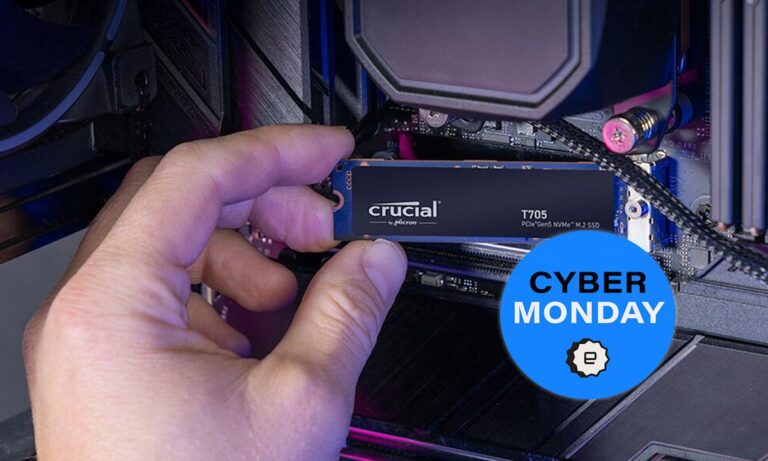
Crucial T705 (2TB) PCIe 5.0 SSD with heatsink for $170 at B&H ($150 off): If you need a bit more room from a PCIe 5.0 drive, the Crucial T705 is a slightly older but still highly rated alternative with blazing-fast speeds. This is the best price we’ve tracked for the 2TB model with a heatsink, which isn’t 100 percent essential for everyone but helps minimize thermal throttling all the same.

Samsung SSD 9100 Pro (8TB) PCIe 5.0 SSD with heatsink for $750 at B&H ($270 off): Yes, we realize this is a ton to spend on a new SSD, but if you’re in the niche that wants a PCIe 5.0 drive with as much capacity as possible, it ties the lowest price we’ve tracked for the 8TB variant of Samsung’s top-end model. Most reviews say that the 9100 Pro is outpaced by the WD Black SN8100 at the enthusiast end of the market, but it’s still competitive, and the 8TB version of that WD drive is priced $250 higher as of this writing. Most other direct rivals, meanwhile, aren’t yet available with this much space.

Crucial P310 (2TB) M.2 2230 SSD for $130 at B&H ($111 off, in and out of stock): The P310 is a small-size SSD you can slot in certain thin and light notebooks or gaming handhelds like the Steam Deck. It uses cheaper QLC memory, not the faster and more durable TLC, but most reviews say it performs well for what it is. This discount is a few bucks above the largest drop to date for the 2TB model, but it’s still about $20 off the drive’s usual street price. Also at Amazon.

Best Cyber Monday portable SSD deals

Image for the small product module

Crucial

The X10 is a newer iteration of the Crucial X10 Pro, which itself is a variant of the Crucial X9 Pro, the top pick in our guide to the best portable SSDs. It uses the USB 3.2 Gen 2×2 interface, which few PCs and no Macs support, so most people won’t see a difference between it and more traditional USB 3.2 Gen 2 drives like the X9 Pro. (Pricier USB4 and Thunderbolt models, meanwhile, are much faster and generally easier to utilize.)

If the X10 is on sale for much less than the X9 Pro, however, there’s little reason to not buy it instead. That’s the case as of this writing. Plus, like our top pick, the X10 is rugged, impressively compact and fast enough for most people’s needs, though it doesn’t support hardware-based encryption. This deal is $3 more than the 1TB model’s all-time low but still $15 off its typical going rate. Also at B&H.

$85 at Amazon

Crucial X10 Pro (4TB) portable SSD for $210 at B&H ($60 off): The X10 Pro is a older and slightly slower version of the X10 — confusing, we know — but it comes with a metal enclosure, a five-year warranty (instead of three) and 256-bit hardware encryption. The X9 Pro and standard X10 are better values when they’re cheaper, but that’s not the case right now if you want a 4TB drive. This deal matches an all-time low.

Seagate Storage Expansion Card for Xbox (2TB) for $185 at Amazon ($75 off): Annoying as it is, the only way to fully add storage to an Xbox Series X or Series S is to use a proprietary expansion card. Only two of those exist, and they’re both expensive compared to traditional SSDs. Still, they’re dead simple to set up, and this Seagate model holds up well compared to the consoles’ internal storage. This is a new low for the 2TB model and $15 cheaper than the price we saw on Black Friday. Also at Best Buy and Walmart for $200.

The 4TB variant is also discounted at $380 — that’s a ton to spend on one of these things, but it does match the lowest price we’ve tracked for that particular model.


Source link