Home Blog Page 120

Fuzzy Zoeller, two-time golf champion, dies at 74 : NPR

0


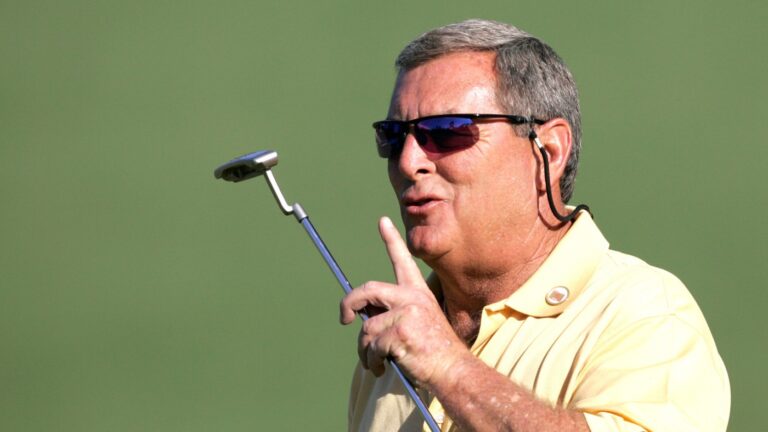
In this April 6, 2006 file photo, Fuzzy Zoeller encourages the crowd to be quiet on the second hole during first round play at the Masters golf tournament at the Augusta National Golf Club in Augusta, Ga.

In this April 6, 2006 file photo, Fuzzy Zoeller encourages the crowd to be quiet on the second hole during first round play at the Masters golf tournament at the Augusta National Golf Club in Augusta, Ga.

Morry Gash/AP


hide caption

toggle caption

Morry Gash/AP

Fuzzy Zoeller, a two-time major champion and one of golf’s most gregarious characters whose career was tainted by a racially insensitive joke about Tiger Woods, has died, according to a longtime colleague. He was 74.

A cause of death was not immediately available. Brian Naugle, the tournament director of the Insperity Invitational in Houston, said Zoeller’s daughter called him Thursday with the news.

Zoeller was the last player to win the Masters on his first attempt, a three-man playoff in 1979. He famously waved a white towel at Winged Foot in 1984 when he thought Greg Norman had beat him, only to defeat Norman in an 18-hole playoff the next day.

In this June 18, 1984 file photo, Greg Norman (L) holds a towel out toward Fuzzy Zoeller (R) as they walk down the 18th fairway together at Winged Foot Golf Club in Mamaroneck, N.Y. during a playoff for the U.S. Open Championship.

In this June 18, 1984 file photo, Greg Norman (L) holds a towel out toward Fuzzy Zoeller (R) as they walk down the 18th fairway together at Winged Foot Golf Club in Mamaroneck, N.Y. during a playoff for the U.S. Open Championship.

AP/AP


hide caption

toggle caption

AP/AP

But it was the 1997 Masters that changed his popularity.

Woods was on his way to a watershed moment in golf with the most dominant victory in Augusta National history. Zoeller had finished his round and had a drink in hand under the oak tree by the clubhouse when he was stopped by CNN and asked for his thoughts on the 21-year-old Woods.

“That little boy is driving well and he’s putting well. He’s doing everything it takes to win. So, you know what you guys do when he gets in here? You pat him on the back and say congratulations and enjoy it and tell him not serve fried chicken next year. Got it?” Zoeller said.

He smiled and snapped his fingers, and as he was walking away he turned and said, “Or collard greens or whatever the hell they serve.”

That moment haunted him the rest of his career.

Zoeller apologized. Woods was traveling and it took two weeks for him to comment as the controversy festered. Zoeller later said he received death threats for years after that moment.

Writing for Golf Digest in 2008, he said it was “the worst thing I’ve gone through in my entire life.”

In this Friday, April 10. 1998 file photo, Fuzzy Zoeller looks back at defending Masters champion Tiger Woods, right, while they both wait their turns to tee off from the fourth hole during the second round of the 1998 Masters in Augusta, Ga. In 1997, Zoeller joked that Woods shouldn't order fried chicken for the next year's Masters champions' dinner. He said the comments were "misconstrued."

In this Friday, April 10. 1998 file photo, Fuzzy Zoeller looks back at defending Masters champion Tiger Woods, right, while they both wait their turns to tee off from the fourth hole during the second round of the 1998 Masters in Augusta, Ga. In 1997, Zoeller joked that Woods shouldn’t order fried chicken for the next year’s Masters champions’ dinner. He said the comments were “misconstrued.”

Elise Amendola/AP


hide caption

toggle caption

Elise Amendola/AP

“If people wanted me to feel the same hurt I projected on others, I’m here to tell you they got their way,” Zoeller wrote. “I’ve cried many times. I’ve apologized countless times for words said in jest that just aren’t a reflection of who I am. I have hundreds of friends, including people of color, who will attest to that.

“Still, I’ve come to terms with the fact that this incident will never, ever go away.”

It marred a career filled with two famous major titles, eight other PGA Tour titles and a Senior PGA Championship among his two PGA Tour Champions titles.

More than winning was how he went about it. Zoeller played fast and still had an easygoing nature to the way he approach the game, often whistling between shots.

He made his Masters debut in 1979 and got into a three-way playoff when Ed Sneed bogeyed the last three holes. Zoeller defeated Sneed and Tom Watson with a birdie on the second playoff hole, flinging his putter high in the air.

“I’ve never been to heaven, and thinking back on my life, I probably won’t get a chance to go,” Zoeller once said. “I guess winning the Masters is as close as I’m going to get.”

Zoeller was locked in a duel with Norman at Winged Foot in the 1984, playing in the group behind and watching Norman make putt after putt. So when he saw Norman make a 40-footer on the 18th, he assumed it was for birdie and began waving a white towel in a moment of sportsmanship.

Only later did he realize it was for par, and Zoeller made par to force a playoff. Zoeller beat him by eight shots in the 18-hole playoff (67-75). Zoeller’s lone regret was giving the towel to a kid after he finished in regulation.

“If you happen to see a grungy white towel hanging around, get it for me, will you?” he once said.

He was born Frank Urban Zoeller Jr. in New Albany, Indiana. Zoeller said his father was known only as “Fuzzy” and he was given the same name. He played at a junior college in Florida before joining the powerful Houston golf team before turning pro.

His wife, Diane, died in 2021. Zoeller has three children, including daughter Gretchen, with whom he used to play in the PNC Championship. Zoeller was awarded the Bob Jones Award by the USGA in 1985, the organization’s highest honor given for distinguished sportsmanship.


Source link

This Thanksgiving’s real drama may be Michael Burry versus Nvidia

0


While you’ve been sweating the details over Thanksgiving, famed investor Michael Burry – the one portrayed by Christian Bale played in “The Big Short” – has been waging an increasingly aggressive war against Nvidia.

It’s a battle worth watching because Burry might actually win it. What makes this different from every other warning about an AI bubble is that Burry now has the audience and the freedom from regulatory constraints to potentially become the catalyst for the very collapse he’s predicting. He’s betting against the AI boom, but he’s also proactively trying to convince his growing number of followers that the emperor – Nvidia – has no clothes. What everyone is now wondering is whether Burry can create enough doubt to truly hobble Nvidia and, by association, the other main characters in this story, including OpenAI.

Burry has really thrown himself into the effort in recent weeks. He’s been slinging mud at Nvidia; he also traded nasty comments with Palantir CEO Alex Karp after regulatory filings revealed Burry held bearish put options on both companies – a bet worth over $1 billion that they’d crash. (Karp went on CNBC and called Burry’s strategy “batshit crazy,” to which Burry responded by mocking Karp for not understanding how to read an SEC filing.) The spat encapsulates the market’s central divide: is AI going to transform everything and thus worth every billion invested, or are we now in mania territory that’s destined to end badly?

Burry’s allegations are specific and damning. He says Nvidia’s stock-based compensation has cost shareholders $112.5 billion, essentially “reducing owner’s earnings by 50%.” He has suggested that AI companies are cooking their books by slow-walking depreciation on equipment that’s losing value fast. (Burry believes that Nvidia customers are overstating the useful lives of Nvidia’s GPUs in order to justify runaway capital expenditures.) As for all that customer demand, Burry has basically proposed it’s a mirage because AI customers are “funded by their dealers” in a circular financing scheme.

Enough people have begun citing Burry that Nvidia, despite its blowout earnings report last week, felt compelled to respond recently. In a seven-page memo sent to Wall Street analysts last weekend by Nvidia’s investor relations team – a development first reported by Barron’s – the company fired back, saying that Burry’s math is wrong, including because he “incorrectly included RSU taxes” (the real buyback figure is $91 billion, not $112.5 billion, the memo says). Nvidia’s employee compensation is also “consistent with peers.” And Nvidia is definitely, absolutely, not Enron, thank you very much.

Burry’s response, in a nutshell: I didn’t compare Nvidia to Enron. I’m comparing Nvidia to Cisco circa the late 1990s, when it overbuilt infrastructure that nobody actually needed at the time and its stock cratered 75% when everyone realized as much.

This could all look like a tempest in a teapot by Thanksgiving next year – or not! Nvidia’s stock has gone up twelvefold since early 2023. The company’s market cap at this moment is $4.5 trillion. Its ascent to becoming the world’s most valuable company is faster than anything the market has seen previously. But Burry has a track record that’s complicated. He called the housing crisis, which brought him great acclaim. But since 2008, he has been predicting various apocalypses pretty much constantly, earning him the label “permabear” from critics, while people who listen to him with a kind of cult-like devotion have missed some of the greatest bull runs in market history. Burry smartly bought GameStop early, for example, but he then sold his shares before the meme stock explosion. He shorted Tesla and lost a fortune. After his smart housing crisis call, frustrated investors actually fled his fund because of extended underperformance.

Techcrunch event

San Francisco
|
October 13-15, 2026

Earlier this month, Burry deregistered his investment firm, Scion Asset Management, with the SEC. He said it was because of “regulatory and compliance restrictions that effectively muzzled my ability to communicate,” explaining that he was frustrated, watching people misinterpret his tweets on X.

Last weekend, he launched a Substack called “Cassandra Unchained” that he’s now using to prosecute his case against the entire AI industrial complex. The descriptor for the newsletter, a yearly subscription to which costs $400, is that it is now Burry’s “sole focus as he gives you a front row seat to his analytical efforts and projections for stocks, markets, and bubbles, often with an eye to history and its remarkably timeless patterns.”

People are definitely listening. The newsletter launched less than a week ago, and it already has 90,000 subscribers. Which brings us to the truly unsettling question hanging over all of this: Is Burry the canary in the coal mine, warning of a collapse that’s inevitable? Or could his fame, his track record, his now unrestricted voice, and a fast-growing audience trigger the very implosion he’s predicting?

History suggests this isn’t so crazy. Jim Chanos, the famous short seller, didn’t create Enron’s accounting fraud, but his high-profile criticisms in 2000 and 2001 gave other investors permission to question the company and accelerated its unraveling. Prominent hedge fund manager David Einhorn’s detailed takedown of Lehman Brothers’ accounting tricks at a 2008 conference made other investors more skeptical and may have hastened the loss of confidence that led to collapse. In both cases, the underlying problems were real, but a credible critic with a platform created a crisis of confidence that became self-fulfilling.

If enough investors believe Burry about AI overbuilding, they will sell. The selling will validate his bearish thesis. More investors will sell. Burry doesn’t need to be right about every detail – he just needs to be persuasive enough to trigger the stampede. Looking at Nvidia’s November performance, it’s easy to conclude Burry’s warnings are taking hold; seeing its shares’ performance over the entire year, it’s less obvious that’s the case.

Much clearer is that Nvidia has everything to lose, including an almost mind-blowingly massive market cap and its position as the most indispensable company of the AI age. Meanwhile, Burry has nothing to lose but his reputation and a new megaphone that he’ll presumably be using at full volume for the foreseeable future.


Source link

Sling Orange Day Passes drop to $1 each with this Black Friday streaming deal

0


Sling TV is one of the best live streaming streaming services out there right now, giving you the option to watch a number of traditional cable channels without the traditional, locked-in price of a cable subscription. For Black Friday, you can save on Sling TV’s newly announced $5 Day Passes. That $5 price is the regular cost — for a limited time through November 30, a Day Pass for Sling Orange is only $1 and that includes access to 34 channels like ESPN, ESPN 2 and ESPN 3.

Besides ESPN, the Sling Orange Day Pass includes access to TNT and TBS, which makes it a solid option if you’re trying to watch the NBA, NFL or college sports. The pass also includes children’s channels like Disney Channel and Nick Jr., CNN for news and HGTV and Food Network for purer forms of lean back entertainment. Sling TV is Engadget’s pick for the best customizable live streaming service for a reason: You can add on extra premium channels when you buy a pass, and their price will be prorated for whatever length you choose. That way even if a dollar isn’t getting you all the channels you need, you don’t need to pay that much more to get them.

Image for the large product module

Sling TV

It’s worth noting, while this promotion runs during Thanksgiving in the US, a Sling Orange subscription won’t get you access to the football games scheduled for that Thursday. To watch those, you’ll need at least a Sling Blue subscription, which includes FS1 and NFL Network, but isn’t available as a day-long pass. A Sling Blue subscription currently starts at $46 a month.

Still, for your $1, around $4 off the price Sling TV normally charges, you’re getting a deal. Dozens of popular channels, access to Sling TV’s DVR feature, and the ability to use your subscription from a smartphone, tablet, the web or your TV. Plus, Sling TV’s interface is easy to navigate, which is what you want when you’re likely subscribing with one game or show in mind.


Source link

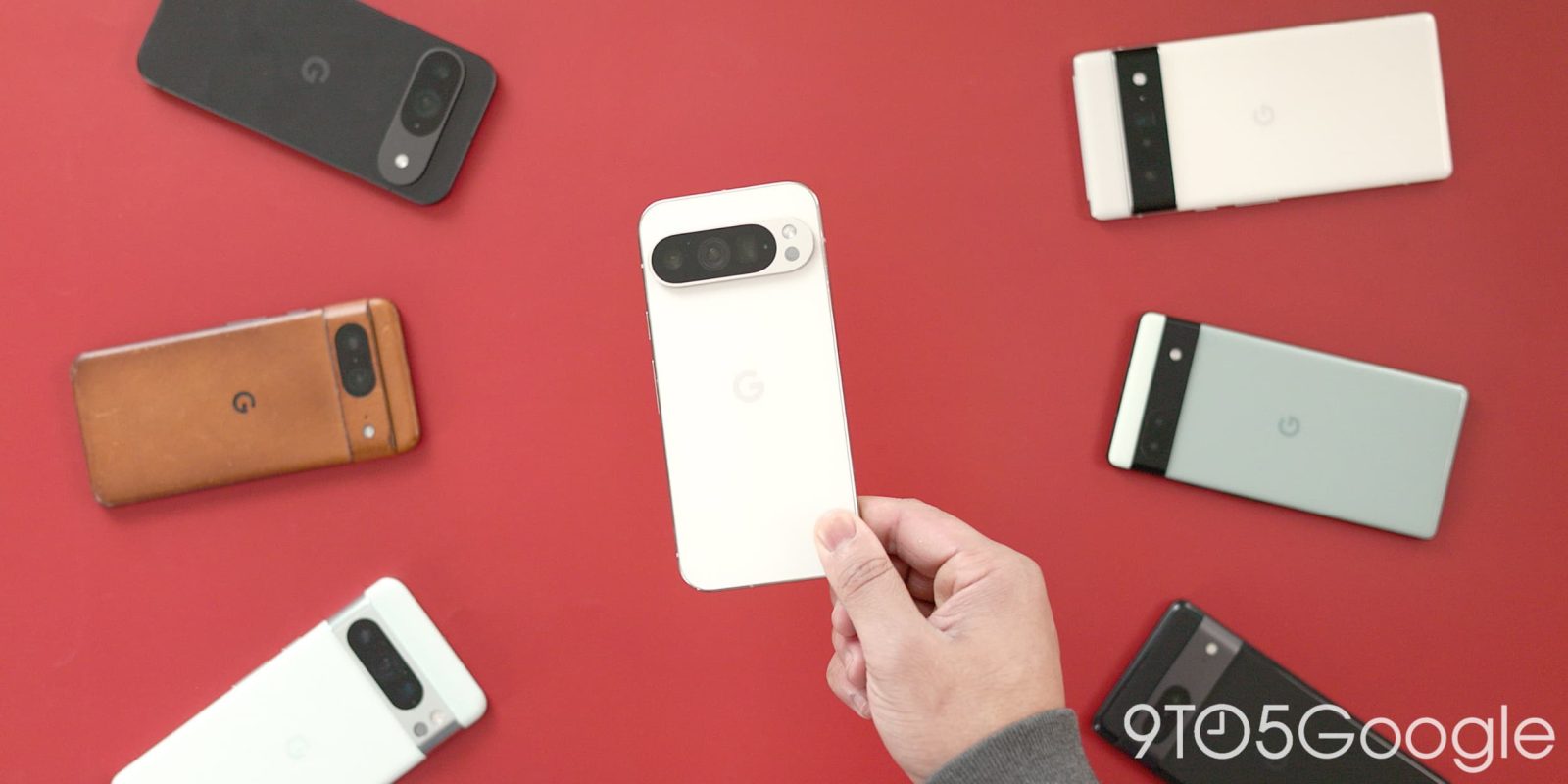
Yes, the Pixel 9 is still a great buy [Video]

0


If you’re looking for a decent replacement for an older phone or a backup, and the Pixel 9 looks eerily similar to the Pixel 10, is it still worth it? Well, of course it is, but let’s get into why in this deep dive.

The same as its siblings

One of the best things about the Pixel 9 is that it looks almost identical to the Pixel 10, so you’re not getting an out-of-date design. Hey, that doesn’t matter to most people, but it could be important to you. You can even use a few of the Pixel 10 cases if you really want to, not that we’d recommend it, because they don’t quite look right, even though functionally you lose nothing, just a weird gap below the camera bar.

Using the same formula might be stale to some people, but it works, so why change it for the sake of it?

Advertisement – scroll for more content

The best news is that this finally shows Google is confident, given its success with the Pixel 9 design. The company has finally settled on a physical form factor that works after years of fiddling, and it’s no secret that the goal is to make the switch from iOS to Android as “easy and painless” as possible. A familiar design goes a long way to calming the nerves of a potential switcher. The Pixel 9 is a perfect example of this philosophy. The Pixel 10 essentially proves that too.

While I might grumble about minor details, such as the power button size on the Pro XL not increasing to match the new, boxier frame, the overall experience of holding the phone, even with a case, remains fantastic. Another bit of good news is that there doesn’t appear to be any major hardware fault to speak of. Like any phone, some people have their own foibles, but Pixels have been plagued with widespread problems. After a year, the Pixel 9 series doesn’t seem to have that.

This is something we’ve craved for years, and you’re catered to well. It bodes well for the long-term, more so than older generations.

All the Android flavor

Material 3 Expressive bleeds new life into the Pixel 9 in a way that Android 15 and the base Android 16 were unable to. This is where Google is truly able to differentiate its hardware from everything else on the market. Samsung might dominate the market in terms of sheer volume, given that it accounts for almost one in four Android phones sold globally. Still, most Galaxy phones can’t replicate the distinct Google software experience.

New animations, improved visuals, and marginally improved performance. The QPR1 launch bleeds yet more life into the Pixel 9. At its core, this update is identical to the software build found on the Pixel 10, too. You may miss out on some of the extra AI functionality, but none that is yet groundbreaking enough to be drastically upset about.

Sure, the competition might offer a faster processor or more RAM, but can they offer the fluidity of a system that is fully integrated into all parts of your digital life? That’s what the Pixel 9 delivers.

The Pixel 9 has already seen multiple updates, fixing things like audio delay problems in certain video apps, or stability issues when switching between camera lenses. These monthly security patches and Pixel Drops are a testament to the fact that your phone is a constantly evolving product.

With more updates due very soon, the prospect of an even more optimized experience, and many of the best bits of Google all rolled into one handset, it’s a damn good buy, especially as other OEMs are really struggling to get their own Android 16 updates out in a timely fashion. We’re almost 5 months on from the full launch, and barely anyone outside of Samsung has offered a wide rollout. Of course, all Pixel 9 devices get day-one updates.

A great, familiar camera

Yes, the core setup on most of the Pixel 9 and Pixel 10 lineups is similar enough that photos are going to look great. In fact, the base Pixel 9 has a better dual camera system than the Pixel 10 due to the newer device shipping with the same wide and ultra-wide as the Pixel 9a. If you don’t care about a dedicated telephoto lens – which is admittedly a big selling point – then you’ll get arguably better photos.

The only major differences in the end results pertain to the tuning. A little bit of color tweaking here, some tonal changes there, but for the most part, you’ll have difficulty deciphering which camera took which photos unless you love zoom shots with your Pro phone. Yes, the 10 Pro has better zoom, but it’s powered by AI upscaling, so at least in theory, a third-party app might offer some of that functionality. The cameras are still very good on the Pixel 9 and are backed by Google’s excellent updates, too.

Even video quality stacks up, though I will say Google’s reliance on Video Boost as a workaround for lower quality footage is a bit of a cop-out. However, it’s a good workaround, and the resulting footage is still excellent, even if I’m hoping for better on-device processing in future Pixel generations.

Ultimately, the camera is a prime example of the Pixel value proposition. You don’t need the absolute latest, greatest, multi-lens Pro Max Ultra setup to take world-class photos. You need a Pixel. The camera on the 9 is still right up there with the best from Samsung, OnePlus, and others. It’s doing just as much with technically less.

Even better, buy it now price.

The biggest reason that many people who are looking for a new phone might want to consider at least the Pixel 9 lineup is that, with discounts, you’re getting a great deal. Sure, bigger, better, faster, and shinier phones exist. They don’t give you the same experience, though. You’re paying for something that others can’t replicate, even at higher price tags.

With more updates due very soon, the prospect of an even more optimized experience, and many of the best bits of Google all rolled into one handset, it’s a damn good buy.

Is the Pixel 9 the best option for a phone right now? Suppose you want arguably the best software and are willing to forgo a few of the bells and whistles. In that case, it is an excellent alternative for anyone looking to save a little money without sacrificing too much. You’ll be hard-pressed to find a more compelling mix of software intelligence and hardware value.

FTC: We use income earning auto affiliate links. More.


Source link

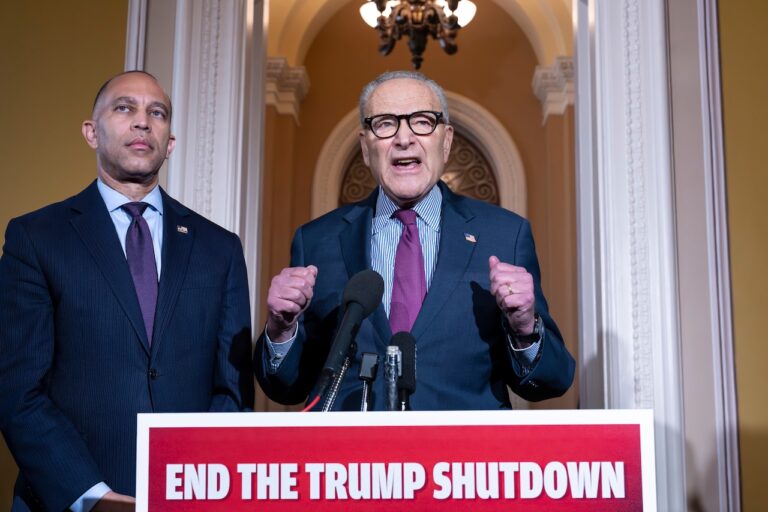
Government shutdown 2025: Democrats gain political advantage, CNN analyst says

0


CNN Chief Data Analyst Harry Enten says that from a “political angle,” Democrats bested Republicans and President Donald Trump over the government shutdown fight.

The federal government shut down from Oct. 1 to Nov. 12, as Congress was unable to pass a continuing resolution to fund it. Senate Democrats continually voted against the resolution because it did not include an extension of enhanced Affordable Care Act (ACA) tax credits.

Without subsidies, ACA insurance premiums are expected to spike in 2026.

The stalemate in the Senate ended when 52 Republican senators, seven Democratic senators and Sen. Angus King, I-Maine, approved on a bill on Nov. 10.

Some Democratic officials lambasted the move because the deal did not include extending the ACA tax credits. However, Enten said Democrats are now in a better political position.

Before the shutdown, Democrats led by three points on the generic congressional ballot, according to Enten’s polling aggregate. Following the shutdown, the margin increased to five points.

“Their lead has widened!” Enten said.

While polling for Democrats has improved since the shutdown, Trump’s polling has worsened, according to Enten.

Before the shutdown, Trump’s net approval was -10 points. Now that the shutdown is over, the president’s net approval has fallen to -15 points, according to Enten’s polling aggregate.

“Now it’s at -15 points. The lowest his net approval rating has been during his entire second term in office,” Enten said.

The net approval rating is the difference between the percentage of people who approve of the president and those who disapprove.

As part of the deal made with Republicans to reopen the government, Senate Democrats were promised a vote in December to extend the ACA credits. The House of Representatives, however, has not made such a promise.

Enten said even if the ACA credits don’t get extended, that could still be good news for Democrats. The analyst cited data from a November poll by Marquette University, which found that 70% of respondents supported extending the tax credits.

“This really puts Republicans in a box,” Enten said. “Because if they don’t extend the ACA subsidies, expect that Democrats are gonna hammer, hammer, hammer Republicans over and over again.”


Source link

The future will be explained to you in Palo Alto

0


On Wednesday evening at PlayGround Global in Palo Alto, some very smart people who are building things you don’t understand yet will explain what’s coming. This is the final StrictlyVC event of 2025, and truly, the lineup is ridiculous.

The series has traveled around the globe under the auspices of TechCrunch. Steve Case rented a theater in D.C.; we talked to Greece’s prime minister in Athens; and Kirsten Green hosted us at the Presidio in San Francisco. The concept is always the same, though: bring together people who are working on genuinely important developments in a smaller setting, before everyone else figures out they’re important.

One of our favorite moments was when, In 2019, Sam Altman told a StrictlyVC crowd that OpenAI’s monetization strategy was basically “build AGI, then ask it how to make money.” Everyone laughed. He wasn’t joking.

This time we’ve got Nicholas Kelez, a particle accelerator physicist who spent 20 years at the Department of Energy building things that shouldn’t be possible. Now he’s tackling semiconductor manufacturing’s biggest problem: every advanced chip depends on $400 million machines that use lasers only one Dutch company knows how to make. (More galling to some: Americans invented the technology, then sold it to Europe.) Kelez is building the next generation in America using particle accelerator tech. It’s as nerdy as it sounds but also exceedingly important in this moment. There is also growing competition chasing after the same prize.

Then there’s Mina Fahmi, who’s made a ring that captures your whispered thoughts and turns them into text. Before you roll your eyes, know that he and cofounder Kirak Hong spent years at Meta working on this stuff after their company was acquired. The Stream Ring isn’t trying to be your friend — it’s trying to extend your brain. Backed by Toni Schneider, an operator who scaled WordPress in its earlier days, Sandbar just emerged from stealth and might well be onto something. (Schneider is a partner at True Ventures, whose other hardware bets have included Peloton, Ring, and Fitbit; he’s also coming to Palo Alto next week.)

We have Max Hodak — Science Corp founder, Time magazine cover subject, and, earlier, Neuralink cofounder — who has already restored vision to dozens of blind people with retinal implants. Now he’s working on “biohybrid” brain-computer interfaces where chips seeded with stem cells grow into your brain tissue so paralyzed people can control devices with their thoughts. And that’s just the tip of the iceberg, as Hodak views it. In fact, he thinks 2035 is going to look wildly different from today, and he’s happy to share how.

Finally, we’re thrilled to welcome Chi-Hua Chien and Elizabeth Weil, two VCs who’ve backed Twitter, Spotify, TikTok, Slack, SpaceX, Figma, and Coinbase before they were household names. Chien runs Goodwater Capital; Weil founded Scribble Ventures after stints at Andreessen Horowitz and Twitter, made 100+ angel investments, and has a first fund showing 4x returns. (Her network is so good that it’s annoying.) Both think Silicon Valley is completely misreading the moment while everyone pours capital into enterprise AI, and they’ll explain why.

Techcrunch event

San Francisco
|
October 13-15, 2026

PlayGround Global is hosting, along with general partner Pat Gelsinger, the former CEO of Intel. There will be drinks, delicious food, and merriment; seating is limited, so if you want to come, act fast.

If you want to partner with the series in 2026, get in touch.


Source link

Take up to $250 off recommended internal and portable SSDs, microSD cards and more

0


If you’re looking to grab a new SSD for a PC, , gaming handheld or any other gadget, Black Friday is typically a good time to take the plunge. To help you separate the fake discounts from the stuff worth your time, we’ve picked through the many sales going on now and rounded up the best Black Friday SSD deals and other storage discounts we could find below. So far we’re seeing a handful of discounts on well-reviewed , and , but we’ll update this post as we find more offers that are worth calling out.

Best Black Friday microSD card deals

Image for the small product module

Samsung

We recommend the Evo Select in our microSD card buying guide for those on a tight budget. It has mediocre write speeds, so it’s not ideal for a camera, but it should be serviceable for most people just looking to add space to an Android tablet or original Nintendo Switch on the cheap. (Note that this is a standard UHS-I card, not an Express one.) This deal matches the lowest price to date for the 512GB variant of the latest model. Also at Samsung and B&H.

$33 at Amazon

Samsung Pro Plus (1TB, 2-pack) for $136 at Best Buy ($104 off MSRP): The Pro Plus is the runner-up pick in our guide to the best microSD cards. On its own, it’s not worth buying over the faster Lexar Professional Silver Plus when both are available for the same price — which is the case right now — but this bundle deal that packages two 1TB cards together for $68 apiece is much more appealing if you need space for multiple devices. Just add two to your cart or click the “special offers” link on Best Buy’s product page to see the discount at checkout. If you need another card, you can also grab a three-pack for $204. For reference, the previous low for an individual 1TB Pro Plus card is $70.

Lexar Play Pro (256GB) microSD Express card for $49 at Amazon ($11 off): The only reason to buy a super-fast (but pricey) microSD Express card is to expand the storage of a Nintendo Switch 2, which requires the newer format. In our guide to the best Switch 2 microSD cards, we found each model we tested to perform similarly in actual games, so your best bet is to buy whichever one you can find in stock at the lowest price. Nintendo has already announced that Samsung’s 256GB Express card will be available for “$20 off MSRP” on November 30, which should bring it down to $40. If you can wait to pounce on that offer, you should. But if you can’t for some reason, or if that discount quickly sells out, this is only $2 more than the best price we’ve seen for Lexar’s equivalent model.

Samsung P9 Express (512GB) microSD Express Card for $75 at Amazon ($25 off): If you want more space for a Switch 2, the 512GB version of Samsung’s P9 Express card is also on sale for a new low of $75. Full disclosure: Samsung launched this card a couple of weeks ago, and we only just got it in for testing. But given the trend of similar Switch 2 performance we’ve seen with other Express cards thus far, and the fact that this is easily the cheapest 512GB model we can find in stock as of this writing, we figure it’s worth noting. Also at Samsung and B&H.

SanDisk microSD Express Card (256GB) for $60 at Amazon ($8 off): Like the offers above, this discount matches the best price we’ve seen for SanDisk’s 256GB microSD Express card. Again, there isn’t much point in grabbing it as long as cheaper options are in stock, though this is technically the fastest all-around model we’ve tested when it comes to transferring games to and from the Switch 2’s built-in storage. (Within games, however, the difference is still minimal.) We’ll note it here just in case the other Express models completely sell out.

Best Black Friday internal SSD deals

SK Hynix Platinum P51 (1TB) PCIe 5.0 SSD for $110 at Newegg ($60 off): Most people don’t have to pay extra for the top-tier performance of a PCIe 5.0 SSD like the Platinum P51, but if you need something for more intense workloads or just want the comfort of owning a more futureproof SSD, reviews around the web suggest this is one of the better options available. Just make sure you have a compatible motherboard and CPU first. This offer ties the lowest price yet for the 1TB model. Use the code BFEFE96 to get the full discount at checkout.

Image for the small product module

Crucial

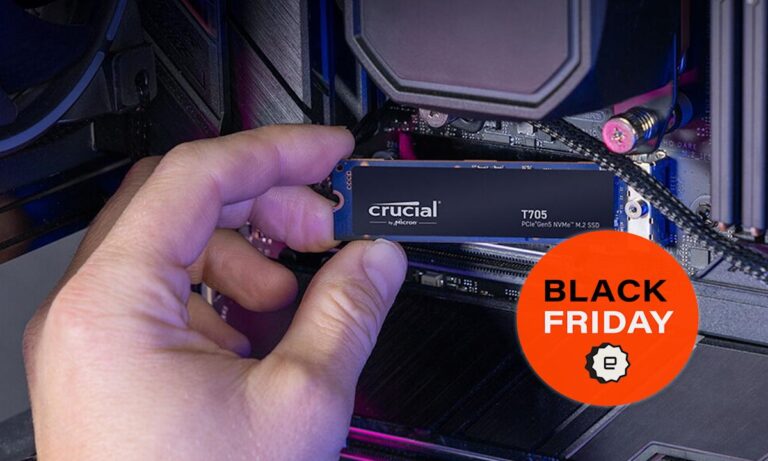
If you need a bit more space from a PCIe 5.0 drive, the Crucial T705 is a slightly older but still highly rated alternative with blazing-fast speeds. This discount comes within $10 of the 2TB version’s all-time low. Also at B&H.

$160 at Amazon

Crucial T710 (2TB) PCIe 5.0 SSD with heatsink for $190 at Best Buy ($130 off): The T710 is Crucial’s successor to the T705. Most reviews suggest it isn’t a massive leap over the older version in real-world performance, but it’s generally quicker, and it’s a more noticeable improvement in terms of power efficiency. If you’re willing to spend a little bit extra, this is the best price we’ve tracked for the 2TB model with a heatsink, which isn’t 100 percent essential for everyone but helps minimize thermal throttling all the same. It’s usually retailed for $250 in recent months. Also at B&H. If you don’t want the heatsink, the drive alone is on sale for $10 less.

Samsung SSD 9100 Pro (8TB) PCIe 5.0 SSD for $750 at Amazon ($250 off): Yes, we realize this is a ton to spend on a new SSD, but if you’re in the niche that wants a PCIe 5.0 drive with as much capacity as possible, it ties the lowest price we’ve tracked for the 8TB variant of Samsung’s top-end model. Most reviews say that the 9100 Pro is outpaced by the WD Black SN8100 at the enthusiast end of the market, but it’s still competitive, and the 8TB version of that WD drive is priced $250 higher as of this writing. Most other direct rivals, meanwhile, aren’t yet available with this much space. Also at Best Buy.

Crucial P310 (2TB) M.2 2230 SSD for $130 at Amazon ($110 off): The P310 is a small-size SSD you can slot in certain thin and light notebooks or gaming handhelds like the Steam Deck. It uses cheaper QLC memory, not the faster and more durable TLC, but most reviews say it performs well for what it is. This discount is a few bucks above the largest drop to date for the 2TB model, but it’s still about $20 off the drive’s usual street price. Also at B&H.

Best Black Friday portable SSD deals

Crucial X10 (1TB) portable SSD for $85 at Amazon ($13 off): The X10 is a newer iteration of the Crucial X10 Pro, which itself is a variant of the Crucial X9 Pro, the top pick in our guide to the best portable SSDs. It uses the USB 3.2 Gen 2×2 interface, which few PCs and no Macs support, so most people won’t see a difference between it and more traditional USB 3.2 Gen 2 drives like the X9 Pro. (Pricier USB4 and Thunderbolt models, meanwhile, are much faster and generally easier to utilize.)

If the X10 is on sale for much less than the X9 Pro, however, there’s little reason to not buy it instead. That’s the case as of this writing. Plus, like our top pick, the X10 is rugged, impressively compact and fast enough for most people’s needs, though it doesn’t support hardware-based encryption. This deal is $3 more than the 1TB model’s all-time low but still $15 off its typical going rate. Other capacities are on sale as well, including the extra spacious 8TB model for a new low of $385. Also at Best Buy and B&H.

Seagate Storage Expansion Card for Xbox (2TB) for $200 at Amazon ($30 off): Annoying as it is, the only way to fully add storage to an Xbox Series X or Series S is to use a proprietary expansion card. Only two of those exist, and they’re both expensive compared to traditional SSDs. Still, they’re dead simple to set up, and this Seagate model holds up well compared to the consoles’ internal storage. While this deal for the 2TB version isn’t an all-time low, it’s about $20 off the card’s usual going rate over the last few months. The 4TB variant is also discounted at $380 — that’s a ton to spend on one of these things, but it does match the lowest price we’ve tracked for that particular model. Also at Best Buy and Walmart.


Source link

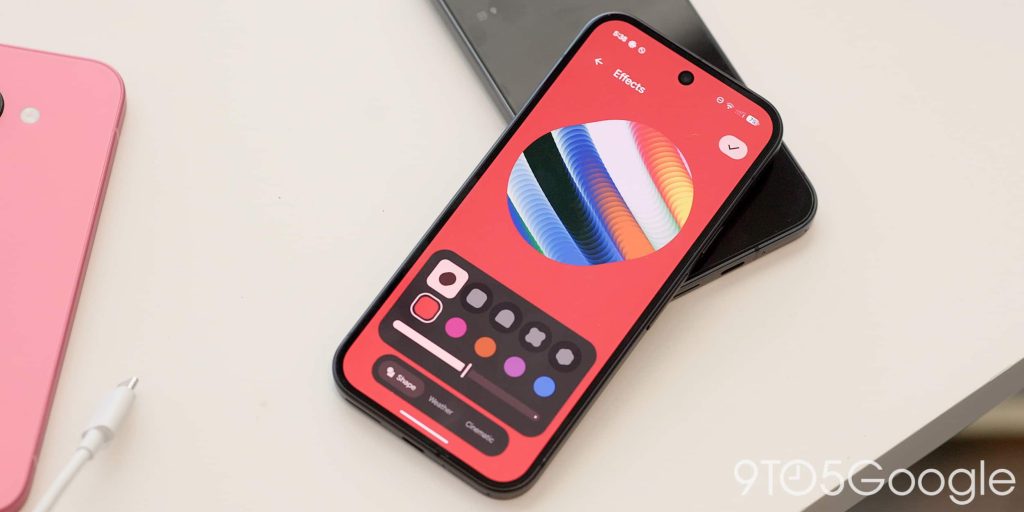
Pixel notification summaries are better than the iPhone’s, but does it matter?

0


This latest Pixel drop brought one of my biggest fears to Android: notification summaries. It’s something Apple botched in iOS 18 last year, and something I didn’t feel like Android needed given its top-tier notification management. After a week with the feature, though, I’m of two minds. Google is definitely doing this the “right” way, but does that mean I’m likely to leave this tool enabled for weeks to come? Unfortunately, not quite.

Let’s start with the good. In many ways, Google has clearly learned from a year’s worth of bad press scattered around Apple’s implementation of this feature. That’s an interesting case study; Apple tends to be the company that is “late” to the party, with the excuse that any time it is late to something, it gets it right on the first try. That was absolutely untrue with notification summaries, given their general bugginess, inaccuracies that bounced between hilarious and horrifying, and months of missing support for news apps after too many embarrassing slip ups.

Google, instead, is going for a far more manageable route. Notification summaries on Android are meant to only work with messaging apps in their current iteration. This support is fairly widespread — every messaging app installed on my Pixel 10 supports it — so if you’re interested in this tool, you know you’re going to get to use it no matter where you’re chatting from. It’s also focused on just summarizing group chats and long messages, so in theory, it’s only working when a summary would actually benefit you.

Of the summaries I’ve seen over the past week, most of them have been pretty accurate, correctly taking the language within any given notification and properly summing it up in a quickly digestible card. These notifications are clearly delineated as an AI-powered summary — full italics support a la Apple, along with AI’s tell-tale sparkle emoji. Because you’re only summarizing incoming messages, I think this is pretty vital to the feature’s success. If it’s going to be scattered among normal, non-AI alerts, it has to be obvious.

Advertisement – scroll for more content

Crucially, it also keeps things in first-person — at least, most of the time. A seasonally-appropriate text from my fiancée alerting me that the pie she’s baking will be done in the next hour, should I want her to run to the store, was correctly summarized and kept her use of “I,” meaning the alert still felt fairly personable. That’s a far cry from the third-person all-observant tone Apple’s notification summaries used in my experience, which felt cold and separate from the actual friend or loved one I was speaking with. It’s a good way to keep things human, which, above all else, is one of my biggest pet peeves with my AI experience to date.

Unfortunately, while Google has fixed plenty of the notification summary issues I found on iOS, it has failed to find an actual reason for me to keep these enabled. That pie-baking example might look good at first glance, but — and I manually counted this — it only saved 23 characters total off the original text. Does that save me any time? Does that deliver a more straightforward, streamlined thought? Not really, if I’m being perfectly honest.

Other examples from the past week are similar. Sure, a text about an upcoming delivery from Walmart is shorter in its AI-summarized format, but to what end? The full alert would’ve still been seen in my notification tray had I kept this feature off. Likewise, recent The Sideload podcast guest Ara Wagoner asked me over Instagram DMs if she needed to locally record her audio or if she could utilize her Chromebook, and while the AI did get that point across, it reads a bit jumbled — and, curiously, drops that first-person POV I just praised.

It can also fail to recognize mistakes in text messages, something that we humans are bound to do whenever we’re typing too quickly for our brains to keep up. One of my friends, in the midst of asking about upcoming Friendsgiving plans, accidentally sent a text to myself that was meant for one of his co-workers. I would’ve recognized this mistake immediately — and did, for the record — but Google’s AI summary of this conversation did not. Instead, it’s included in a round-up of these upcoming messages, and one that makes it more difficult to see that slip-up in the first place.

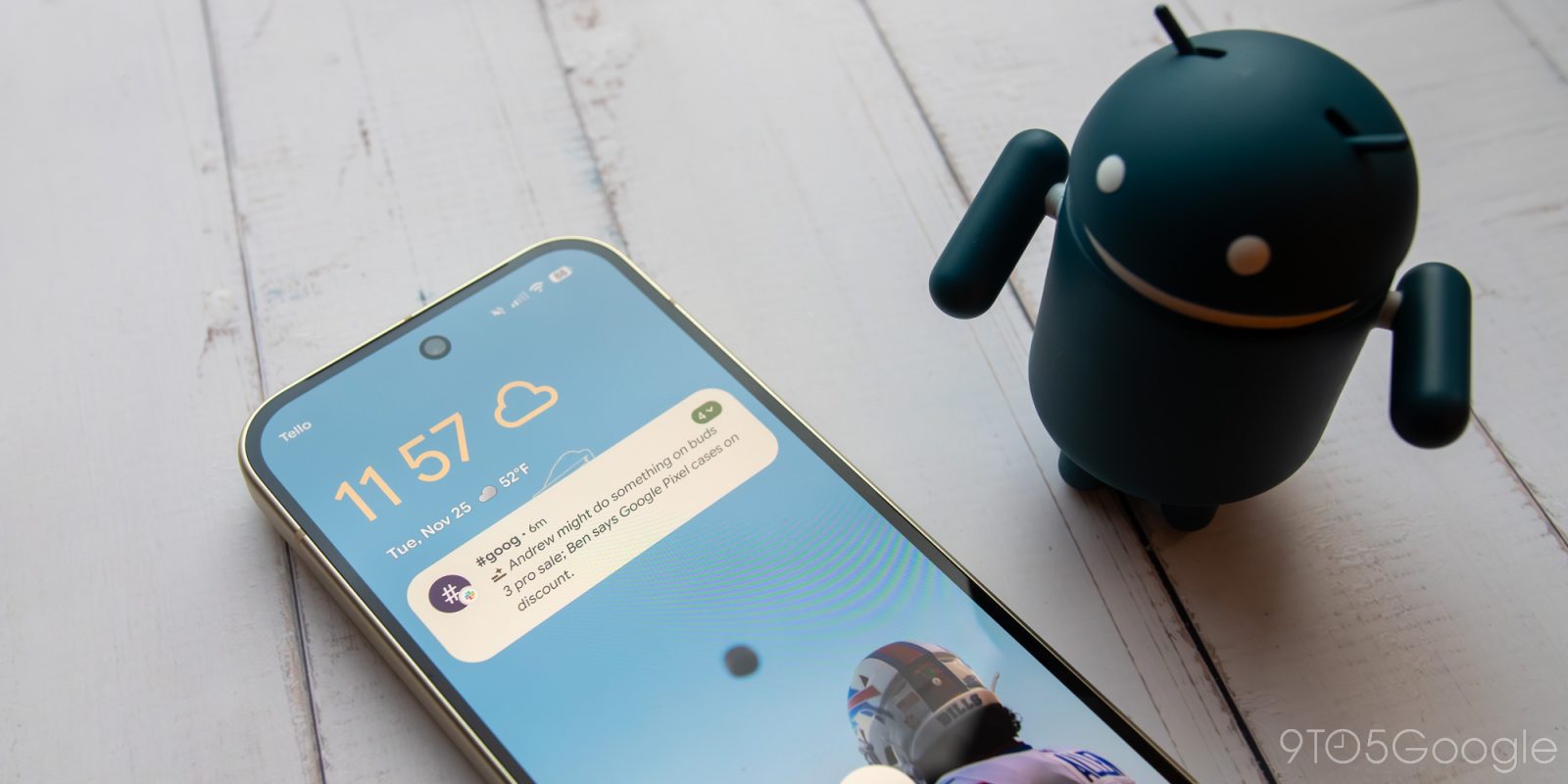
Unsurprisingly, Google’s summaries are probably best at trying to condense productivity or work-focused messages, particularly in a group chat. On paper, that makes it prime to shrink down some of the incoming Slack messages I might get throughout the day. And yet, I’ve really only seen it work once in this method, summarizing a couple of to-do messages shared between fellow 9to5 writers Andrew Romero and Ben Schoon. It took nearly the entire week for this example to pop up in my notifications, and unfortunately, it’s the only time where I felt actually assisted in its wake.

Google’s implementation here is undoubtedly better than Apple’s, even with the latter having a year’s head-start. And yet, I don’t feel like my Pixel 10 has proved to me that this tool really serves a purpose. Maybe it’s my always-connected state that simply renders notification summaries pointless, but I just can’t see the vision here. Android’s notification system is so good at presenting me what I need to know, trying to lay AI on top of it feels superficial at best, and superfluous at worst. While I’m sure this is just the beginning of what Google has planned for this feature, I think most people would be best served by keeping this disabled on their devices.

FTC: We use income earning auto affiliate links. More.


Source link

Powerball: See the winning numbers in Wednesday’s $681 million drawing

0


It’s time to grab your tickets and check to see if you’re a big winner! The Powerball lottery jackpot continues to rise after two lucky winners in Texas and another from Missouri won $1.8 billion in the September 6 drawing. Is this your lucky night?

Here are Wednesday’s winning lottery numbers:

07-08-15-19-28, Powerball: 03, Power Play: 3X

Double Play Winning Numbers

06-19-28-39-53, Powerball: 15

The estimated Powerball jackpot is $681 million. The lump sum payment before taxes would be about $315.7 million.

The Double Play is a feature that gives players in select locations another chance to match their Powerball numbers in a separate drawing. The Double Play drawing is held following the regular drawing and has a top cash prize of $10 million.

Powerball is held in 45 states, the District of Columbia, the U.S. Virgin Islands and Puerto Rico. The Double Play add-on feature is available for purchase in 13 lottery jurisdictions, including Pennsylvania and Michigan.

A $2 ticket gives you a one in 292.2 million chance at joining the hall of Powerball jackpot champions.

The drawings are held at 10:59 p.m. Eastern, Mondays, Wednesdays and Saturdays. The deadline to purchase tickets is 9:45 p.m.

If you purchase a product or register for an account through a link on our site, we may receive compensation. By using this site, you consent to our User Agreement and agree that your clicks, interactions, and personal information may be collected, recorded, and/or stored by us and social media and other third-party partners in accordance with our Privacy Policy.


Source link

Nordic founders are taking bigger swings, and it’s paying off

0


Ten years ago, raising €1 million in Copenhagen was enough to make waves in the region’s tech scene. Today, the Nordics are turning out billion-dollar companies like Lovable — which hit $200 million in revenue just 12 months after launching. 

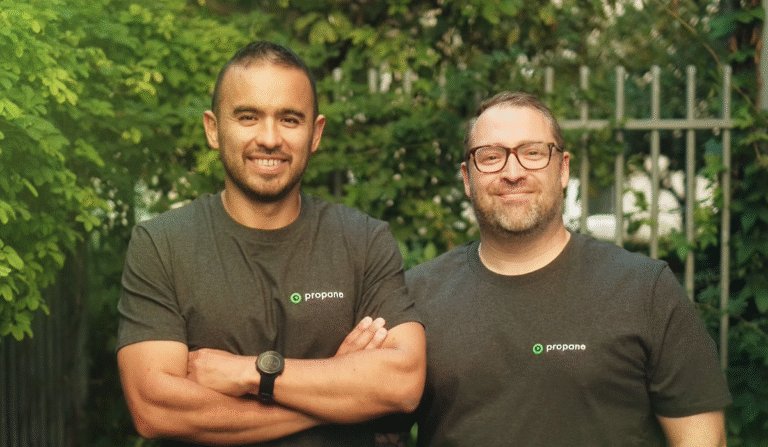
Dennis Green-Lieber, founder of AI-powered customer intelligence platform Propane, has had a front-row seat to that shift over the last 15 years. His take? The region’s social safety net gives founders room to take real swings without putting their personal lives on the line, and they’re accelerating faster than Silicon Valley as a result. 

Today on TechCrunch’s Equity podcast, Dominic-Madori Davis caught up with Green-Lieber to talk about the Nordic startup ecosystem, from its collaborative culture to its deep tech future. 

Subscribe to Equity on Apple Podcasts, Overcast, Spotify and all the casts. You also can follow Equity on X and Threads, at @EquityPod. 


Source link