Home Blog Page 14

Anthropic taps former Microsoft India MD to lead Bengaluru expansion

0


Anthropic has appointed Irina Ghose, a former Microsoft India managing director, to lead its India business as the U.S. AI startup prepares to open an office in Bengaluru. The move underscores how India is becoming a key battleground for AI companies looking to expand beyond the U.S. for major growth markets.

Ghose brings deep big-tech operating experience to the role. She spent 24 years at Microsoft before stepping down in December 2025. Her appointment gives Anthropic a seasoned executive with local enterprise and government relationships as it gears up to establish an on-the-ground presence in one of the world’s fastest-growing AI markets.

India has become one of Anthropic’s most strategically important markets, with the country already ranking as the second-largest user base for Claude and usage heavily skewing toward technical and work-related tasks, including software development. Arch-rival OpenAI is also sharpening its focus on the market with plans to open an office in New Delhi — a sign India is fast becoming one of the most contested arenas in the global race to commercialize generative AI.

While India offers enormous scale — with more than a billion internet subscribers and over 700 million smartphone users — converting that reach into meaningful revenue has proven difficult, pushing AI companies to experiment with aggressive pricing and promotions. OpenAI last year introduced ChatGPT Go, its under-$5 plan aimed at attracting Indian users, and later made it available free for a year in the country.

Similar dynamics are playing out for Anthropic: its Claude app recorded a 48% increase from the previous year in downloads in India in September, reaching about 767,000 installs, while consumer spending surged 572% to $195,000 for the month, per Appfigures — still modest compared with the U.S., where September spending hit $2.5 million.

Anthropic has been stepping up its engagement in India at the highest levels. Chief executive Dario Amodei visited in October and met corporate executives and lawmakers, including Prime Minister Narendra Modi, to discuss the company’s expansion plans and growing adoption of its tools. Anthropic had also explored a potential partnership with billionaire Mukesh Ambani’s Reliance Industries to broaden access to Claude, as TechCrunch reported previously. Reliance, however, ultimately struck a deal with Google to offer its Gemini AI Pro plan free to Jio subscribers. That move came as rival Bharti Airtel partnered with Perplexity to bundle access to its premium subscription, underscoring how India’s telecom giants have become critical distribution gatekeepers in the race to scale consumer AI services.

In a LinkedIn post announcing the move, Ghose said she would focus on working with Indian enterprises, developers and startups adopting Claude for “mission-critical” use cases, pointing to growing demand for what she described as “high-trust, enterprise-grade AI.” She added that AI tailored to local languages could be a “force multiplier” across sectors including education and healthcare — signaling Anthropic’s intent to deepen adoption beyond early tech users into larger institutions and the public sector.

Techcrunch event

San Francisco
|
October 13-15, 2026

The push by Anthropic, OpenAI, and Perplexity comes as India’s homegrown GenAI ecosystem remains relatively early-stage. While the country has a deep pool of software talent and a fast-growing base of AI users, it has produced few startups building large foundation models, with investors instead largely backing application-layer companies rather than committing the scale of capital typically required to train frontier systems.

The appointment also comes ahead of India’s AI Impact Summit 2026 in February, where the Indian government is expected to bring together AI startups, global CEOs, and industry experts to discuss the next phase of AI deployment in the country. The summit is part of New Delhi’s broader effort to signal support for domestic AI development and position India as a serious player in the global AI landscape, as competition intensifies across major markets.

Anthropic is also building out its India team, with job listings for roles including startup and enterprise account executives as well as a partner sales manager, signaling a push to deepen its go-to-market efforts and tap Indian businesses and startups as customers as it expands its presence in the country.

For Anthropic, the hire adds senior local leadership as it looks to turn India’s surging usage into a durable business, navigating a market where distribution partnerships, pricing pressure, and enterprise adoption will shape which AI players emerge as long-term winners.

Source link

Ray's Blocked Engadget Test Article

0


This article is blocked.

This article originally appeared on Engadget at https://www.engadget.com/general/rays-blocked-engadget-test-article-031847986.html?src=rss


Source link

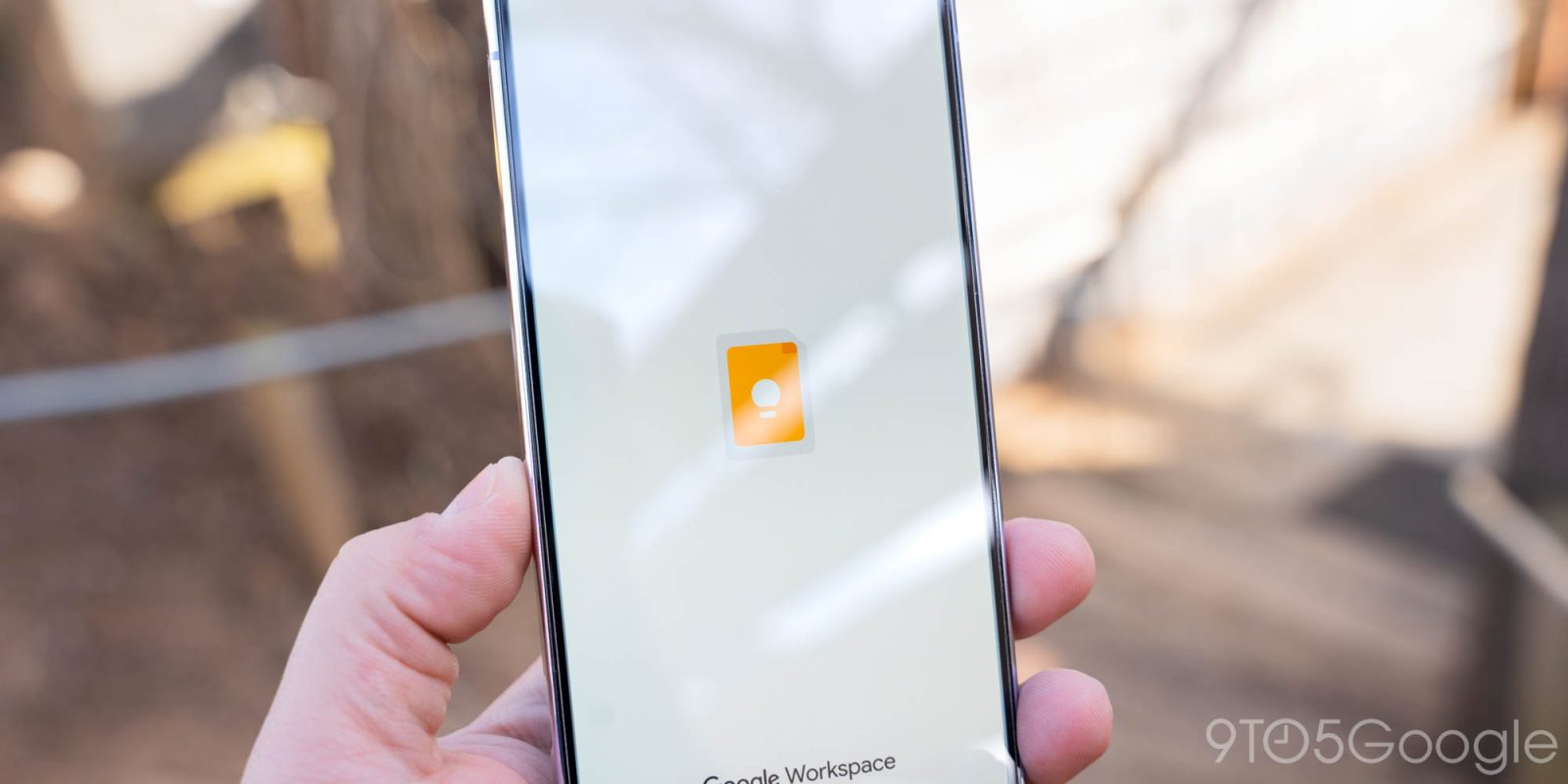
Google Keep reminders migration to Tasks more widely rolling out

0


After starting last year, Google Keep is more widely rolling out the Google Tasks migration. This is a server-side update that we’re now seeing on all of our Google Accounts today.

Back in November, we started seeing Google Tasks replace “Google Keep reminders.” Once live on your account, you’ll see the “Reminders are now Google Tasks” prompt. This is a simultaneous rollout on Android, iOS, and the web.

View, edit and complete your reminders from Keep, Calendar, Tasks, Assistant, and Gemini.

Additionally, Google Tasks will create a new “Old Google Keep reminders” list. (Open the three-dot overflow icon in the top-right to delete.)

Tapping the bell icon will show an updated “Remind me later” bottom sheet that gains the Google Tasks icon:

Advertisement – scroll for more content

  • Tomorrow morning
  • Tomorrow evening
  • Next [week]
  • Pick a date & time

The option for location reminders is no longer supported, with existing places added to the task description. 

These reminders will appear in the Google Tasks app and Google Calendar grid with a “From Keep” label that conveniently opens the note.

In the Keep navigation drawer, the Reminders list or grid view remains available. The FAB (floating action button) creates a note with a set reminder.

However, Google Keep will no longer send you notifications for reminders. This functionality is now handled by the Google Calendar or Tasks app. 

If you delete from Keep, Google will ask if you want to remove both the reminder and note, or just the latter.

You can change the date/time of reminders from Keep, Tasks, or Calendar, but the title of a reminder must be edited using Tasks or Calendar. Any app can mark them as complete. 

Overall, this migration is pretty straightforward, but there are some edge cases you might encounter:


  • Long reminders: If your Keep reminder is too long, its title is shortened after it migrates to Tasks.
  • Limits on tasks: You can have up to 100,000 tasks. If the number of Keep reminders is more than the task limit, the oldest reminders don’t migrate to Tasks.
  • Pending tasks: You can find a list of all “Pending tasks” from the last 365 days in the “All-day” section of your calendar for the current day.
  • Repeating tasks: If you have a task that repeats more than every 1,000 days, weeks, months, or years, we adjust the recurrence schedule to be once every 1,000 days, weeks, months, or years. For example, a task that repeats every 2,000 days is adjusted to every 1,000 days.
    • Reminders that don’t repeat and are older than a year are added to an “Old Google Keep Reminders” list.
  • Tasks beyond the year 3000: Any tasks with dates beyond the year 3000 are adjusted to the year 2900.

FTC: We use income earning auto affiliate links. More.


Source link

Marshfield police officer on leave after getting in serious multi-car crash

0


The Marshfield Police Department put an officer on administrative leave this week after he was involved in a serious multi-car crash Sunday evening.

Several 911 callers reported the crash on Route 139 shortly after 9 p.m., stating that one car had flipped over and that multiple people were injured, Marshfield police said in a press release on Friday. Marshfield police and firefighters who responded to the scene found that a Jeep, a Hyundai Elantra and a Honda Civic had collided.

A preliminary investigation indicates that the Jeep was traveling west at a high rate of speed when it passed a tow truck by crossing over solid double yellow lines into the eastbound lane, police said. The Jeep then tried to pass the Hyundai Elantra, again by crossing solid double yellow lines.

The Civic was traveling east on the road as the Jeep tried to pass the Elantra, and the Jeep hit the Civic head-on, police said. The Elantra was also struck during the crash.

The driver of the Civic became trapped inside their car and had to be freed by firefighters, police said. The Jeep driver was able to get out of their car on their own.

Both drivers were taken by ambulance to nearby hospitals with serious, but not life-threatening injuries, police said. The Hyundai driver wasn’t injured in the crash.

How Marshfield police are handling the situation

The Jeep driver was identified as an off-duty Marshfield police officer, police said. The officer has been charged with reckless operation of a motor vehicle and two civil driving infractions in connection with the crash, and may face further charges as the investigation by Marshfield and State Police continues.

“No matter who you are or what position you hold, conduct that endangers the public will be addressed through the appropriate legal process,” Marshfield Police Chief Phillip Tavares said in the press release.

Following the crash, the officer was immediately placed on leave from Marshfield police, and the state police oversight commission was notified. Additionally, the police department plans to hire an independent, third-party organization to investigate the incident and present its findings “for appropriate criminal review.”

“This department is committed to full transparency and accountability,” Tavares said in the release. “A full and complete investigation is being conducted into this incident. The fact that the operator was a police officer will not alter the scope, direction or integrity of this investigation in any way.”

Marshfield police did not identify the officer involved in the crash on Friday, but WCVB identified the officer as Richard Perry.


Source link

Taiwan to invest $250B in US semiconductor manufacturing

0


The Trump administration signed a notable multi-billion-dollar trade deal with Taiwan that’s designed to help the United States boost domestic semiconductor manufacturing.

Under the deal announced by the U.S. Department of Commerce on Thursday, Taiwanese semiconductor and tech companies have agreed to make direct investments of $250 billion into the U.S. semiconductor industry. These investments will span across semiconductors, energy and AI “production and innovation,” according to a press release. Taiwan currently produces more than half of the world’s semiconductors.

Taiwan will also supply an additional $250 billion in credit guarantees for additional investments from these semiconductors and tech enterprises, according to the commerce department. The time period of these investments is unclear.

In return, the U.S. will invest in Taiwan’s semiconductor, defense, AI, telecommunications and biotech industries. The press release did not specify a specific dollar amount tied to the U.S.’s side of the deal.

The news comes the day after the Trump administration published a proclamation that reiterated the country’s goal to bring more semiconductor manufacturing back to the United States and acknowledged the process would take time as only 10% of semiconductors are produced stateside.

“This dependence on foreign supply chains is a significant economic and national security risk,” the proclamation stated. “Given the foundational role that semiconductors play in the modern economy and national defense, a disruption of import-reliant supply chains could strain the United States’ industrial and military capabilities.”

The proclamation, which announced 25% of tariffs on some advanced AI chips, also stated that once trade talks with other countries — like this deal with Taiwan — are complete, there would be additional semiconductor tariffs.

Techcrunch event

San Francisco
|
October 13-15, 2026


Source link

Flaw in 17 Google Fast Pair audio devices could let hackers eavesdrop

0


Now would be a good time to update all your Bluetooth audio devices. On Thursday, Wired reported on a security flaw in 17 headphone and speaker models that could allow hackers to access your devices, including their microphones. The vulnerability stems from a faulty implementation of Google’s one-tap (Fast Pair) protocol.

Security researchers at Belgium’s KU Leuven University Computer Security and Industrial Cryptography group, who discovered the security hole, named the flaw WhisperPair. They say a hacker within Bluetooth range would only require the accessory’s (easily attainable) device model number and a few seconds.

“You’re walking down the street with your headphones on, you’re listening to some music. In less than 15 seconds, we can hijack your device,” KU Leuven researcher Sayon Duttagupta told Wired. “Which means that I can turn on the microphone and listen to your ambient sound. I can inject audio. I can track your location.” The researchers notified Google about WhisperPair in August, and the company has been working with them since then.

Fast Pair is supposed to only allow new connections while the audio device is in pairing mode. (A proper implementation of this would have prevented this flaw.) But a Google spokesperson told Engadget that the vulnerability stemmed from an improper implementation of Fast Pair by some of its hardware partners. This could then allow a hacker’s device to pair with your headphones or speaker after it’s already paired with your device.

“We appreciate collaborating with security researchers through our Vulnerability Rewards Program, which helps keep our users safe,” a Google spokesperson wrote in a statement sent to Engadget. “We worked with these researchers to fix these vulnerabilities, and we have not seen evidence of any exploitation outside of this report’s lab setting. As a best security practice, we recommend users check their headphones for the latest firmware updates. We are constantly evaluating and enhancing Fast Pair and Find Hub security.”

The researchers created the video below to demonstrate how the flaw works

In an email to Engadget, Google said the steps required to access the device’s microphone or audio are complex and involve multiple stages. The attackers would also need to remain within Bluetooth range. The company added that it provided its OEM partners with recommended fixes in September. Google also updated its Validator certification tool and its certification requirements.

The researchers say that, in some cases, the risk applies even to those who don’t use Android phones. For example, if the audio accessory has never been paired with a Google account, a hacker could use WhisperPair to not only pair with the audio device but also link it to their own Google account. They could then use Google’s Find Hub tool to track the device’s (and therefore your) location.

Google said it rolled out a fix to its Find Hub network to address that particular scenario. However, the researchers told Wired that, within hours of the patch’s rollout, they found a workaround.

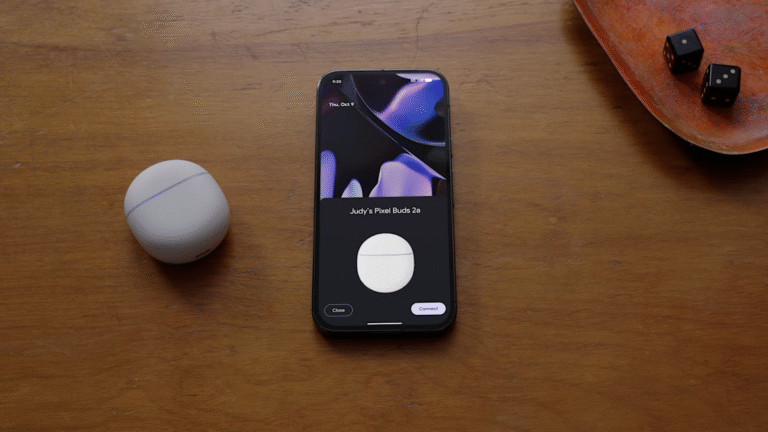
The 17 affected devices are made by 10 different companies, all of which received Google Fast Pair certification. They include Sony, Jabra, JBL, Marshall, Xiaomi, Nothing, OnePlus, Soundcore, Logitech and Google. (Google says its affected Pixel Buds are already patched and protected.) The researchers posted a search tool that lets you see if your audio accessories are vulnerable.

In a statement sent to Engadget, OnePlus said it’s investigating the issue and “will take appropriate action to protect our users’ security and privacy.” We also contacted the other accessory makers and will update this story if we hear back.

The researchers recommend updating your audio devices regularly. However, one of their concerns is that many people will never install the third-party manufacturer’s app (required for updates), leaving their devices vulnerable.

The full report from Wired has much more detail and is worth a read.


Source link

MediaTek’s new Dimensity 9500s is ready for ‘flagship killers’

0


One big trend in Android in recent years has been positioning self-proclaimed “flagship killer” smartphones at a lower price point by dropping down to a last-gen or step-down chipset. With its new Dimensity 9500s and Dimensity 8500 chipsets, MediaTek is looking to power those devices.

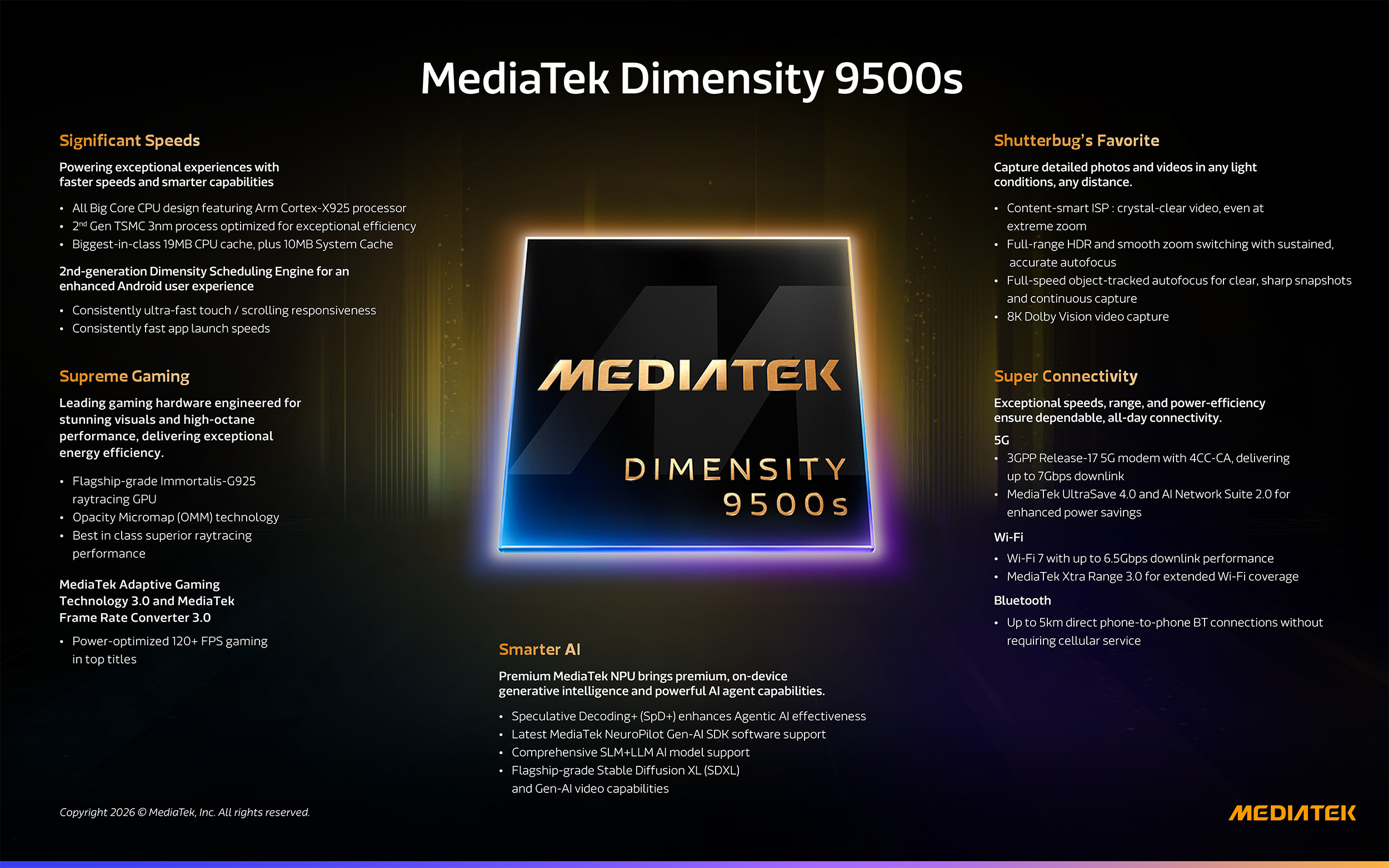
Announced today, the new MediaTek Dimensity 9500s chipset is a 3nm chip that offers a minor step down from the full flagship Dimensity 9500 that launched last year. The chip breaks down into “one Cortex-X925 ultra core with a clock speed of up to 3.73GHz, three Cortex-X4 premium cores, and four Cortex-A720 performance cores.” By comparison, the standard Dimensity 9500 is another “All Big Core” setup, using Arm’s C1-Ultra, C1-Premium, and C1-Pro cores.

Dimensity 9500s further uses an Immortalis-G925 GPU and MediaTek touts that the chip is “optimized for generative reasoning and multi-modal models” – or, in other words, that it’s still plenty powerful for on-device AI tasks.

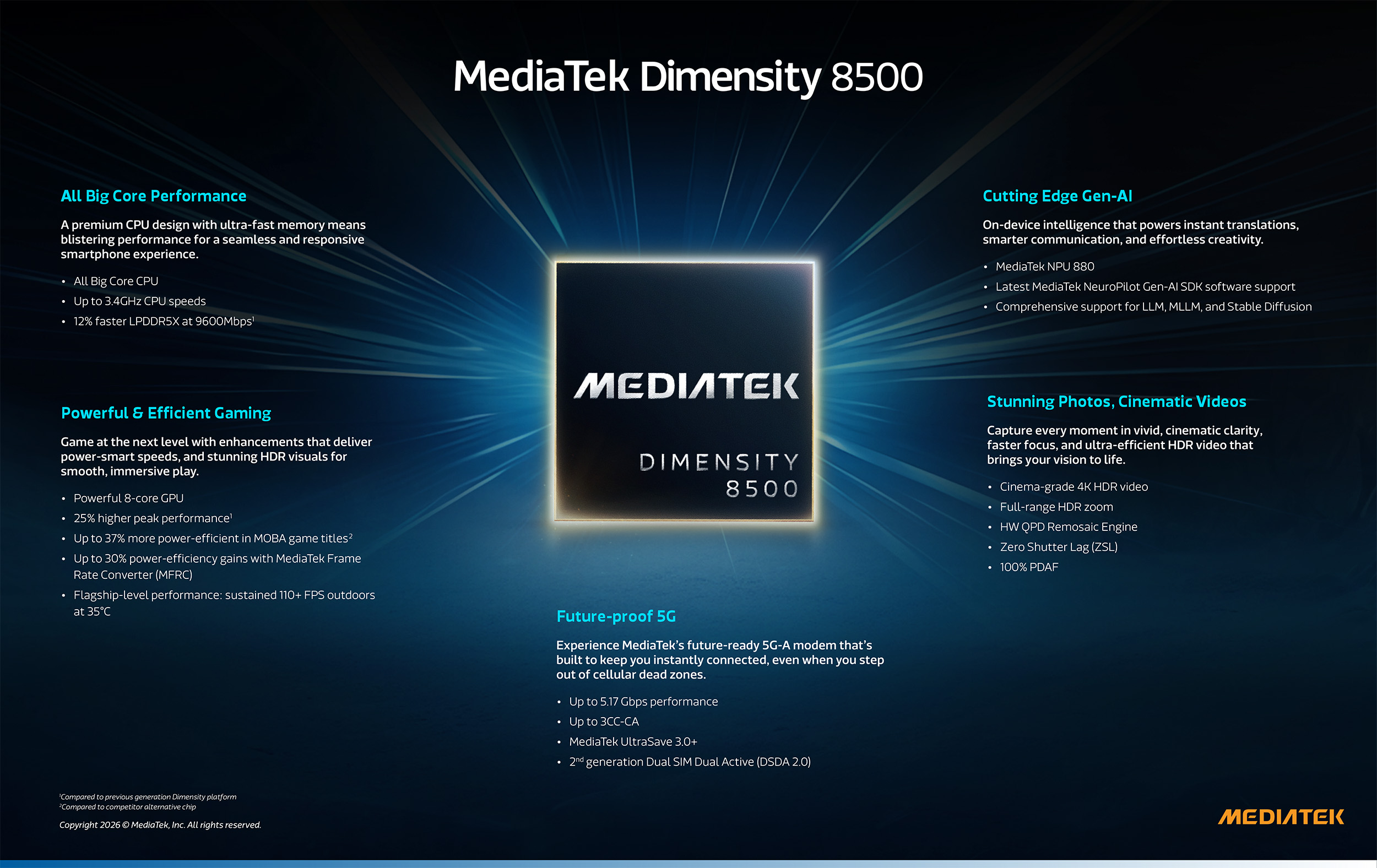
Meanwhile, MediaTek Dimensity 8500 takes things down one more step with a 4nm process and an “All Big Core” build consisting of eight Cortex-A725 cores. That’s paired with a Mali-G720 GPU.

Advertisement – scroll for more content

Both chips should be plenty powerful, just not quite to the same extent as MediaTek’s flagship. MediaTek hasn’t announced any imminent partners for either the Dimensity 9500s nor the Dimensity 8500, but it seems likely they’ll start showing up in Android phones in the months to come.


Follow Ben: Twitter/XThreads, Bluesky, and Instagram

FTC: We use income earning auto affiliate links. More.


Source link

‘95% complete’: Vineyard Wind 1 sues Trump admin. over halted offshore wind lease

0


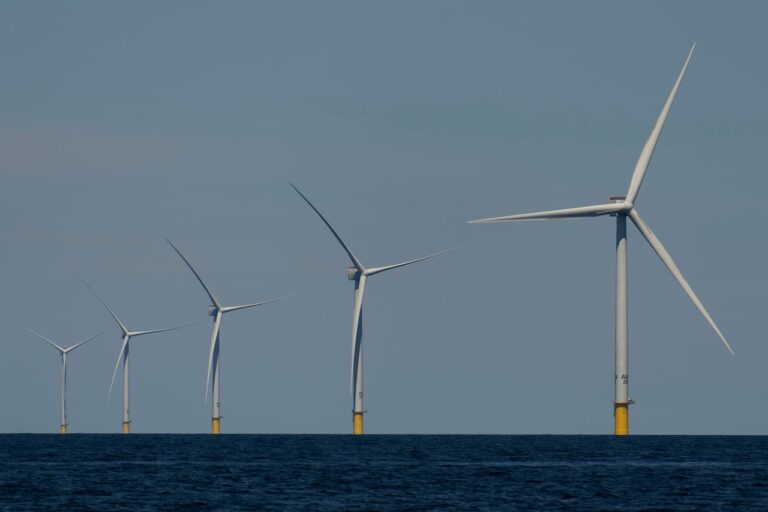
Vineyard Wind 1 is suing the Trump administration for halting its federal lease off the coast of Massachusetts, calling the project “95% complete” at this point.

In its lawsuit complaint filed Thursday, Vineyard Wind 1 states that 61 of the 62 planned turbines are built and 44 turbines are already producing energy. To date, $4.5 billion has been invested, the complaint reads.

The project is incurring approximately $2 million per day during the work stop order, Vineyard Wind wrote, arguing that if the directive is allowed to remain in effect for 90 days, the project will lose access to a “specialized installation vessel” it currently has under a time-sensitive contract.

There are also 750 active jobs at risk.

On Dec. 22, 2025, the federal government halted five offshore wind leases for projects currently under construction on the East Coast, including two in New England waters — Vineyard Wind 1 and Revolution Wind.

Representing a major escalation in President Donald Trump’s efforts to stifle offshore wind development nationally, his administration cited a need to address national security concerns, including potential interference with military radar systems.

This week, a U.S. District Court judge overturned the order for Revolution Wind, located off Connecticut and Rhode Island. According to reporting by Politico, in the judge’s ruling from the bench, he said the government failed to explain why new information from the Department of Defense warranted a halt to construction.

Likely looking to capitalize on Revolution Wind’s victory, Vineyard Wind 1 filed suit in the U.S. District Court of Massachusetts on Thursday, arguing the federal government exhibited “abuse of discretion.”

Vineyard Wind 1 is asking a federal judge to declare the Bureau of Ocean Energy Management’s order unlawful and allow the project to resume activities.

The project is located 15 miles south of Martha’s Vineyard and Nantucket. Once fully operational, it is expected to generate energy for more than 400,000 homes and businesses across the state.

Trump’s history against offshore wind

When Trump returned to the Oval Office in January 2025, one of his first matters of business was to sign an executive order that halted all new offshore wind leases in federal waters.

The order directed the Secretary of the Interior to “conduct a comprehensive review of the ecological, economic and environmental necessity of terminating or amending any existing wind energy leases, identifying any legal bases for such removal.”

At the time, wind energy advocates speculated that Trump couldn’t touch already permitted projects, particularly those closest to the finish line.

In December, a federal judge issued a final judgment that formally invalidated implementation of the administration’s moratorium on offshore wind permitting.

In late August 2025, Trump pulled the plug on $34 million in funding for the Salem Wind Port project — and in turn eliminated 800 construction jobs.


Source link

Microsoft taps India’s Varaha for durable carbon removal offtake

0


Microsoft has signed a deal with Indian startup Varaha to buy more than 100,000 tons of carbon dioxide removal credits over the next three years, through 2029, expanding its portfolio of carbon removal projects as the tech giant scales up AI and cloud operations.

The project will turn cotton crop waste, which is often burned after harvest, into biochar — a charcoal-like material that can be added to soil, storing carbon for long periods while also helping reduce air pollution from open-field burning. It will initially focus on the western Indian state of Maharashtra and involve around 40,000–45,000 smallholder farmers.

The agreement comes as large corporations, including Microsoft, ramp up spending on carbon removal — projects designed to physically remove carbon dioxide from the air. The Redmond-based software maker is working toward its goal of becoming carbon-negative by 2030. However, Microsoft’s total greenhouse gas emissions rose 23.4% in fiscal year 2024 from a 2020 baseline, primarily driven by value-chain emissions linked to its growing cloud and AI business. Microsoft has not yet reported on its carbon progress for 2025.

With the rapid expansion of AI operations, energy use and emissions are rising, pushing companies to look beyond the U.S. for carbon removal projects that can take carbon dioxide out of the atmosphere. India has increasingly emerged as an attractive market for such projects because of its large volumes of agricultural waste and the scale of its farming economy.

Varaha will develop 18 industrial reactors that will operate for 15 years, with a total projected removal volume exceeding 2 million tons of carbon dioxide over the project’s lifetime, the companies said in a statement on Thursday.

One of the biggest gaps in carbon removal markets is not just installing equipment to produce biochar, but running projects reliably and navigating a stringent process to issue credits. Varaha’s ability to deliver credits at scale helped it emerge as the world’s second-largest player in durable carbon deliveries and drew Microsoft’s attention, co-founder and CEO Madhur Jain said in an interview.

A Farmer spreading Biochar in their farm to enhance soil qualityImage Credits:Varaha

Microsoft’s requirements for digital monitoring, reporting, and verification meant Varaha had to build bespoke systems in-house, Jain told TechCrunch, adding that working with tens of thousands of smallholder farmers in India makes tracking and logistics far more complex than biochar projects in the U.S. or Europe that rely on biomass concentrated at a single industrial site.

Techcrunch event

San Francisco
|
October 13-15, 2026

“More than 30% of our team has worked in agriculture,” Jain said, adding that the experience has helped Varaha design systems that work on the ground with farmers.

The project’s first reactor will be located next to Varaha’s 52-acre cotton research farm in Maharashtra, where the startup works with farmers to test practices such as applying biochar to soil under real-world conditions. The startup plans to scale up to 18 reactors across India’s cotton-growing belt under Microsoft’s commitment.

Varaha has rapidly scaled its biochar operations over the past year, Jain said. In 2025, it processed about 240,000 tons of biomass, producing roughly 55,000–56,000 tons of biochar and generating around 115,000 credits, up from around 15,000–18,000 a year earlier, he added.

The startup expects volumes to rise further as new contracts kick in, with Jain saying it aims to at least double its 2025 throughput in 2026 to around half a million tons of biomass and close to 250,000 tons of carbon sequestered.

Currently, Varaha has 20 projects in total across India, Nepal, and Bangladesh — 14 in advanced stages and another six in early stages — spanning regenerative agriculture, biochar, agroforestry, and enhanced rock weathering and works with around 150,000 farmers. These projects have the potential to sequester about 1 billion tons of carbon dioxide over lifetimes ranging from 15 to 40 years, Jain said.

A Gassifer to convert biomass into biocharImage Credits:Varaha

Beyond carbon credits, the latest project aims to reduce open burning of cotton stalks, which contributes to seasonal air pollution in parts of India, while returning biochar to farms to improve soil health and reduce dependence on chemical fertilizers.

“This offtake agreement broadens the diversity of Microsoft’s carbon removal portfolio with Varaha’s biochar project design that is both scalable and durable,” said Phil Goodman, Microsoft’s CDR program director, in a prepared statement.

While the Varaha deal highlights Microsoft’s push to diversify its carbon removal portfolio, the volumes remain small compared with its overall footprint, as the software giant reported (PDF) total greenhouse gas emissions of 15.5 million metric tons of carbon dioxide equivalent in FY2024.

Microsoft contracted for about 22 million metric tons of carbon removals in FY2024 as part of its carbon-negative strategy. In recent months, Microsoft has signed a string of large carbon removal agreements. These include backing AtmosClear’s Louisiana project to remove 6.75 million metric tons of carbon dioxide over 15 years, and agreeing to buy 3.6 million carbon removal credits from a biofuels plant in Louisiana owned by C2X.

Like Microsoft, Google has also been signing carbon removal deals as the rapid AI advancements push up energy use and emissions. Google agreed to buy 100,000 tons of carbon removal credits from Varaha in January 2025, as its largest biochar deal.

Since its inception in 2022, Varaha has raised around $50 million across different instruments. The startup counts RTP Global, Omnivore, Orios Venture Partners, IMC Pan Asia Alliance Group’s Octave Wellbeing Economy Fund, and Japan’s Norinchukin Bank among its backers. In November, Mirova — a French climate-focused investment firm backed by Kering and other corporate investors — invested $30.5 million in Varaha to expand its regenerative farming program.


Source link

Verizon says its service is back after a 10-hour outage

0


Verizon’s network is experiencing technical issues that are impacting calls and wireless data. Verizon customers on X have reported seeing “SOS” rather than the traditional network bars on their smartphones, and even the network provider’s own status page struggled to load, likely due to the number of customers trying to access it.

Based on the experience of Verizon users on Engadget’s staff, the services that are impacted appear to be calls and wireless data. Text messages continue to be delivered normally, at least for some users. On DownDetector, reports of a Verizon outage started growing around 12PM ET and numbered in the hundreds of thousands at their peak.

DownDetector also shows spikes in outage reports on competing networks like AT&T and T-Mobile, but in terms of magnitude, they’re much smaller than the issue Verizon is facing. For example, Verizon peaked at 181,769 reports, while AT&T’s was just 1,769 reports. The difference between the two is great enough that those AT&T reports could be from people trying to contact Verizon customers and thinking that their personal network was the problem.

In a post on the cell provider’s news account on X, Verizon acknowledged the issues with its network. “We are aware of an issue impacting wireless voice and data services for some customers,” Verizon wrote. “Our engineers are engaged and are working to identify and solve the issue quickly. We understand how important reliable connectivity is and apologize for the inconvenience.”

Based on DownDetector’s map of outage reports, issues with Verizon’s network appear to be concentrated in major cities in the eastern United States. The majority of reports appear to be coming out of Boston, New York and Washington DC, though the map also shows growing hot spots in Chicago, San Francisco and Los Angeles.

At 2:14PM ET, Verizon shared on X that its engineering teams “remain fully deployed” to work on fixing the outage. The company didn’t share when the issue would resolved or how many of its customers are currently impacted. Reports on DownDetector have dropped since their peak at 12:43PM ET, but thousands of Verizon customers are still noticing issues with the service.

As of 3:09PM ET, Verizon has yet to share more information about the recovery of the company’s cell network. Some Verizon customers on X have noticed their cell service returning, but it’s not clear if this means the network’s technical issues have been fixed.

At 4:06PM ET, nearly two hours since the company’s last statement, at least one member of Engadget’s staff reports their service has been restored. The connectivity issues are still affecting Verizon customers, however. DownDetector received over 55,000 outage reports as recently as 3:47PM ET.

Verizon posted at 4:12PM ET that work continues on addressing the outage, but the issue hasn’t been completely fixed. According to the company, its team is “on the ground actively working to fix today’s service issue that is impacting some customers.”

As of 4:52PM ET, the Verizon’s network has been experiencing issues for around four hours, making today’s outage nearly as long as the last major outage the company had in 2024. Like that 2024 outage, Verizon has yet to share what exactly is causing the issues with its network. Without out an official update, it’s safe to assume the company is still working on a fix.

At 5:41PM ET, DownDetector latest tally still shows over 46,000 people reporting issues with Verizon’s network. Based on the platform’s map, the same cities are filing the bulk of the outage reports, though reporting appears more diffuse than before as news of the outage has spread across the country.

At 6:20PM ET, the situation was much the same. Tens of thousands of users (including Engadget editors) still don’t have proper service, and Verizon had not updated its customers since 4:12PM ET. There are intermittent reports of service coming back and then failing again but seemingly no true fix has been deployed.

At 10:20PM ET, Verizon has announced that the outage has been resolved and has encouraged subscribers still having issues to restart their devices to reconnect to the network. The company also said that it will provide account credits to affected customers.

Both T-Mobile and AT&T have confirmed that their own networks are unaffected by the issues facing their competitor. In a post on X, T-Mobile shared that its network is “operating normally and as expected.” Meanwhile, AT&T says that for any of its customers experiencing issues, “it’s not us…it’s the other guys.”

Update, January 14, 7:25PM ET: This article was published as a developing story and was updated multiple times over a period of around seven hours. These updates were additive, and noted with a timestamp within the article. As of writing, Verizon is still down for tens of thousands of users and the company’s support team has not issued an update on the stituation in over three hours. Happy Wednesday!

Update January 14, 10:39PM ET: This story has been updated to add Verizon’s latest update that the outage has been resolved.


Source link