YouTube TV customers have lost access to ABC, ESPN, and other Disney-owned channels this evening as a contract between Google and Disney failed to reach a renewal in negotiations, and it results in over 20 channels going dark.
In recent months, YouTube TV has seen some of its major broadcast partners reach their contract renewals, and it’s led to heated negotiations and last-minute deals for names such as Fox and NBC. But in its latest battle with Disney, YouTube TV has failed to reach a new deal and, as a result, 21 major channels have disappeared from the service.
As of October 30 at around 11pm ET/8pm PT, Disney channels went dark on YouTube TV for all customers. This includes not only the channels listed below, but also any recordings or on-demand content customers had saved to their library.
The list of affected channels includes:
Advertisement – scroll for more content
ABC
ESPN
ESPN2
Freeform
FX
FXX
Disney Junior
SEC Network
Nat Geo
Nat Geo Wild
Disney Channel
ESPNU
FXM
ABC News Live
ACC Network
Disney XD
Localish
ESPNews
ESPN Deportes (Spanish Plan)
Baby TV Español (Spanish Plan)
Nat Geo Mundo (Spanish Plan)
On a support page, Google explains that it will “not agree to terms that disadvantage our members while benefitting Disney’s own live TV products.” Google adds that if Disney channels remain unavailable “for an extended period of time,” customers will receive a $20 credit to compensate for the removal.
As of October 30, 2025, our agreement with Disney has expired, and their content is not currently available on YouTube TV. Each time we renew our contracts with network partners, we advocate for fair pricing and greater flexibility to offer our subscribers the best possible live TV experience. Our current agreement with Disney has approached its renewal date, and we will not agree to terms that disadvantage our members while benefiting Disney’s own live TV products.
It’s our goal to restore Disney content to YouTube TV, but if we can’t reach an agreement and their content is unavailable for an extended period of time, we’ll offer our subscribers a $20 credit. You can continue to watch Disney’s sports programming by signing up for ESPN directly.
As for recordings, Google adds that if a new deal with Disney is reached, YouTube TV customers will automatically get their prior recordings back.
It’s unclear when, if at all, Disney and YouTube TV will reach a new deal. A report earlier today revealed that Google was looking for better prices for content, as well as a shorter contract than the industry standard. Disney is notably the owner and operator of Hulu + Live TV, too, meaning there’s a bit less to lose if a YouTube TV deal isn’t struck.
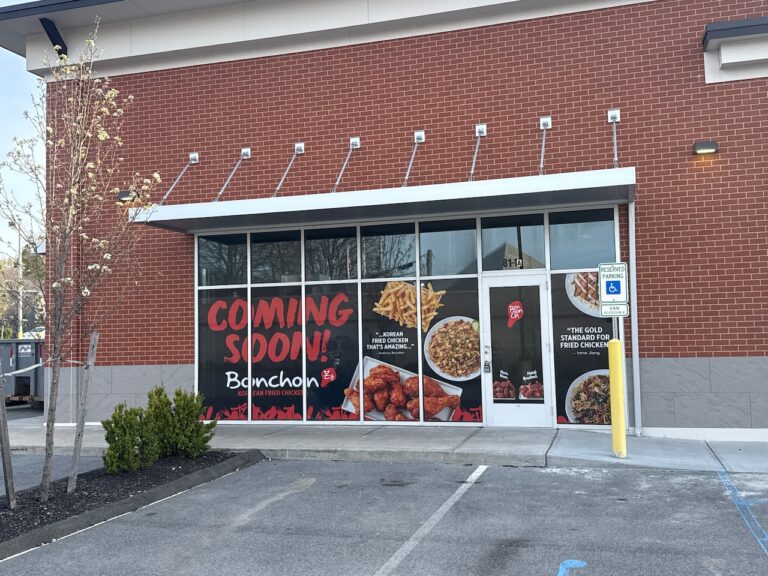
The opening date for a Korean Fried Chicken restaurant in Worcester has been pushed from Oct. 29 to Nov. 6, a spokesperson for the company confirmed.
Bonchon Chicken, at 81 Gold Star Blvd., was supposed to open on Oct. 29. The opening date was changed due to permitting delays, the spokesperson told MassLive Thursday.
This is the second time the opening date for Bonchon Chicken has been changed. A spokesperson previously told MassLive the store would open by mid-summer.
Korean fried chicken is a dish typically characterized by its thin coating. The chicken is fried twice and is often coated in sauces such as gochujang, honey or soy.
Bonchon Chicken first opened in the United States in 2006 in New York City, according to the website.
Massachusetts has six Bonchon Chicken locations, according to the website’s map: Allston, Cambridge, Lowell, Quincy, Salem and Waltham.
If you purchase a product or register for an account through a link on our site, we may receive compensation. By using this site, you consent to our User Agreement and agree that your clicks, interactions, and personal information may be collected, recorded, and/or stored by us and social media and other third-party partners in accordance with our Privacy Policy.
Thanks to everyone who made this year’s San Francisco event what it was — and to the 10,000 of you who filled the halls, made the connections, and left with more than you came with. Couldn’t make it? The images below offer a glimpse into what you missed.
Vinod Khosla, telling attendees he doesn’t buy the argument that powering AI will doom climate efforts. Geothermal energy is nearly here, he said, while fusion remains further out. He also touched on his alignment with President Donald Trump (deregulation) and his disagreement (immigration): “The only thing I will say is this administration won’t last forever,” he said with a grin.
Image Credits:Kimberly White / Getty Images
That’s Roelof Botha on the stage, and that’s the crowd that came to hang on his every word. The Sequoia partner talked through how his firm picks winners and what government ownership in startups could mean, and warned founders not to get cute with timing, telling them to raise now if they’ll need money six months from now. Bubbles pop.
Kevin Damoa of Glīd Technologies, winner of this year’s Battlefield competition, with Battlefield chief Isabelle Johannessen. She and TC’s Michael Schick work with many dozens of startups for months to prepare them for this stage. The hug is earned.
Image Credits:Slava Blazer Photography
Roy Lee, the founder of Cluely, the app best known for its mantra “cheat at everything,” entertains the crowd with his f-bomb-laden take on how to win at marketing. “Every day, people are doing crazier and crazier things, which is why to stand out, you have to do something even crazier.” (Pictured left, Maxwell Zeff, holding his own.)
Image Credits:Kimberly White / Getty Images
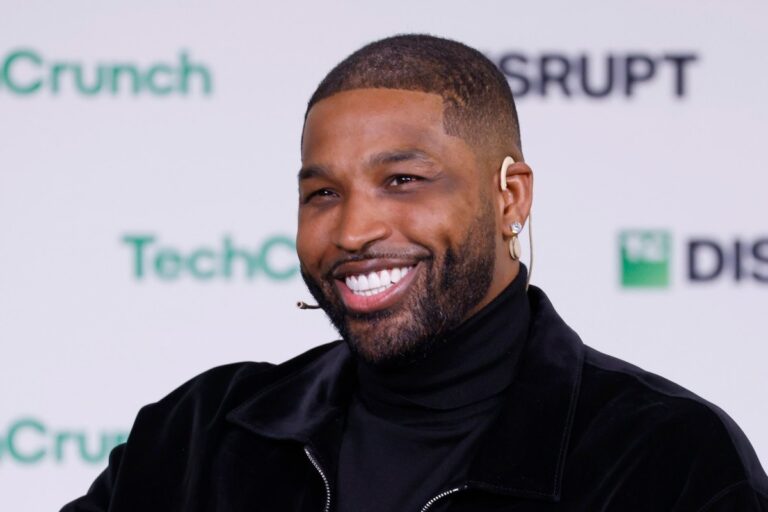
If former Cleveland Cavaliers Tristan Thompson misses the NBA, he’s not showing it. He’s building a business empire and raising pointed questions about the league he left behind. When asked about whether players could manipulate Basketball Fun — a web3 platform that turns NBA players into tradable tokens — he offered a counterpoint: “It’s the same question we ask about referees. Are they not gaming the system?” When moderator Rebecca Bellan pressed whether he meant NBA referees take bribes, Thompson shrugged. “It’s just a question to be asked,” he said.
Techcrunch event
San Francisco | October 27-29, 2025
Image Credits:Kimberly White / Getty Images
Our own Sean O’Kane shares a moment with Wayve co-founder and CEO, Alex Kendall. Kendall may also be smiling because his U.K.-based self-driving startup — whose software acts as “brains for cars” — is in talks to raise a fresh $2 billion from SoftBank and Microsoft at an $8 billion valuation.
Image Credits:Slava Blazer Photography
Phoebe Gates and Sophia Kianni, founders of the AI-powered shopping assistant Phia, dazzled the audience at Disrupt with their enthusiasm for making high-quality, secondhand clothing a lot easier to find. Gates, daughter of Bill and Melinda Gates, was also sporting when asked by moderator Amanda Silberling what her famous parents have learned from her. Said Gates with a laugh, “Hopefully style! I don’t even consider myself that stylish; I just like building in the consumer space, but now I get random emails from my family asking, ‘Should I wear this to this?’”
Image Credits:Kimberly White/Getty Images for TechCrunch
Waymo co-CEO Tekedra Mawakana with TechCrunch’s Kirsten Korosec, fielding questions about autonomous vehicles, including whether society will accept deaths caused by self-driving cars. “I think that society will,” Mawakana said. “The challenge is making sure society has a high enough bar on safety that companies are held to.”
Image Credits:Kimberly White/Getty Images for TechCrunch
Kevin Rose talking Digg’s reboot and the future of venture capital (Rose is also a general partner at the early-stage venture firm True Ventures). I’m smiling because that’s what you do when someone won’t answer your questions about a buzzy, wearable startup that’s still in stealth. (We’ll have more on Sandbar soon.)
Image Credits:Kimberly White / Getty Images
Hugging Face co-founder Thomas Wolf hydrating between questions about building the future of AI, including as it relates to LeRobot, the Hugging Face project that’s trying to democratize robotics with affordable hardware, open source tools, and shared datasets.
Image Credits:Slava Blazer Photography
Finals judges Marlon Nichols of MaC VC and Aileen Lee of Cowboy Ventures during the last stages of our highly competitive Startup Battlefield. Somewhere off-camera, a founder is sweating through their pitch deck.
Image Credits:Kimberly White/Getty Images for TechCrunch
Aaron Levie of Box in conversation with TC’s Russell Brandom. Levie has graced the Disrupt stage numerous times over TC’s 20 years at the center of the startup ecosystem, and he always brings it.
Image Credits:Kimberly White/Getty Images for TechCrunch
Netflix CTO Elizabeth Stone on the streamer’s expanded remit from simple binge-watching to interactive programming (think voting on live shows and gaming via your phone): “It hasn’t changed the way we tell stories,” she told a rapt crowd.
Image Credits:Kimberly White/Getty Images for TechCrunch
TC’s Dominic-Madori Davis talking community building with Tade Oyerinde of Campus, who’s rethinking community college, and Teddy Solomon of Fizz, the anonymous social app that’s spreading across college campuses and occasionally getting banned, which some might view as a badge of honor.
Image Credits:Slava Blazer Photography
A whiteboard of wants: developers needed, contacts offered, deals proposed. We love it when founders lean into old-school tactics. (Some still work!)
Image Credits:Slava Blazer Photography
David George, who leads the growth investing team at Andreessen Horowitz, came to the show to talk with Julie Bort about what startups need to weigh as they’re eyeing the public market. It was his birthday, as it turns out; the crowd takes a moment here to celebrate it with him.
Image Credits:Slava Blazer Photography
Here’sSan Francisco mayor Daniel Lurie discussing his call with President Trump regarding why not to send the National Guard to the city — a proposal floated by Salesforce CEO Marc Benioff. “What I said to him was what I say to everybody: This is a city on the rise,” Lurie said. “Three days of Disrupt here should prove that.” On whether he made concessions with the deal-making Trump, he was definitive. “No, absolutely not. No ask.”
Image Credits:Kimberly White/Getty Images for TechCrunch
A lot of people come from around the world for programming about how to put their startups together. We covered all the bases on our Builders Stage, which was packed every day, all day.
Post-show elation from TC’s Jessica Barrera, who handled ticketing for 10,000 attendees. She saves our bacon routinely.
Image Credits:Slava Blazer Photography
For many more photos from the event, visit our Flickr stream.
You can also find our full video coverage: here is Day 1, Day 2, and Day 3.
OpenAI has started selling power users extra credits for its Sora AI video generation tool. An extra 10 video gens will retail for $4 through Apple’s App Store. The company currently has a limit of 30 free gens per day, a rate that will likely decrease as OpenAI starts to monetize the offering. Bill Peebles, who heads OpenAI’s Sora, posted on X about the changes.
“Eventually we will need to bring the free gens down to accommodate growth (we won’t have enough gpus to do it otherwise!), but we’ll be transparent as it happens,” he said.
Peebles also said that OpenAI plans to monetize by letting entities essentially license out their copyrighted material, either their artwork, characters or likenesses. “We imagine a world where rightsholders have the option to charge extra for cameos of beloved characters and people,” he wrote. Although making the cameo feature a core part of the monetization while the company is being sued by Cameo for trademark infringement is certainly a bold choice. And that’s just the latest in a series of dodgyactions tied to OpenAI’s text-to-video AI app.
Google today released new October builds for the Pixel 7-10 series, with Verizon shedding some light on what this update brings.
At the start of this month, Google released Global (Pixel 7-10) and Japan (Pixel 9a-10 Pro XL) updates. This afternoon, each of those builds were updated. (There’s no Pixel Tablet update.)
For example, the Pixel 10 went from BD3A.251005.003.W3 to BD3A.251005.003.W4, with the last number going up.
Google has not updated its monthly community post or released a new one detailing what’s new, but Verizon says that the “update provides performance improvements for your device.”
Advertisement – scroll for more content
The release note sounds generic, but Verizon is usually good about detailing what’s new. For example, the US carrier previously revealed that September’s second update for the Pixel 10 series addressed an “issue that caused users to experience a fuzzy display.”
Pixel users on Verizon are reporting that the updates come in at around 30 MB. We’re not seeing an OTA on Google Fi, with this update not yet widely available on other carriers.
The timing is curious as we should only be a few days away from the November 2025 security patch. If this is a security patch, Google has yet to detail the problem in an advisory. As a reminder, the October 2025 Security Bulletin listed zero fixes.
You can always sideload the OTA, but it’s probably best to wait for the on-device update given the lack of details.
FTC: We use income earning auto affiliate links.More.
Representatives from numerous agencies, including Boston police, city councilors and the Downtown Boston Neighborhood Association, reconvened in the Emerson College Theatre to evaluate progress on those promises.
“We want to give a glimmer of hope and optimism from where we have gotten, and where we want to go,” said Rishi Shukla, a 25-year downtown resident and co-founder of the Downtown Boston Neighborhood Association, host of Thursday’s meeting.
“We’ve achieved some really interesting and thoughtful gains over the past few months, and we want to celebrate those and double down on it — but we also want to acknowledge the work that remains,” Shukla said. He spoke onstage using a microphone, with more than two dozen civic, state and local leaders behind him and the theatre seats filled in front of him.
Thursday night focused on changes that have been made since a February meeting with nearly 100 state, city and civic leaders. They came together in response to downtown residents and business owners calling problems like discarded needles, homelessness, public assaults and a rise in shoplifting last year an “urgent” threat to the neighborhood.
The group includes Boston police, city councilors and several city departments, chairpersons for other neighborhood committees like Beacon Hill and Chinatown, the St. Francis House homeless service, Friends of the Public Garden, and leaders at Emerson College and Suffolk University.
These changes included dozens of barriers and “no trespassing” signs on vacant buildings, repairs to sidewalks, and street and walkway lights — with more than 400 lights repaired on the Boston Common alone, Shukla said.
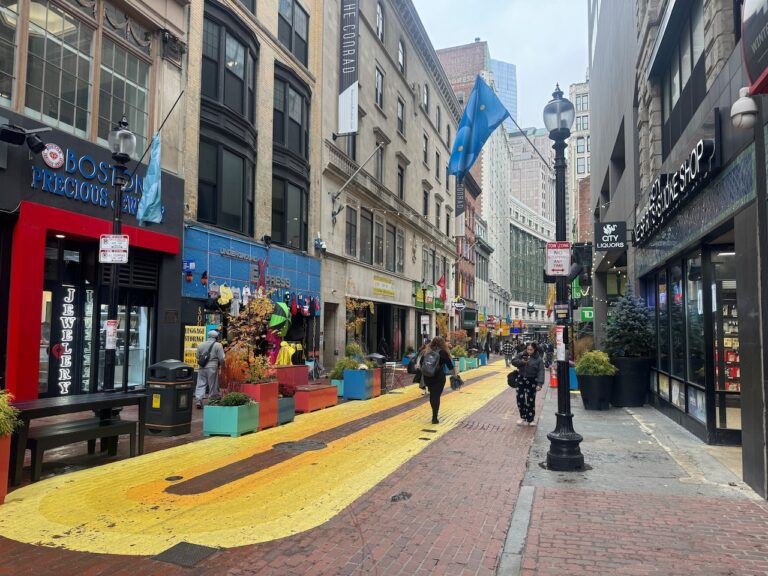
The main section of Downtown Crossing has undergone beautification processes from new programs such as “Color Flow,” which brought yellow brick roads, new outdoor seating, colorful murals and live music performances that began in early October.
Winter Street in Downtown Crossing in Boston on Oct. 30, 2025.(Irene Rotondo/MassLive)
To accomplish this in the past eight months, the group conducted safety and infrastructure walks through Downtown Crossing, Boston Common and surrounding areas. They held public coffee hours and surveyed “over a thousand” different crosswalks around the neighborhood, Shukla said, identifying which needed the most immediate attention.
Shukla brought up a survey conducted last November among 320 residents, which found that nearly 71% felt less safe compared to the start of the year. Shukla noted that when the survey was repeated this past month, it showed a nearly 40% decrease in the proportion of residents who felt less safe.
Boston police Supt. Robert Ciccolo shared that there’s been a 29% decrease in violent crime in Downtown Boston since the initiatives began and a 37% decrease in 911 calls for quality of life issues. The department’s goals are “always aspirational.” Back in March, a large goal was to “eliminate open drug use,” he said, and the department is still “working toward that goal.”
The area has also seen a 65% decrease in syringe-related 311 calls and a 38% decrease in overdose deaths, said Bisola Ojikutu, the city’s commissioner of public health.
And according to Kellie Young, leader of the city’s Coordinated Response Team (CRT), there have been 200 people “moved off the streets and directly into inpatient treatment” since September.
Councilor Ed Flynn called for the hiring of more police officers each year and acknowledged the department for its coordination with the group, adding that it’s “critical we work together” and that “we can’t let up.”
All of the leaders agreed that the work has just begun.
Winter Street in Downtown Boston on March 7, 2025.Irene Rotondo
Downtown Crossing business owners say they’ve seen real improvements since February.
“I’m happy with the change … people feel more safe to walk on the street. Before, they were scared,” Bill Yuong, a three-year employee at Boston Precious Jewelry on Winter Street, told MassLive on Thursday afternoon.
Yuong pointed to the visible upgrades and noted fewer “disruptive” people or those openly using drugs, along with a stronger police presence since the spring — though he’d like to see even more Boston police officers patrolling and regular street trash maintenance.
But for Carl Volker, owner of the Underground Express souvenir shop on Winter Street, the changes have made a noticeable difference. “Just a little bit of paint makes it 100% better,” said Volker, who’s operated his shop for 15 years.
He’s seen fewer incidents at his store and neighboring businesses in the past year and credits the beautification efforts — including fresh paint, planters with trees and outdoor seating — with helping the area feel more welcoming. “Couple of planters out there, with trees? 100% better, friendlier and a major improvement,” he said.
While Volker acknowledged that aesthetic upgrades don’t directly prevent crime, he believes they contribute to a sense of safety that encourages people to linger for a positive reason — which, in turn, helps deter unsafe behavior.
Now, he’d like to see the city promote downtown businesses more aggressively and attract diverse, independent retailers to fill vacant storefronts, rather than relying on national chains or mall-style shops.
If you purchase a product or register for an account through a link on our site, we may receive compensation. By using this site, you consent to our User Agreement and agree that your clicks, interactions, and personal information may be collected, recorded, and/or stored by us and social media and other third-party partners in accordance with our Privacy Policy.
Semiconductor giant Nvidia is reportedly looking to make a sizable investment in AI software development platform Poolside.
Nvidia is looking to invest at least $500 million, and up to $1 billion, in Poolside, which builds AI models for software development, according to reporting from Bloomberg, which cited sources. This investment would be part of a $2 billion funding round Poolside is raising at a $12 billion valuation, according to Bloomberg.
Nvidia’s investment could rise to $1 billion if the company successfully completes the rest of the funding round, Bloomberg reported.
This wouldn’t be Nvidia’s first investment in Poolside. Nvidia previously backed Poolside in its $500 million Series B round in October 2024.
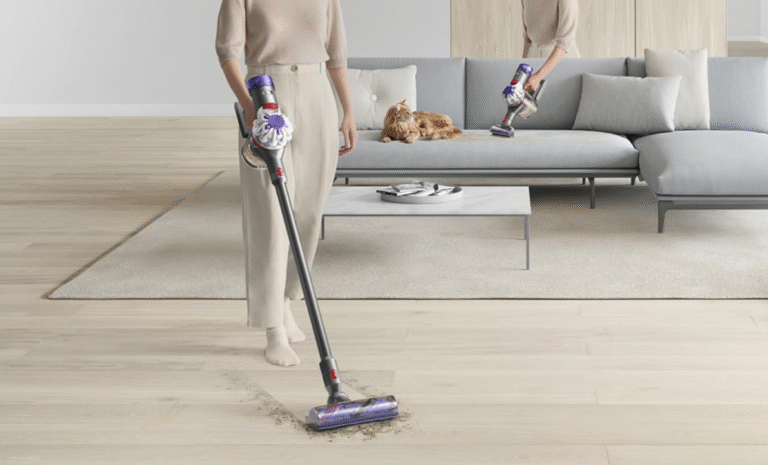
Dyson is holding an early Black Friday sale on vacuums and related products. Sure, Black Friday isn’t for another month, but who are we to turn down a fantastic deal? To that end, the Dyson V8 Absolute cordless vacuum is on sale for just $300, which is a discount of $290. That’s nearly half off.
Dyson devices are all over our list of the best cordless vacuums, and for good reason. The company makes effective products. The V8 Absolute has been designed to clean all floor types, in addition to upholstery. It’s also been engineered to squeeze into tight spots, which is great for hitting those oft-neglected parts of the home.
Dyson
The suction power is on point and the battery lasts for 40 minutes before requiring a charge. That’s just enough time to vacuum a standard-sized home if you don’t stop for too many breaks. This model also comes with a HEPA filter.
The V8 is getting a bit long-in-the-tooth. If you want a newer model, the V11 Extra is on sale for $400, which is a discount of $260. This one boosts the suction power and increases the battery life to 60 minutes.
The early Black Friday sale isn’t just for cordless vacuums. The 360 Vis Nav robot vacuum is on sale right now for $500, which is a massive discount of $500. This is one of our favorite robot vacuums, primarily because of its incredible suction power.
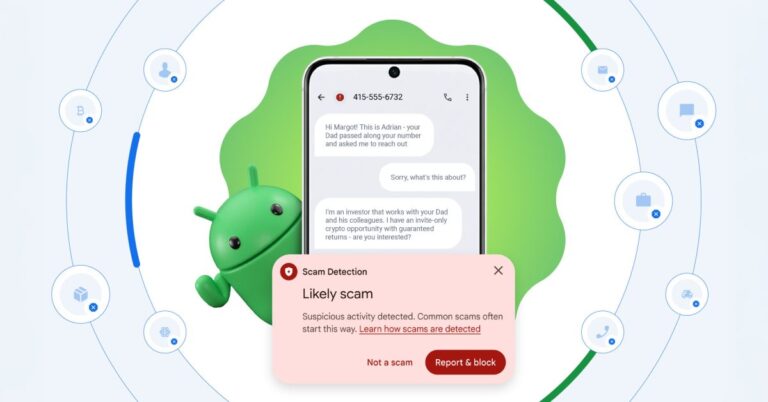
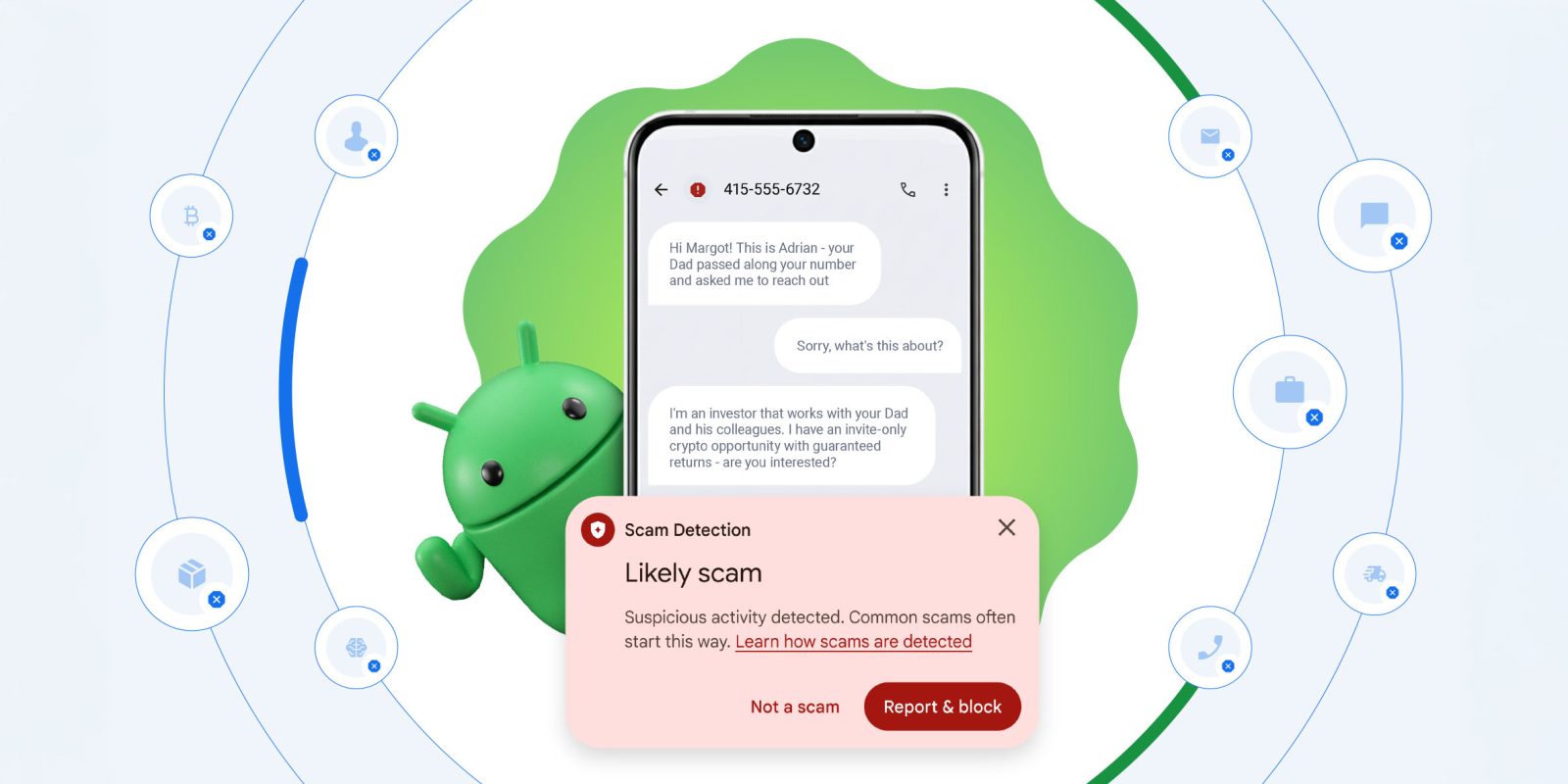
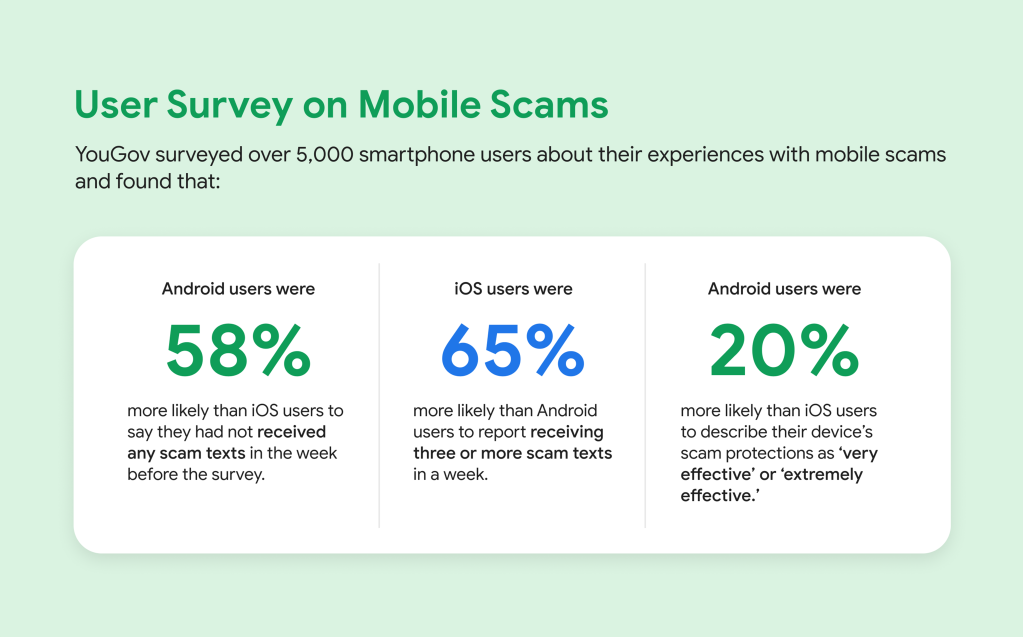
As part of Cybersecurity Awareness Month, Google partnered with YouGov to commission a survey of over 5,000 smartphone users throughout the US, India, and Brazil, and their findings surrounding spam and scam texts might surprise you.
Google found that Android users were 58% more likely than iOS users to avoid scam text messages over the seven-day period taking place prior to the survey. The numbers only get better if you’re a Pixel user — and worse if you’re on an iPhone — with Pixel fans 96% more likely than their blue bubble-coded counterparts to report zero unwanted scam and spam messages. Google and YouGov’s polling also found that iOS users were 65% more likely to report receiving three or more scam texts in a week compared to Android.
While Google’s involvement might seem a little too convenient, YouGov’s participation certainly raises the legitimacy of this study, and anecdotally, any time I’ve found myself on iOS, I’ve certainly felt like the amount of spam and scam texts I receive does increase. Google chalks these numbers up to a handful of efforts, including continuous RCS safety checks, Android’s own scam and phishing defenses, and, of course, AI. The company also specifically highlighted built-in spam filters in apps like Messages and Phone.
Considering just how spam-ridden RCS was in its earliest of days — really, before Google stepped in and made it the messaging standard we know today — these numbers are really impressive, even without the iOS comparison. Throw in an additional evaluation from Leviathan Security Group that found Pixel led the pack in scam and fraud protection compared to recent devices from Apple, Samsung, and Motorola, and Google’s looking pretty strong in the cybersecurity game right now.
Advertisement – scroll for more content
While there’s no specific announcement tied to today’s study, it’s clear Google sees its AI efforts as assisting in dialing down unwanted messages and phone calls. Don’t be surprised if that push continues as we roll into 2026.
More on Android:
FTC: We use income earning auto affiliate links.More.
If you’re the parent of a school-aged child or a member of Gen Alpha, then you’ve probably heard the term “67” — many times over.
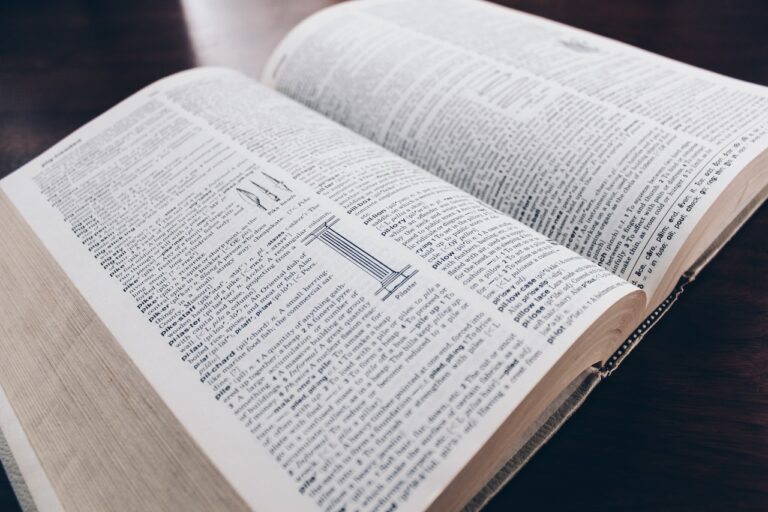
The word started trending in June and since then has increased more than sixfold, and the surge shows no signs of stopping. This exponential rise, which is particularly striking since most other two-digit numbers hold no meaningful cultural trend, is why Dictionary.com named “67″ (pronounced “six-seven”) its 2025 “Word of the Year”.
The source, however, admitted the choice was made even while its team is “still trying to figure out exactly what it means.”
First things first: the term can be written as “6 7, 6-7 or six-seven” but it is never pronounced as “sixty-seven,” Dictionary.com explained.
The origin of “67″ is thought to be a song called “Doot Doot (6 7)” by Skrilla. But it was quickly reinforced by viral TikToks featuring basketball players and a boy who will forevermore be known as the “67 Kid.”
Within weeks, teachers were trading tips online about how to get their students to stop saying “67″ constantly in the classroom.
Yet, even as the term caused widespread disruption, the source said that the meaning of “67″ is considered “complicated.”
For some, it can mean “so-so” or “maybe this, maybe that,” especially when paired with its signature hand gesture where both palms face up and move alternatively up and down.
Some children are also using it as an opportunity to frustrate older adults as a reply.
For instance, if a parent asks their kid, “Hello, darling child, how was school today?”
The child may say, “67!”
Dictionary.com says the most defining feature of “67″ is that it’s indefinable.
“It’s meaningless, ubiquitous, and nonsensical. In other words, it has all the hallmarks of brainrot,” the source said. “It’s the logical endpoint of being perpetually online, scrolling endlessly, consuming content fed to users by algorithms trained by other algorithms. And what are we left with in the wake of this relentless sensory overload? 67. Still, it remains meaningful to the people who use it because of the connection it fosters.”
Dictionary.com’s team also identified 10 other words that made an impact during 2025:
Agentic: “A word to describe technologies that can perform tasks autonomously and make independent decisions-so called ‘agentic AI’”
Aura farming: Combines aura, a modern sense of charisma, style or personal energy, with farming, meaning “cultivation” or “deliberate effort,” to create a term meaning “the practice of intentionally developing one’s presence or vibe”
Broligarchy: A playful yet pointed term meant to capture the “public frustration felt in some circles with the concentration of power among a small, culturally homogenous elite”
Clanker: A mocking label for artificial intelligence
Gen Z stare: A blank or expressionless look often attributed to Gen Z particularly in the workplace or retail settings
Kiss cam: A staple of sports arenas and concert venues found new cultural life following the viral moment in July when two executives from a data company were shown together on a kiss cam at a Coldplay concert
Overtourism: The overwhelming influx of visitors to popular tourist destinations, causing environmental strain, cultural disruption and local frustration
Tariff: Duties or customs imposed by a government on imports or exports
Tradwife: Short for “traditional wife,” the word is “tied to conservative subcultures that idealize a dutiful, domestic model of femininity.” The term has “broadened into a label for an aesthetic as much as an ideology.” Some embrace it as a personal choice while others critique it as reinforcing outdated gender roles.
If you purchase a product or register for an account through a link on our site, we may receive compensation. By using this site, you consent to our User Agreement and agree that your clicks, interactions, and personal information may be collected, recorded, and/or stored by us and social media and other third-party partners in accordance with our Privacy Policy.