Home Blog Page 175

Powerball: See the winning numbers in Wednesday’s $174 million drawing

0


It’s time to grab your tickets and check to see if you’re a big winner! The Powerball lottery jackpot continues to rise after two lucky winners in Texas and another from Missouri won $1.8 billion in the September 6 drawing. Is this your lucky night?

Here are Wednesday’s winning lottery numbers:

08-17-22-28-55, Powerball: 14, Power Play: 3X

Double Play Winning Numbers

03-29-38-56-65, Powerball: 07

The estimated Powerball jackpot is $174 million. The lump sum payment before taxes would be about $80.7 million.

The Double Play is a feature that gives players in select locations another chance to match their Powerball numbers in a separate drawing. The Double Play drawing is held following the regular drawing and has a top cash prize of $10 million.

Powerball is held in 45 states, the District of Columbia, the U.S. Virgin Islands and Puerto Rico. The Double Play add-on feature is available for purchase in 13 lottery jurisdictions, including Pennsylvania and Michigan.

A $2 ticket gives you a one in 292.2 million chance at joining the hall of Powerball jackpot champions.

The drawings are held at 10:59 p.m. Eastern, Mondays, Wednesdays and Saturdays. The deadline to purchase tickets is 9:45 p.m.

If you purchase a product or register for an account through a link on our site, we may receive compensation. By using this site, you consent to our User Agreement and agree that your clicks, interactions, and personal information may be collected, recorded, and/or stored by us and social media and other third-party partners in accordance with our Privacy Policy.


Source link

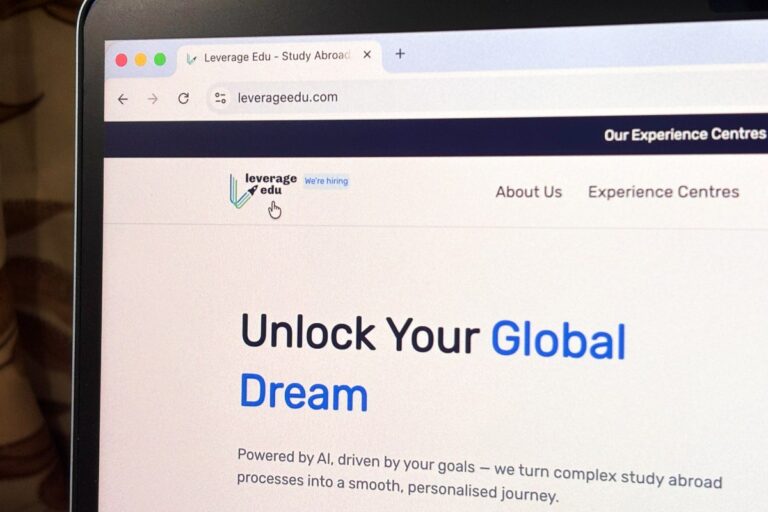
Visa crackdowns are blocking students’ study-abroad dreams, so India’s Leverage Edu is rerouting them

0


As visa crackdowns and diplomatic tensions block traditional study-abroad routes, India’s Leverage Edu is helping students reroute their dreams — from Canada to Germany, and from India to Nigeria and Saudi Arabia. That agility is paying off: The startup has doubled its revenue, turned profitable, and is now expanding its global footprint.

Over the past several months, students across emerging markets have faced growing uncertainty around international college admissions. Shifting visa rules and diplomatic tensions — from the 2023-2024 standoff between India and Canada to new strains in India-U.S. ties over tariffs and immigration policy — have disrupted application timelines and eligibility for thousands. Countries such as Canada and Australia have introduced stricter student visa policies, catching many families off guard. Even long-standing local consultants and study-abroad firms have struggled to adapt. Meanwhile, Leverage — the startup behind the study-abroad platform Leverage Edu — has responded by helping students identify alternative destinations and adjust quickly, keeping their plans on track despite the disruption.

The eight-year-old startup was quick to respond when India-Canada relations soured, helping Indian students reroute to Germany and assisting Canadian universities in recruiting from Nigeria — effectively salvaging student pipelines in both regions. It is now applying that same playbook amid ongoing U.S.-India strains.

While Leverage continues to send students to the U.S., a growing share of that demand now comes from countries like Brazil and Vietnam — where interest in U.S. universities remains strong, founder and CEO Akshay Chaturvedi said in an interview.

That ability to shift quickly across geographies is now central to Leverage’s growth strategy. In the last two months, the startup has expanded into Saudi Arabia, Egypt, Vietnam, and Malaysia — emerging markets with growing numbers of students seeking to study abroad but with limited access to structured admissions support. With this push, Leverage now operates in 16 countries where it recruits students, helping them apply to universities across 11 destination countries.

Beyond applications, the startup — headquartered in Noida, a tech hub on the outskirts of New Delhi — is positioning itself as a full-service platform for international education, helping students plan, finance, and manage their journeys. Its tools include a mobile app, an AI-powered course search engine, a university matchmaking tool called UniConnect, and a newly launched SaaS suite for global universities under the brand Univalley.ai.

The startup has also expanded into adjacent categories, with offerings like Leverage MBBS for medical aspirants under Leverage Edu, as well as Fly Finance for education loans, Fly Homes for student housing, and other services under Leverage Careers and Compass.

Techcrunch event

San Francisco
|
October 27-29, 2025

Leverage now places over 10,000 students annually, up from around 1,500 just a few years ago. Much of that growth has come through organic demand, with 60% of student acquisitions requiring zero customer acquisition cost, according to Chaturvedi.

“Our gap has narrowed with most of our global competitors who were either large listed companies or who had raised some of these mega rounds,” he told TechCrunch.

Leverage Founder and CEO Akshay ChaturvediImage Credits:Akshay Chaturvedi / Instagram

Financially, Leverage has seen sharp growth — and turned profitable for the first time this year, a rarity in India’s edtech sector. The startup closed fiscal year 2025 with over ₹1.8 billion (around $20 million) in revenue, doubling from the previous year’s ₹900 million (approximately $10 million). Between April and September, the first half of fiscal year 2026, it generated more than ₹2 billion (roughly $23 million), and is on track to end the fiscal year with ₹3.7-₹3.8 billion (about $45 million) in revenue.

On the profitability front, Leverage garnered ₹120-130 million (approximately $1.4-1.5 million) in profit after tax, and expects to surpass ₹250 million ($2.8 million) by the end of fiscal year 2026 — marking a 256% turnaround from a full-year loss of ₹800 million in fiscal year 2025.

The startup generates around 25% of its revenue from its platform businesses, which support students beyond admissions — with value-added services including loans, money remittance, housing, and assistance with securing internships or first jobs. The remaining 75% of revenue comes from its core education business — the student placement and counseling services. Within that, about 20% comes directly from students and 55% from universities in commissions, Chaturvedi told TechCrunch.

India remains Leverage’s largest source market, accounting for 58% of its total student base. Within the country, the startup focuses on states like Andhra Pradesh, Kerala, and Punjab — regions that consistently send large numbers of students to universities abroad.

In terms of destinations, the U.K. remains Leverage’s largest market, accounting for 52% of student placements, followed by Germany at 22%. Italy — its fastest-growing market this summer — is also gaining traction.

North America currently represents less than 5% of total placements for Leverage, reflecting tightened visa rules and diplomatic headwinds in recent years. The startup expects this share to grow as its presence expands across Latin America, Southeast Asia, and the Middle East.

India IPO in plans, likely for 2026

With rising revenues and an expanding global footprint, the startup is now weighing a potential IPO in India as early as next year, and investment bankers have already made early pitches, people familiar with the matter told TechCrunch.

Founder and CEO Chaturvedi did not deny the possibility of a public listing, but he said Leverage would decide between pursuing an IPO or raising external capital after hitting the $100 million revenue milestone, which the company expects to reach sometime in 2026.

So far, Leverage has raised less than $50 million in equity. The company operates across 27 countries through over 50 offices and has a headcount of around 800 people.


Source link

Ubisoft launches its new Tencent-backed subsidiary

0


Ubisoft has launched — and named — its Tencent-backed subsidiary. Vantage Studios is the first of the company’s “creative houses” under a previously-announced reorganization. The new studio will oversee the company’s tentpole franchises: Assassin’s Creed, Far Cry and Rainbow Six.

The news follows Ubisoft’s March announcement of a new subsidiary with a €1.16 billion ($1.36 billion) investment from Tencent. The Chinese company took a minority ownership stake in Vantage as part of the deal. In July, Ubisoft named the new subsidiary’s co-CEOs: Christophe Derennes and Charlie Guillemot.

“Our focus is on evolving Ubisoft’s operating model to bring more focus, more autonomy and more accountability to the teams so they can stay closely attuned to our players,” Guillemot said at the time. “Decision making will be quicker, and it will also be easier to pivot when we need to change course.”

Three-panel view: Assassin's Creed, Far Cry, and Rainbow Six.

Ubisoft’s announcement today reflected that language. The idea is to give its developers “a higher level of autonomy” at Vantage and future studios. It wants the new structure to enable “a shorter pathway between gathering and implementing player feedback.”

Vantage is the only creative house the parent company has announced. The company will set up future ones “under the banner of a shared DNA and development expertise.” However, it’s unclear what other creative houses will work on, with Vantage taking over Ubisoft’s bread-and-butter franchises.

Vantage’s team will be spread across Ubisoft’s offices in Montréal, Quebec City, Sherbrooke, Saguenay, Barcelona and Sofia. Multiple gaming publications, including GamesIndustry.biz, reported that the studio began operations today. Ubisoft is said to have chosen “Vantage Studios” based on a vote by its 2,300 employees. As for Tencent, it will reportedly act in an advisory role, with the co-CEOs having the final word.

Ubisoft was due for some big changes. The company has endured big-name flops, studio closures and layoffs. At least Assassin’s Creed: Shadows has done well.

Incidentally, Assassin’s Creed, Far Cry and Rainbow Six titles were among those added to Game Pass on Wednesday. Microsoft seems to have intended for the announcement to soften the blow of the service’s 50 percent price hike. I’m not so sure it worked.


Source link

T-Mobile satellite plan now powers Google Maps and select apps

0


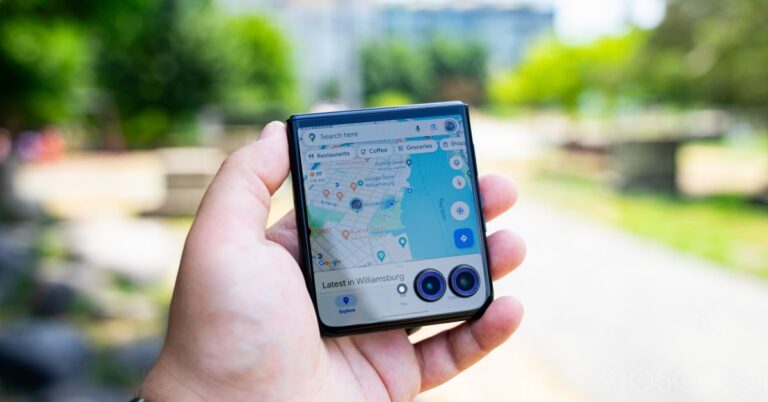
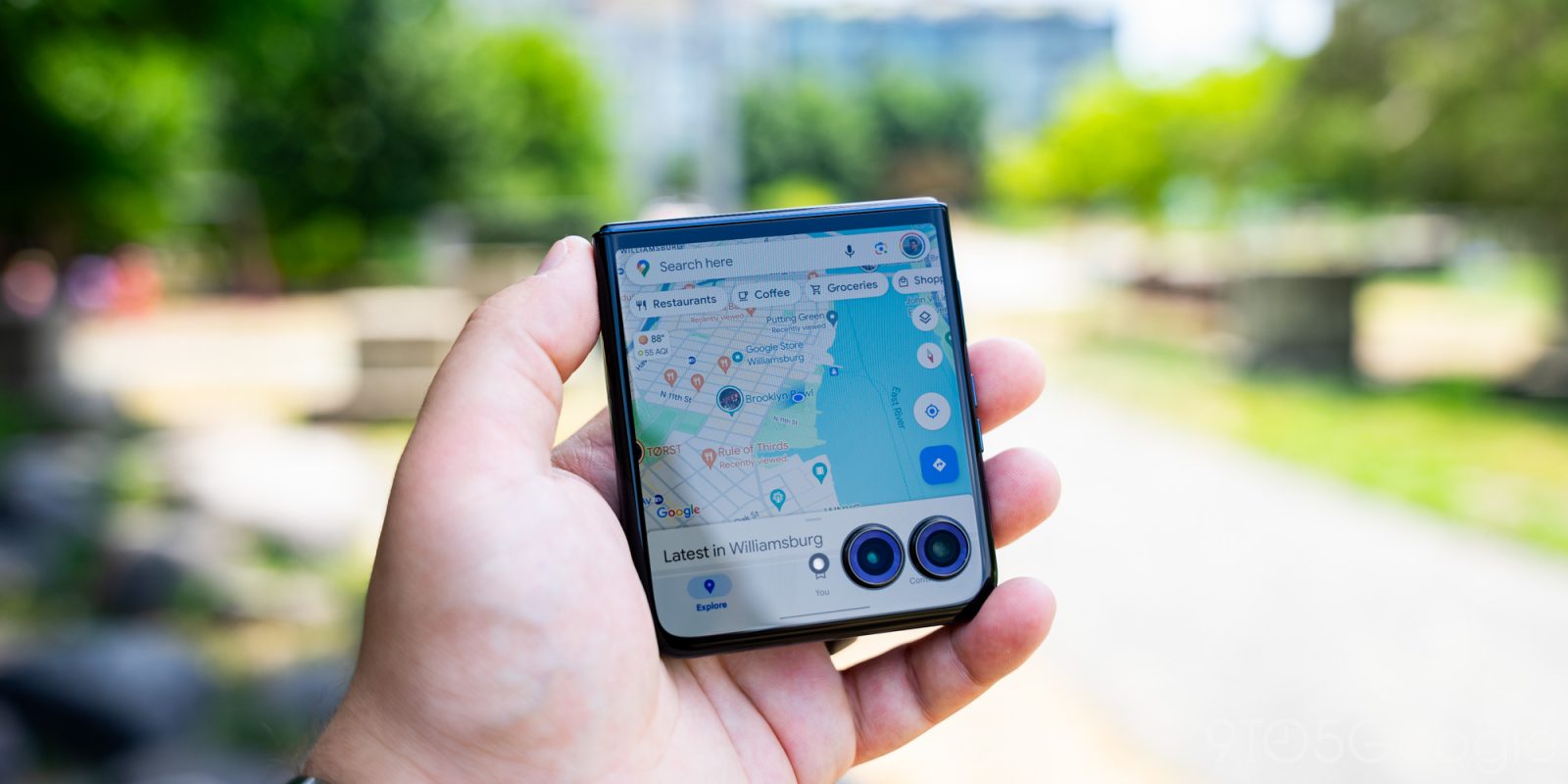
T-Mobile’s “T-Satellite” service is now making it possible to do more than just call or text. The recent rollout upgrades internet access so users can access a variety of apps on their Android device, wherever they are.

The T-Satellite network is powered by Starlink, which means a massive array of satellites is always orbiting ready to connect devices to the internet. While the extent of connection was limited to calls and texts previously, T-Mobile announced that its satellite network will now be able to connect devices to certain apps like Google Maps.

Google Maps is one of the obvious choices to benefit from T-Mobile’s new network. As limited as it is, any app that allows communication and navigation in places without a cellular connection is key. That means a few Google apps get access.

That includes Google Maps, Find Hub, Messages, and Personal Safety. With that, whenever the device loses connection, T-Satellite kicks in and provides a connection for these apps to keep running. For instances where you forgot to download the area in Google Maps, this can be more than useful.

Advertisement – scroll for more content

T-Mobile makes it clear in its press releases that this rollout is not just a simple tie-in for users. Google Messages will get access to Gemini in-app, and WhatsApp through T-Satellite will allow users to voice and video chat via satellite connection. Google’s Personal Safety is another significant addition, considering it would theoretically allow car crash detection to work properly anywhere.

T-Mobile announced a full list of Android apps that will be optimized for T-Satellite. The company notes that more apps will be coming soon.

  • AccuWeather
  • AllTrails
  • CalTopo
  • Google Find Hub
  • Google Maps
  • Google Messages (with Gemini)
  • Google Personal Safety
  • onX Backcountry
  • onX Hunt
  • onX Offroad
  • T-Life
  • WhatsApp
  • X
  • Yahoo Mail

The satellite network will trigger automatically in instances where general cellular network drops. Any of the listed apps will work properly in that instance, though it’s important to ensure these apps are updated. It’s also worth mentioning that anyone can join T-Mobile’s T-Satellite program, regardless of whether traditional cell service is being used.

FTC: We use income earning auto affiliate links. More.


Source link

Holyoke man arrested in Easthampton after chase, assault, kidnapping allegations

0


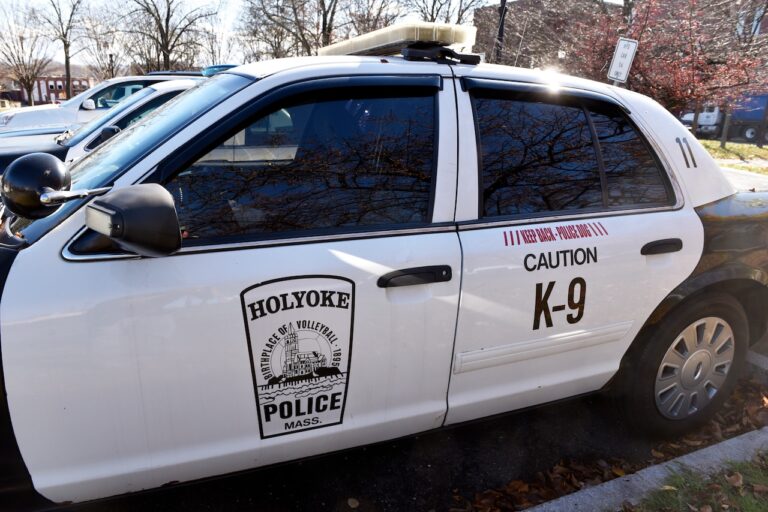
HOLYOKE ― A 35-year-old Holyoke man is facing a string of charges — including kidnapping, assault with a dangerous weapon and reckless driving — after police say he fled a domestic violence scene and led officers on a multi-town chase on Tuesday.

Kirk Boulier is additionally being charged with assault and battery on a family or household member, disorderly conduct, resisting arrest and several motor vehicle violations, including failure to stop for police, driving a stolen car, and driving with a suspended license.

In a statement Wednesday, Holyoke Police Chief Brian Keenan said the incident began on Tuesday around 12:50 p.m. with a report of domestic violence incident in Holyoke, where the suspect allegedly assaulted a woman in a car.

If you purchase a product or register for an account through a link on our site, we may receive compensation. By using this site, you consent to our User Agreement and agree that your clicks, interactions, and personal information may be collected, recorded, and/or stored by us and social media and other third-party partners in accordance with our Privacy Policy.


Source link

Jane Goodall, legendary primatologist, has died at age 91 : NPR

0


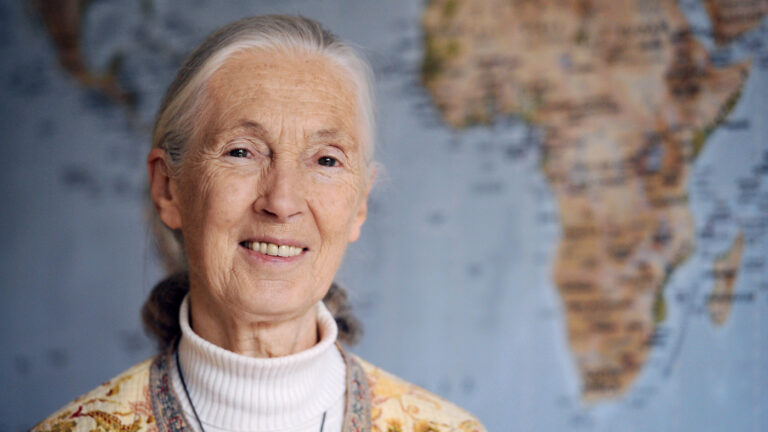
British primatologist and conservationist Jane Goodall's decades of research on chimpanzees in the wild changed perceptions of relations between humans and animals.

British primatologist and conservationist Jane Goodall’s decades of research on chimpanzees in the wild changed perceptions of relations between humans and animals.

Bertrand Guay/AFP/Getty Images


hide caption

toggle caption

Bertrand Guay/AFP/Getty Images

British primatologist and conservationist Jane Goodall's decades of research on chimpanzees in the wild changed perceptions of relations between humans and animals.

British primatologist and conservationist Jane Goodall’s decades of research on chimpanzees in the wild changed perceptions of relations between humans and animals.

Bertrand Guay/AFP/Getty Images

Jane Goodall, a scientist whose studies of wild chimpanzees made her a household name, has died at the age of 91, according to an announcement posted by the Jane Goodall Institute.

Chimpanzees seemed to accept Goodall as one of their own, and the public was fascinated by both her easy familiarity with the creatures as well as her groundbreaking discoveries that showed just how much chimps are like humans.

“They kiss, embrace, hold hands, pat one another on the back. They show love and compassion, and they also show violence and have a kind of primitive warfare,” Goodall said. “It’s because the chimpanzees are so like us that we can then say, ‘What makes us different? What makes us unique?’ “

As a child, Goodall dreamed of living with animals and writing about them.

“That was because I fell in love with Tarzan,” she told WHYY’s Fresh Air host Terry Gross in 1990. “I was terribly jealous of Tarzan’s Jane. I thought she was a wimp and I’d have been much better as a mate for Tarzan myself — which is true. I would have been.”

Goodall was born on April 3, 1934 in London. Her father was a race car driver who left for the army at the start of World War II, and her parents later divorced. She grew up in a rambling Victorian house in an English seaside town with her mother, sister, aunts, and grandmother. There was no money for college.

“My mother said, ‘Well, if you are set on going to Africa or some other foreign place, if you learn secretarial work, then you can get a job anywhere in the world,’ ” Goodall explained. She went to secretarial school and in 1956, when a friend invited her to visit a family farm in Kenya, she worked as a waitress and saved up for a one-way ticket to get there.

Once in Africa, she quickly arranged to meet the paleontologist Louis Leakey.

Goodall interacts with a chimp at Gombe Stream National Park in Tanzania, in the 1965 television special "Miss Goodall and the World of Chimpanzees."

Goodall interacts with a chimp at Gombe Stream National Park in Tanzania, in the 1965 television special “Miss Goodall and the World of Chimpanzees.”

CBS Photo Archive/CBS via Getty Images


hide caption

toggle caption

CBS Photo Archive/CBS via Getty Images

Goodall interacts with a chimp at Gombe Stream National Park in Tanzania, in the 1965 television special "Miss Goodall and the World of Chimpanzees."

Goodall interacts with a chimp at Gombe Stream National Park in Tanzania, in the 1965 television special “Miss Goodall and the World of Chimpanzees.”

CBS Photo Archive/CBS via Getty Images

“He discovered immediately a very beautiful, a very vibrant, a very passionate young woman who was utterly focused on animals and who knew a surprising amount,” says Dale Peterson, who wrote a biography of Goodall. Leakey hired her as his secretary on the spot.

Leakey was busy digging up the fossilized bones of ancient relatives to humans, but he thought someone should really study humanity’s closest living relative: the chimpanzee. To him, Goodall seemed perfect.

It didn’t matter to Leakey that Goodall had no college degree, was just 26 years old, and was female — not exactly the typical scientist back then. In 1960, he proposed sending her to what is now the Gombe Stream National Park in Tanzania.

“The officials there said, ‘Well, it’s fine, but we can’t let a woman live in the forest alone, that would be unseemly,'” says Peterson.

She had to have a chaperone, so she brought along her mom. They both got malaria, and the chimps kept running away, but Goodall did not give up. She offered them bananas, and approached them quietly and respectfully.

“Jane was the first who actually went out and stayed with the chimpanzees and tamed them, and got them used to her,” says Peterson.

In just a few months, Goodall a made a major discovery. Chimps could make and use tools — as she learned by watching a chimp she’d named David Greybeard. (Goodall has called him “my favorite chimpanzee of all time.”) He stripped leaves off a twig, then used it to fish termites out of a mound. Goodall later told NPR that her mentor, Louis Leakey, was impressed.

“He said, ‘Well, it’s always been considered that man is the only toolmaking animal. So we now have to redefine tool, redefine man, or include chimpanzees with humans,’ ” she recalled.

The discovery astonished scientists, but so did the person who made it. Who was this untrained woman, who named her research animals things like David Greybeard, Fifi, Merlin, and Flo? She talked about the chimps like they had emotions and personalities.

Goodall in 1974 with her first husband, Hugo van Lawick, a wildlife photographer and filmmaker. The couple divorced that year.

Goodall in 1974 with her first husband, Hugo van Lawick, a wildlife photographer and filmmaker. The couple divorced that year.

AP


hide caption

toggle caption

AP

Goodall in 1974 with her first husband, Hugo van Lawick, a wildlife photographer and filmmaker. The couple divorced that year.

Goodall in 1974 with her first husband, Hugo van Lawick, a wildlife photographer and filmmaker. The couple divorced that year.

AP

“In the 1960s, when she started, there was still a very mechanical approach to thinking about animals,” says Richard Wrangham, a biological anthropologist at Harvard University, who did his Ph.D. with Goodall. “They were regarded as unthinking machines,” he says.

Wrangham says when he thinks of Goodall, he remembers her tremendous empathy for animals and one other thing: “Her rock-solid honesty in describing what she saw.”

She wasn’t afraid to say the chimps had minds. And she didn’t hide their dark side, either. She witnessed brutal assaults, killings, even cannibalism.

As she explained on WHYY’s Fresh Air, it sure looked like warfare. “I was shocked. I was saddened,” Goodall said. “But I realized that, very sadly, this makes them even more like us than I thought before.”

In 1965, she was on the cover of National Geographic, and she and the chimps were featured in numerous popular books and documentaries. To the public, she really had become like Tarzan’s Jane.

But as the years passed, she spent less time in the field, instead relying on students and colleagues. She had a son with her first husband, a photographer, then later married a politician. In 1977, she founded The Jane Goodall Institute, to promote the protection of chimpanzees and the environment.

Goodall’s life changed dramatically in 1986, when she attended a conference of chimp researchers in Chicago and learned how wild chimps were threatened by poaching and habitat destruction, and how chimps were being used in medical experiments.

“I realized I had to stop living selfishly in my own little paradise and use the knowledge I’d gained to do what I could to help,” she later recalled.

Jane Goodall shares a play with Bahati, a 3 year-old female chimpanzee at the Sweetwaters Chimpanzee Sanctuary, near Nanyuki, Kenya, in 1997.

Jane Goodall shares a play with Bahati, a 3 year-old female chimpanzee at the Sweetwaters Chimpanzee Sanctuary, near Nanyuki, Kenya, in 1997.

Jean-Marc Bouju/AP


hide caption

toggle caption

Jean-Marc Bouju/AP

Jane Goodall shares a play with Bahati, a 3 year-old female chimpanzee at the Sweetwaters Chimpanzee Sanctuary, near Nanyuki, Kenya, in 1997.

Jane Goodall shares a play with Bahati, a 3 year-old female chimpanzee at the Sweetwaters Chimpanzee Sanctuary, near Nanyuki, Kenya, in 1997.

Jean-Marc Bouju/AP

Goodall became an activist, traveling almost nonstop to give talks, and returning to her childhood home between trips. It could have been a lonely life, except that she had so many friends around the world.

Sometimes people would ask her, which do you like better, chimps or people? She’d say well, it depends.

“Chimps are so like us,” Goodall said, “that I like some people much more than some chimps and some chimps much more than some people.”

Jane Goodall speaks on stage during the United Nations 2014 Equator Prize Gala at Avery Fisher Hall, Lincoln Center on September 22, 2014 in New York City.

Jane Goodall speaks on stage during the United Nations 2014 Equator Prize Gala at Avery Fisher Hall, Lincoln Center on September 22, 2014 in New York City.

D Dipasupil/Getty Images


hide caption

toggle caption

D Dipasupil/Getty Images

Jane Goodall speaks on stage during the United Nations 2014 Equator Prize Gala at Avery Fisher Hall, Lincoln Center on September 22, 2014 in New York City.

Jane Goodall speaks on stage during the United Nations 2014 Equator Prize Gala at Avery Fisher Hall, Lincoln Center on September 22, 2014 in New York City.

D Dipasupil/Getty Images



Source link

Meet the end-of-life planning startup co-founded by NBA All Star Russell Westbrook

0


When Donnell Beverly Jr. decided to launch end-of-life planning startup Eazewell after the loss of both of his parents, he knew exactly who to call to help launch the business: longtime friend, and nine-time NBA All Star, Russell Westbrook.  

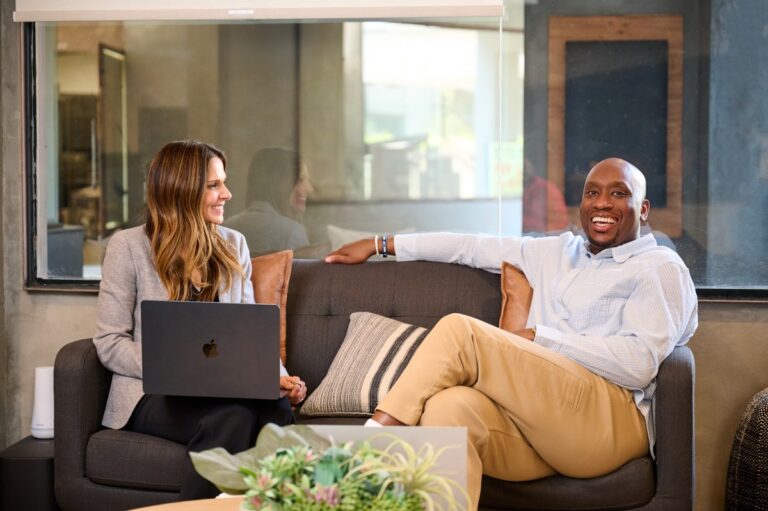
“The main thesis with Russ across every business that he touches is how do we impact people?” Beverly Jr. [pictured above] told TechCrunch. “He’s been very vocal about that throughout his career.  I always say we really took personal pain and then created a platform to really help people.” 

Westbrook was in. Former four-time NBA All Star Kemba Walker also joined and the trio launched Eazewell.  

Eazewell is an AI-driven platform that helps families navigate and automate the administrative aspects of end-of-life and funeral planning. The startup’s AI agent gives people a 24-hour, 7-day-a-week resource and helps users with everything from finding and booking a funeral home to cancelling credit card accounts for a deceased person.  

The company partners with different service providers, like hospice care, funeral homes, and various insurance companies, which allows the platform to be free to use with the option of paying for more premium features.  

“I had an opportunity to be able to be close with his family and go through the process with [Beverly Jr.],” Westbrook told TechCrunch. “He’s done an amazing job of idealizing this idea and bringing it to life. I’m excited to kind of be partner with him alongside him on this.” 

Beverly Jr. said he got the idea for Eazewell after losing both of his parents in a short period of time. Navigating what came after their deaths made him realize how large of a burden the end-of-life process can be — and how fragmented the market of these services is.  

Techcrunch event

San Francisco
|
October 27-29, 2025

He added that seeing the recent advancements in AI made him realize the technology could be used to help reduce the number of administrative tasks grieving families need to tackle following a death.

“We’ve seen how AI has impacted our lives while we’re here, but you know now we’re entering a space where it’s impacting our lives after death,” Beverly Jr. said.  

Eazewell was founded in 2024. The company said it has been able to help more than 100,000 families since its launched its platform earlier this year.  

Now, Eazewell is rolling out a new enterprise platform for hospice companies, senior living facilities and life insurers. This allows companies to fold Eazewell’s automated features into their own management software.

In the future, Eazwell hopes to help people manage a loved one’s digital assets after they pass, a task that has become a bigger undertaking as people’s lives are increasingly online.  

“The average person has anywhere between 70 and 100 digital accounts that are active at any time,” Beverly Jr. said. “Your family is inheriting all those digital accounts and those digital assets as well. And that’s not typical. We’re stepping into a new kind of realm within that. When we look at the whole landscape, we see a grand opportunity to not only help people but just make it a lot more seamless.” 

For Westbrook, Eazewell offers the perfect opportunity to go into business with a decades-long friend while also being able to use his platform to amplify a business that can help people — especially those from underserved and under-resourced communities — navigate this painful and costly experience.  

“Anytime I put my name on anything, I try to find ways to open doors, build trust, find ways to play a big role in it and be present because I think that’s important,” Westbrook said. “And this isn’t about me or being super technical by any means, but it’s more importantly about families finding ways to be able to help them through a loss. And for me, using my platform to be able to do that is a no-brainer.” 


Source link

The best cheap Windows laptops for 2025

0


Not everyone needs a super-expensive, top-of-the-line laptop, and the good news is you don’t have to break the bank to get a solid machine. Whether you’re a student, a casual user or just looking for an affordable device for everyday tasks, there are plenty of great options out there. The trick is finding the best cheap Windows laptop that balances performance, build quality and battery life without making too many compromises.

If you’re in the very particular bind of needing to upgrade your machine before Windows 10 support ends in October, don’t fret. The machines listed below will serve you well for basic tasks, but we also put together a whole list of the best Windows laptops to replace your aging machine that includes higher price-point options.

Table of contents

What to look for in a budget-friendly Windows laptop

While you can do a lot even when spending little on a Windows laptop, you must set your expectations accordingly. The biggest downside when purchasing a budget laptop (of any kind, really) is limited power. You’ll want to carefully consider a few specs, the most important among them being the processor (CPU). Many Windows laptops under $500 run on Intel Celeron or Pentium chipsets, but you can find some with Core i3/i5 and AMD Ryzen 3/5 CPUs at the higher end of the price spectrum.

We recommend getting the most powerful CPU you can afford because it will dictate how fast the computer will feel overall. Memory (RAM) is also important because, the more you have, the easier it will be for the laptop to manage things like a dozen browser tabs while you edit a Word document and stream music in the background.

When it comes to storage, consider how much you want to save locally. If you primarily work in Google Docs or save most things in the cloud, you may not need a machine with a ton of onboard storage. Just remember that your digital space will also be taken up by apps, so it may be worth getting a little extra storage than you think you need if you know you’ll be downloading big programs. A final side note: solid state drives (SSDs) are ubiquitous at this point, not to mention faster and more efficient than hard drives (HDDs), so we recommend getting a laptop with that type of storage.

As for screens, there’s a healthy mix of HD (720p resolution) and FHD (1080p) options in this price range and we recommend springing for a notebook with a 1080p display if you can. Touchscreens aren’t as common in the budget space as standard panels, but you’ll only really miss one if you get a 2-in-1 laptop.

Before we get to our recommended specs for a cheap Windows laptop, it’s worth mentioning that Microsoft clearly lays out the true minimum requirements for any Windows 11 machine. Those include a 1GHz or faster processor that includes two or more cores, at least 4GB of RAM and 64GB of available storage space. That’s the bare minimum to run Windows 11; we recommend giving yourself some wiggle room by choosing a machine that will perform well now and for years to come.

Specs to look for in an affordable Windows laptop

  • CPU: Intel Core i3 or AMD Ryzen 3 processors, at minimum

  • Storage: At least 128GB SSD

  • Screen: At least 1080p FHD

It’s essential to prioritize what’s important to you. But at the lower end of the budget, a good laptop may not offer everything you need, whereas a great one might. Although most machines come with features like Bluetooth, built-in Wi-Fi and additional ports, you might find not all of them come with the specifics you require, like an SD card slot, webcam, charger, and so on. Be sure to check the spec list of any laptop you’re considering before you buy, especially if you need specific connectors and capabilities.

See Also:

As for Copilot+, don’t expect to see much of it on truly affordable Windows laptops just yet. Microsoft’s AI features and Copilot assistant require certain specs to run, namely a powerful neural processing unit (NPU), 16GB of RAM and 256GB of storage. Currently, the cheapest Copilot+ AI PCs will run you about $700, so if you’re willing to pay more for those perks, check out our best laptops guide for more options.

If you’re looking for either a gaming laptop or a “Windows on Arm” laptop, both categories will require you to spend more money than we’re discussing here.

Best cheap Windows laptops for 2025

The cheap Windows laptop market moves fast, and — unlike nearly all of our other buying guides — we haven’t necessarily tested each specific configuration listed below. However, the combination of these technical specifications and familiar brands represent exactly the sort of entry-level laptops we’d recommend to shoppers in this price range based on our thorough research and expert knowledge.

Image for the small product module

acer

Screen size: 15.6 inches | Resolution: FHD | RAM: 8GB | Drive capacity: 128GB | Weight: 3.9 pounds | Max battery life: Up to 11 hours | Refresh rate: 60Hz

We’ve tested various versions of the Acer Aspire in the past and found them all to be solid, reliable laptops. This model runs on a Ryzen 3 processor, supports Wi-Fi 6 and its webcam uses noise-reduction technology to improve low-light image quality. It also has improved thermal management, so you can work for longer without any serious slow-downs or heat-ups.

$326 at Amazon

Image for the small product module

Acer

Screen size: 14 inches | Resolution: WUXGA (1920 x 1200) | RAM: 8GB | Drive capacity: 512GB | Weight: Not listed | Max battery life: Up to 10 hours | Refresh rate: Not listed

On the higher end of the affordable price spectrum, this version of the Aspire 5 has a healthy amount of memory and SSD storage, plus a 14-inch IPS display. Its 1080p webcam uses the same noise-reduction technology found in other Acer laptops to improve low-light image quality, and it can employ Acer PurifiedView and AI features to help you put your best face forward on video calls and live streams.

$489 at Amazon

Image for the small product module

Lenovo

Screen size: 15.6 inches | Resolution: FHD | RAM: 24GB | Drive capacity: 1TB | Weight: 3.74 pounds | Max battery life: Up to 12 hours | Refresh rate: 60Hz

Lenovo’s IdeaPad series offers Windows laptops and Chromebooks, and this model gives you a big 1TB SSD and an engrossing 15.6-inch FHD screen surrounded by ultra-thin bezels. You also have a variety of ports to use as well, including two USB-A, one USB-C and one HDMI port. There’s even an SD card reader for those who still need one to transfer photos and other media.

$498 at Amazon

Image for the small product module

HP

Screen size: 15.6 inches | Resolution: HD | RAM: 16GB | Drive capacity: 1TB | Weight: 3.7 pounds | Max battery life: Up to 11 hours | Refresh rate: 60Hz

This HP Pavilion laptop includes a number pad on the keyboard, an HD touchscreen and 1TB of onboard storage. The screen has an anti-glare coating, so it should be easier to see even in direct sunlight, and the built-in webcam clocks in at 720p.

$409 at Amazon

Image for the small product module

Dell

Screen size: 15.6 inches | Resolution: FHD | RAM: 32GB | Drive capacity: 1TB | Weight: 3.79 pounds | Max battery life: Up to 11 hours | Refresh rate: 60Hz

This 15-inch Dell laptop runs on an Intel Core i5 processor and has plenty of RAM and storage to keep you going for years to come. It also includes a number pad on its keyboard, plus an HDMI port and an SD card reader among its other connections.

$526 at Amazon

What to know about the budget Windows laptop market

The best cheap laptop models change all the time. Unlike more expensive, flagship machines, these notebooks can be updated a couple times each year. That can make it hard to track down a specific model at Amazon, Best Buy, Walmart or any other retailer. Also, we’ve seen prices vary widely depending on the configuration and retailer you’re looking at.

You can ensure you’re getting a quality laptop by doing a few things. First and foremost, make sure you get a machine that follows the recommended specs we list above. Also, make sure you’re buying from a reputable retailer, including big-box stores like Walmart, Best Buy and Costco, online shops like Amazon or direct manufacturers like Dell, HP, Lenovo and others. If you have a physical store near you (likely a Best Buy in the US), it’s never a bad idea to go play around with some laptops in person before choosing one.

If you decide to shop online from the likes of Amazon or Walmart, double check the seller of the laptop you’re considering. For example, many items on Amazon are “shipped and sold” by Amazon and those are typically the best options. You’ll see that information on Amazon on the right sidebar on a product page, under the Add to Cart and Buy Now buttons. Third-party sellers are common in the affordable laptop space. Amazon sometimes classifies laptop manufacturers as third-party sellers, so you may see a laptop shipped and sold by HP or Dell — that’s a good thing, since it’s coming directly from the manufacturer.

However, there are other third-party electronics sellers out there. We recommend clicking on the third-party seller’s name on Amazon or Walmart (yes, Walmart has them, too) to see how much positive feedback and how many five-star ratings they’ve received from buyers.

What about Chromebooks and tablets?

You may be inclined to recommend a Chromebook or a tablet to anyone considering a budget Windows laptop computer. Those instincts aren’t wrong, but Chromebooks and tablets aren’t the best buy for everyone. Tablets have the most portability, but they will only work for the most mobile-competent users like kids who have been grabbing smartphones out of their parents’ hands since they’ve been dexterous enough to do so. Tablets can also be just as expensive as some of the cheapest Windows laptops, and that’s without a mouse or keyboard.

Chromebooks are a good alternative for those that basically live in a browser, the trade-off being you must give up the “traditional desktop.” And Chrome OS is a more limited operating system than Windows when it comes to the programs you can install and run.

What Windows laptops do well

What can you realistically accomplish on a cheap Windows laptop? Quite a bit, especially if you’re doing one thing (or a limited number of things) at a time. They’re great for everyday tasks like web browsing, checking email, video streaming and more. All of those things can be done on Chromebooks as well, but Windows laptops have a big advantage in Microsoft Office. While yes, there is a browser based version, the native, desktop apps are considered a must have for many and will run smoothly on even the most bare-bones budget laptop. The only caveat is that you may run into some slowdown on low-powered devices if you’re multitasking or working with large data sets in Excel or a lot of photos and graphics in Powerpoint.

When it comes to specs, a bright spot for Windows laptops is storage. Even the most affordable devices tend to have at least a 128GB solid state drive. That will come in handy if you prefer to keep your most important files saved locally on your laptop’s hard drive. In contrast, cheaper Chromebooks often have less storage because they’re built on the assumption that you’ll save all of your documents in the cloud. Not only is that less convenient when you need to work offline, but it also limits the size of programs and files that you can download. So, Chromebooks aren’t the best for hoarding Netflix shows before a long trip or for use as a gaming laptop.

Windows also has thousands of apps that you can download from its app store. Chromebooks have some Chrome apps, numerous browser extensions and the ability to download Android apps, but quality control is… inconsistent. Android apps, in particular, often haven’t been optimized for Chrome OS, which makes for a wonky user experience. Windows may not have as many apps as Android, but at least the experience is fairly standard across the board.

Windows also gives you the ability to download and use programs from other sources, like direct from the developer. You can run things like Adobe Creative Suite, certain VPNs and programs like GIMP, Audacity and ClipMate on a Windows device, which just isn’t possible on Chrome OS. Chromebooks limit you to the apps and programs in The Play Store and the Chrome Extensions store, reducing any others to unusable, space-sucking icons in your Downloads folder.


Source link

YouTube TV won’t lose NBC channels just yet as short-term extension prevents blackout

0


In the eleventh hour, YouTube TV has confirmed a short-term extension with NBC that will keep the networks up and running for customers while a final deal is established.

Over the past few days, negotiations between YouTube TV and NBC Universal have been heating up as the two companies disagree on fair rates. YouTube TV says it is arguing for NBC’s content at a rate comparable to Peacock, which apparently undercuts the rate that YouTube TV is current paying. NBC, meanwhile, released a statement earlier this week that called its rates “the best” in the market while also boldly claiming that Google “wants to control” what Americans watch.

NBC’s existing YouTube TV deal was set to expire at midnight ET on September 30 and, literally at the last moment, YouTube TV has confirmed a short-term extension to continue service.

YouTube says:

Advertisement – scroll for more content

We’ve reached a short-term extension to avoid disruption to our service while we work toward a new agreement with NBCUniversal. We appreciate our subscribers’ patience while we negotiate on their behalf.

There’s no word on how negotiations stand for a long-term deal, but these short-term extensions often do lead to a deal being finalized within a few days.

FTC: We use income earning auto affiliate links. More.


Source link

After 49 years, Mass. man expresses remorse for killing 87-year-old

0


A Massachusetts man was given parole after expressing remorse for killing an 87-year-old man about 50 years ago.

When Ronald O’Brien was 20, he shot and killed 87-year-old John Telfair — a neighbor he knew for most of his life.

O’Brien had gone to Telfair’s home to ask him for money, but the 87-year-old Woburn man refused, according to the Massachusetts Parole Board. When O’Brien persisted, Telfair pulled out a gun.

If you purchase a product or register for an account through a link on our site, we may receive compensation. By using this site, you consent to our User Agreement and agree that your clicks, interactions, and personal information may be collected, recorded, and/or stored by us and social media and other third-party partners in accordance with our Privacy Policy.


Source link