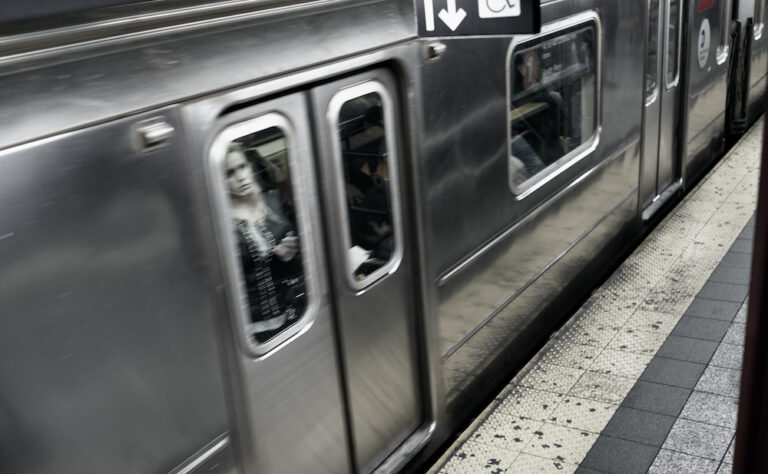
If you’ve been on the New York City subway recently, you’ve probably seen stark white ads promoting a wearable AI device called Friend.
CEO Avi Schiffman told Adweek that the company spent more than $1 million on a campaign with more than 11,000 cards on subway cars, 1,000 platform posters, and 130 urban panels. Some stations, like West 4th Street, are completely dominated by Friend ads.
“This is the world’s first major AI campaign,” Schiffman said. (There have been other AI ads of questionable effectiveness, but perhaps not a print campaign of this scale.) He described it as “a huge gamble,” adding, “I don’t have much money left.”
Friend’s $129 device has been controversial, with Wired writers recently criticizing its constant surveillance and declaring, “I Hate My Friend.” Similarly, some Friend ads have been vandalized with messages calling it “surveillance capitalism” and urging spectators to “get real friends.”
Schiffman said he’s well aware that “people in New York hate AI … probably more than anywhere else in the country,” so he deliberately bought ads with lots of white space “so that they would socially comment on the topic.”
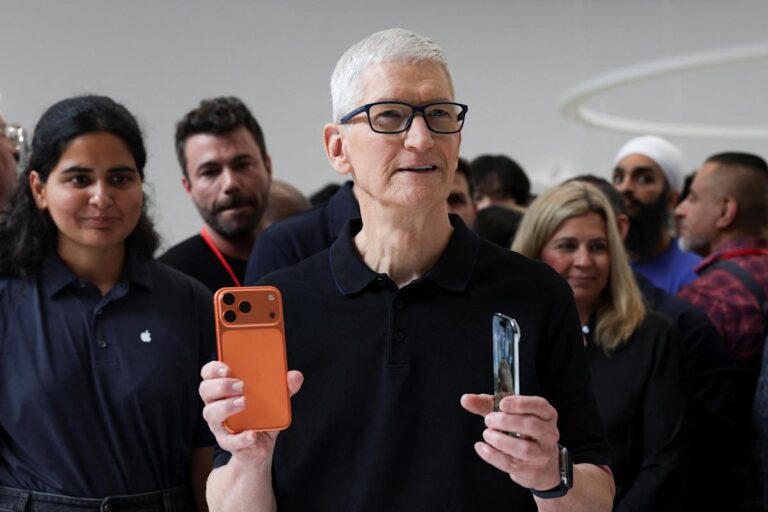
The National Labor Relations Board has withdrawn “many of the claims” it made against Apple in relation to cases brought in 2021 by former employees, according to Bloomberg. In particular, it dismissed an allegation that Apple CEO Tim Cook violated workers’ rights when he sent an all-staff email that year, which said “people who leak confidential information do not belong” in the company. Cook also said in the email that Apple was “doing everything in [its] power to identify those who leaked” information from an internal meeting the previous week, wherein management answered workers’ questions about pay equity and Texas’ anti-abortion law.
Apple didn’t “tolerate disclosures of confidential information, whether it’s product IP or the details of a confidential meeting,” Cook wrote at the time. The NLRB has now withdrawn some of the claims made in complaints by former employee Ashley Gjøvik, including that Apple told employees not to disclose company communications, and that it had suspended Gjøvik in retaliation and fired her unlawfully. But, not all of the allegations have been withdrawn. Apple settled a separate case with Gjøvik back in April, which she announced as a win for workers, as the settlement required Apple to revise rules around employee agreements and discussions of company information to clarify “that employees can talk about their pay, working conditions, and union organizing without retaliation,” and speak to the press, among other things.
In addition dropping its claim that Cook’s email violated workers’ rights, the labor board is also withdrawing its allegation that the firing of activist Janneke Parrish, one of the leaders of the #AppleToo movement, broke the law. It’s dismissing its previous allegations that Apple broke the law by imposing confidentiality rules and surveilling workers or making them think they were under surveillance, as well. After an investigation, NLRB previously came to the conclusion that Cook’s email and Apple’s overall behavior were “interfering with, restraining and coercing employees in the exercise of their rights.”
Bloomberg says this is just one instance of the NLRB being more friendly to companies under President Trump. We’ve reached out to the NLRB for more information.
Correction, September 27, 2025, 6:42PM ET: This story incorrectly stated that the NLRB had withdrawn claims made against Apple in complaints filed by employees including Cher Scarlett. Scarlett’s charges against Apple, which relate to pay equity, suppression of wage discussions and constructive discharge, have not been withdrawn or dismissed.
This article has also been updated to include additional information about allegations by former employee Ashley Gjøvik that have been withdrawn, and about Apple’s previous settlement with Gjøvik.
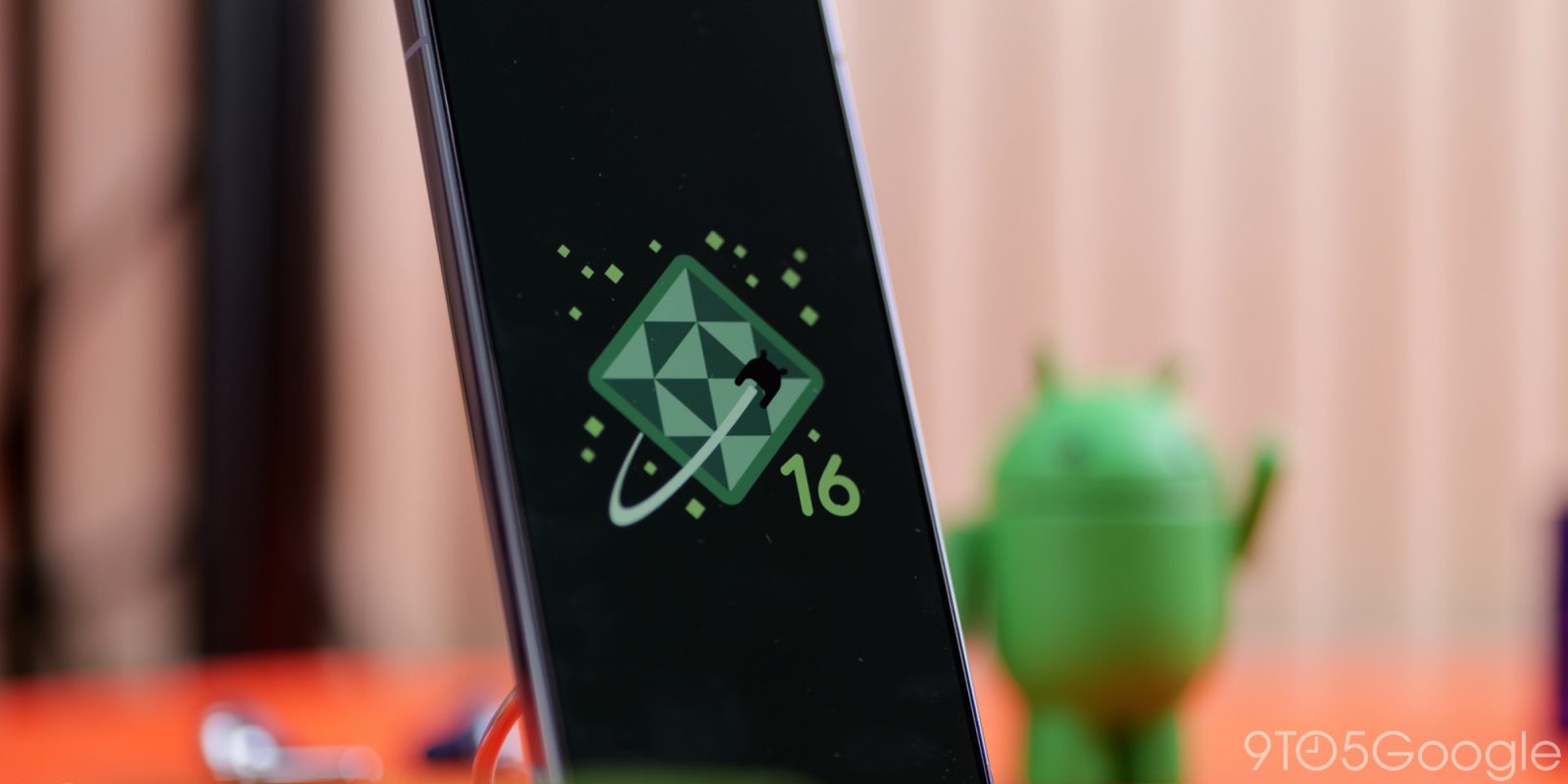
For some reason, not all Beta 3.1 users have received the stable release of Android 16 QPR1, and they are now facing Google Wallet/Pay and VPN issues.
The Android 16 QPR1 “No Data Wipe” OTA started rolling out two weeks ago for some Beta 3.1 users. However, it’s not yet available for all testers that opted out of the Beta Program (as they don’t want to be on QPR2 just yet). Our Pixel Tablet received said OTA, but it’s absent on a Pixel 8a.
Those still on Android 16 QPR1 Beta 3.1 are now getting a warning message with tap-to-pay. Opening Google Wallet reveals the “Device doesn’t meet security requirements” message: “This device may be rooted or running uncertified software. Contact your device manufacturer or visit Google Wallet Help for more info.”
That said, after tapping “Got it,” everything functions normally for most users. For others, Google Pay does not work.
Advertisement – scroll for more content
Meanwhile, we’re noticing an issue with the Pixel-only VPN by Google refusing to connect on Beta 3.1. It just shows the “isn’t available for this account” error.
The “No Data Wipe” update usually rolls out without issue after the stable release. It remains to be seen whether Google is waiting for the October 2025 security patch at this point.
A more immediate fix for those impacted is rejoining the Android Beta Program for QPR2 Beta 2. It’s pretty stable, but you might have an issue with the media player not appearing on the lockscreen. (Lockscreen widgets can be used as a workaround.)
FTC: We use income earning auto affiliate links.More.
KISS founding guitarist Ace Frehley has had a long history of taking falls, often on stage — due to the boots he wore.
Usually he would keep on playing through the fall, but a fall this week in his studio caused the legendary rocker to go to the hospital and cancel a show.
“Dear Rock Soldiers,” a post on Frehley’s Instagram page began. “Ace had a minor fall in his studio, resulting in a trip to the hospital.”
The post continued that Frehley “against his wishes” had to refrain from travel and resulted in canceling a performance at the Antelope Valley Fair in Lancaster, California, on Friday.
“Please go to the fair to support his friends in Quiet Riot and Vixen, and Ace looks forward to continuing on his tour and finishing work on his next album, ‘Origins Vol. 4,’” the post concludes.
Fans were quick to offer well wishes to the musician.
“Ace, you don’t know me. I’m a faceless scream in the crowd. But I have been a fan since 1975. I’ve seen you from the rafters and in the front row. I wish you the best in recovery and beyond,” one commenter wrote.
In an interview with Music Radar earlier this year, Frehley said that he often fell while wearing platform boots on stage and that KISS guitarist/vocalist Paul Stanley or bassist/vocalist Gene Simmons would cover for him.
“I used to fall a lot in those boots,” he told Music Radar. “A lot of times. Paul would cover for me by walking over to me like it was part of the show. He made it look like it was choreography or something.
“If nobody realized I’d fallen, I play on my knees and get back up. It was just part of the show!”
Frehley also shared about the experience he had on stage in which he didn’t fall, and that might have saved his life.
During a show in Lakeland, Florida, in 1976, he was electrocuted due to a grounding issue, which left a staircase rail electrically charged, he said.
“I should have been dead that night,” he told Music Radar. “The fact that I got electrocuted and didn’t fall forward was a godsend. There must have been angels pushing me back.”
“I was standing on top of four Marshall cabinets on a staircase when I got shocked. I had a heavy Les Paul around my neck, and my body should have fallen forward — but I didn’t.”
“If I fell forward, I would have broken my (expletive) neck,” he continued. “But I fell back, and the road crew dragged me back off of the staircase. I had no feeling in my hands for five to 10 minutes.”
Frehley went on to finish the show, and later wrote the song “Shock Me,” which was included on KISS’s 1977 album “Love Gun.” It was the first song to feature Frehley on lead vocals.
If you purchase a product or register for an account through a link on our site, we may receive compensation. By using this site, you consent to our User Agreement and agree that your clicks, interactions, and personal information may be collected, recorded, and/or stored by us and social media and other third-party partners in accordance with our Privacy Policy.
Researchers at consulting firm BetterUp Labs, in collaboration with Stanford Social Media Lab, have coined a new term to describe low-quality, AI-generated work: “workslop.”
As defined in an article published this week in the Harvard Business Review, workslop is “AI generated work content that masquerades as good work, but lacks the substance to meaningfully advance a given task.”
BetterUp Labs researchers suggest that workslop could be one explanation for the 95% of organizations that have tried AI but report seeing zero return on that investment. Workslop, they write, can be “unhelpful, incomplete, or missing crucial context,” which just creates more work for everyone else.
“The insidious effect of workslop is that it shifts the burden of the work downstream, requiring the receiver to interpret, correct, or redo the work,” they write.
The researchers also conducted an ongoing survey of 1,150 full-time, U.S.-based employees, with 40% of respondents saying they’d received workslop in the past month.
To avoid this, the researchers say workplace leaders must “model thoughtful AI use that has purpose and intention” and “set clear guardrails for your teams around norms and acceptable use.”
Google first teased some enticing upgrades for its Pixel Buds Pro 2 during the Made by Google event in August. More than a month later, Google is finally rolling out the update that makes its wireless earbuds earn the Pro label.
The Pixel Buds Pro 2 now get an Adaptive Audio feature in the Active Noise Control section of the Pixel Buds app. This ANC mode automatically adjusts the volume depending on your surrounding environment, balancing between hearing your music or podcasts and the world around you. If you want to drown out the outside world a little more, the Pixel Buds Pro 2 now also have the Loud Noise Protection feature, which can detect and reduce any sudden loud noises, like a passing ambulance siren or construction work. While these two features are already found in Apple’s AirPods Pro 3, they’re a welcome addition to the more affordable Pixel Buds Pro 2.
For anyone who frequently uses Gemini Live, you’ll notice that the AI assistant will be able to hear you better in noisy environments thanks to advanced audio processing that prioritizes your voice and eliminates background noise. For a truly hands-free experience, the update even adds gesture controls that let Pixel Buds Pro 2 users nod their head to answer a call or start dictation for a text reply and shake their head to decline a call or dismiss a text. Google is rolling out its 4.467 update to its users gradually, which takes about 10 minutes to download and another 10 minutes to install.
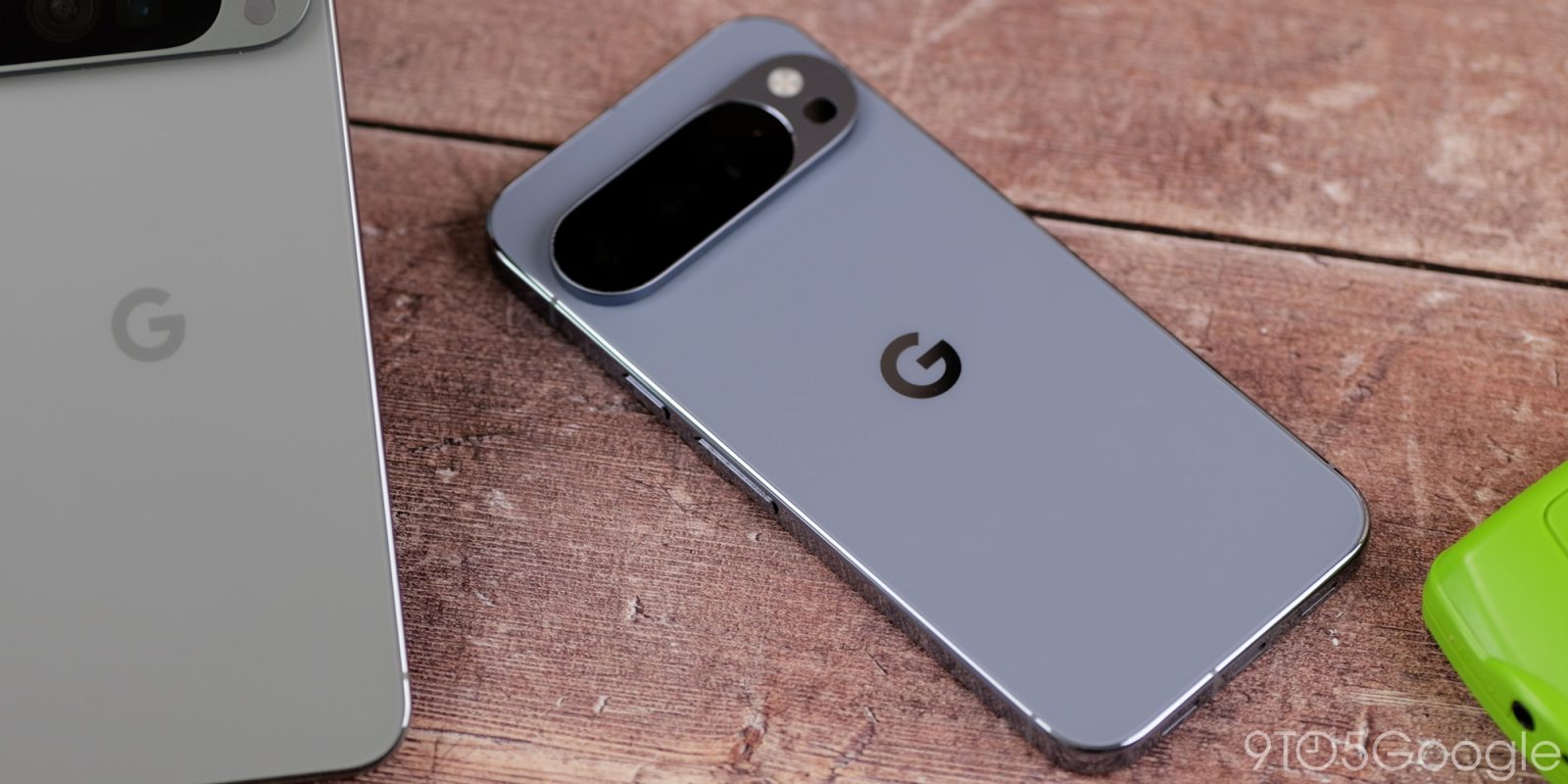
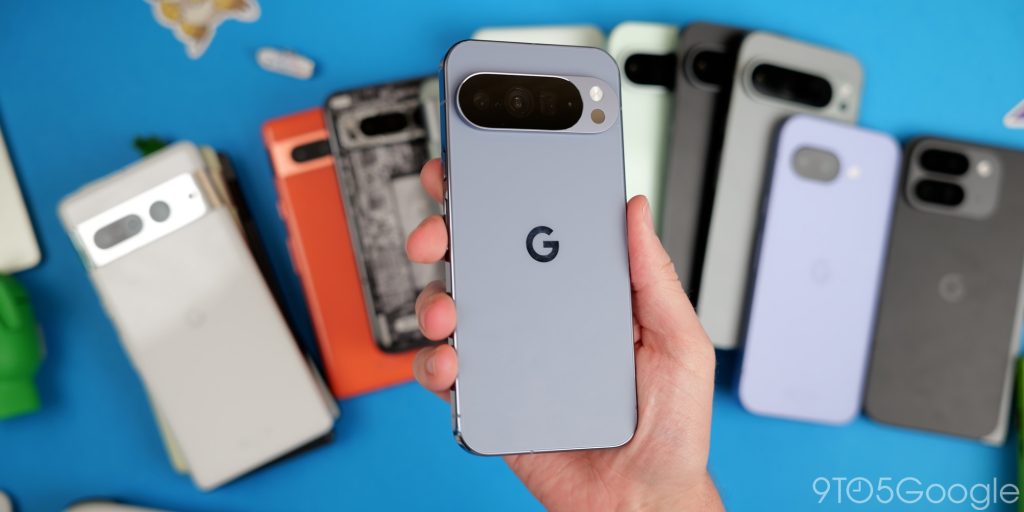
It has been almost 30 days since Google officially launched the Pixel 10 lineup, and the 10 Pro XL is the best of the bunch. Here’s what I have learned, having used it for the full month post-launch.
Staying the same is a sensible choice
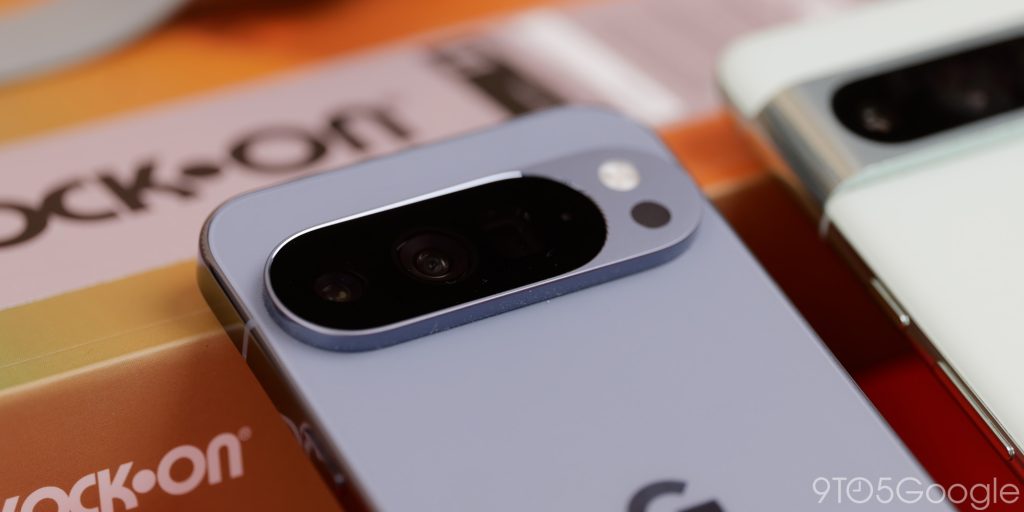
Google’s decision to stick to 99% of the same design seems like a great one. Mostly, because this has allowed the company to address a few things that maybe needed some attention from the Pixel 9 lineup.
The downside is that all of these little changes to the Pixel 10 Pro XL are almost inconsequential to the untrained eye. When all are combined, there are some interesting upgrades to a formula that received plaudits last year.
I am sort of glad that Google settled on a design for another year. Looking back at the previous models, it felt like your Pixel could change for the sake of it, and that really isn’t necessary now. I’m still annoyed that there is no backward compatibility for accessories like cases and covers, but you’ll have to test some for yourself, as not every single accessory is incompatible.
Advertisement – scroll for more content
Adaptive Tone has vastly improved the display experience over the Pixel 9 lineup when I’ve been using this phone over the past month. It’s nothing new on smartphones, but it works exceptionally. Not to mention that it enhances your experience with Material 3 Expressive, as colors pop that little bit more all throughout the day.
At night, I have also found that dark mode has fewer problems with green tinting or blooming around the edges. It also means that blacks are not diluted. It seems like a small change, but I like that there is extra attention to detail and small improvements every release mean greater leaps for people who upgrade every few years.
The enhanced speakers give audio so much more oomph when you’re watching videos or listening to a podcast without headphones. The display and speakers are a match made in heaven and it’s something I hadn’t anticipated.
I’m not saying that the Pixel 9 had bad speakers in any way, shape, or form, but now there is a real depth and richness to all sounds that felt missing on the 9 Pro XL. Right out of the gate, music and spoken word are the most obvious areas of improvement. The highest volume levels seem better than the Pixel 9 Pro XL. There is no tinniness, plus there is a little more nuance in apps like YouTube Music when at the highest volume totem. It’s not all that important if you keep your phone on silent all the time or listen using Bluetooth headphones or speakers, but it is something that people truly care about.
Another tangible benefit is that when you are on a call, you can hear people much more clearly through the earpiece and when on loudspeaker. Not something you should do in a crowded space, but the change is very welcome.
When I’m typing or tapping, I do feel a minor difference in the haptics. It feels like there is at least a minor increase in the Z-axis vibration. That said, Material 3 Expressive does add more vibrations to system areas, so it could simply be this UI improvement and unrelated. Maybe we can get more options like Oppo and OnePlus phones to tune haptics on Pixel at some point. I’d love to play around with how vibrations feel on my Pixel 10 Pro XL.
After a month, I thought the initial awe of Pixelsnap, AKA Magsafe, would have dulled, but no, it’s honestly awesome to be able to go lightweight with my phone. It goes further than that, though. Having more accessories on tap is great now. I can pull up Amazon or any other online retailer and just find something that’ll stick to the back of my phone with or without a case.
The next generation of Pixelsnap on Pixel 11+ does need stronger magnets. Some accessories can slip and slide on the back of your phone or case. So long as that Magsafe wallet has good magnets, it’ll attach firmly and safely.
Everywhere else I can’t complain, this is the Pixel 9 Pro XL again, but with added attention to detail. I’m glad Google is refining rather than trying to reinvent this year.
Hands-off AI enhancements are the way to get people onside.
If, and it’s a big “if”, the wealth of AI additions to the Pixel 10 series start to work as advertised, then we’ll all have an incredible experience day-to-day with any of the new phones. Right now, things are a little fragmented in that we have some that are working as intended, plus a few that only work randomly.
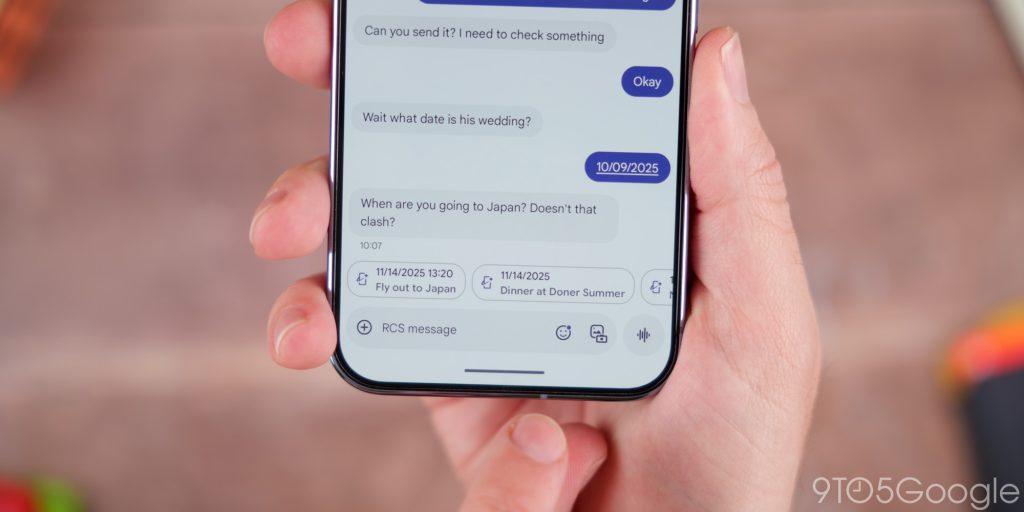
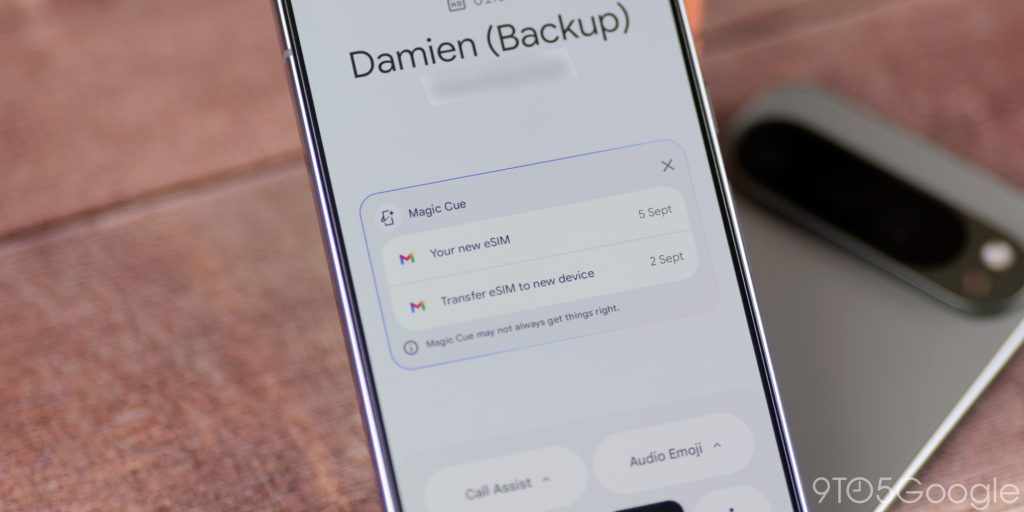
Magic Cue is the prime example. When it works, it’s excellent. Most of the time, it just sits dormant and barely gets involved. I’m seeing it more often than not in the wrong places. For instance, Google Maps will surface a suggestion I don’t need.
It is way better in areas like Google Messages when the person you’re chatting with asks you a question. I think this hands-off approach feels more natural, but maybe we could adjust settings to get it to be more aggressive at surfacing on-device information, provided you’re comfortable with it. One thing I have noticed is that Magic Cue has improved drastically post-launch, and I hope it continues to get better and works outside of just Google’s first-party apps. I barely use most of these and want to see more places where it’ll jump in and save me a search.
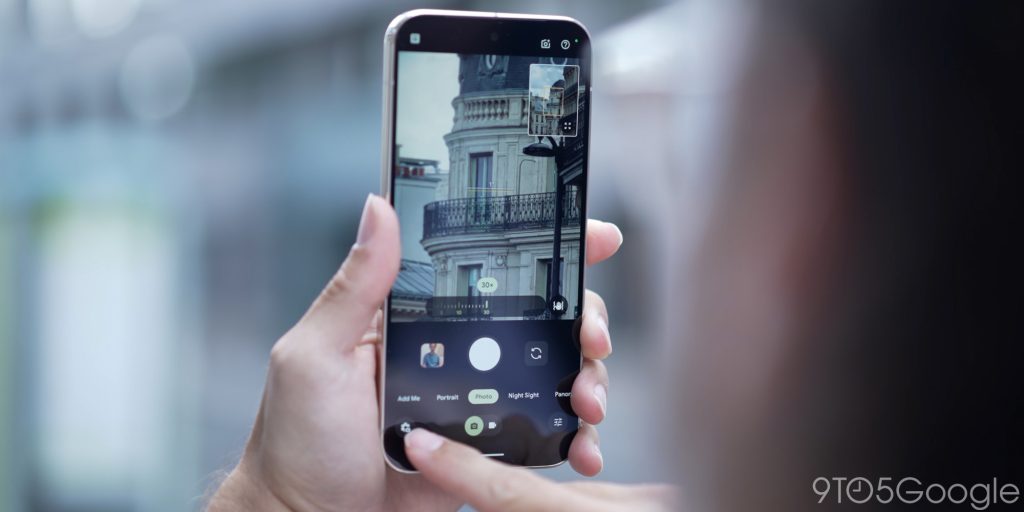
Pro Res Zoom has been the most confusing function as it inserts information that isn’t there, but sometimes, it makes a blocky photo something to truly remember. Being realistic about what you can expect is also a good thing. You are meant to experiment with the function. I feel like Google giving you the original plus the AI-enhanced shot subtly reiterates this to you when you’re in the Photos app.
When I’m out and I see a squirrel from afar, I feel the need to take a photo. From 30 feet, you can get some stellar shots once the enhancement is applied. Fur and intricate details are effectively “revealed” when, in actuality, they’re added post-shutter press. This is why I’m confused. I am telling myself it’s not what the camera was able to capture, but the end result is impressive, and I’m torn about it. On the one hand, I love it; on the other hand, is this something Google will utilize more when I really want the company to add more to the next-generation Pixel camera hardware system?
I feel like there is a fine balance, and the company needs to ensure that not every hardware shortcoming has AI shoehorned in to try and fill the gaps. In my opinion, it’ll end badly if Google does this. Does it diminish how much I’m using Pro Res Zoom? Absolutely not. I’m a full-on hypocrite.
I highly appreciate that Pro Res Zoom isn’t a destructive AI edit. The original image is preserved, which is great because you can decide whether to keep or delete the original photo or just ignore the processed photo entirely.
Does AI matter when the software is this good?
AI, AI, AI, does it really make a big difference if the fundamentals are solid? I think Material 3 Expressive is the perfect way to drive people back to your phones or at least make people take a good, hard look at what they’re missing out on.
Take for instance Apple’s Liquid Glass, which has truly divided opinion online. It is a major shift and feels like a design change from a company that is looking outside of the walled garden for ideas, despite being the outright industry leader.
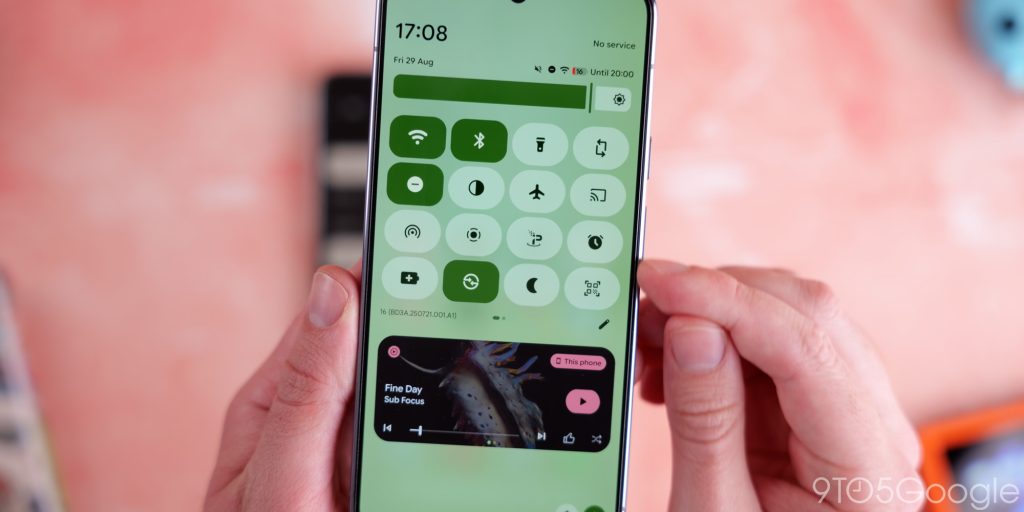
On the Pixel 10 Pro XL Android 16 QPR1 is a genuine triumph, and it’s only set to improve as Google preps QPR2 for release before the end of year. Most of the biggest complaints we’ve had with Material You have been addressed with a few more set to be fixed by December 2025.
Animations are fully realised. Playful touches make certain areas feel alive. I was excited for the launch and the stable version has rocketed the experience above any other skinned version of Android 16 – not that many are available all that widely.
For potential converts, the extra attention paid will no doubt help people feel at home on their phone. You don’t have to give up great design for fads and throwing out core accessibility functionality. I’ve played with the iPhone 17 Pro Max since launch, and many people will really like making the switch to a UI that is not trying to inhibit their experience.
Much ado about power
This is the last year Google can get a pass for the lack of power in the homegrown SoC. The Tensor G5 processor lacks a distinct competitive edge, and it is more apparent this year than ever before. Although not to defend the chip too much, it is only truly noticeable in specific circumstances.
I can’t say the Pixel 10 Pro XL feels slow or sluggish, because that would be an outright lie. Maybe there are things that the OnePlus 13 or Galaxy S25 Ultra can do better. In most cases, you’re not going to notice. This feels like the Pixel 5 moment all over again. Make sure all the problems are fixed before Google can really start to make gains in core system performance. Resolving the major overheating problems with Tensor means the next wave can be tuned and I’m excited for the future of the lineup provided we get parity with at least the previous generation top tier processors.
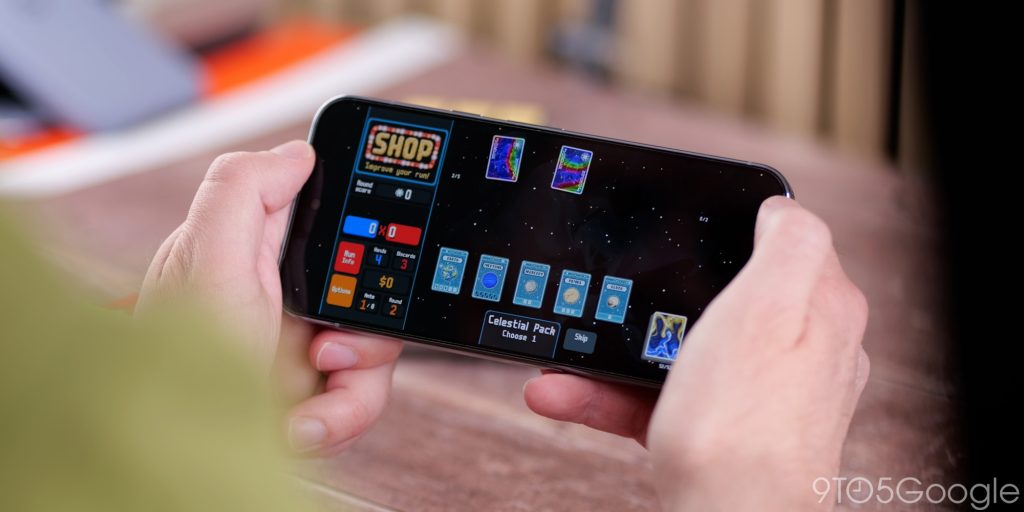
I have not pushed the chip in the here and now. Balatro runs fine. Images process a little slower than competitors’, and maybe some apps could open faster. In some ways, Google has made it easy for you to decide on your next phone. Care about having a chip that hits the top of the leaderboard? Well, a Tensor-powered Pixel has never been the right choice for you anyway.
I switched over from the Galaxy S25 Ultra and I’m still having a blast. I can’t say I expected that.
A good phone hindered by the retail price
I don’t care as much about the performance shortfall as I expected, but I can’t recommend it at its full retail pricing because you can get better deals in the coming weeks and months. Google is notorious for dropping the pricing of its latest devices within a few weeks or months of launch. We’re already seeing some sales pop up. Expect that to get even more aggressive now that the iPhone 17 series has hit store shelves globally, too.
There is a good phone underneath the exorbitant asking price. Arguably and objectively the best Pixel to date. It follows a couple of good years for the lineup, so it might not receive huge fanfare, but I’ve enjoyed it more than I expected. All of the little things have made for a better experience in most areas.
To be 100% transparent: I actually expected to switch back to the Galaxy S25 Ultra in a few months. I doubt I will do that now. I’m pleasantly surprised, and there’s a lot to like, nay love, about the Pixel 10 Pro XL. So long as you know what you’re getting and what you’re not getting. Yes, the price is too high, but the optics of a lower asking price than the iPhone show a lack of confidence in the product. Google is confident in the Pixel 10 this year and in lots of ways, rightfully so.
Is it the best phone? Not by a long shot. Is it the best Pixel? Yes, by an admittedly small margin.
FTC: We use income earning auto affiliate links.More.
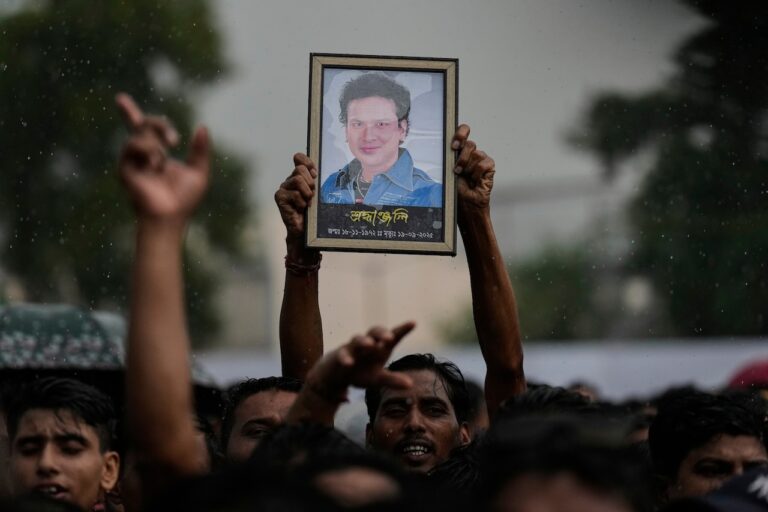
Fans have been mourning the death of popular Indian musician Zubeen Garg, who died at 52 in a scuba diving accident earlier this month.
North East India Festival organizers said on Instagram that the accident happened in Singapore before Garg was supposed to arrive at the event.
His death was confirmed as a “drowning” by Assam Chief Minister Hiamnta Bissau Sarma, Times of India reported. He died in the hospital on Friday, Sept. 19, at around 2:30 p.m., India Standard Time.
“This is a monumental loss, and words cannot express the depth of our grief,” the organizers wrote, adding that the festival has been cancelled in light of the incident. “We are devastated and pray for the departed soul of Zubeen Garg.”
On Tuesday, the singer was cremated and hundreds of thousands of people gathered to mourn his death in Assam which declared three days of mourning his death, BBC reported.
The crowd sang lines from one of his most popular songs, “Mayabini” and many politicians and musicians from across the region traveled to join fans in paying their respects, BBC wrote.
Indian Prime Minister Narendra Modi also expressed his condolences via X.
“Shocked by the sudden demise of popular singer Zubeen Garg,” Modi wrote on Sept. 19. “He will be remembered for his rich contribution to music. His renditions were very popular among people across all walks of life. Condolences to his family and admirers. Om Shanti.”
Garg launched his music career in 1992 when he debuted his album, “Anamika” at 19 years-old. The musician then became known for his 2006 hit, “Ya Ali” which was released as part of the Bollywood movie “Gangster” soundtrack, IMDb wrote. Garg has recorded and sung more than 32,000 songs in nearly 40 Indian languages.
If you purchase a product or register for an account through a link on our site, we may receive compensation. By using this site, you consent to our User Agreement and agree that your clicks, interactions, and personal information may be collected, recorded, and/or stored by us and social media and other third-party partners in accordance with our Privacy Policy.
Assata Shakur, a Black political activist who was convicted for killing a New Jersey state trooper and later exiled to Cuba, has died.
AILSA CHANG, HOST:
For decades, Assata Shakur has been a towering figure in American movements for Black liberation and racial justice. Since the 1970s, she’s also been one of the country’s most wanted fugitives after her conviction for a police officer’s murder. She died in exile in Cuba yesterday at 78. NPR’s Adrian Florido has this remembrance.
ADRIAN FLORIDO, BYLINE: Assata Shakur was a central figure in the Black Liberation Army formed in the early 70s by former Black Panthers who took up arms in the fight against the oppression of Black people. In 1973, Shakur and two other BLA members were pulled over by state troopers in New Jersey. Exactly what happened next has always been in dispute, but there was a shootout that left an officer and one of Shakur’s companions dead and Shakur and a second officer shot. She denied having fired, but in 1977, she was convicted of murder. She was sentenced to life in prison. Two years later, armed men helped her escape.
(SOUNDBITE OF ARCHIVED RECORDING)
UNIDENTIFIED PERSON #1: She made her break this afternoon from the prison in Clinton, New Jersey. And lawmen once called her the soul of the Black Liberation Army.
FLORIDO: She went into hiding, but fled to Cuba in 1984. Fidel Castro granted her asylum. Years later, she spoke with NBC News there.
(SOUNDBITE OF ARCHIVED RECORDING)
RALPH PENZA: Did you shoot Werner Foerster?
ASSATA SHAKUR: No, I did not. I was shot with my arms in the air, then shot again in the back and then left on the ground to die.
FLORIDO: The FBI called Shakur, whose legal name was Joanne Chesimard, a cold-blooded killer. But Shakur’s supporters considered her a hero because of her unapologetic and radical activism against racial oppression. She summed up her views in that NBC interview.
(SOUNDBITE OF ARCHIVED RECORDING)
SHAKUR: People have the right to free themselves from oppression by whatever means they deem possible.
FLORIDO: In recent years, racial justice activists across the U.S. have started protests by chanting something Shakur wrote.
(SOUNDBITE OF ARCHIVED RECORDING)
UNIDENTIFIED PERSON #2: It is our duty to fight for our freedom.
UNIDENTIFIED CROWD: It is our duty to fight for our freedom.
UNIDENTIFIED PERSON #2: It is our duty to win.
UNIDENTIFIED CROWD: It is our duty to win.
UNIDENTIFIED PERSON #2: We must love…
FLORIDO: Robyn Spencer-Antoine is an historian of the Black Power movement at The City University of New York. She says Shakur became a symbol of fierce determination to resist.
ROBYN SPENCER-ANTOINE: That she was incarcerated and persecuted but then had a life beyond the walls of prison, a life beyond the borders of the United States I think really captured the imagination.
FLORIDO: Before her 1977 murder conviction, officials had tried many times to prosecute Shakur for other crimes, but she was never convicted of those. She always said officials would do anything to put her away, which is why she refused to return to the U.S. In a statement, Cuba’s government said she died of health conditions and advanced age.
Accuracy and availability of NPR transcripts may vary. Transcript text may be revised to correct errors or match updates to audio. Audio on npr.org may be edited after its original broadcast or publication. The authoritative record of NPR’s programming is the audio record.
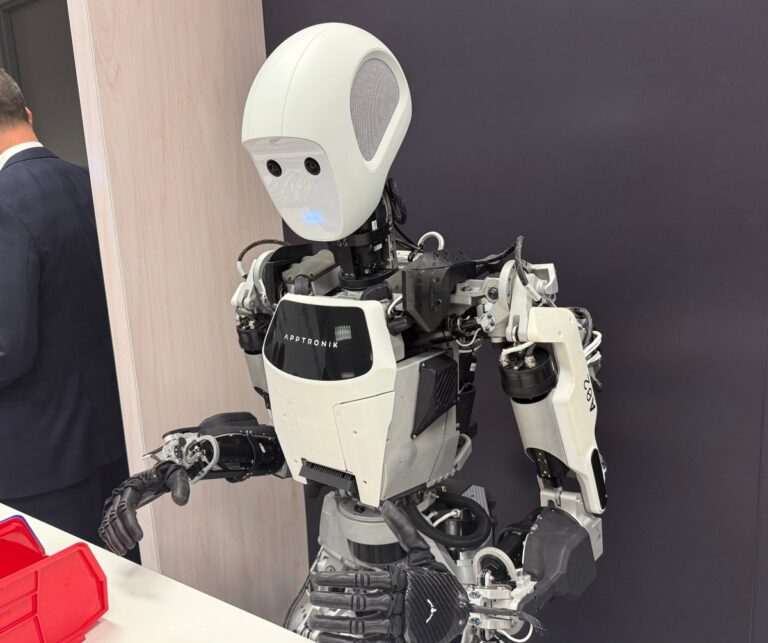
Renowned roboticist Rodney Brooks has a wake-up call for investors pouring billions into humanoid robot startups: you’re wasting your money.
Brooks, who co-founded iRobot and spent decades at MIT, is particularly skeptical of companies like Tesla and Figure trying to teach robots dexterity by showing them videos of humans doing tasks. In a new essay, he calls this approach “pure fantasy thinking.”
The problem? Human hands are incredibly sophisticated, packed with about 17,000 specialized touch receptors that no robot comes close to matching. While machine learning transformed speech recognition and image processing, those breakthroughs built on decades of existing technology for capturing the right data. “We don’t have such a tradition for touch data,” Brooks points out.
Then there’s safety. Full-sized walking humanoid robots pump massive amounts of energy into staying upright. When they fall, they’re dangerous. Physics means a robot twice the size of today’s models would pack eight times the harmful energy.
Brooks predicts that in 15 years, successful “humanoid” robots will actually have wheels, multiple arms, and specialized sensors and abandon the human form. Meanwhile, he’s thoroughly convinced that today’s billions are funding expensive training experiments that will never scale to mass production.







![What I learned after 30 days with the Pixel 10 Pro XL [Video]](https://eyeobserver.online/wp-content/uploads/2025/09/Pixel-10-Pro-XL-in-Moonstone-768x402.jpg "What I learned after 30 days with the Pixel 10 Pro XL [Video]")