Home Blog Page 187

Why California’s SB 53 might provide a meaningful check on big AI companies

0


California’s state senate recently gave final approval to a new AI safety bill, SB 53, sending it to Governor Gavin Newsom to either sign or veto.

If this all sounds familiar, that’s because Newsom vetoed another AI safety bill, also written by state senator Scott Wiener, last year. But SB 53 is narrower than Wiener’s previous SB 1047, with a focus on big AI companies making more than $500 million in annual revenue.

I got the chance to discuss SB 53 with my colleagues Max Zeff and Kirsten Korosec on the latest episode of TechCrunch’s flagship podcast Equity. Max believes that Wiener’s new bill has a better shot of becoming law, partly because of that big company focus, and because it’s been endorsed by AI company Anthropic.

Read a preview of our conversation about AI safety and state-level legislation below. (I’ve edited the transcript for length and clarity, and to make us sound slightly smarter.)

Max: Why should you care about AI safety legislation that’s passing a chamber in California? We’re entering this era where AI companies are becoming the most powerful companies in the world, and this is going to be potentially one of the few checks on their power.

This is much narrower than SB 1047, which got a lot of pushback last year. But I think SB 53 still puts some meaningful regulations on the AI labs. It makes them publish safety reports for their models. If they have an incident, it basically forces them to report that to the government. And it also, for employees at these labs, if they have concerns, gives them a channel to report that to the government and not face pushback from the companies, even though a lot of them have signed NDAs.

To me, this feels like a potentially meaningful check on tech companies’ power, something we haven’t really had for the last couple of decades.

Techcrunch event

San Francisco
|
October 27-29, 2025

Kirsten: To your point about why it matters at the state level, it’s important to think about the fact that it’s California. Every major AI company is pretty much, if not based here, it has a major footprint in this state. Not that other states don’t matter — I do not want to be getting emails from the folks in Colorado or whatever —  but it does matter that it’s specifically California because it’s really a hub of AI activity. 

My question for you, though, Max, is it just seems like there’s a lot of exceptions and carve-outs. It’s narrower, but is it more complicated than the previous [bill]?

Max: In some ways, yes. I would say the main carve-out of this bill is that it really tries to not apply to small startups. And basically, one of the main controversies around the last legislative effort from Senator Scott Weiner, who represents San Francisco, who authored this bill, a lot of people said it could harm the startup ecosystem, which a lot of people take issue with because that’s such a booming part of California’s economy right now.

This bill specifically applies to AI developers that are [generating] more than $500 million [from] their AI models. This really tries to target OpenAI, Google DeepMind, these big companies and not your run-of-the-mill startup.

Anthony: As I understand it, if you’re a smaller startup, you do have to share some safety information, but not nearly as much.

It’s [also] worth talking about the broader landscape around AI regulation and the fact that one of the big changes between last year and this year is now we have a new president. The federal administration has taken much more of a stance of no regulation and companies should be able to do what they want, to the extent that they’ve actually included [language] in funding bills saying states cannot have their own AI regulation.

I don’t think any of that has passed so far, but potentially they could try to get that through in the future. So this could be another front in which the Trump administration and blue states are fighting.

Equity is TechCrunch’s flagship podcast, produced by Theresa Loconsolo, and posts every Wednesday and Friday.

Subscribe to us on Apple Podcasts, Overcast, Spotify, and all the casts. You also can follow Equity on X and Threads, at @EquityPod. 



Source link

One year of Starz is on sale for just $24

0


Right now, you can get one year of Starz streaming service for just $24 when you prepay for the entire year. That’s $46 less than the usual annual cost. There’s also a month-to-month option, which is offering the first three months for $4 per month instead of the usual $11; that’s a 64 percent discount.

Image for the small product module

Starz

Save 64 percent when you pay for one year of Starz upfront.

$24 at Starz

Starz may not be one of the most prominent streamers, but it still makes our list of best streaming deals when it’s offered at such a great value. The service offers a deep catalog of recognizable titles as well as original series like Outlander, Spartacus and Ash vs. Evil Dead. The TV shows are almost exclusively Starz originals, with some old western shows mixed in.

A Starz subscription supports streaming on up to three devices simultaneously and offers a live stream of its cable channels for subscribers via the website. The Starz app and streaming service do not offer a 4K streaming option.

There are a ton of great streaming services to choose from these days, though many of them have been repeatedly raising prices. For would-be cord-cutters, subscribing to enough streamers isn’t that much cheaper, if at all, than a cable bill. That’s where more value-minded offerings like Starz fit in.

Follow @EngadgetDeals on X for the latest tech deals and buying advice.


Source link

Today’s Android app deals and freebies: Swim Out, Super Onion Boy 2, Neoteria, Concordia, more

0


Your Friday afternoon edition of the Android game and app deals is waiting down below. Just be sure to dive into the Google Birthday sale where you’ll find $100 prepaid Mastercard offers on Pixel 10 purchases and up to $400 off unlocked phones. On top of that we also spotted the popular Legion Tab Gen 3 back at its lowest price alongside the brand’s Chromebook Duet 11 at $120 off. As for the apps, hit the jump for a closer look. 

more…


Source link

Powerball winner donates entire prize to charity: ‘God is blessing me so I can bless others’

0


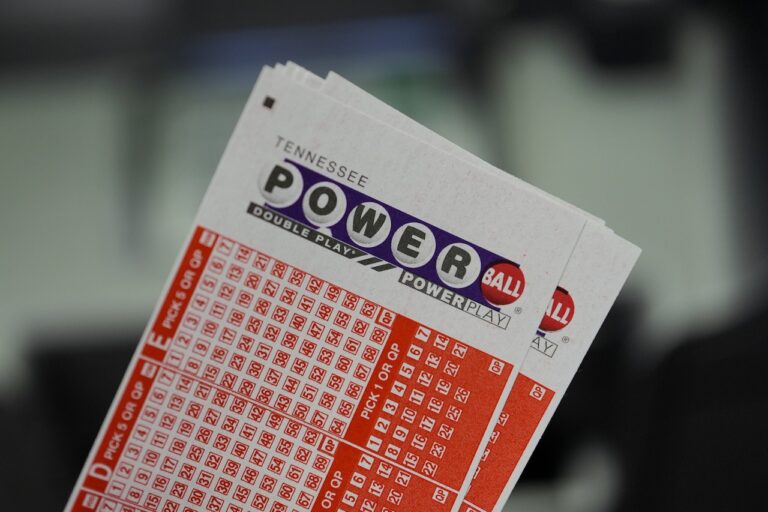
Carrie Edwards, of Midlothian, Virginia, has donated her lottery earnings to charity after winning big, according to a release from the Powerball website.

Edwards won $150,000 after matching the first four numbers and Powerball number on her lottery ticket for the Sep. 8 draw. Normally, this would have earned her $50,000, but she spent an extra dollar on the Power Play, tripling the winnings.

She received her winnings on Tuesday and subsequently donated $50,000 dollars each to three charities of her choice, according to the release.

“God is blessing me, so I can bless others through Him,” she said. “After all, we are all just walking each other Home.”

The first third of the money was donated to the Association for Frontotemporal Degeneration, an organization dedicated to promoting research, support and resources for those affected by early-onset dementia.

This donation was made in memory of Edwards’ late husband, Steve, according to a release by the AFTD.

“This generous gift will directly support vital research and family services as we work toward a future free of FTD,” said AFTD CEO Susan L-J Dickerson in the release.

The second third of the winnings went to Shalom Farms, a nonprofit farm and food justice organization looking to increase access to healthy foods in communities lacking it.

The third $50,000 donation benefits the Navy-Marine Relief Society, which provides resources for active service members, veterans and their families.

“I feel blessed that this unexpected lottery win can serve a greater purpose,” Edwards said in the release.

If you purchase a product or register for an account through a link on our site, we may receive compensation. By using this site, you consent to our User Agreement and agree that your clicks, interactions, and personal information may be collected, recorded, and/or stored by us and social media and other third-party partners in accordance with our Privacy Policy.


Source link

One week left to save up to $668 for Disrupt 2025 passes

0


It’s official! We are in the final week to lock in your TechCrunch Disrupt 2025 pass and save up to $668. If you have been on the fence about joining one of the biggest tech gatherings of the year, where we will also celebrate 20 years of TechCrunch, now is the time to commit before prices rise.

Register here to secure your discount before time runs out. Prices jump on September 26 at 11:59 p.m. PT.

TechCrunch Disrupt 2025 1 week

Top voices sharing key takeaways

We’re bringing the biggest names in tech to San Francisco’s Moscone West this October 27–29. Who’s taking the stage? You’ll hear from today’s tech leaders:

Plus dozens more leaders from Meta, Google Cloud, Pinterest, GitHub, GTMfund, Index Ventures, and beyond. Across 250+ sessions on industry stages, roundtables, and breakouts will be packed with startup energy, deal flow, and the industry’s top movers.

Anton Osika
Image Credits:TechBBQ

Connections to fuel your next big step

Disrupt 2025 is where the next wave of ideas, products, and partnerships begins. It’s your chance to join a community of builders, operators, investors, and tech visionaries. Beyond big insights from the top voices in tech, you’ll leave with powerful connections to fuel your next stage of growth — whatever that looks like to you. From interactive roundtables and live Q&A sessions to curated 1:1 and small-group networking, Disrupt is where you turn your vision into reality.

TechCrunch Disrupt 2025 Braindate networking
Image Credits:Slava Blazer Photography

Register by September 26 to save

Register now — your last chance to secure your discount ends in just one week. These low rates end on September 26 at 11:59 p.m. PT.


Source link

The best iPhone 17 and iPhone 17 Pro cases for 2025

0


The best iPhone 17 and iPhone 17 Pro cases do more than just guard against drops — they can add MagSafe compatibility, extra grip, built-in stands or even a touch of luxury. Whether you’re after slim and stylish, rugged and shockproof or something that adds a bit of personality, there’s a case to match every need.

With so many options to choose from, finding the best iPhone case overall depends on how you use your phone day to day. Maybe you need something minimal for pockets, or maybe you’re after serious protection for travel and outdoor use. Either way, we’ve rounded up the best picks for both the iPhone 17 and 17 Pro, so you don’t have to waste time scrolling through endless listings.

Best iPhone 17 cases for 2025

Image for the large product module

Spigen

Features: MagSafe | Material: Polycarbonate, TPU | Availability: iPhone 17 and iPhone 17 Pro cases out now

If you want a basic, protective case for your Apple iPhone that comes at an affordable price, Spigen has you covered with some of the best iPhone 17 cases. The company’s Ultra Hybrid MagFit clear cases and MagSafe cases show off the color of your iPhone and we like their raised bezels that protect the rear camera. The cases also have tactical buttons on the side that make it easy to feel around and adjust your phone’s volume without even looking at it.

The overall slim profile of the hybrid polycarbonate and TPU case allows it to snap to your iPhone without adding too much bulk, and it’s MagSafe compatible as well. Spigen offers a range of Apple cases, including iPad cases, plus screen protectors for all-around protection. Also, the Ultra Hybrid case was one of the most secure we tried – to the point where it was almost difficult to extricate the iPhone when we needed to test out a new phone cover.

$13 at Amazon

Image for the large product module

ESR

Features: MagSafe | Material: Polycarbonate, silicone, zinc-alloy | Availability: iPhone 17 and iPhone 17 Pro cases out now

ESR’s Cloud Series iPhone cases are another option similar to Spigen’s if you want a decent amount of protection in a slim, attractive and affordable package. They have a soft-touch silicone finish that feels comfy and luxe at the same time, and the microfiber inner lining prevents your phone from getting any scratches. The case design is military-grade shock and drop protected, and there’s a handy stand built into the rim of the camera plateau edges. Simply flip it out to prop up your phone in either portrait or landscape mode, and fold it back in when you don’t need it. Chances are, you may forget it’s there because it blends so seamlessly into the case design.

$27 at Amazon

Image for the large product module

Smartish

Features: MagSafe | Material: Plastic, Thermoplastic Polyurethane | Availability: iPhone 17 and iPhone 17 Pro cases out now

We’ve recommended Smartish cases in the past for their artistic designs, but we particularly like the Gripmunk series as a best iPhone 17 case. These thin cases are a bit rougher around the edges than Spigen’s cases, literally – Gripmunk covers have textured edges that make them easier to grip and less likely to slip out of your hands, while the backs of the cases and smooth and can show off cute patterns and designs like floral arrays, cosmic scenes and more. There are a few solid-color options too, if you want to go the True Basic route (no shame), and these are all MagSafe cases as well, so they’ll be compatible with your favorite MagSafe chargers. If you’re a minimalist and don’t like to carry a lot on your person, you could ditch your billfold and spring for Smartish’s Wallet Slayer, a cardholder case that has similarly textured edges along with a sleeve on the back. This wallet case can hold up to three credit cards and a few notes of cash.

$20 at Amazon

Image for the large product module

ZAGG

Features: MagSafe | Material: Thermoplastic Polyurethane | Availability: iPhone 17 and iPhone 17 Pro cases out now

Maker of fine screen protectors, Zagg also makes solid iPhone 17 cases as well. The Santa Cruz line gives you a little bit of color but also doesn’t get in the way of showing off your chosen iPhone finish. These cases are mostly clear with your color of choice surrounding the textured edges, and the whole design has been made durable enough to protect from drops up to 13 feet. Santa Cruz cases also have a built-in kickstand to prop up your phone, and they also feature ClearGuard anti‑yellowing technology and an anti‑scratch coating.

$55 at Amazon

Image for the large product module

MOFT

Features: MagSafe | Material: Vegan leather | Availability: iPhone 17 and iPhone 17 Pro cases out now

Moft is known for stylish iPhone accessories and the new Movas MagSafe case keeps that spirit alive. The company’s proprietary MOVAS-P Series vegan leather feels premium and is also eco-friendly, plus the case includes a fully wrapped camera control button for more tactile feedback. The “snap” in the name refers to its compatibility with other Moft snap accessories like the tripod stand. But it’s simply a MagSafe case, so it can be used with other MagSafe accessories made by different companies.

$50 at Amazon

Image for the large product module

Casetify

Features: MagSafe | Material: Plastic | Availability: iPhone 17 and iPhone 17 Pro cases out now

It doesn’t get much better than Casetify for those that care about getting their phone to match their personality as closely as possible. The brand has an impressive number of prints, patterns, graphics and designs available on its iPhone cases, including multiple influencer collaborations, so you’re likely to find something that fits even the most niche requirements.

The Impact series in particular fits the bill as some of the best iPhone 17 cases — it’s a good option for everyday protection since these cases won’t add too much bulk to your iPhone, but will still protect it from drops up to 8.2 feet. With drop tests and a 4x MIL-STD-810G standard, these cases can also withstand harsh environments, so your iPhone will be protected, whatever the weather. You’ll find Impact cases for iPhone models going back to the iPhone 13, and many of them are MagSafe compatible, too.

$78 at Casetify

Best iPhone 17 case FAQs

What is the most protective brand of phone cases?

There is no one “most protective” brand of phone cases, but rather there are many that tout extra security for your handset. Some of the most protective phone cases we’ve tried come from Otterbox; most of the brand’s cases have a bit more protection than your standard phone case, even the ones that are designed to be on the slim side. Otterbox also makes a wide variety of phone cases, so there’s a good chance you’ll find one that suits your style and provides the level of protection you’re looking for. Otterbox’s Defender series is one of the best you can get if you care first and foremost about making sure your phone survives all kinds of accidents (save for a dunk in a pool).

Silicone vs hard case: Which one is better?

Neither silicone nor hard cases are better than the other. Silicone cases tend to be thinner and feel soft to the touch, and they’re often easier to put on and take off of phones. Hard cases can be on the thicker side, but they provide a bit more drop protection than silicone cases. Which type of case is best for you depends on the type of experience you want from your phone. It’s also worth nothing that both silicone cases and hard cases come in a variety of colors, designs and styles, so you have plenty of choose from to match your personality on both sides.

Does an iPhone 17 need a screen protector?

The iPhone 17 features Apple’s tough Ceramic Shield 2 front, which is definitely more durable than standard glass — but it’s not invincible. If you want to avoid scratches from keys, drops onto pavement or just the wear and tear of daily use, a screen protector is still a smart move. It adds an extra layer of defense without getting in the way of touch sensitivity or Face ID. So, while it’s not absolutely essential, using one is a good idea if you want to keep your screen looking flawless for the long haul.

Is the iPhone 17 drop-proof?

The iPhone 17 is built to be tough, with Ceramic Shield 2 on the front and a sturdy aluminum or titanium frame (depending on the model), but it’s not completely drop-proof. It can handle the occasional bump or short fall, especially if it lands on a flat surface — but drops on concrete or at awkward angles can still cause cracks or damage. If you’re prone to butterfingers, pairing your iPhone 17 with a durable case and maybe even a screen protector is the best way to play it safe.

Georgie Peru contributed to this report.


Source link

Samsung is still ‘considering’ releasing Galaxy TriFold in the US

0


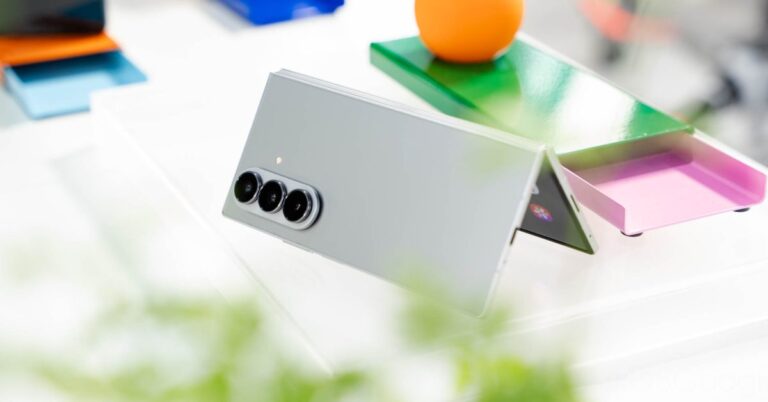
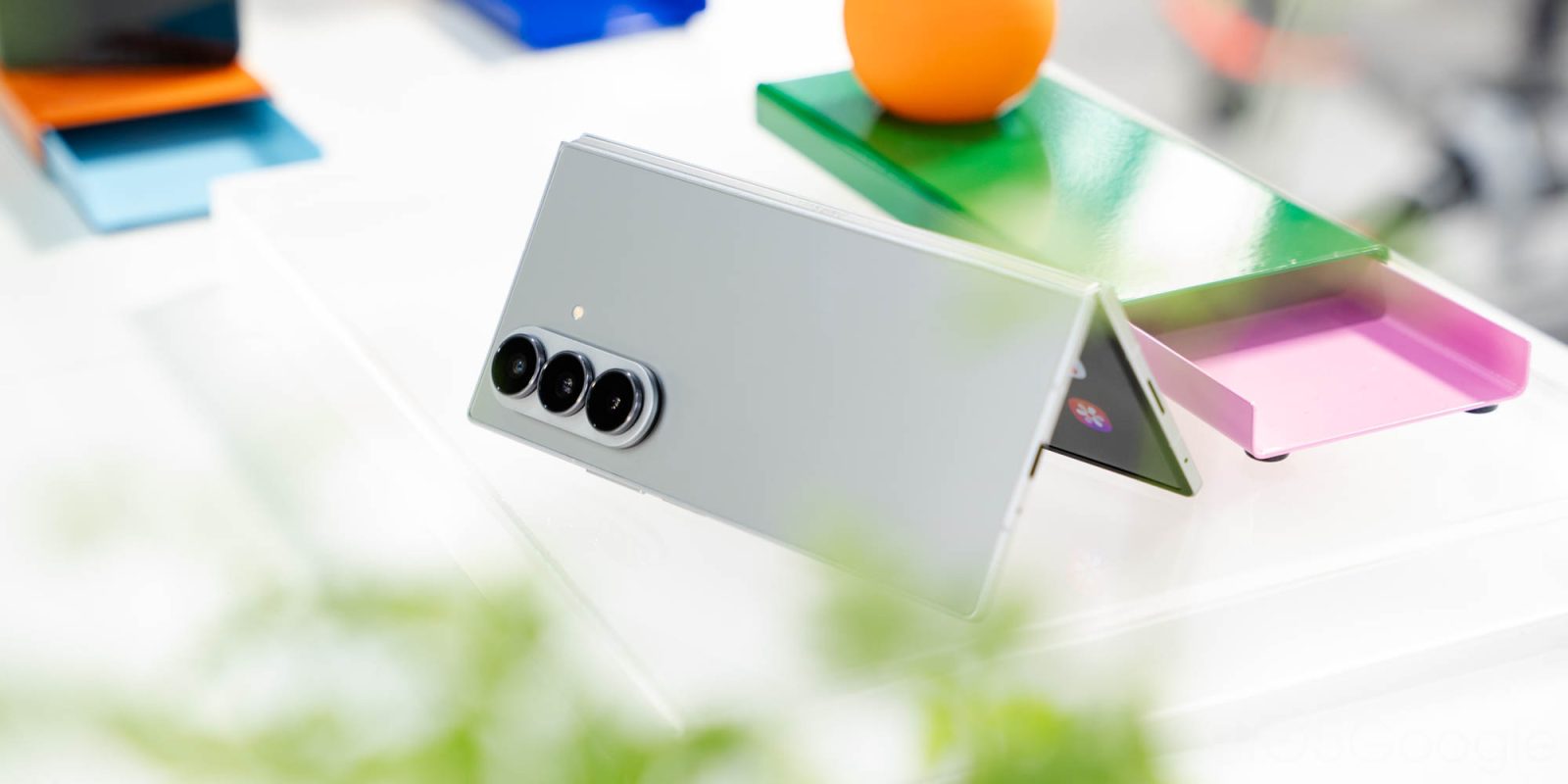
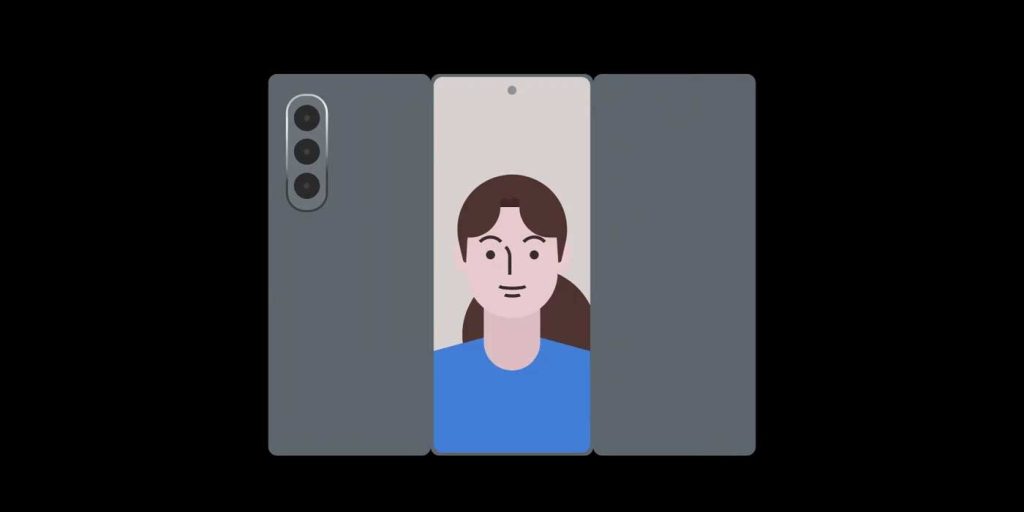
Samsung’s Galaxy “TriFold” device is clearly right around the corner, but where it will be available has been up for debate. According to a new report, though, Samsung is “considering” selling the Galaxy TriFold in the US and other markets, but nothing is set in stone.

We’ve been hearing about a new folding form factor from Samsung for a while now. This next device, which would fold on two hinges for three display sections – hence the “tri-fold” naming – and is rumored to simply be called the “Galaxy TriFold.” In recent weeks, we’ve seen animations regarding the device pop up in Samsung’s software amid continued rumors and reports, but perhaps the biggest question has been where the device will be sold.

CNN, citing “a person familiar with the company’s plans,” reports that Samsung is at least still “considering” releasing the Galaxy TriFold in the US market, along with other global markets.

It’s a given that Samsung will release this device in its home country of South Korea as well as in China, but all bets have been off as regards the rest of the globe. Samsung’s last “extra” release was the Galaxy Z Fold Special Edition last year, which was released solely in those two regions.

Advertisement – scroll for more content

This is the first time we’ve heard any strong evidence that Samsung is even considering a global launch, making everything a bit more exciting.

Samsung is rumored to launch the Galaxy TriFold as soon as this month, or possibly in October. All Samsung has said officially is that we’ll see the device before the end of 2025.

Are you interested in checking out a TriFold?

H/T SammyGuru

More on Samsung:

Follow Ben: Twitter/XThreads, Bluesky, and Instagram

FTC: We use income earning auto affiliate links. More.


Source link

Harvard Medical School to cut research expenses by at least 20%, according to dean

0


Harvard Medical School is cutting its research expenses by at least 20% by the end of the fiscal year, George Daley, dean of the medical school, said during his State of the School address on Wednesday.

His address comes after a federal judge sided with Harvard, restoring nearly $3 billion in federal funding to the university at the beginning of September. Since then, the federal government has begun reinstating some of the funding.

“Indeed, we are on track to winnow our overall research enterprise by at least 20%,” Daley said. “And given the dark clouds hanging over not only Harvard’s federal grant dollars, but over all of the [National Institutes of Health] NIH, reducing our research spending and focusing on our most critical research is the responsible thing to do.”

The Trump administration had proposed reducing the National Institutes of Health budget by around 40%, which received pushback from lawmakers.

“We take some comfort that the House and Senate appropriations committees have restored, with bipartisan enthusiasm, most of the proposed NIH budget cuts put forward by the administration. However, there are still major revisions to so-called indirect cost reimbursements, and we could still see executive actions that limit research spending,” Daley said.

Daley also mentioned the heightened pressure on the institution as a result of an upcoming increased endowment tax from a flat rate of 1.4% to up to 21% under President Donald Trump’s “Big Beautiful Bill.”

The university has contributed $90 million for research, which the medical school matched and exceeded by $30 million. As a result, graduate students are supported for full tuition and stipends this year and junior faculty will have all of their startup guarantees, he said.

However, despite this investment, only 74% of federally sponsored research activity through fiscal year 2026 will be sustained, using the aforementioned research sustainability funds, lab rainy day funds and department discretionary funds.

The school needs to prepare for fewer federal research dollars and funding distributed from the endowment, he said. This could impact programs such as financial aid and discretionary grant funding, he said.

“As heart-rending as it is, we have to adjust,” he said.

If you purchase a product or register for an account through a link on our site, we may receive compensation. By using this site, you consent to our User Agreement and agree that your clicks, interactions, and personal information may be collected, recorded, and/or stored by us and social media and other third-party partners in accordance with our Privacy Policy.


Source link

Indian fintech Jar turns profitable by enabling millions to save in gold

0


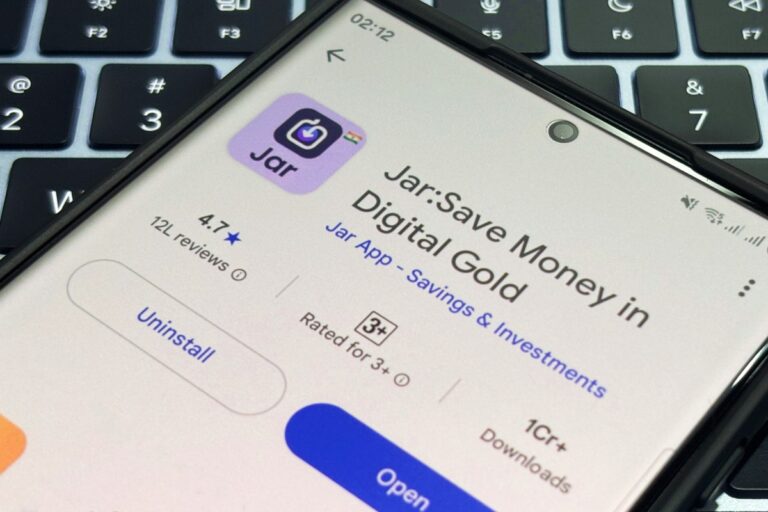
Jar, an Indian fintech startup that allows users to invest in gold, has turned profitable by helpinghelps millions of first-time savers use its app to build digital gold holdings.

While many consumer fintechs focus on affluent urban users or credit products, Jar has gained traction by offering a culturally familiar asset — gold — as a low-barrier entry point to saving. The four-year-old startup targets low- to middle-income users —a segment often underserved by traditional financial institutions—by allowing them to save in gold for as little as ₹10 (about $0.11) a day.

That strategy has helped Jar reach over 35 million registered users across 12,000 zip codes, co-founder and CEO Nishchay AG said in an interview. About 60% of users are from India’s smaller cities and towns (known as tier-2 and tier-3 towns), and more than 95% are saving formally for the first time, he told TechCrunch.

The startup’s financials reflect this momentum, and two sources familiar with the matter tell TechCrunch that it is even planning to go public next year. Investment bankers are engaging with the startup for its IPO, the sources said.

These bankers have a compelling growth story to share. Jar’s operating revenue — primarily from its core gold-saving app — grew ninefold in fiscal year 2024, which ended in March, to ₹2.08 billion (roughly $23.6 million), as disclosed in its latest filing. More dramatically, its total revenue across all business lines during that same period jumped to ₹24.50 billion (approximately $279.3 million), representing a 49-fold jump from ₹500 million ($5.7 million) in the previous financial year (FY24).

This total revenue figure includes earnings from digital gold transactions, jewelry sales through its Nek platform, and fees from third-party distribution partnerships (similar to how companies like Zillow, Square, and Delivery Hero report comprehensive revenue that includes gross transaction values alongside their core business earnings).

The jewelry component is a sizable piece of this diversified approach. Nek launched early last year to offer gold, silver, diamond, and lab-grown diamond jewelry across over 8,000 zip codes. The platform works on a drop-shipment model with zero inventory. It crossed ₹1 billion (approximately $11 million) in annual revenue last year and has been “growing steadily since,” Nishchay said.

Techcrunch event

San Francisco
|
October 27-29, 2025

Jar has been profitable after tax for the last two consecutive quarters, Nishchay told TechCrunch.

That growth ties to a bet by the company on a new direction. Until last year, Jar functioned primarily as a distribution platform working with a third-party digital gold provider — essentially acting as a middleman. Since then, it has vertically integrated its operations, building an in-house tech stack to purchase, store, and manage gold directly, with BDO serving as its statutory auditor and Brinks as its custody partner. By controlling the entire value chain, Jar can now capture a larger share of the gold value chain and even distribute its gold through third-party platforms,including the Walmart-owned fintech firm PhonePe.

Earlier this year, the Bengaluru-based startup partnered both BharatPe and Unity Small Finance Bank to let users make digital payments — both to individuals and merchants — directly through the Jar app using India’s Unified Payments Interface (UPI) system. UPI is India’s dominant digital payment network that allows instant bank-to-bank transfers using smartphones. The move opens up a new revenue stream and aims to increase user engagement and retention by broadening the app’s utility beyond just gold savings.

Jar has also been an early adopter of UPI AutoPay, a feature introduced by the Indian government in 2020 to enable recurring payments on the UPI platform. The feature has helped the startup, which only supports UPI-based payments for gold savings, drive repeat transactions from users, according to sources familiar with the matter.

“Daily savings is our hero feature, and that’s what most of our users use it for,” Nishchay said when asked how UPI AutoPay has contributed to the company’s growth.

The app serves a diverse user base. Jar’s user base spans a broad spectrum, from skilled professionals in IT and manufacturing to small business owners and daily wage workers, such as electricians, plumbers, carpenters, and construction laborers. The app supports nine Indian languages, which the company says helps it cater to users across education and income levels.

The startup has also designed its app to offer a personalized experience to users, with gamification and nudges to encourage gold savings.

“The growth team consistently built different cohorts to identify the consumer based on a lot of attributes and data signals, based on what phone you use, which location you are operating the phone, from what language, what is your consistent saving pattern, all of those things they take into consideration,” Nishchay said.

The startup counts Tiger Global, Tribe Capital, Arkam Ventures, and WEH Ventures among its investors. It has raised $63.3 million in funding to date, per Tracxn, and was last valued at more than $300 million.


Source link

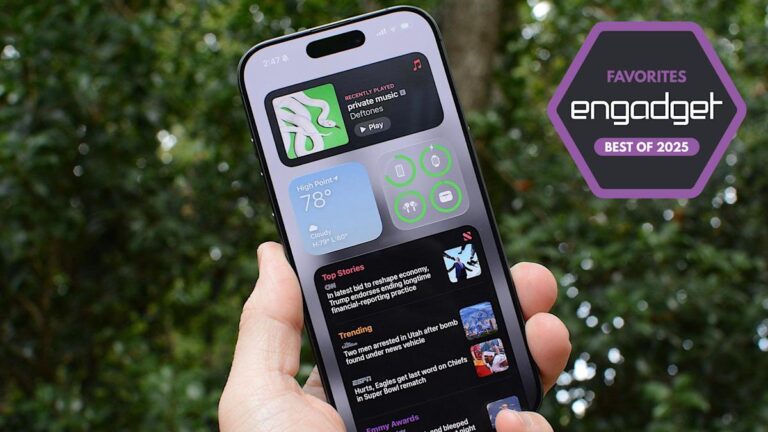
Ready to download iOS 26? See if your iPhone is eligible for the free update first

0


Now that iOS 26 is available to download for many iPhone users — here’s how to install it — it’s time to check your phone to see if you’re eligible for the update. The new OS became available on Monday this week, along with iPadOS 26 and Apple’s other operating system updates.

If your phone is compatible with the latest OS, you’ll notice substantial changes when you install the new update. You may have already heard about “Liquid Glass,” which (intentional or not) is sort of like Apple’s take on the old Windows Vista design language. That’s the most notable change, but we spent two weeks test-driving many of the other features included in the update — you can check out our hands-on iOS 26 preview for more impressions.

Not sure if you have an eligible smartphone or tablet but also don’t want to upgrade? No worries, we’ll help you find out if your devices will be able to run iOS 26.

While Apple didn’t nix any iPhones from its eligibility list last year, that’s not the case for 2025, as a few models are getting the axe this time around. All iPhone 8 models and the iPhone X were the last to receive the boot in 2023, and this year, iPhones released in 2018 will be left behind.

You can find a full list of iPhones and iPads that support iOS 26 and iPadOS 26 below. To see everything you get with the latest OS updates, you can check out our big rundown of what to expect from iOS 26. Additionally, here’s everything Apple revealed at the iPhone 17 launch event, including the all-new iPhone Air. (Check out Engadget’s liveblog of the event for full details.)

These three iOS 18 iPhones aren’t compatible with iOS 26

Unlike last year, a trio of iPhones won’t be eligible to download the newest iOS. These three models that were first released in 2018 won’t be coming to the iOS 26 party:

iPhones compatible with iOS 26

Per Apple’s site, the devices listed below will be compatible with iOS 26. In short, if you have an iPhone that was announced in 2019 or later, you’re in the clear:

  • iPhone SE (second generation or later)

iPads compatible with iPadOS 26

Meanwhile, the iPads listed below are eligible to download iPadOS 26:

  • iPad Pro 12.9‑inch (3rd generation and later)

  • iPad Pro 11‑inch (1st generation and later)

  • iPad Air (3rd generation and later, including M2 and M3)

  • iPad (8th generation and later, including A16)

  • iPad mini (5th generation and later, including A17 Pro)

What if I don’t want to buy a new iPhone?

If you want to continue using your older iPhone that isn’t supported by iOS 26, that’s fine. However, you’ll eventually miss out on security updates which could potentially put your phone at risk for malware and other threats. Additionally, some apps may stop working if they require a certain version of iOS or later. And, of course, you won’t be able to access the latest features iOS 26 offers.

Should I upgrade to iOS 18.7 or iOS 26?

When you first open Software Update in Settings, you’ll notice two different upgrade options: iOS 18.7 and iOS 26. Apple released the former to address security issues, so you can at least download that one if you’re unsure about all the big changes on iOS 26. It also gives you more time to wait for Apple to take care of any bugs on the new OS.

However, if you’re excited to finally have the Liquid Glass aesthetic on your phone and use all the new features iOS 26 has to offer, go ahead and install that one. After all, Apple had all summer to weed through the most problematic bugs during its beta phase and usually releases a new update shortly after the initial launch.

iOS 26 features to try out first

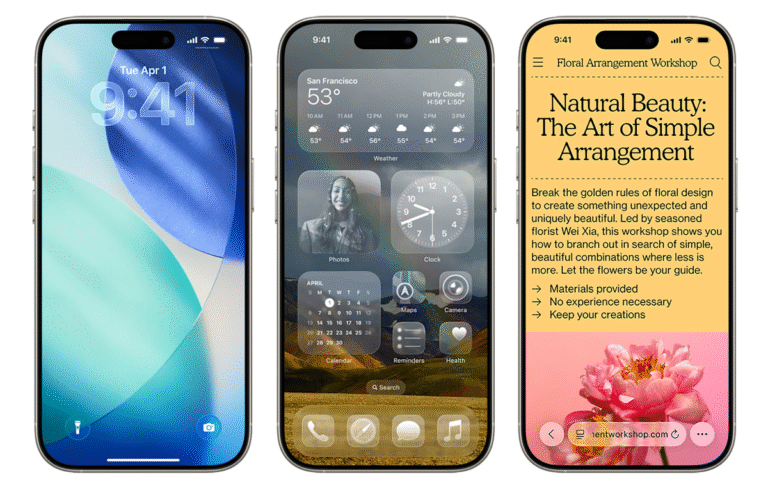
Liquid Glass design: Your home screen is getting revamped with new app icons, including dark mode and all-clear options. You’ll also notice buttons with a new floating design. Liquid Glass, in Apple’s terms, was designed to make all of the company’s operating systems more visually cohesive.

Phone app redesign: You can finally scroll through contacts, recent calls and voicemail messages all on one screen. It also comes with a new feature called Hold Assist that’ll notify you when an agent comes to the phone so you can avoid the elevator music.

Live Translate: iOS 26 brings the ability to have a conversation via phone call or text message with someone who speaks another language. Live Translate will translate your conversation in real time.

Polls feature: Coming to group messages in the Messages app, chat members can now create polls. This can help prevent the unwanted 30+ messages when it comes to deciding which restaurant you’re meeting at this weekend.

New lock screen options: More customizable iPhone lock screen options are available with iOS 26, including a cooler clock, 3D wallpaper effects, more widgets and better focus mode options.

Snooze longer (or shorter): Say goodbye to the 9-minute snooze setting in your alarms (if you want). You now have the option to change your snooze time from one to 15 minutes.

Fresh Camera app design: You’ll find the Camera app is simpler to navigate in iOS 26, with all the buttons and menus located in convenient spots. That means less swiping, more photo taking. Plus, there’s a new feature that tells you if your lens is too dirty.

Screenshot revamps: When you take a screenshot, you now have the option to search for the image on Google (maybe you’re looking for a sweater you saw on a celeb) and you can ask ChatGPT questions about the photo — all from the edit screen. It’s like a reverse image search but without all the hard work.


Source link