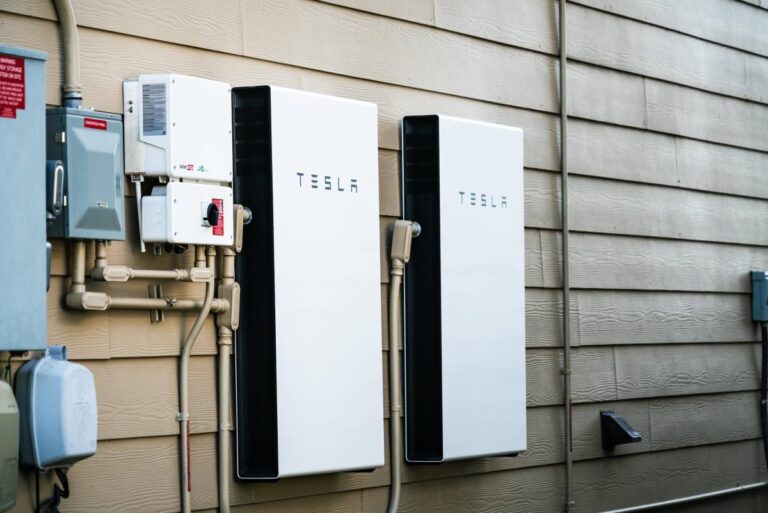
Tesla is a business built, in part, on government regulations and incentives, from a Department of Energy loan guarantee in 2009 to the regulatory credits it sells to other automakers, which have driven a third of its $32 billion in profits since 2012.
Now, the company’s energy business — a rare bright spot amid faltering demand for its EVs — is under assault.
House Republicans passed a reconciliation bill last week that would undo much of the Inflation Reduction Act, including tax credits for residential solar installations and for clean energy projects. That bill is now before the Senate.
If the Senate were to pass it with those repeals in tact, it could have a devastating impact on Tesla’s energy division, which brought in $2.7 billion in revenue in the first quarter, a 67% increase year-over-year.
With CEO Elon Musk claiming that his time in government has come to an end, Tesla has taken to lobbying legislators on X. There, Tesla Energy appealed to Senate Republicans.
“Abruptly ending the energy tax credits would threaten America’s energy independence and the reliability of our grid – we urge the senate to enact legislation with a sensible wind down of 25D and 48e,” Tesla posted on X. “This will ensure continued speedy deployment of over 60 GW capacity per year to support AI and domestic manufacturing growth.”
Today, homeowners qualify for 30% tax credits on new solar installations, while clean energy developers can generally claim the same. Those provisions are currently scheduled to sunset at the end of 2032, but House Republicans want to end the credits four years earlier and require projects to begin construction within 60 days of the bill’s passage.
Cutting those parts of the law could risk the deployment of 60 gigawatts of capacity annually “to support AI and domestic manufacturing support,” Tesla said.
The Trump administration has made “energy dominance” a key priority, and slowing the deployment of renewable and clean energy puts that goal at risk.
Last year, 93% of all new generating capacity in the U.S. was clean energy, mostly solar and grid-scale storage. In the first quarter this year, renewables added 7.4 gigawatts, the second best Q1 ever. Queues for new natural gas turbines stretch for years, while solar farms can generally be completed in 18 months.
Like many residential solar installers, Tesla’s energy business is heavily dependent on tax incentives. Since Republicans have prioritized repealing the Inflation Reduction Act, American solar stocks have taken a beating. This year, Enphase is down 45%, SunRun has lost a quarter of its share price, and First Solar is off 15%.
The innovative director David Lynch, who left indelible marks on film and television, passed away in January of this year. Now, Julien’s Auctions is hosting the sale of The David Lynch Collection. More than 450 of the late director’s possessions will be auctioned off online and at the company’s auction house in Gardena, CA. For devotees of Lynch’s work and worldview, just the experience of browsing the collection is pretty fascinating.
The auction showcases plenty of items closely related to his career in film, such as a personalized director’s chair, multiple cameras, lighting kits and memorabilia from his many iconic works. Other pieces more broadly reflect his passion for creativity, like audio equipment, musical instruments, painting supplies and a whole lot of literature and vinyl records. The collection also has furniture, like the couch from his 1997 classic Lost Highway, kitchen wares and many personal items from his life. You can even bid on his LaserDisc player and disc collection.
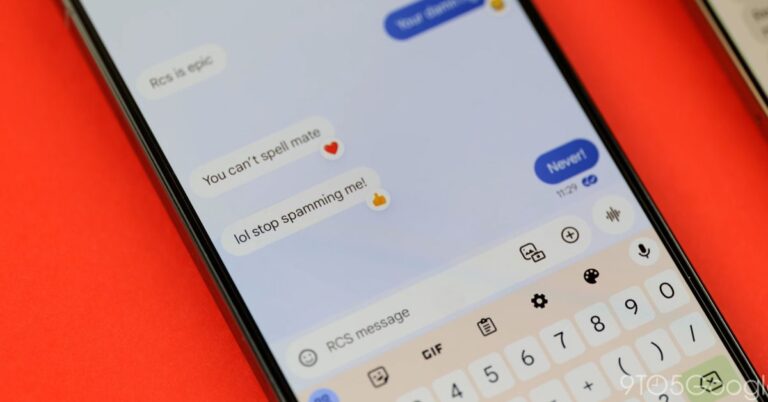
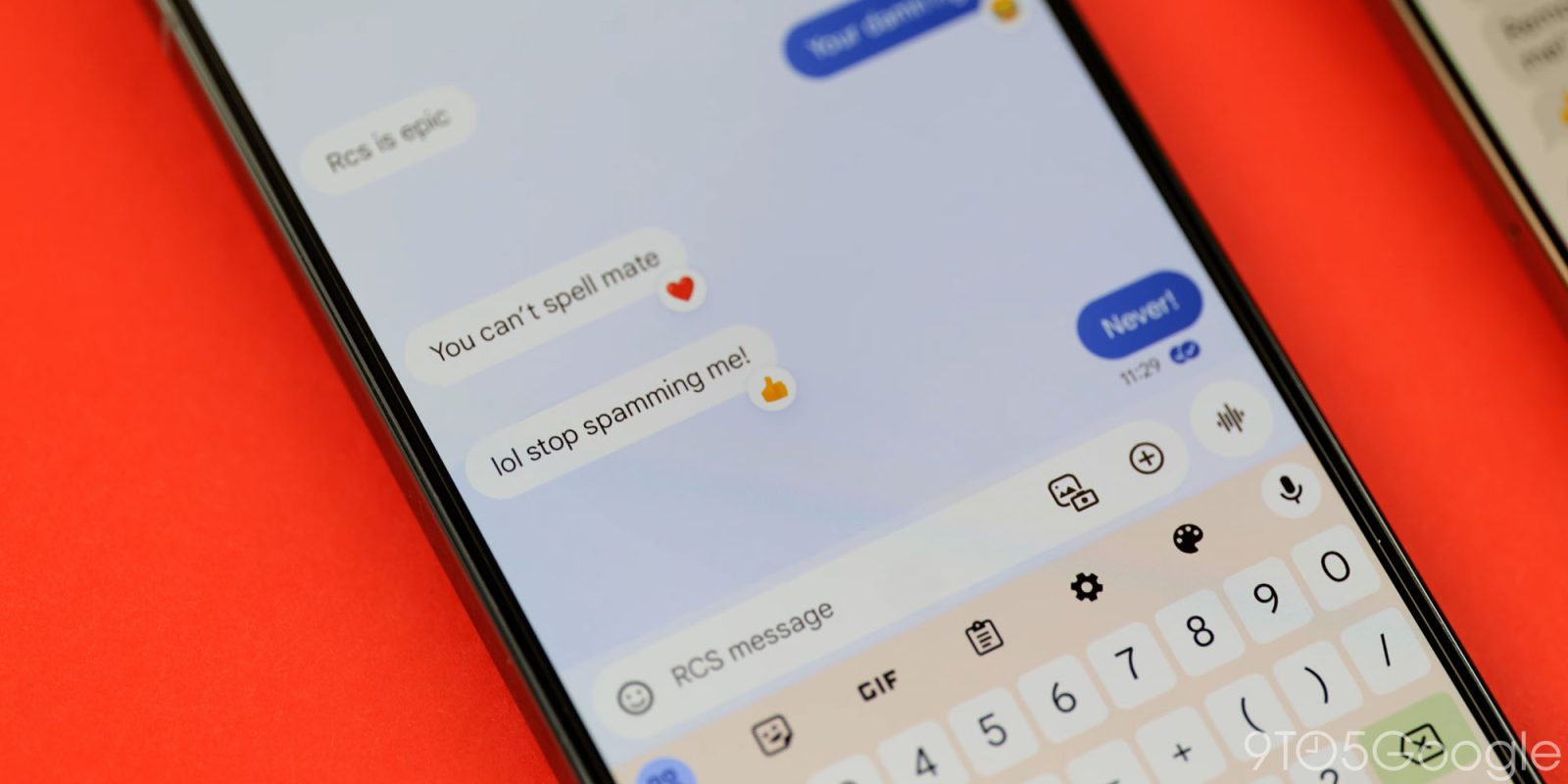
Google Messages is rolling out a tweaked “New chat” page to let you immediately check which contacts have RCS enabled.
After tapping the “Start chat” FAB (floating action button) in the bottom-right corner, you’re now taken to a “New chat” page. This list of all your contacts was previously titled “New conversation.” The term “chat” is more closely aligned with RCS.
The big change here is how Google now highlights contacts that have “RCS” enabled with a badge at the right-hand side. Additionally, the number is further emphasized with Dynamic Color theming, while SMS/MMS conversations just have black or white text depending on the system theme.
Old vs. new
Advertisement – scroll for more content
Previously, you’d have to go ahead and tap the number to see if it says “Text message” or “RCS message” in the bottom text field. This update saves you a step, and lets you more effectively take a straw poll of RCS adoption in your family/friend group.
Down 2-0 after the first two singles matches against Worcester South, the No. 28 ranked Westfield High School girls tennis team rallied to beat No. 37 ranked Worcester South to move onto the Round of 32.
The first two singles matches consisted of Olivia Robeau defeating Kaitlyn Goulette in three sets (2-6, 6-0, 10-3) before Shannon Denneby took down Jillian Battles (7-5, 6-1). After this, Westfield started their trek towards victory as Mirabella Prefontaine defeated Camilla Snyder (6-1, 6-2).
Going into the doubles, it was do or die for the Bombers as they stopped the upset. After Kendall O’Brien and Lilyanna Vaddy out dueled Lila Tallagnon and Phoebe McDermott (6-4, 6-2), Westfield finished off Worcester South with a doubles victory from Sania Bhujel and Phoebe von Stange (6-0, 7-5) against Kayla Dosn and Colleen Denneby.
Westfield will play Amherst in their next game in the Round of 32. The time is still TBD.
No. 5 Belchertown (4) vs. No. 28 Whitinsville Christian (1)
After Alison Sim of the Whitinsville Christian High School girls tennis team won the first singles match against Amanda Murray of Belchertown High School, the No. 5 ranked Belchertown quickly rebounded against the No. 28 Whitinsville Christian for a 4-1 victory to move them to the Round of 16.
In the final two single rounds, Mia Corish won convincingly in two sets (6-1, 6-2) over Charlotte DeFrancisca, and Gianna Picardi also won in two sets against Mia Beseng (6-0, 6-0). Belchertown also carried this dominance into the first set of the first doubles match, as Katie Collins and Edith Audette defeated Joanna Graves and Georgia West (6-1, 6-2).
The final doubles set was also won by Belchertown, this time in three sets. Allie Randall and Emma Kornbluth beat Alexi Gilchrest and Avery Dertein (4-6, 6-3, 10-6) to end the meet while keeping Belchertown’s season alive.
No. 29 Auburn (5), No. 36 St. Mary – Westfield (0)
No. 5 Cohasset (5), No. 28 Hampden Charter School of Science (0)
No. 12 Lenox (3), No. 21 Frontier (2)
No. 12 Lenox narrowly defeated a feisty No. 21 Frontier side, 3-2, to advance to the round of 16 of the MIAA Statewide Division IV girls tennis tournament.
The Millionaires flexed their guns during the singles side of today’s affair, as Katie Shane, Caroline Kenne, and Caity Giordina didn’t drop a set.
Frontier found great success in doubles, with the teams of Esther Ehle and Aylen Shaw as well as Brooke Charest and Hailey Fernandez taking down their counterparts. However, that wasn’t enough as Lenox will now proceed with it’s nearly perfect season
With only one loss in the campaign, the Millionaires will face No. 5 Cohasset in the next round.
Girls Tennis Results
Wednesday, May. 28
MIAA State Tournament Division I, Round of 32
10-Bishop Feehan High School 5, 23-Bridgewater-Raynham Regional High School 0 – Box Score
9-Needham High School 5, 24-Central Catholic High School 0 – Box Score
11-Concord-Carlisle High School 4, 22-Algonquin Regional High School 1 – Box Score
6-Lexington High School 5, 27-Methuen High School 0 – Box Score
7-Lincoln-Sudbury Regional High School 5, 26-Plymouth North High School 0 – Box Score
15-Natick High School 5, 18-Shrewsbury High School 0 – Box Score
5-Acton-Boxborough Regional High School 5, 28-Wachusett Regional High School 0 – Box Score
MIAA State Tournament Division I, Preliminary round
29-Malden High School 5, 36-Revere High School 0 – Box Score
30-Framingham High School 5, 35-Brockton High School 0 – Box Score
31-Cambridge Rindge & Latin School 3, 34-Diman Regional Voc/Tech High School 2 – Box Score
MIAA State Tournament Division II, Round of 32
11-Oliver Ames High School 3, 22-Holliston High School 2 – Box Score
MIAA State Tournament Division II, Preliminary Round
29-Stoughton High School 5, 36-Grafton High School 0 – Box Score
30-Reading Memorial High School 4, 35-Whitman-Hanson Regional High School 1 – Box Score
32-Somerset Berkley Regional High School 4, 33-Somerville High School 1 – Box Score
27-Minnechaug Regional High School 3, 38-Cardinal Spellman High School 2 – Box Score
28-Westfield High School 3, 37-Worcester South 2 – Box Score
26-Plymouth South High School 5, 39-Doherty Memorial High School 0 – Box Score
MIAA State Tournament Division III, Round of 32
5-Belchertown High School 4, 28-Whitinsville Christian School 1 – Box Score
8-Hanover High School 4, 25-Dedham High School 1 – Box Score
13-Danvers High School 4, 20-North Reading High School 1 – Box Score
7-Wilmington High School 5, 26-Pembroke High School 0 – Box Score
15-Medway High School 4, 18-Watertown High School 1 – Box Score
10-Medfield High School 4, 23-Foxborough High School 1 – Box Score
MIAA State Tournament Division III, Preliminary round
32-Wareham High School 4, 33-Groton-Dunstable Regional High School 1 – Box Score
27-Sandwich High School 4, 38-North Middlesex Regional High School 1 – Box Score
29-Auburn High School 5, 36-St. Mary 0 – Box Score
MIAA State Tournament Division IV, Round of 32
1-Lynnfield High School 5, 32-Uxbridge High School 0 – Box Score
22-Amesbury High School 3, 11-Mashpee Middle/High School 2 – Box Score
15-Quaboag Regional High School 4, 18-Quabbin Regional High School 1 – Box Score
5-Cohasset High School 5, 28-Hampden Charter School of Science High School 0 – Box Score
12-Lenox Memorial Middle & High School 3, 21-Frontier Regional School 2 – Box Score
Home services in India — whether it is cleaning, dishwashing, or laundry — have traditionally been offline and informally run. This has often resulted in delays and uncertainties for consumers, as well as inconsistent pay and job insecurity for workers. Recently, however, startups have begun viewing this area as ripe for transformation, leveraging technology to bring predictability, scalability, and structure to the space.
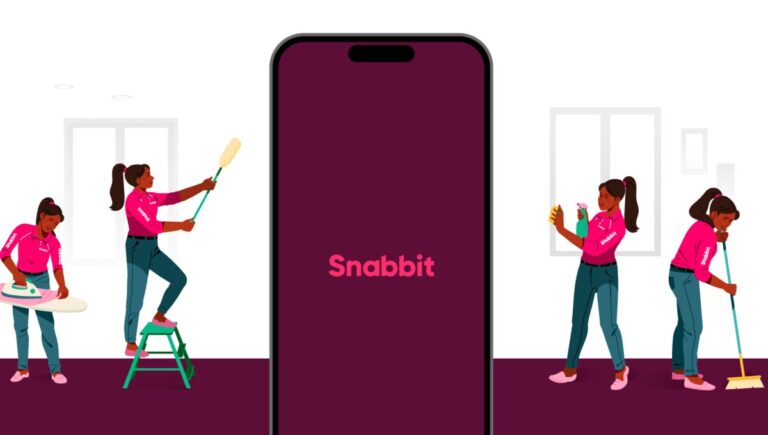
Snabbit, founded last year, is one of the early movers in this arena, enabling customers to book high-frequency home services, including cleaning, dishwashing, laundry, and kitchen preparation, through its app, with delivery as fast as 10 minutes. The startup has now raised $19 million in a Series B round led by Lightspeed, with participation from its existing investors Elevation Capital and Nexus Venture Partners, at a post-money valuation of $80 million to expand its presence.
The 15-month-old startup launched its quick-service platform in the western Indian city of Mumbai, the country’s financial capital, after founder and CEO Aayush Agarwal personally experienced the challenges of finding reliable home services. At one point, Agarwal told TechCrunch, the situation became so difficult that his mother had to fly in from the eastern Indian city of Kolkata to help him find a new domestic worker.
“What stayed with me was that in a world of convenience where you can press a button, and you’ll get a cab, or you’ll get food or groceries, you can even get someone to go out on a date with, but finding someone for a simple service at home was excruciatingly difficult,” he said in an interview.
The startup ran experiments early last year and remained in one micro market in Mumbai for the first 12 months before expanding to seven markets in the city and one in Bengaluru.
Snabbit took a “full-stack approach” to sourcing, screening, training, onboarding, and managing workers, who the startup calls “experts.” Once Snabbit signs them, it has the workers move close to the startup’s demand centers so they can fulfill the company’s promise to provide service in 10 minutes.
Snabbit is not alone in this race, as incumbent Urban Company (backed by storied investors, including Accel, Prosus, and Tiger Global) started a similar experience on its app earlier this year. However, the company faced criticism due to the initial message it conveyed and the name Insta Maids, which it later corrected and renamed to Insta Help. This did not help convince many, including gig worker unions, though.
Similarly, newer entrants, including Broomees and Pronto, have also joined the arena recently. The latter even recently attracted Bain Capital Ventures for its seed funding.
“We know that the market is heating up,” he said. “The category is getting exciting, new players are coming in and getting funded. And I think all of it is great for us as long as we keep executing relentlessly.”
The startup charges customers between ₹169 (about $2) and ₹499 (nearly $6) to avail services of up to 240 minutes. The pricing is higher than that of Urban Company’s Insta Help, which starts at ₹49 (50 cents). However, Agarwal said the startup continued to grow and scale even after Urban Company’s foray into the market.
Agarwal hopes to compete with a consistent customer experience using its in-house tech stack that includes an internal CRM tool, a sourcing and screening pipeline, and an eKYC process to better comply with local regulations.
Snabbit currently has over 600 workers on its platform, and each of them covers a median walking distance of 300 meters between two jobs. It has also partnered with the mobility startup Yulu to train and provide e-bikes to its women workers, covering a larger median distance of 800 meters between their jobs. Moreover, Agarwal told TechCrunch that the startup will reduce the median distance for its workers as it scales.
The average ticket size on Snabbit’s platform is between ₹250 and ₹270 (about $3), while its workers completing a 12-hour shift earn “upward” of ₹40,000 ($470) a month. For completing four hours a day on the platform, the workers get over ₹10,000 ($120) a month, Agarwal said, adding that workers are also eligible for bonuses.
Snabbit also provides personal life insurance, health insurance, and accidental insurance to all its workers, as well as family insurance to those who have been with the startup for some time.
Workplace abuse has also been quite prevalent for domestic workers in India, as the country predominantly lacks protective laws. For such cases, the startup provides an SOS feature on its app that workers can use to call a field operations team, which reaches the location within “five to seven minutes” to help workers in edge situations, the founder said.
Over the last four months, Agarwal stated the startup grew 5x and is currently growing around 20% week-over-week. It plans to expand to over 200 micro markets across metro cities in India within the next nine months by utilizing the fresh capital and hire more employees in its workforce that has nearly 100 people.
That said, several hyperlocal consumer apps have been tried and failed repeatedly. For instance, food deliveries imploded globally in 2023 after the pandemic-led lockdowns eased, but they started facing challenges in the last few months. Even in India, instant food delivery models introduced by quick commerce platforms, including Zepto and Zomato, have struggled. The former paused its 10-minute cafe services due to supply constraints, while the latter halted its 15-minute food delivery service just four months after launch, citing “no incrementality in demand.”
The cost of acquiring customers and providing suppliers in their location is expensive and often hard to pay over time. In Snabbit’s case, TechCrunch has learned that the customer acquisition cost is ₹700 ($8), while its average ticket size is about $3.
The startup has onboarded over 25,000 customers so far, and an average customer transacts on the platform at least three times a month, per Agarwal.
“Our retention rates are as good as any consumer internet company, say, a Zepto or Swiggy, would be having,” the executive said.
Nevertheless, it remains to be seen how the startup can retain its customers over time and beat the competition while continuing to scale and expand its market in India.
“Snabbit is transforming home services in India by bringing speed, structure, and trust to a sector that has largely operated informally until now,” said Rahul Taneja, a partner at Lightspeed, in a prepared statement. “We are excited to join them on this journey and support their mission to transform and scale what was once considered a luxury into a day-to-day necessity.”
Their creators might be gone, but OlliOlli World and Rollerdrome are finally back on Steam, based onlistings spotted by Eurogamer. Both games were delisted from storefronts like Steam and the Xbox Games Store following publisher Take-Two’s decision to shutdown developer Roll7, Intercept Games and publishing label Private Division a little over a year ago.
OlliOlli World and Rollerdrome represent diverging, but equally great examples of what made Roll7 special. They’re thoughtful, visually stylish games about skateboarding and rollerblading that capture the zen-like state you can enter pulling off multiple tricks in a row (plus or minus a mascot costume and a shotgun).
Eurogamer notes that Take-Two always planned to put both games back on sale when it originally delisted them, it just took a lot longer to bring them back than expected. 2K, another Take-Two subsidiary, is now serving as the publisher.
When the company closed Private Division, not every game stayed at Take-Two. The publisher continues to back games like No Rest for the Wickedfrom the developer of Ori and the Blind Forest, but a collection of other in-development projects were sold to Haveli Investments, Bloomberg reports. The investment firm brought on former Annapurna Interactive staff to manage the slate following the implosion of that indie-focused publisher and developer in September 2024.
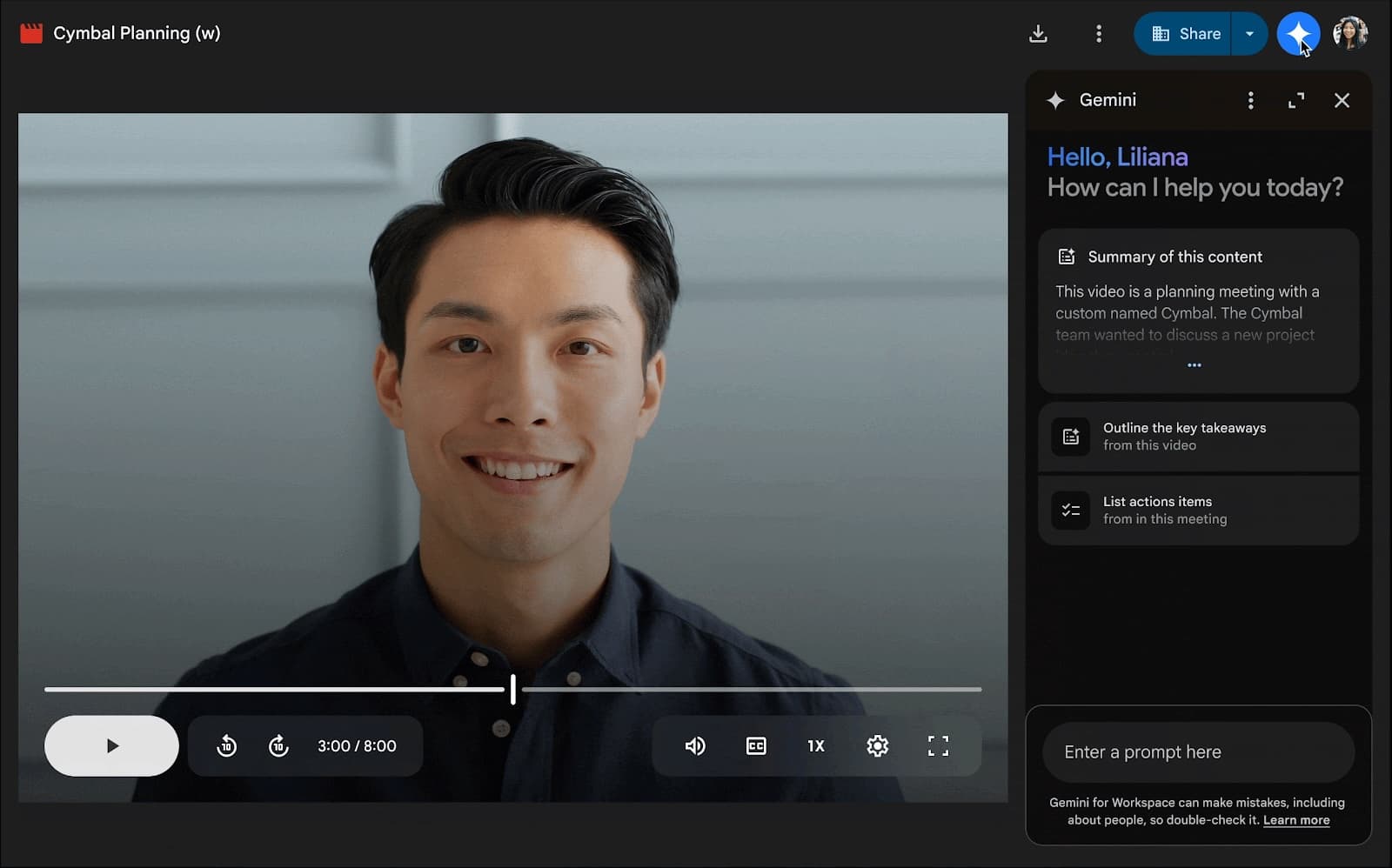
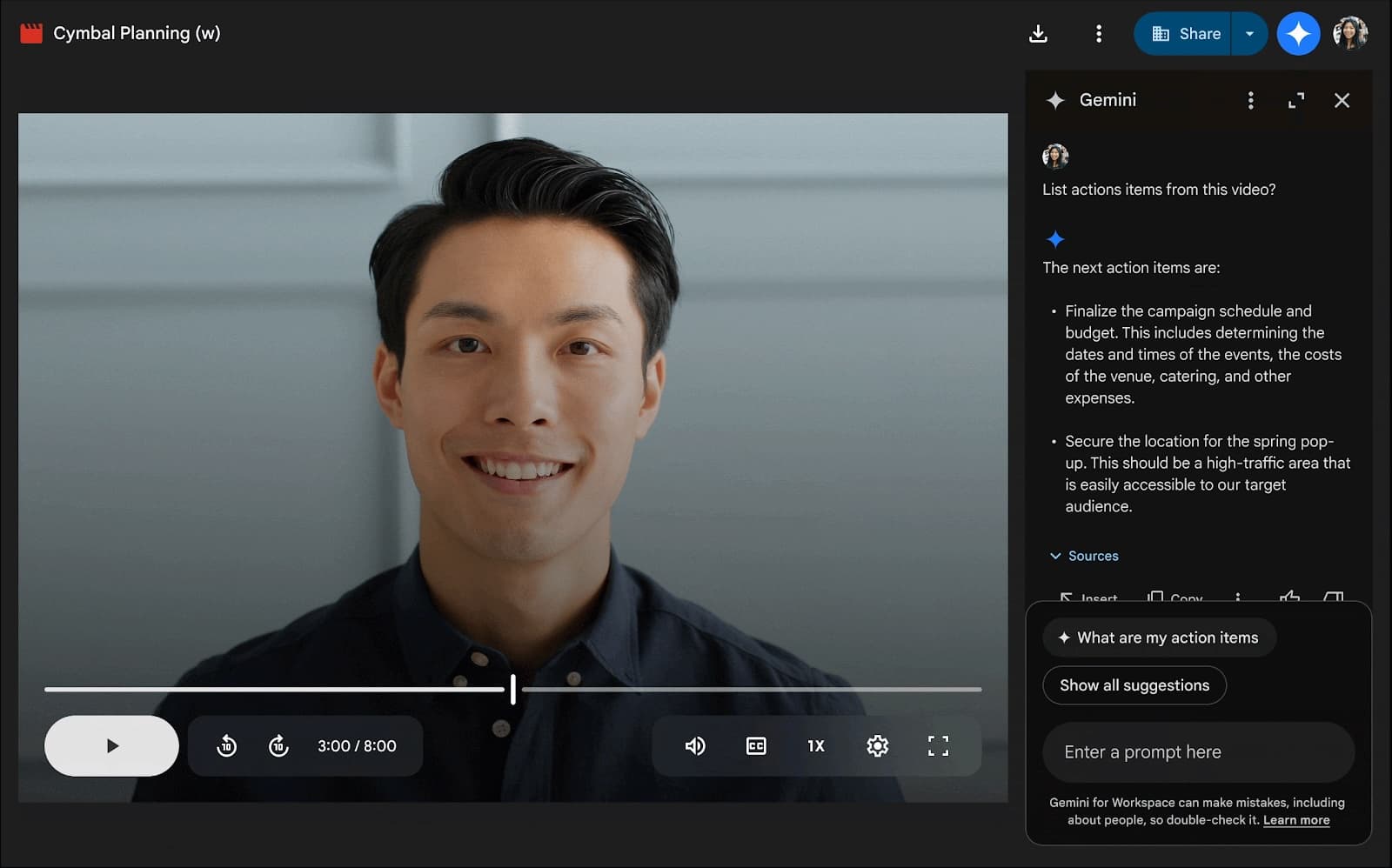
The latest feature for the Gemini side panel in Google Drive (on the web) is the ability to “get summaries and ask questions about the content of videos.”
After you open the video player, tap the Gemini icon in the top-right corner to launch the side panel. You get a “Summary of this content,” as well as suggested prompts for “Outline the key takeaways” and “List action items,” which are handy if your company records meetings. You can also ask: “What are the highlights” and other specific questions about the video.
Joining PDF analysis, Google notes how: “Videos contain a wealth of information, however going back to watch them can be time consuming. With this update, users can leverage Gemini to get what they need from their videos much faster.”
Notably, video analysis is not yet available for the Gemini app. To date, you can only upload images and other documents.
Advertisement – scroll for more content
Video analysis for Gemini in Google Drive is available for Google One AI Premium (now AI Pro and above). Rolling out over the coming weeks, it’s also available for the following Workspace customers:
Business Standard and Plus
Enterprise Standard and Plus
Customers with the Gemini Education or Gemini Education Premium add-on
Meanwhile, Google Drive is also letting you see the “total number of times a video is opened under a new Analytics section within the Details panel.” It will be “available to all Google Workspace customers, Google Workspace Individual subscribers, and users with personal Google accounts.”
More on Google Drive:
FTC: We use income earning auto affiliate links.More.
MILWAUKEE — Instant reaction from the Red Sox’ 6-5, 10-inning loss to the Milwaukee Brewers, extending their losing streak to five straight.
1) For the second straight game, the Red Sox lost a game in 10 innings. On Tuesday night, it came on a walkoff grand slam; on Wednesday afternoon, it came at their own hand. A throwing error by David Hamilton allowed the Brewers to tie the game and a sacrifice fly from Caleb Durbin in center plated the winning run. The Sox seem intent on finding new ways to lose.
2) For the fifth consecutive outing, starter Brayan Bello began the fifth inning, but couldn’t finish it. Bello was lifted after 4.2 innings pitched, having allowed two runs — one earned — and thrown 77 pitches. Bello wasn’t helped by an error made by Jarren Duran in left field, who misplayed a sinking liner to extend the inning. Still, Bello never makes things easy on himself — he had just inning in which he faced the minimum number of hitters. Longer at-bats again helped push up his pitch count. Bottom line: the Sox were into their bullpen far too soon. Again.
3) Ceddanne Rafaela did a little bit of everything in the game. At the plate, he cracked his first homer in more than a month (April 27 was his last) to stake the Sox to an early 1-0 lead. He later added a single, giving him his first multi-hit game since May 14. And, unsurprisingly, he made a standout play in center, sprinting to the warning track to haul in a long shot off the bat of Isaac Collins in the second inning. He also came close to recording an assist from deep center when his throw to second beat Sal Frelick, attempting to advance 90 feet on a flyout. But Frelick managed to avoid David Hamilton’s tag and, upon review, was called safe.
4) The Sox committed yet another baserunning blunder that may have cost them a run in the top of the fourth. With runners at first and second and one out, Jarren Duran sliced a single to right. Rafaela, racing from first, never looked up and when he slid into third, he was surprised to see Connor Wong there, having been held up by third base coach Kyle Hudson. Rafaela was then tagged out, as Duran took second on the throw. A single up the middle by Rafael Devers then scored two, but it could have been more.
5) Rafael Devers was responsible for two of the Red Sox runs with a sharp single up the middle in the fourth scoring Connor Wong and Jarren Duran. That gave Devers 31 RBI for the month of May with one more chance to add to the total Friday. He becomes the 24th Red Sox player since 1970 to have 30 or more RBI in a single month. Devers also had 3 RBI in July of 2019.
6) Marcelo Mayer was the surprise choice to hit cleanup in the series finale, becoming the first rookie since Masataka Yoshida in 2023 to occupy that spot. (Before that, it was Mo Vaughn). Cora said he liked Mayer’s ability to hit fastballs with Freddy Peralta on the mound for Milwaukee. The rookie fanned with two on and one out in the first, grounded to second in the third, rolled out to the pitcher in the fifth and
7) The return of Richard Fitts means that Hunter Dobbins will pitch out of the bullpen — for now, at least. With Sean Newcomb gone, the Sox have lacked a multi-inning reliever in their bullpen. Dobbins, having been stretched out as a starter, can provide that. He entered the game in the sixth and it didn’t go well: walk, single, deep flyout, two-run double as the Sox saw a one-run lead turn into a one-run deficit.
8) Alex Cora has vowed that, with Alex Bregman out, the Sox will sometimes shift their offensive approach and play small ball. They tried it in the top of the eighth, but couldn’t get a run in. With Nick Sogard on first and no out, Trevor Story dropped down a sacrifice — his first since 2016, his rookie season — and moved Sogard into scoring position with one out. But part of this plan requires the ability to deliver with runners in scoring position — and that didn’t work out. David Hamilton took a called third strike and pinch hitter Abraham Toro struck out, stranding the runner.
9) Following an off-day on the schedule Thursday, the Red Sox will begin a three-game series in Atlanta. RHP Lucas Giolito (1-1, 5.27) will open the set for the Red Sox. Atlanta’s pitching plans are TBA. The game is set for 7:15 p.m. and will be broadcast only on Apple+.
Three years ago, Stellantis announced it was pairing up with Amazon to create in-car software that would bring a slew of connected products and services to vehicles by 2024 as part of the automaker’s broader plan to generate $22.5 billion annually from software.
That never happened. And now, the partnership is “winding down,” Reuters reported. The article also reported that Amazon staff working on the project had been reassigned or left the company, according to unnamed sources.
Stellantis confirmed the Reuters report and told TechCrunch it would be pivoting to an Android-based system.
“Amazon remains a valuable partner for Stellantis, and the companies continue to work together on a range of initiatives,” the automaker said in a statement. For instance, Stellantis will continue to use Amazon Web Services as its preferred cloud provider for vehicle platforms.
Stellantis laid out an ambitious plan in December 2021 to have 34 million connected cars on the road by 2030. The pitch was that Stellantis would be setting itself up for a new stream of revenue beyond building and selling vehicles.
Stellantis struck partnerships with BMW, Foxconn, Waymo, and Amazon to reach that target.
The plan to use in-car software to sell passengers and drivers products and subscriptions involved three components.
It started with an underlying electrical and software architecture system that Stellantis dubbed STLA Brain. On top of the Brain, Stellantis would add a “STLA SmartCockpit,” a platform to deliver applications to the driver, such as navigation, voice assistance, an e-commerce marketplace, and payment services, as well as applications that would deliver personalized in-vehicle experiences for the driver and passengers. A third piece involved an automated driving platform called “AutoDrive,” developed with BMW.
Amazon was tapped to help Stellantis with the STLA SmartCockpit, specifically with technology that would adapt to customers’ behaviors and interests and then deliver personalized services.
Stellantis told TechCrunch it is sticking with its smart cockpit platform. Now, it seems Google’s Android-based system, which is used by numerous automakers, is headed to this future software platform.
Finding the best wireless earbuds can make a huge difference in your day-to-day life, whether you’re commuting, working out, traveling or just zoning out with your favorite playlist. Today’s earbuds aren’t just about cutting the cord — they’re smarter, more comfortable and packed with features like active noise cancellation, customizable sound profiles and even spatial audio support.
With so many options out there, there’s truly a pair of wireless earbuds for everyone. Whether you want something that’s perfect for running, built for all-day wear at the office or tuned for serious audiophiles, the choices have never been better. Some models prioritize battery life, others deliver premium sound quality and a few somehow manage to do it all without blowing your budget. No matter what you’re looking for, we’re here to help you find the right set of wireless earbuds to match your lifestyle.
Max battery life: 8 hours, up to 24 hours with charging case | Water resistance: IPX4 | Noise cancellation: Yes | Multipoint: Yes | Included charging case: Yes | Waterproof: Yes (IPX4) | Driver size: 8.4mm
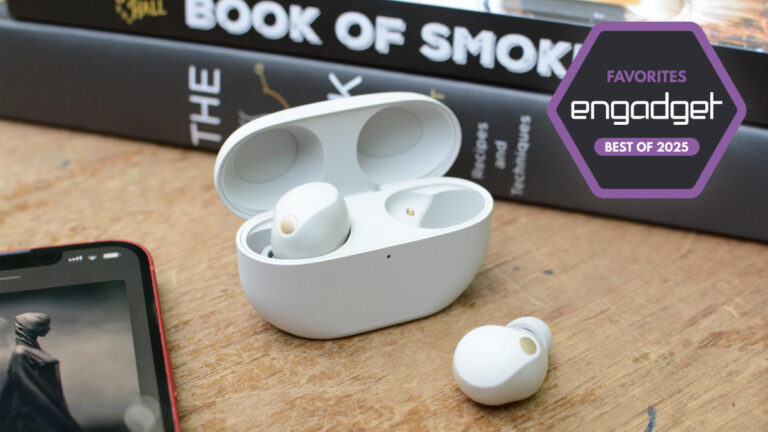
With the WF-1000XM5 flagship earbuds, Sony improves its already formidable mix of great sound, effective ANC and handy features. These earbuds are undoubtedly the company’s best and most comfortable design of its 1000X models so far, which was one of the few remaining riddles Sony needed to solve. Sony still manages to pack in more features than anyone else too, including trademark ones like adaptive sound and Speak-to-Chat. Add in upgraded drivers, new chips, eight hours of battery life and significant improvements to sound quality and these are Sony’s best earbuds yet. But all of the advancements come at a cost: these are also Sony’s most expensive set of wireless earbuds in the 1000X lineup.
Max battery life: 6 hours, up to 30 hours with charging case | Water resistance: IPX4 | Noise cancellation: Yes | Multipoint: Yes | Included charging case: Yes | Waterproof: Yes (IPX4) | Driver size: Not specified
Apple’s second-generation AirPods Pro are a huge improvement over the previous models. These buds have improved sound quality and active noise cancellation, while maintaining all of the conveniences that make AirPods the best earbud option for iPhone, iOS and Mac. When we reviewed them, we found the most impressive feature to be transparency mode, which is more natural sounding than any other earbuds by a mile. You can leave these in during a conversation and it’s like you’re not even wearing them. Of course, fast pairing, hands-free Siri, spatial audio, good battery life, and now, a USB-C charging case that can also power up wirelessly will also come in handy.
Max battery life: 8 hours, up to 30 hours with charging case (ANC on) | Water resistance: IP54 | Noise cancellation: Yes | Multipoint: Yes | Included charging case: Yes | Waterproof: Yes (IPX4 for earbuds, IPX2 for case) | Driver size: 11mm
The Pixel Buds Pro 2 may be Google’s priciest earbuds, but they’re also its best. A complete redesign resulted in significantly smaller earbuds that fit more comfortably and securely. The company has also packed in a Tensor chip for the first time to handle audio and ANC signal processing. As you might expect, these earbuds offer a hands-free channel to Gemini AI, although they’re not required to use the voice assistant.
Google also revised the acoustics and drivers on the Pixel Buds Pro 2, delivering ample low-end tone when it’s needed. There are plenty of handy features too, like Conversation Detection, Hearing Wellness and Find My Device. Spatial Audio is available at launch this time, but you can only use it with compatible video streaming apps.
Max battery life: 6 hours, up to 26 hours with charging case | Water resistance: IP57 | Noise cancellation: Yes | Multipoint: Yes | Included charging case: Yes | Waterproof: Yes (IP68) | Driver size: Dual drivers (woofer and tweeter); specific sizes not disclosed
The Galaxy Buds 3 Pro borrow heavily from Apple’s AirPods Pro in both looks and features, and build upon the foundation of the Samsung Galaxy Buds 2 Pro. However, Samsung did well to make things like Adaptive ANC and voice commands work well. Some features like Voice Detect could still use some fine tuning, but there’s a lot to like here beyond the basic functionality.
The truly surprising thing about the Galaxy Buds 3 Pro is the sound quality. There is some thick, boomy bass when you need it with plenty of crisp detail to complement it. This model really shines when you pair it with a Samsung device to unlock 24-bit HiFi streaming. There’s also a natural-sounding transparency mode that keeps you from feeling shouty during calls.
Max battery life: 10 hours, up to 50 hours with charging case | Water resistance: IPX4 | Noise cancellation: Yes | Multipoint: Yes | Included charging case: Yes | Waterproof: Not specified | Driver size: Not specified
The Anker Soundcore Space A40 offer the kind of features you’d expect from wireless earbuds that cost twice as much: ANC, multi-device pairing, wireless charging, IPX4 water resistance, a transparency mode, eight to ten hours of battery life and LDAC support. When we tested them, we found their warm sound to be pleasing right out of the box, but Anker’s companion app makes it easy to customize the EQ curve if needed. And while their ANC isn’t quite as effective at reducing background noise as our top picks, it’s still effective for a noisy office or long flight. For $80 or so, this is a superb value. – Jeff Dunn, Senior Commerce Writer
Max battery life: 6 hours, up to 24 hours with charging case | Water resistance: IPX4 | Noise cancellation: Yes | Multipoint: Yes | Included charging case: Yes | Waterproof: Yes (IPX4) | Driver size: Not specified
Since the company introduced the first model, Bose’s QuietComfort Earbuds have consistently provided the best noise cancellation out of all the wireless buds we’ve tested. It’s not surprising that its most-recent version, the QC Ultra Earbuds, only improved in ANC performance. However, the bigger story here is that Bose finally has the audio chops to compete with the best earbuds thanks to its new Immersive Audio tech. The feature brings spatial audio to all by not requiring specially-made content to use it. Rather than employ music and movies where the sound is coming from all directions, QC Ultra Earbuds put you in the middle of the acoustic “sweet spot” by relying heavily on virtualization. A dedicated gesture for volume controls, better-than-advertised battery life and customization settings round out the spec sheet.
Pros
Stellar ANC
Spatial audio doesn’t require special content
Upgrades with no price increase
Cons
Earbuds are still big
Immersive Audio significantly impacts battery life
Max battery life: 8.5 hours, up to 31.5 hours with charging case | Water resistance: IPX4 | Noise cancellation: Yes | Multipoint: Yes | Included charging case: Yes | Waterproof: Yes (IPX4) | Driver size: Not specified
Before now, you had to pay around $300 if you wanted Bose-quality ANC on a set of earbuds. With the new QuietComfort Earbuds, the company packs in a lot of its best features for less money. You’ll get effective ANC, good sound quality, and features like voice controls.
The earbuds are smaller than typical Bose fare, which means they’re more comfortable and fit better. You’ll also enjoy well over eight hours of battery life with ANC on and an IPX4 rating that will be good enough for workouts. And if the product page is to be trusted, you can also look forward to Bose’s unique spatial audio (Immersive Audio) coming soon.
Pros
Great sound quality
Effective ANC
Lots of handy features
Dependable battery life
Cons
No Immersive Audio (yet)
Audio and ANC sacrifices compared to the QC Ultra Earbuds
Max battery life: 5 hours (ANC on), up to 45 hours with charging case | Water resistance: N/A | Noise cancellation: Yes | Multipoint: Yes | Included charging case: Yes | Waterproof: Not specified | Driver size: Not specified
If you want the best sound quality, you’ll have to pay for it. The FoKus Rex5 are an eyewatering $449, and easily the most expensive wireless earbuds I’ve tested. However, Noble Audio’s five-driver setup is more robust than the competition where one or two drivers is typically the norm.
There’s a level of pristine detail and sonic separation I haven’t heard on other earbuds. For example, characteristics of the guitars, including the individual nuances of multiple players on a track, contribute to a wider soundstage and more immersion than you’ll encounter elsewhere. These are far from a complete package in terms of features, but the audio prowess is unmatched.
Max battery life: 12 hours, up to 29 hours with charging case | Water resistance: IPX4 | Noise cancellation: Yes | Multipoint: Yes | Included charging case: Yes | Waterproof: Yes (IPX4) | Driver size: 10mm
For a long while Bowers & Wilkins was my pick for best overall sound quality. But, as Dylan sang, “the times they are a-changin’.”
Technics borrowed magnetic fluid driver tech from its in-ear monitors (IEMs) to improve the sound quality on the AZ100. The result is deeper, more immersive bass that’s complemented by detailed highs and ample mid-range tone.
There are also a lot of features on the AZ100, including multipoint Bluetooth for up to three devices. Sony’s LDAC codec is also supported, as are Dolby Atmos and Dolby’s dynamic head tracking.
Max battery life: 6 hours, up to 24 hours with charging case | Water resistance: IPX4 | Noise cancellation: Yes | Multipoint: Yes | Included charging case: Yes | Waterproof: Yes (IPX4) | Driver size: Not specified
Most of the best AirPods features in a set of workout earbuds? That’s the Beats Fit Pro. Thanks to Apple’s H1 chip, these buds offer one-touch quick pairing, hands-free Siri and Find My tools. They’ll also allow you to use Audio Sharing with an Apple device and another set of AirPods or Beats wireless headphones for tandem listening or viewing. Balanced and punchy bass will keep the energy up during workouts while good noise cancellation, an IPX4 rating and comfy silicone ear tips make these a solid option outside of the gym too. And there’s plenty of support for Android devices, so these aren’t just a good buy for iOS users either.
Pros
Comfortable design
Good ANC
H1 chip offers quick pairing and switching between Apple devices
Max battery life: 6 hours, up to 20 hours with charging case | Water resistance: IPX4 | Noise cancellation: Yes | Multipoint: Yes | Included charging case: Yes | Waterproof: Yes (IPX4) | Driver size: Not specified
One of the biggest surprises last year wasn’t Sony’s unique open-wear LinkBuds, it was the more mainstream follow-up. With the LinkBuds S, the company debuted a more traditionally designed pair of earbuds akin to its premium WF-1000XM4, only this model is much smaller and lighter which leads to a much more comfy fit. These tiny wireless earbuds muster some punch when it comes to sound quality too and support for high-res listening (LDAC and DSEE Extreme) are both onboard. Capable ANC lends a hand with environmental noise and transparency mode can keep you tuned in when needed. What’s more, handy Speak-to-Chat is here and Adaptive Sound Control can automatically change settings based on activity or location. That’s a lot of premium features at a mid-range price.
When it comes to shopping for earphones, the first thing to consider is design or wear style. Do you prefer a semi-open fit like AirPods or do you want something that completely closes off your ears? If you’re shopping for earbuds with active noise cancellation, you’ll want the latter, but a case can be made for the former if you want to wear them all day or frequent places where you need to be tuned in to the ambient sounds. The overall shape of earbuds can determine whether you get a comfortable fit, so can the size and weight, so you’ll want to consider all that before deciding. And remember: audio companies aren’t perfect, so despite lots of research, the earbud shape they decided on may not fit you well. Don’t be afraid to return ill-fitting earbuds for something that’s more comfortable.
As wireless earbuds have become the norm, they’re now more reliable for basic things like consistent Bluetooth connectivity. Companies are still in a race to pack as much as they can into increasingly smaller designs. This typically means a longer list of features on the more premium sets of earbuds with basic functionality on the cheapest models. Carefully consider what you can’t live without when selecting your next earbuds, and make sure key items like automatic pausing and multipoint connectivity are on the spec sheet. You’ll also want to investigate the volume and touch controls as you’ll often have to sacrifice access to something else to make that adjustment via on-board taps or swipes. Some earbuds even offer app settings to tweak the audio profiles or firmware updates to improve performance over time.
For those in the Apple ecosystem, features like auto-pairing with devices, especially with AirPods Pro 2, can be an added advantage, while Android users may want to look for models that offer similar cross-device functionality.
When it comes to battery life, the average set of earbuds lasts about five hours on a single charge. You can find sets that last longer, but this is likely enough to get you through a work day if you’re docking the buds during lunch or the occasional meeting. You’ll want to check on how many extra charges are available via the case and if it supports wireless charging.
Companies will also make lofty claims about call quality on wireless earbuds. Despite lots of promises, the reality is most earbuds still leave you sounding like you’re on speakerphone. There are some sets that deliver, but don’t get your hopes up unless reviews confirm the claims.
Sound can be subjective, so we recommend trying before you buy if at all possible. This is especially true if you’re an audiophile. We understand this isn’t easy when most of us do a lot of shopping online, but trying on a set of earbuds and listening to them for a few minutes can save you from an expensive case of buyer’s remorse. If a store doesn’t allow a quick demo, most retailers have return policies that will let you take earbuds back you don’t like. Of course, you have to be willing to temporarily part with funds in order to do this.
We also recommend paying attention to things like Spatial Audio, Dolby Atmos, 360 Reality Audio and other immersive formats. Not all earbuds support them, so you’ll want to make sure a perspective pair does if that sort of thing excites you, especially if you plan to use them for playback of high-quality audio.
How we test wireless Bluetooth earbuds
The primary way we test earbuds is to wear them as much as possible. We prefer to do this over a one- to two-week period, but sometimes embargoes don’t allow it. During this time, we listen to a mix of music and podcasts, while also using the earbuds to take both voice and video calls. Since battery life for earbuds is typically less than a full day, we drain the battery with looping music and the volume set at a comfortable level (usually around 75 percent).
To judge audio quality, we listen to a range of genres, noting any differences in the sound profile across the styles. We also test at both low and high volumes to check for consistency in the tuning. To assess call quality, we’ll record audio samples with the earbuds’ microphones as well as have third parties call us.
When it comes to features, we do a thorough review of companion apps, testing each feature as we work through the software. Any holdovers from previous models are double checked for improvements or regression. If the earbuds we’re testing are an updated version of a previous model, we’ll spend time getting reacquainted with the older buds. Ditto for the closest competition for each new set of earbuds that we review.
Other wireless Bluetooth earbuds we tested
Beats Powerbeats Pro 2
The newest version of the Powerbeats Pro have an improved, comfortable design, balanced bass and new H2 chips and a heart rate sensor inside. But heart rate support is currently limited on iOS, and there’s a possibility those capabilities make it onto the next AirPods Pro models.
Samsung Galaxy Buds 3
The Galaxy Buds 3 combine ANC with an open-type design, which renders the noise-blocking abilities of the earbuds mostly useless. Still, there’s great low-end tone with ample bass when a track demands it. There are also lots of handy features, most of which require a Samsung phone. But at this price, there are better options from Google, Beats and Sony
Sennheiser Momentum Sport
I really like the overall shape of the Momentum Sport earbuds. They’re more comfortable than the Momentum True Wireless 4 and fit in my ears better. What’s more, the body temperature and heart rate sensors work well, sending those stats to a variety of apps. However, that sport-tracking feature works best with Polar’s app and devices, so there’s that consideration. Also, the audio quality and ANC performance isn’t as good as the MTW4, and these earbuds are pricey.
Beats Solo Buds
There’s a lot to like about the Solo Buds for $80. For me, the primary perk is they’re very comfortable to wear for long periods of time thanks to some thoughtful design considerations. You only get the basics here in terms of features and, as expected, the overall sound quality isn’t as good as the pricier models in the Beats lineup. You will get 18 hours of battery life though, since the company nixed the battery in the case and beefed up the listening time in the buds themselves.
Bose Ultra Open Earbuds
Bose created something very unique for this set of earbuds that allows you to stay in-tune with the world while listening to audio content. The clip-on design is very comfortable, but sound quality suffers due to the open-type fit, especially when it comes to bass and spatial audio.
Audio-Technica ATH-TWX7
These stick buds have a compact design that’s comfortable to wear and the warm sound profile is great at times. However, overall audio performance is inconsistent and there’s no automatic pausing.
Master & Dynamic MW09
Retooled audio, better ambient sound mode and reliable multipoint Bluetooth are the best things the MW09 has to offer. They’re expensive though, and you can find better ANC performance elsewhere.
Wireless earbud FAQs
What is considered good battery life for true wireless earbuds?
Most wireless earbuds will last five hours on a single charge, at the least. You can find some pairs that have even better battery life, lasting between six and eight hours before they need more juice. All of the best wireless earbuds come with a charging case, which will provide additional hours of battery life — but you’ll have to return each bud to the case in order to charge them up.
Is sound quality better on headphones or earbuds?
Comparing sound quality on earbuds and headphones is a bit like comparing apples and oranges. There are a lot of variables to consider and the differences in components make a direct comparison difficult. Personally, I prefer the audio quality from over-ear headphones, but I can tell you the sound from earbuds like Sennheiser’s Momentum True Wireless 3 is also outstanding.
Which wireless earbuds have the longest battery life?
With new models coming out all the time, tracking the hours of battery life for each this can be difficult to keep tabs on. The longest-lasting earbuds we’ve reviewed are Audio-Technica’s ATH-CKS5TW. The company states they last 15 hours, but the app was still showing 40 percent at that mark during our tests. The only downside is these earbuds debuted in 2019 and both technology and features have improved since. In terms of current models, Master & Dynamic’s MW08 offers 12 hours of use on a charge with ANC off (10 with ANC on) and JBL has multiple options with 10-hour batteries.
What wireless earbuds are waterproof?
There are plenty of options these days when it comes to increased water resistance. To determine the level of protection, you’ll want to look for an IP (ingress protection) rating. The first number indicates intrusion protection from things like dust. The second number is the level of moisture protection and you’ll want to make sure that figure is 7 or higher. At this water-resistance rating, earbuds can withstand full immersion for up to 30 minutes in depths up to one meter (3.28 feet). If either of the IP numbers is an X, that means it doesn’t have any special protection. For example, a pair of wireless earbuds that are IPX7 wouldn’t be built to avoid dust intrusion, but they would be ok if you dropped them in shallow water.
Which earbuds stay in ears the best?
A secure fit can vary wildly from person to person. All of our ears are different, so audio companies are designing their products to fit the most people they can with a single shape. This is why AirPods will easily fall out for some but stay put for others. Design touches like wing tips or fins typically come on fitness models and those elements can help keep things in place. You’ll likely just have to try earbuds on, and if they don’t fit well return them.
What wireless earbuds work with PS5?
PlayStation 5 doesn’t support Bluetooth audio without an adapter or dongle. Even Sony’s own gaming headsets come with a transmitter that connects to the console. There are universal options that allow you to use any headphones, headset or earbuds with a PS5. Once you have one, plug it into a USB port on the console and pair your earbuds with it.
Recent updates
May 2025: Updated to ensure top picks and buying advice remain accurate.
March 2025: Updated the top pick for the best sounding wireless earbuds – runner up.
January 2025: Updated the top pick for best sounding wireless earbuds.
July 2024: Updated our list to include the Samsung Galaxy Buds 3 Pro.