Home Blog Page 316

The Tech Guys Are Fighting. Literally.

0


Walking into the crowded hotel conference room, Andrew Batey looked like any other tech guy attending ETHDenver, an annual cryptocurrency conference. A venture capital investor based in Florida, Mr. Batey wore a black sweatshirt emblazoned with the logos of more than a dozen crypto companies, with names like LunarCrush and bitSmiley. He had arrived in town with some expensive footwear — a pair of Off-White Air Jordans, the type of sneaker, he said, that people usually don’t take out of the box.

Mr. Batey, however, was at the conference not to network with fellow crypto enthusiasts but to fight one of them — live on YouTube. At the hotel, a short drive from the conference convention center, he was preparing for his official weigh-in, the final step before a fight the next evening in an arena packed with crypto colleagues. Under the watchful eye of a representative from the Colorado Combative Sports Commission, Mr. Batey, 40, stripped down to his boxers, which were adorned with a cartoon Santa Claus riding a golf cart.

He weighed in at just under 195 pounds, on target for the fight. The bare-chested venture capitalist raised his biceps and flexed for the cameras.

The nation’s tech elite, not content with unfathomable wealth and rising political influence in Washington, have recently developed a new obsession — fighting. Across the United States, men like Mr. Batey are learning to punch, kick, knee, elbow and, in some cases, hammer an opponent over the head with their fists. The figurehead of the movement is Mark Zuckerberg, the billionaire chief executive of Meta, who has charted his impressive physical transformation from skinny computer nerd to martial arts fighter on Instagram, one of the apps he owns. A recent post showed Mr. Zuckerberg, dressed in gym shorts and an American flag T-shirt, grappling his opponent to the ground.

The tech industry’s newfound devotion to martial arts is one facet of a broader cultural shift that has upended U.S. politics. Many of these tech founders turned fighters are chasing a testosterone-heavy ideal of masculinity that is ascendant on social media and embraced by President Trump. An enthusiastic practitioner of Brazilian jujitsu, Mr. Zuckerberg, 40, lamented this year that corporate culture was getting “neutered” and was devoid of “masculine energy.” In 2023, Mr. Zuckerberg’s fellow billionaire Elon Musk, a longtime corporate rival, challenged him to a televised cage match. The fight never took place, though Mr. Musk suggested at one point that he was willing to do battle in the Roman Colosseum.

Ancient Rome is, in some ways, a useful reference point for this era of ultrarich braggadocio. The wealthiest Romans were fascinated with violent combat. The emperor Commodus even joined in the gladiatorial contests, claiming he had fought as many as 1,000 times. By the early 20th century, fighting was still a popular pastime for the elites: An avid boxer in his Harvard years, Teddy Roosevelt regularly sparred at the White House.

These days, the rise of mixed martial arts is part of a cultural revanchism that has thrived in the so-called manosphere, where hypermasculine online commentators complain that women have become too powerful in the workplace. In this corner of the internet, men are seeking to reclaim a kind of aggressive masculinity that came under scrutiny during the #MeToo era.

It’s the latest iteration of a phenomenon that the feminist writer Susan Faludi described in her 1991 book, “Backlash,” about how men have historically reacted to advances in women’s rights. In an interview last month, Ms. Faludi said the growing male obsession with fighting amounted to “a boy’s idea of what it means to be a man.”

“Living out this childhood fantasy of being pro athletes, that’s just puerile,” she said. “These guys need to discover yoga.”

The urge to fight has recently spilled over from the tech billionaire class to the industry’s trenches, where mere decamillionaires and millionaires now practice martial arts in increasing numbers. Mr. Zuckerberg’s transformation offered a “beacon of hope” for other executives, Mr. Batey said. “Dreamers can latch on to something like this and say, ‘Maybe it’s possible.’”

Until lately, though, a run-of-the-mill tech founder hoping to flex his muscles on TV would have had limited options. Then a company called Karate Combat glimpsed a market opportunity.

Most of the tech world’s aspiring fighters have a crucial thing in common: Before they started pursuing their extravagant new hobby, they made a lot of money.

In 2018, Mr. Batey founded Beatdapp, a company that develops software to eliminate fraud in music streaming. He also runs a venture capital firm, Side Door Ventures, that invests in crypto start-ups. Like many of his colleagues, Mr. Batey is the consummate pitchman. Even the miracle of life is an opportunity for crypto evangelism. When friends are expecting a baby, Mr. Batey said, he gives them Bitcoin (worth more than $100,000 at today’s prices) and asks them not to sell until their child turns 18.

“I always hated giving people like a onesie,” he said. “I hate the concept of giving somebody something that they could easily afford.”

Two years ago, Mr. Batey’s venture fund invested $500,000 in Karate Combat, a would-be competitor to the Ultimate Fighting Championship. The league operates as a hybrid between an athletic competition and a tech start-up. Rather than offering traditional shares, Karate Combat gave Mr. Batey’s firm Karate tokens — a cryptocurrency that fans can wager on Karate Combat fights, which stream on YouTube as well as TV channels like ESPN Deportes.

Karate Combat’s primary business is professional fighting — mixed martial arts contests featuring seasoned athletes, some of whom also fight in U.F.C. (A representative for Karate Combat declined to reveal how much money the league generates.) Last year, the company created a new competition for amateurs and started offering it as the undercard at pro events, which are sometimes held at crypto conferences. The competition was called Influencer Fight Club, and its premise was simple: Put a couple of tech guys in the ring and see what happens.

Karate Combat’s fights have an extensive following on Crypto Twitter, and Influencer Fight Club has helped attract more of those super-online fans. Over the last 18 months, the competition has featured some big names in the crypto world, including Nic Carter, a venture investor known for his combative posts on X, where he has attacked government regulators and questioned the efficacy of Covid vaccines. At a crypto conference in Nashville last summer, Mr. Carter, boasting an impressive physique, knocked out a tattooed crypto marketer in one round. On social media, he was hailed as “kingly” and adopted the nickname “Tungsten Daddy.”

“This is an amazing clout-forming exercise,” Mr. Carter said in a recent interview. “Not to be cynical about it.”

Mr. Batey attended an Influencer Fight Club event in Austin, Texas, last year and decided he wanted to fight, too. Once an amateur athlete who dabbled in boxing, he had gained a lot of weight as his career took off, eventually carrying 283 pounds on his 5-foot, 10-inch frame. He was about to turn 40 and needed to get into shape for health reasons. But he also wanted to have the sort of athletic experience usually reserved for serious fighters, who sometimes train their entire lives for the chance to compete on TV.

“This is my 40th birthday party — me fighting,” Mr. Batey explained. “Maybe it’s a midlife crisis.”

For four months, Mr. Batey put his career on hold and spent $75,000 on a trainer, a nutritionist and a rotating cast of professional sparring partners. After the fight was scheduled for ETHDenver, a conference devoted to the cryptocurrency Ethereum, he booked a block of nearly 30 hotel rooms to accommodate his friends and supporters.

The training was transformative, Mr. Batey said. He developed muscles he hadn’t seen in 20 years. Masculinity “doesn’t factor into how I think about it,” he said. “But I definitely feel more masculine.”

At first Mr. Batey had trouble finding a suitable opponent. Last year, he went to New York to spar with Billy McFarland, the creator of Fyre Festival, the fraudulent music event that inspired a Netflix documentary. But Mr. McFarland backed out after Karate Combat refused to guarantee him a $100,000 appearance fee, Mr. Batey said. Mr. McFarland declined to comment. (Payouts vary across Karate Combat’s influencer fights. One contract reviewed by The New York Times offered a $2,000 participation fee and a bonus of $10,000 in Karate tokens if the fighter landed a knockout punch.) A second possible opponent declined to fight Mr. Batey over concerns about the venue: He couldn’t appear at an Ethereum conference because he was loyal to Solana, a rival cryptocurrency.

By January, Mr. Batey was worried the fight wouldn’t come together in time. Then a solution emerged: Chauncey St. John, a crypto entrepreneur based in upstate New York.

Mr. St. John does not seem much like a fighter. “I’ve got this Mr. Rogers vibe to me,” he said recently. But he had endured his share of hardship in the crypto world. In 2021, he founded Angel Protocol, a start-up that aimed to help charities raise money using crypto. Unfortunately, he steered his clients toward an investment platform tied to Luna, a digital currency whose price crashed overnight in 2022, setting off a meltdown in the crypto markets that erased much of what the charities had raised.

After the Luna crash, Mr. St. John, 38, retreated from public view. He reimbursed the charities with money his firm had saved up and embraced Christianity, searching for meaning in the worst moment of his career. One day in January, Mr. St. John was scrolling on his phone when he glanced at a group chat that included other crypto enthusiasts. His eyes fell on a message from an industry colleague who goes by the nickname “The Degen Boii”: Karate Combat needed a fighter for ETHDenver.

The invitation “felt like testimony from God,” Mr. St. John said.

For part of his life, he said, he didn’t fit in with other men, and sometimes wondered if he was gay. (He is now married to a woman.) Here was a chance to re-enter the crypto industry, re-establish his public profile and lay claim to what he calls “divine masculinity.”

“We’re trying to make it so equality means there’s no difference between the genders,” Mr. St. John said. “There’s a healthy masculinity that’s been thrown out, baby with the bathwater-style.”

He signed a contract and booked a flight to Denver.

A few hours after the weigh-in, Mr. Batey drove to the Stockyards Event Center, a sprawling venue on the outskirts of Denver where Karate Combat had erected four sets of stands, overlooking a pit lined with mats. An extensive entourage came along: two trainers, a couple of fighters from Mr. Batey’s gym and a filmmaker shooting footage for a documentary about his transformation.

With 24 hours to go until the fight, it was time for the ceremonial face-off, an opportunity for ostentatious trash talk. On the edge of the pit, the league’s president, Asim Zaidi, summoned the two crypto founders forward.

Mr. Batey drew close to Mr. St. John, almost nose to nose. “Are you gonna kiss me?” Mr. St. John asked.

“We’ll find out,” Mr. Batey replied.

When the theatrics concluded, Mr. St. John walked down to the pit. Unlike Mr. Batey, he had not had much time to prepare; his entourage consisted of a single person, a trainer with no pro fighting experience, whom he had met a few months earlier in the “Indigenous spirituality community,” he said. Alone in the ring, Mr. St. John started to shadow box.

A few feet away, Chiheb Soumer, a former professional kick boxer, was watching him closely. A native of Hamburg, Germany, Mr. Soumer, 36, had once worked as an in-house trainer for Snap in Los Angeles, teaching tech employees how to box. He traveled to Denver as Mr. Batey’s trainer.

“I love to see these nerds all of a sudden try to man up,” he said.

Even by martial-arts standards, Mr. Soumer cuts an uncompromising figure, dispensing blunt insults in a deep, accented voice, vaguely reminiscent of Arnold Schwarzenegger. He is particularly attuned to any sign that someone is “soft” — an unforgivable frailty that, in his view, explains all manner of embarrassing conduct.

“That’s a very soft statement,” Mr. Soumer had observed just a few hours before the face-off, when Mr. Batey lamented that he’d had to give up lattes to lose weight for the fight.

Mr. Soumer was unimpressed with Mr. Batey’s opponent — or “this kid Chauncey,” as he called him. “No arms, no shoulder,” he said, with the clinical air of a horse breeder offering his verdict on a wobbly foal. Outside the Stockyards, Mr. Soumer mimed a series of stuttering lunges, while the rest of Mr. Batey’s entourage roared with laughter.

“Bro, soft,” Mr. Soumer said. “Soft like butter, bro.”

Mr. Batey grinned. “I’ve never had more confidence for anything in my life,” he said.

He turned to Mr. Soumer. “After I knock him out, should I donate my winnings to his charity?”

“No,” Mr. Soumer replied. “Keep it for yourself.”

On fight night at the Stockyards, the enemy combatants warmed up a few feet from each other as the arena slowly filled with spectators — men in crypto T-shirts and backward baseball caps, swigging beer and taking photos. At 6 p.m., a roar spread through the building, as Mr. St. John and Mr. Batey slid into the pit.

What followed more closely resembled a schoolyard scrap than a professional martial-arts bout. The choreographed moves that Mr. Batey had rehearsed were nowhere to be seen. Over and over, he threw punches and missed, lunging forward and then lurching back. Mr. St. John swung his arms wildly, whirling in a circle, like a helicopter. Next to the pit, a panel of announcers offered live analysis for the YouTube audience.

“What they lack in technical, they make up for in the heart,” one commentator said. His partner offered a blunter assessment: “It’s hilarious.”

By the end of the first round, Mr. Batey’s nose was bleeding heavily. But soon he forced Mr. St. John to the ground and straddled him, raining punches down onto his head. Within 10 seconds, the referee intervened: Mr. St. John couldn’t continue. It was over.

Mr. Batey held his arms aloft and started to dance, thrusting his pelvis toward the crowd. “I just want to thank my wife,” he told the cheering crowd. “Thank you for supporting me, making my meals, putting the kids to bed.”

Backstage, Mr. St. John was smiling. “I didn’t embarrass myself,” he said. All the effort had been worth it. He would happily do it over again

That night, Mr. Batey went out to celebrate. He had showered, changed and cleaned up his face, except for a single streak of dried blood that was intact on the bridge of his nose. At the entrance to a party near Civic Center Park, Mr. Batey informed the bouncer that he had featured in “a pro fight tonight, a fight on TV.”

The bouncer didn’t seem impressed. But Mr. Batey found a more appreciative audience on the dance floor, where his friends swarmed him, offering hugs and fist bumps. Soon a chant went up: “Batey, Batey, Batey, Batey.”

Away from the group, Mr. Batey confided that at the arena, not long after the fight, he had approached Mr. St. John to express his respect and gratitude — and to make clear that he was “proud of him, as a human.”

Mr. St. John had fought hard, Mr. Batey said. Maybe someday they would be friends.

“He’s a good guy,” Mr. Batey said. “We’re both just good dudes.”

Kitty Bennett contributed research.


Source link

Once in Sync, Trump and Netanyahu Now Show Signs of Division

0


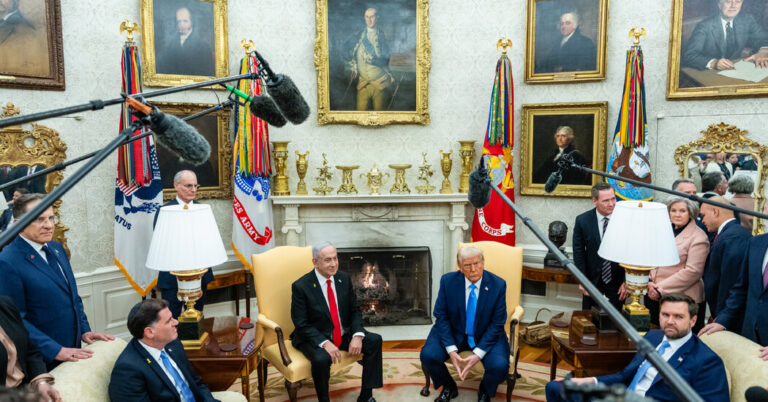
When Prime Minister Benjamin Netanyahu met President Trump at the White House in February, the two men could not have been more in sync. The president had designated Houthi militants in Yemen as a terrorist organization. They both spoke of stopping Iran from acquiring a nuclear bomb. Mr. Trump even mused about expelling Palestinians from Gaza.

“You say things others refuse to say,” Mr. Netanyahu gushed in the Oval Office, with cameras running. “And then, after the jaws drop, people scratch their heads. And they say, ‘You know, he’s right.’”

Two months later, in another White House visit, Mr. Netanyahu sat almost silently next to the president for more than a half-hour as Mr. Trump expounded on topics having nothing to do with Israel.

That meeting, in April, underscored a growing divide between the two men, who are increasingly in disagreement on some of the most critical security issues facing Israel.

As Mr. Trump heads this week to the Middle East for his first major foreign trip, the president has, for now, rejected Mr. Netanyahu’s desire for joint military action to take out Tehran’s nuclear abilities. Instead, Mr. Trump has begun talks with Iran, leaving Mr. Netanyahu to warn that “a bad deal is worse than no deal.”

This past week, Mr. Trump announced an agreement with the Iranian-backed Houthi militias in Yemen to halt U.S. airstrikes against the militants, who agreed to cease attacks against American vessels in the Red Sea. The news from Mr. Trump, which Israeli officials said was a surprise to Mr. Netanyahu, came only days after a Houthi missile struck Israel’s main airport in Tel Aviv, prompted an Israeli response.

In a video posted on X, Mr. Netanyahu responded to Mr. Trump’s announcement by saying: “Israel will defend itself by itself. If others would join us, our American friends, very well. If they don’t, we will defend ourselves.”

Mike Huckabee, the United States ambassador to Israel, said in an Israeli television interview on Friday that “the United States isn’t required to get permission from Israel.”

And there is even some evidence of a divide on Gaza. Mr. Trump’s emissaries are still trying to get a deal to stop the war, even though he has largely supported the prime minister’s conduct of the conflict and has offered almost no public criticism of Israel’s increased bombardment and blockade of food, fuel and medicine since a cease-fire collapsed two months ago.

On Monday, the prime minister announced plans to intensify the war even as the president’s envoys continued to seek a new diplomatic path to end the conflict. But Mr. Trump has not wagged his finger at Mr. Netanyahu the way President Joseph R. Biden Jr. did throughout the first year of the war in Gaza, which began after the Hamas-led attack on Israel on Oct. 7, 2023.

Now, this moment is testing the relationship of the two men, both of whom are politically divisive, fiercely combative and have outsize egos. At stake is the short- and long-term security in a region that has long been wracked by war. Analysts in the Middle East and the United States say that changing the arc of history there in part hinges on how Mr. Trump and Mr. Netanyahu bridge their differences during a time of major geopolitical shifts.

“Trump is ‘what you see is what you get’ and rarely hides things. His default is to say what he thinks,” said Eli Groner, who served for more than three years as the director general in the prime minister’s office. “Netanyahu’s default is to keep things extraordinarily close to his chest.”

Mr. Trump and Mr. Netanyahu have for years publicly cited a warm and close relationship as evidence of their own political prowess and have flattered each other repeatedly. People close to the two leaders say they are in some ways kindred spirits who respect each other for the political and personal attacks they have endured during their careers.

Mr. Trump has accused liberals in his government, judges and intelligence officials of conspiring against him. Mr. Netanyahu has blamed courts in his country from blocking necessary policies and he says his political rivals orchestrated his trials on charges of fraud, breach of trust and accepting bribes.

“The DNA of both of them is very similar,” said Mike Evans, an evangelical Christian who founded the Friends of Zion museum in Israel and is a longtime supporter of both the president and the prime minister. “They both have gone through similar experiences — Bibi with the deep state in Israel and Donald Trump with the deep state in America.”

John Bolton, who served as the national security adviser in the White House from 2018 to 2019, said Mr. Trump always viewed the relationship with Mr. Netanyahu as critical to his own political support in the United States, especially among evangelical voters.

“They both saw it to their political advantage to be friendly,” he said of the two leaders. “That was certainly Trump’s calculation.”

But behind closed doors, there have been disagreements and some clashes, with implications for the situation now facing them.

Mr. Trump has long harbored anger about Mr. Netanyahu’s decision to congratulate Mr. Biden on his 2020 election victory. The president claimed — falsely — that the prime minister was the first world leader to do so. At the end of 2021, Mr. Trump used an expletive while recalling the snub in an interview with a book author.

For his part, Mr. Netanyahu has privately expressed frustration with some of Mr. Trump’s policies, particularly over the president’s desire to reach a deal with Iran. A right-wing newspaper usually aligned with the prime minister wrote this month that Mr. Netanyahu thought Mr. Trump “says all the right things” but does not deliver.

When it comes to Iran, Mr. Netanyahu and Mr. Trump may be operating on different timelines. The president appears willing to let diplomats work on a deal that might restrict Tehran’s ability to enrich uranium and slow its progress toward a bomb. Mr. Netanyahu is eager to move against Iran militarily, before it is too late to stop its progress.

“Netanyahu thinks the timeline is pretty short to make a decision,” said Mr. Bolton, who is an advocate of taking military action. In an interview with Time magazine in April, Mr. Trump said that he had argued against Mr. Netanyahu’s proposal to launch a joint attack to set back Iran’s nuclear program.

“I didn’t stop them. But I didn’t make it comfortable for them because I think we can make a deal without the attack,” Mr. Trump said in the interview.

The White House has said that Mr. Trump does not have plans to visit Israel on his trip to the region this week, though Mr. Huckabee said the president would visit the country by the end of the year. That is a change from the president’s first term, when his first foreign trip included Israel along with stops in Saudi Arabia and parts of Europe.

It remains unclear how extensively Mr. Trump will confront the war in Gaza while he is in the Middle East.

Mr. Trump came into office vowing to end the war between Israel and Hamas, end Palestinian suffering, and return the hostages whom the militant group seized in the Oct. 7, 2023, attack. (Always on his mind, according to those close to him: the prospect of being awarded a Nobel Peace Prize for his efforts. A spokesman for Mr. Trump said in March that the prize was illegitimate until Mr. Trump, “the ultimate peace president,” was honored for his accomplishments.)

More than 50,000 Palestinians have died, according to the Gaza health ministry, which does not distinguish between civilian and combatant deaths. About 130 hostages have been released, and the Israeli military has retrieved the bodies of at least 40 others. As many as 24 hostages are thought to still be alive, according to the Israeli government.

Some families of the Israeli and American hostages still held in Gaza are working quietly to urge Mr. Trump to use his trip to the Middle East as an opportunity to put pressure on Mr. Netanyahu, according to people familiar with the diplomatic lobbying effort.

In recent weeks, Mr. Trump has seemed less engaged in trying to resolve the conflict after bragging in February about his grand vision of creating a “Gaza Riviera” once the Palestinians had all been relocated to other countries.

When Mr. Netanyahu visited the White House in April, some in Israel viewed the scene as embarrassing for the prime minister.

Mr. Evans, who has known Mr. Netanyahu since he was a young man, said the prime minister would not relent, even if Mr. Trump did push him to end the war before the Israeli military had destroyed Hamas and returned all of the hostages.

“Does Netanyahu believe that Hamas is going to give him all the hostages if they pull out of Gaza?” Mr. Evans said. “I don’t think he believes it for a moment.”


Source link

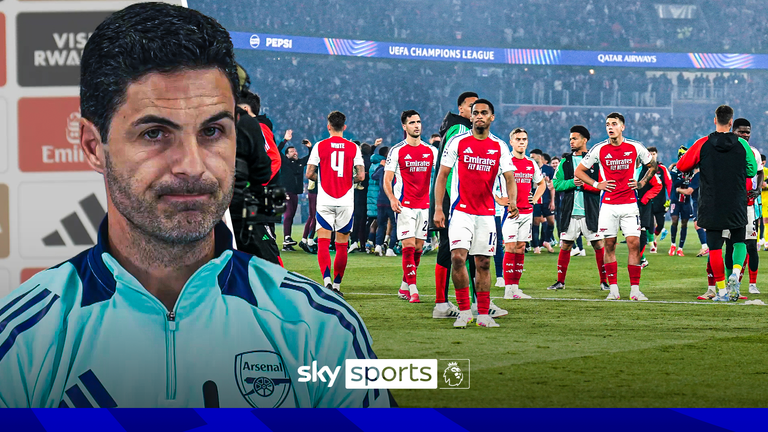
Mikel Arteta rejects sympathy over Champions League exit as Arsenal end 2024/25 without a trophy | Football News

0


“I don’t want anybody talking about it.”

Mikel Arteta is taking little solace from Arsenal’s first Champions League semi-final in 16 years. It has been a season of progress in Europe for his side, who not only reached that milestone – for only the third time in their history, too – but also saw off 15-time winners Real Madrid on their way.

But it is not enough. When the curtain comes down on 2024/25 it will do so with Arsenal about to enter their sixth season since they last lifted silverware. What will likely be a hat-trick of Premier League runners-up spots, and that run to the final four in Europe this season, has cemented a feeling of being always the bridesmaid, never the bride.


Sunday 11th May 4:15pm


Kick off 4:30pm


Speaking to Sky Sports ahead of a trip to league winners Liverpool and what Arteta admits will be a painful guard of honour for the newly-crowned champions, the Gunners boss says he is more interested in talking about why they missed out on Champions League glory – and does not dispute the outside noise about the need for greater attacking threat.

“We wanted to win the Champions League, and we believed we could,” he said. “That’s the spirit. If someone says ‘Oh, but we have this,’ I don’t want anybody talking about it.

“Wednesday was one of the saddest but proudest nights I have had as Arsenal manager. I want to talk about one, why we didn’t win it, and what we have to do now to win it. That’s what has to drive this club, and everybody involved in it.

“A lot of things have to go your way. What we did was increase the probability, and made that very high that we would reach the final. But we missed too many big chances. We can give credit to them, they had the best goalkeeper in the world saving those moments.

Please use Chrome browser for a more accessible video player

Mikel Arteta admits Arsenal have taken a step back in the Premier League ahead of their clash against Liverpool where he confirms they will give a guard of honour.

“I understand the narrative [about signing a No 9]. When you create five expected goals but only score one, it’s going to happen. It’s normal.

“We look at the things with much more data and resources than many people, but a lot of people have very good intuition on what is needed – and it’s good to listen to those opinions.

“We have a very clear vision from the ownership, the owner and the board, the new sporting director, we are all aligned on what we want to do. We are very close to achieving it – and that’s it.

“Some days it will be sunny, then the storm will come. You have to go through every single day, lift your head up, make sure that you’re doing your very best in a very honest way and you’re fully believing what you can do. Then it will come.”

Arsenal’s injury list has dwarfed that of their title rivals and is something Arteta has referenced at periods where his squad has become especially stretched.

Reflecting on where both their Premier League and Champions League campaigns had slipped away, he suggested his backroom staff’s soul-searching had already questioned whether it was indeed something beyond their control – or another “probability” they could improve upon next season, through changes in training or having a bigger pool of players to select from.

“The injuries I think have been a nightmare in terms of selecting line-ups, substitutions, how we change training sessions – because we have had times without a lot of players available,” he said.

Please use Chrome browser for a more accessible video player

Sky Sports’ Nick Wright analyses Arsenal’s defeat over two legs to PSG in the Champions League and pinpoints the areas where they fell short of the French club.

“That’s when you want to really raise the standards, win and be much better than the opposition in this league, in this context. It’s very demanding and very tricky.

“We had three or four big injuries, and it’s very difficult to prevent them all. Can we do something different? The luck could have been different, the training could have been different, the gym could have been different, prevention can be different.

“We will look at all those things to try to be better and the reality is that the starting point and the numbers that we had in the beginning to start the season were very, very low and we accepted the challenge because it’s what we could do at that moment.”

Watch Liverpool vs Arsenal on Sky Sports Premier League from 4.15pm on Sunday, kick-off 4.30pm.


Source link

Why America’s ‘Beautiful Beef’ Is a Trade War Sore Point for Europe

0


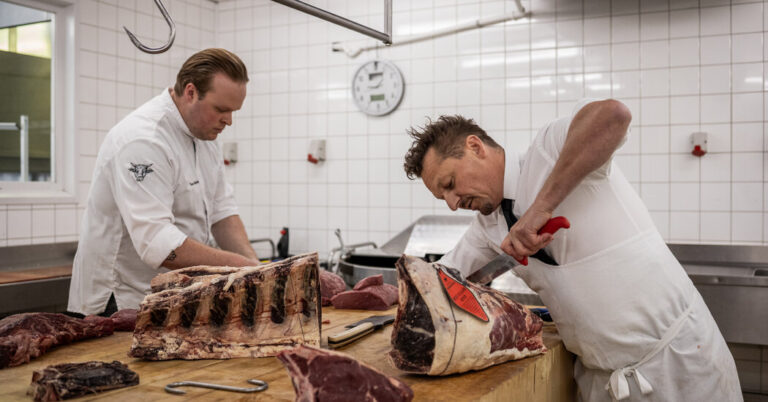
Hendrik Dierendonck, a second-generation butcher who has become, as he describes it, “world famous in Belgium” for his curated local beef, thinks Europe’s way of raising cattle results in varied and delicious cuts that European consumers prize.

“They want hormone-free, grass-fed,” Mr. Dierendonck explained recently as he cut steaks at a bloody chopping block in his Michelin-starred restaurant, which backs onto the butchery his father started in the 1970s. “They want to know where it came from.”

Strict European Union food regulations, including a ban on hormones, govern Mr. Dierendonck’s work. And those rules could turn into a trade-war sticking point. The Trump administration argues that American meat, produced without similar regulations, is better — and wants Europe to buy more of it, and other American farm products.

“They hate our beef because our beef is beautiful,” Howard Lutnick, the commerce secretary, said in a televised interview last month. “And theirs is weak.”

Questions of beauty and strength aside, the administration is right about one thing: European policymakers are not keen on allowing more hormone-raised American steaks and burgers into the European Union.

Further opening the European market to American farmers is just one ask on a laundry list of requests from the Trump team. American negotiators also want Europe to buy more American gas and trucks, to change their consumption taxes and to weaken their digital regulations.

Trade officials within the European Union are willing to make many concessions to avert a painful and protracted trade war and to avert higher tariffs. They have offered to drop car tariffs to zero, to buy more gas and to increase military purchases. Negotiators have even suggested they could buy more of certain agricultural products, like soy beans.

But Europeans have their limits, and those include America’s treated T-bones and acid-washed chicken breasts.

“E.U. standards, particularly as they relate to food, health and safety, are sacrosanct — that’s not part of the negotiation, and never will be,” Olof Gill, a spokesman for the European Commission, the E.U. administrative arm, said at a recent news conference. “That’s a red line.”

It is not clear how serious the Americans are about pushing for farm products like beef and chicken. But the topic has surfaced repeatedly. When U.S. officials unveiled a trade deal with Britain on Thursday, for instance, beef was part of the agreement.

But according to Britain, the deal would simply make it cheaper for Americans to export more hormone-free beef to the country and would not weaken British health and safety rules, which are similar to those in the E.U.

When it comes to the European Union, the United States can already export a large amount of hormone-free beef without facing tariffs, so an equivalent deal would do little to help American farmers.

But diplomats and European officials have repeatedly insisted that there is no wiggle room to lower those health and safety standards. And when it comes to meat-related trade restrictions more broadly, there is very little. Chicken, for instance, faces relatively high tariffs, and there is limited appetite to lower those rates.

That’s because Europe is protective of both its food culture and its farms.

Where America tends to have massive agricultural businesses, Europeans have maintained a more robust network of smaller family operations. The 27-nation bloc has about nine million farms, compared with about two million in the United States.

Subsidies and trade restrictions help to keep Europe’s agricultural system intact. The European Union allocates a big chunk of its budget to supporting farmers, and a mix of tariffs and quotas limit competition in sensitive areas. E.U. tariffs on agricultural products are around 11 percent overall, based on World Trade Organization estimates, though they vary hugely by product.

And the bloc could place higher tariffs on U.S. farm goods if trade negotiations fall through. Their list of products that could face retaliatory levies, published Thursday, includes beef and pork, along with many soy products and bourbon.

But it’s not just tariffs limiting European imports of American food. Strict health and safety standards also keep many foreign products off European grocery shelves.

Take beef. Mr. Dierendonck and other European farmers are banned from using growth stimulants, unlike in the United States, where cattle are often raised on large feedlots with the use of hormones. European safety officials have concluded that they cannot rule out health risks for humans from hormone-raised beef.

To Mr. Dierendonck, the rules also fit European preferences. The lack of hormones results in a less homogenous product. “Every terroir has its taste,” he explains, describing the unique “mouth feel” of the West Flemish Red cow he raises on his farm on the Belgian coast.

But farming beef without hormones is more expensive. And American exporters have to adhere to hormone limitations when they send steaks, hamburgers or dairy products to E.U. countries, which European farmers argue is only fair. Otherwise, imports produced using cheaper methods could put European farmers out of business.

“We cannot accept import products that do not meet our production standards,” said Dominique Chargé, a cattle farmer from the west of France who is also president of La Coopération Agricole, a national federation representing French agricultural cooperatives.

The result is that the United States does not sell much beef to Europe. It makes more economic sense for U.S. farmers to sell into markets that allow hormone-raised cattle.

One frequent American complaint is that European health standards are more about preference than actual health.

American scientists have called the risks of hormone use in cows minimal. And though E.U. officials and consumers frequently sneer at America’s “chlorinated chickens,” that rallying cry is a bit dated. American farmers have for years been using a vinegar-like acid, and not chlorine, to rinse poultry and kill potential pathogens.

Some studies in Europe have suggested that such treatments are not a replacement for raising a chicken in a way that makes it pathogen-free from the start. American scientists have concluded that the rinses do their job and are not harmful to humans.

“I don’t know that it’s really about the science,” said Dianna Bourassa, a microbiologist specializing in poultry at Auburn University. “In my microbiological opinion, there are no health implications.”

From the perspective of European farmers, though, whether the health risks are genuine is besides the point. So long as European voters oppose chemical-treated chicken and hormone-treated beef, Europe’s farmers cannot use those farming techniques.

“When you speak to our farmers, it’s about fairness,” explained Pieter Verhelst, a member of the executive board of a Belgian farmers’ union, Boerenbond. “The policy framework we start with is totally different, and those issues are mostly totally out of the hands of farmers.”

And European consumers do seem to support E.U. food and farming rules.

Farmer protests last year loudly opposed more beef imports from South American countries, in part over concerns that the cows might be raised with a growth hormone. An Obama-era trade deal died in part thanks to popular anger over “chlorine chicken” (“Chlorhünchen,” to derisive Germans.)

E.U. public opinion polling has suggested that policies that promote farming and farmers are very popular. In a 2020 poll fielded in-person across the bloc, nearly 90 percent of Europeans agreed with the idea that agricultural imports “should only enter the E.U. if their production has complied with the E.U.’s environmental and animal welfare standards.”

In Europe, including at Mr. Dierendonck’s butchery and farm, there’s a value placed on the old-fashioned, small-scale way of doing things, policymakers and farmers agreed. Mr. Dierendonck does buy some American beef for customers who ask for it — it’s easy to cook, he said — but it’s a small part of the business.

“I like American beef very much, but I don’t like it too much,” said Mr. Dierendonck, explaining that to him, the beef his European suppliers provide is varied, like a fine wine. “For me, it’s about keeping traditions alive.”


Source link

U.S. and China Will Meet for Second Day of Trade Talks

0


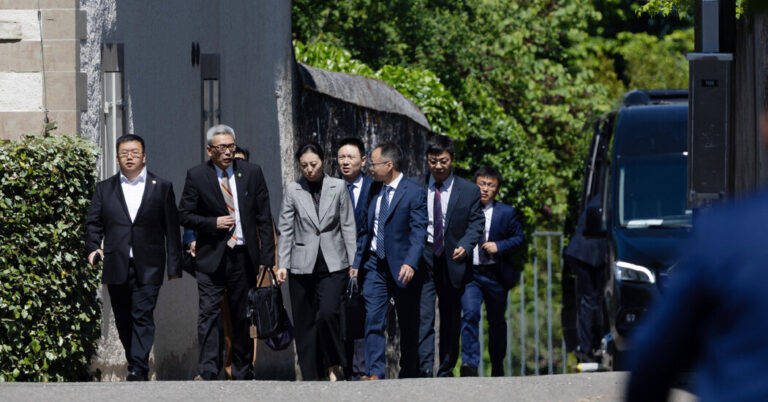
Top economic officials from the United States and China will meet on Sunday in Geneva for their second day of high-stakes negotiations, discussions that are aimed at easing tensions stemming from President Trump’s trade war.

The talks have major implications for the global economy, which has been rocked by the tariffs that the United States and China have imposed on each other in recent months. Mr. Trump has imposed a minimum tariff of 145 percent on all Chinese imports, while China has hit American products with a 125 percent import tax.

Such punitive levies are already disrupting the world’s supply chains. American companies are scrambling to source products from countries other than China, while Chinese factories are looking for ways around the U.S. tariffs and exporting more to Southeast Asia. At the same time, many U.S. businesses are weighing how much they can increase prices to help offset the tariff costs.

Economists have warned that the trade dispute will slow global growth and fuel inflation, potentially tipping the United States into a recession. Those economic fears have pressured Mr. Trump into seeking a deal with China.

After roughly seven hours of talks on Saturday, the United States said it would not release any formal statement about the proceedings.

Mr. Trump hailed the initial conversations as a success.

“A very good meeting today with China, in Switzerland,” Mr. Trump wrote on Truth Social. “Many things discussed, much agreed to. A total reset negotiated in a friendly, but constructive, manner.”

Treasury Secretary Scott Bessent and Jamieson Greer, the United States Trade Representative, are leading the talks for Washington. For Beijing, the negotiations are being led by He Lifeng, China’s vice premier for economic policy.

The tariffs effectively cut off trade between the world’s two largest economies.

Ahead of the meetings, Mr. Trump suggested that he would be open to lowering the tariffs to 80 percent from 145 percent. However, the White House spokeswoman, Karoline Leavitt, said that China would have to make concessions for the tariffs to be reduced.

The Trump administration has accused China of unfairly subsidizing key sectors of its economy and flooding the world with cheap goods. The United States has also been pressuring China to take more aggressive steps to curb exports of precursors for fentanyl, a drug that has killed tens of thousands of Americans.

China has been steadfast in saying it does not intend to make trade concessions in response to Mr. Trump’s tariffs. Officials have insisted that the nation agreed to engage in talks at the request of the United States.

The trade talks this weekend were intended to set the stage for broader economic negotiations between the two countries. Economists have been skeptical that a quick deal is likely.

“We think the takeaway is to lower expectations for what might emerge from talks between U.S. and Chinese officials this weekend,” Nancy Vanden Houten, U.S. economist at Oxford Economics, wrote in a research note on Saturday.

Ms. Vanden Houten explained that even if the United States reduces the tariff rate on Chinese imports to 80 percent, the overall effective tariff rate for imports would be three times higher than projections from when Mr. Trump was elected.

But Mr. Trump appears poised to tout any concessions made by China as win for the United States.

Reiterating his call for China to open up its markets to American companies on Saturday, Mr. Trump declared: “GREAT PROGRESS MADE!!!”


Source link

Late red card drama as AFC Wimbledon edge Notts County

0


Highlights of the League Two first leg play-off match between Notts County and AFC Wimbledon.


Source link

Reluctant at First, Trump Officials Intervened in South Asia as Nuclear Fears Grew

0


As a conflict between India and Pakistan escalated, Vice President JD Vance told Fox News on Thursday that it was “fundamentally none of our business.” The United States could counsel both sides to back away, he suggested, but this was not America’s fight.

Yet within 24 hours, Mr. Vance and Marco Rubio, in his first week in the dual role of national security adviser and secretary of state, found themselves plunged into the details. The reason was the same one that has driven every president since Bill Clinton to deal with another major conflict between the two longtime enemies in 1999: fear that it might quickly go nuclear.

What drove Mr. Vance and Mr. Rubio into action was evidence that the Pakistani and Indian Air Forces had begun to engage in serious dogfights, and that Pakistan had sent 300 to 400 drones into Indian territory to probe its air defenses. But the most significant causes for concern came late Friday, when explosions hit the Nur Khan air base in Rawalpindi, Pakistan, the garrison city adjacent to Islamabad.

The base is a key installation, one of the central transport hubs for Pakistan’s military and the home to the air refueling capability that would keep Pakistani fighters aloft. But it is also just a short distance from the headquarters of Pakistan’s Strategic Plans Division, which oversees and protects the country’s nuclear arsenal, now believed to include about 170 or more warheads. The warheads themselves are presumed to be spread around the country.

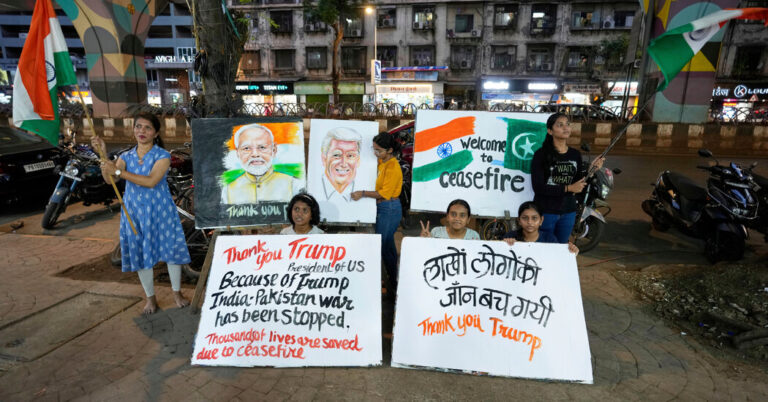
The intense fighting broke out between India and Pakistan after 26 people, mostly Hindu tourists, were killed in a terrorist attack on April 22 in Kashmir, a border region claimed by both nations. On Saturday morning, President Trump announced that the two countries had agreed to a cease-fire.

One former American official long familiar with Pakistan’s nuclear program noted on Saturday that Pakistan’s deepest fear is of its nuclear command authority being decapitated. The missile strike on Nur Khan could have been interpreted, the former official said, as a warning that India could do just that.

It is unclear whether there was American intelligence pointing to a rapid, and perhaps nuclear, escalation of the conflict. At least in public, the only piece of obvious nuclear signaling came from Pakistan. Local media reported that Prime Minister Shehbaz Sharif had summoned a meeting of the National Command Authority — the small group that makes decisions about how and when to make use of nuclear weapons.

Established in 2000, the body is nominally chaired by the prime minister and includes senior civilian ministers and military chiefs. In reality, the driving force behind the group is the army chief, Gen. Syed Asim Munir.

But Pakistan’s defense minister, Khawaja Muhammad Asif, denied that the group ever met. Speaking on Pakistani television on Saturday before the cease-fire was announced, he acknowledged the existence of the nuclear option but said, “We should treat it as a very distant possibility; we shouldn’t even discuss it.”

It was being discussed at the Pentagon, and by Friday morning, the White House had clearly made the determination that a few public statements and some calls to officials in Islamabad and Delhi were not sufficient. Interventions by Saudi Arabia and the United Arab Emirates had little effect.

During his interview with Fox News, Mr. Vance had also said that “we’re concerned about any time nuclear powers collide and have a major conflict.” He added that “what we can do is encourage these folks to deescalate a little bit.”

According to one person familiar with the unfolding events who was not authorized to speak publicly about them, serious concerns developed in the administration after that interview that the conflict was at risk of spiraling out of control.

The pace of strikes and counterstrikes was picking up. While India had initially focused on what it called “known terror camps” linked to Lashkar-e-Taiba, a militant group blamed for the April attack, it was now targeting Pakistani military bases.

The Trump administration was also concerned that messages to de-escalate were not reaching top officials on either side.

So U.S. officials decided that Mr. Vance, who had returned a couple weeks earlier from a trip to India with his wife, Usha, whose parents are Indian immigrants, should call Prime Minister Narendra Modi directly. His message was that the United States had assessed there was a high probability of a dramatic escalation of violence that could tip into full-scale war.

By the American account, Mr. Vance pressed Mr. Modi to consider alternatives to continued strikes, including a potential off-ramp that U.S. officials thought would prove acceptable to the Pakistanis. Mr. Modi listened but did not commit to any of the ideas.

Mr. Rubio, according to the State Department, talked with General Munir, a conversation made easier by his new role as national security adviser. Over the past quarter-century, the White House has often served, if quietly, as a direct channel to the Pakistani army, the country’s most powerful institution.

Mr. Rubio also called Pakistan’s foreign minister, Ishaq Dar, and India’s nationalistic external affairs minister, S. Jaishankar, whom he had met on Jan. 22 in Washington.

It is not clear how persuasive he was, at least initially.

The State Department did not hold a press briefing on Saturday about the content of those calls, instead issuing bare-bones descriptions of the conversations that gave no sense of the dynamic between Mr. Rubio and the South Asian leaders. But the constant stream of calls from Friday evening into early Saturday appeared to lay a foundation for the cease-fire.

A senior Pakistani intelligence official who was not authorized to comment publicly about the negotiations credited the involvement of the Americans over the last 48 hours, and in particular Mr. Rubio’s intervention, for sealing the accord. But as of Saturday night, there were reports that cross-border firing was continuing.

Mr. Sharif, the prime minister, made a point of focusing on the American president’s role. “We thank President Trump for his leadership and proactive role for peace in the region,” he wrote on X. “Pakistan appreciates the United States for facilitating this outcome, which we have accepted in the interest of regional peace and stability.”

India, in contrast, did not acknowledge any U.S. involvement.

It is far from clear that the cease-fire will hold, or that the damage done may not trigger more retribution. Pakistan brought down five Indian planes, by some accounts. (The Indian side has not commented on its losses.)

Pakistani intelligence, the senior official said, assessed that India was trying to bait Islamabad into going beyond a defensive response. India wanted Pakistan to use its own F-16 fighter jets in a retaliatory attack so they could try to shoot one down, the official said. The jets were sold by the United States because Pakistan is still officially considered a “major non-NATO ally,” a status President George W. Bush bestowed on the country in the months after the Sept. 11 attacks.

The senior Pakistani intelligence officer said the American intervention was needed to pull the two sides back from the brink of war.

“The last move came from the president,” the official said.


Source link

Real Madrid transfer news: Spanish side target shock move for Brighton goalkeeper Bart Verbruggen – Paper Talk | Football News

0


The top stories and transfer rumours from Sunday’s newspapers…

SUN ON SUNDAY

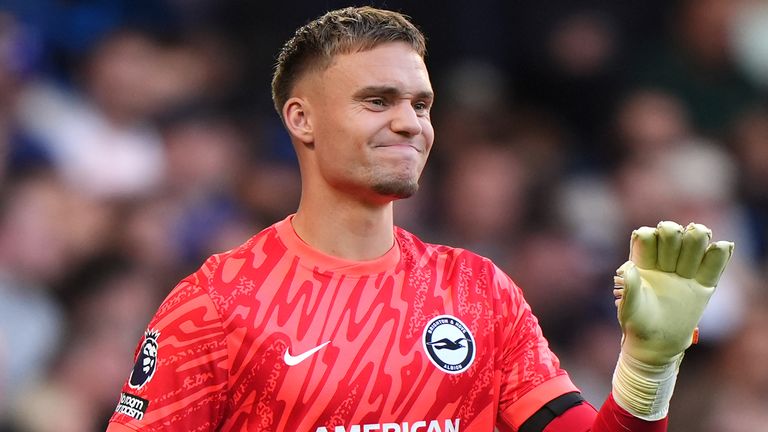
Brighton keeper Bart Verbruggen is a shock target for Real Madrid.

Brighton's Bart Verbruggen apologises after his error led to a Chelsea goal
Image:
Could Brighton’s Bart Verbruggen be heading to Spain?

Andre Onana is ready to fight for his Manchester United career – and show Ruben Amorim he can be his long-term No  1.

Erling Haaland has bagged a yellow £320,000 Ferrari for his luxury car collection – totalling £8m.

MAIL ON SUNDAY

Manchester United are not handing free tickets to staff for the Europa League final – while Tottenham are offering a complimentary ticket to every full-time employee.

Please use Chrome browser for a more accessible video player

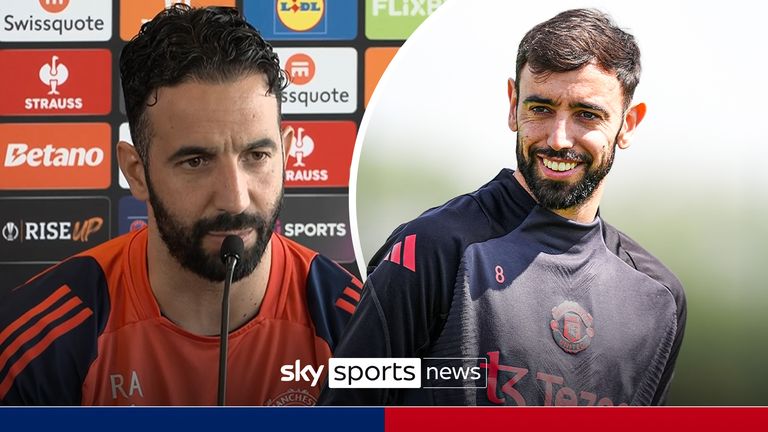
Manchester United boss Ruben Amorim reiterated Bruno Fernandes’ importance to his side amid transfer rumours

Former England youth international Ryan Ledson has been released by Preston North End after seven years with the club.

With just two months remaining on Ronaldo’s current deal in the Saudi capital speculation is mounting that the legendary striker may continue his career elsewhere.

SUNDAY MIRROR

Arsenal have opened talks with Leandro Trossard as clubs from the Saudi Pro League circle for the Belgian.

Leandro Trossard celebrates after giving Arsenal the lead

Outgoing Real Madrid manager Carlo Ancelotti has given his backing to “fantastic” Xabi Alonso to replace him at the Bernabeu, with the Italian expected to depart in the coming weeks.

Liverpool target Jeremie Frimpong has bid farewell to outgoing Bayer Leverkusen coach Xabi Alonso as the Spaniard prepares to replace Carlo Ancelotti at Real Madrid.

Please use Chrome browser for a more accessible video player

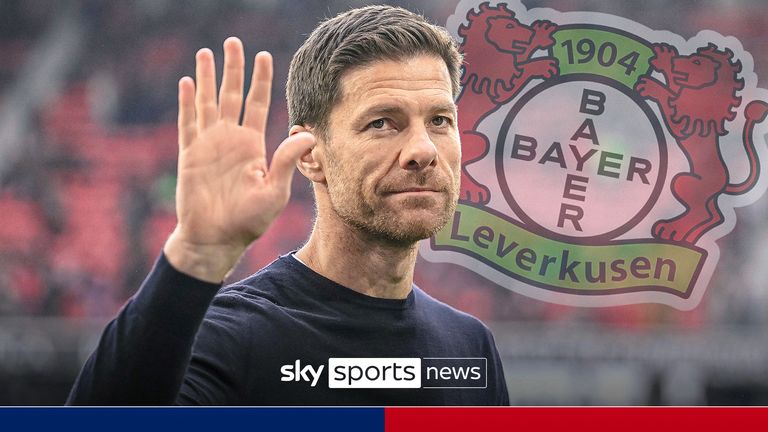
Xabi Alonso confirms Bayer Leverkusen exit amid links over a potential move to Real Madrid with Carlo Ancelotti’s future in the Spanish capital uncertain.

SUNDAY EXPRESS

Martin Keown has claimed Arsene Wenger’s FA Cup obsession cost Arsenal greatly during his time as a player for the north London outfit.

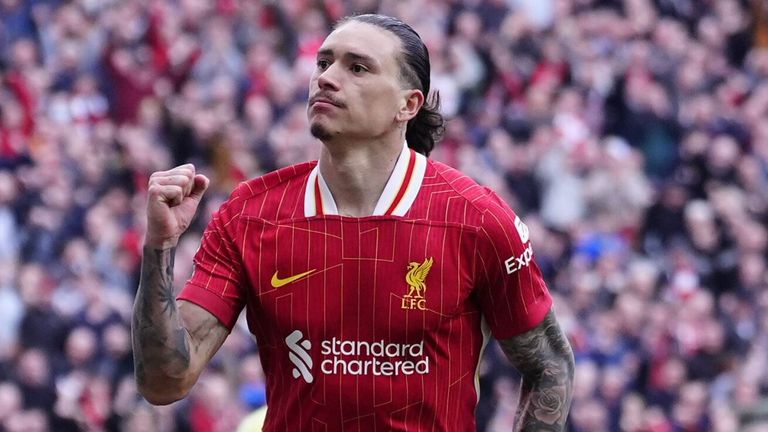
Liverpool’s Darwin Nunez is reportedly on the radar of European heavyweights Napoli and Atletico Madrid, as rumours swirl about a potential departure from Anfield.

Darwin Nunez celebrates after equalising for Liverpool against Southampton
Image:
Darwin Nunez celebrates after scoring for Liverpool against Southampton

SUNDAY TELEGRAPH

Josh Tarling claimed the first Grand Tour win of his career with victory in the time-trial on stage two of the Giro d’Italia.

STAR ON SUNDAY

Luke Littler could retire in five years, claims a former women’s world No 1 Linda Duffy.

SUNDAY RECORD

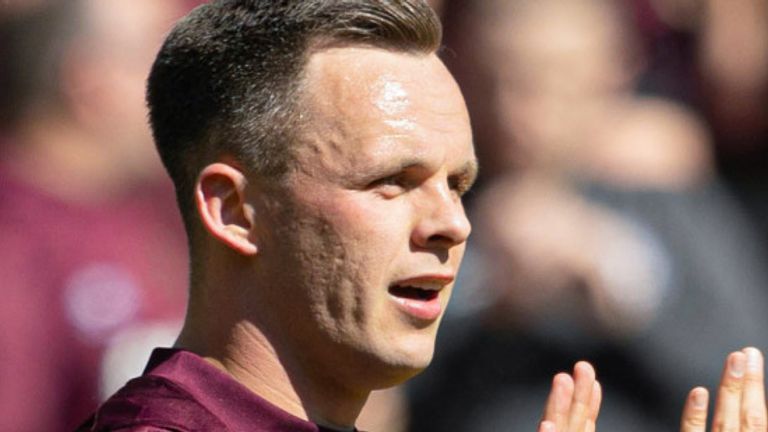
Lawrence Shankland is back in fresh contract talks with Hearts.

EDINBURGH, SCOTLAND - MAY 10: Hearts' Lawrence Shankland celebrates scoring to make it 1-0 during a William Hill Premiership match between Heart of Midlothian and Motherwell at Tynecastle Park, on May 10, 2025, in Edinburgh, Scotland. (Photo by Mark Scates / SNS Group)
Image:
Hearts’ Lawrence Shankland celebrates scoring to against Motherwell

Hearts are set to approach Kilmarnock in the next 48 hours to make Derek McInnes their new manager

SCOTTISH SUN ON SUNDAY

Rangers are targeting a swoop for £4m Basel midfielder Metinho.


Source link

After Criticism, Harris’s $900 Million Group Tries to Lay Out a Future

0


Ever since Vice President Kamala Harris lost the election in November, a big-money group that had raised over $900 million to support her but ultimately failed in its efforts has kept a low profile — even as Ms. Harris’s advisers have publicly second-guessed its approach to the campaign.

But a closed-door conference this week hosted by the super PAC, Future Forward, at a luxury seaside hotel in California made plain that the group does not plan to fade away.

Future Forward drew some of the biggest names in Democratic politics to the Ritz-Carlton resort in Half Moon Bay, Calif., south of San Francisco, to brief donors on what it thought went wrong last year — and what could come next.

Attendees included potential future presidential candidates, such as Gov. Gavin Newsom of California and Gov. Andy Beshear of Kentucky, and seven-figure Democratic donors, some of whom had questions about why Future Forward was unable to help Ms. Harris win.

At an event on Thursday with passed hors d’oeuvres like mini lobster rolls and short-rib tostones and a dinner featuring heirloom tomato carpaccio, beef tenderloin and seared sea bass, Chauncey McLean, the group’s leader, gestured to criticism of what he called the group’s “reputation” — a dependence on polling and testing and randomized trials.

“Those are all just fancy ways of saying we listen to voters and try to gauge whether any of the things we do actually work,” Mr. McLean said, according to a person in the room. The group declined to comment.

Standing in the Ritz-Carlton’s observatory room, Mr. McLean tried to both calm the waters and send a message that Future Forward wants to remain a part of the Democratic Party, despite the criticism.

Other speakers at the event included Mr. Newsom and Mr. Beshear, as well as Rahm Emanuel, the former Chicago mayor, and Senator Amy Klobuchar of Minnesota, according to a copy of the agenda reviewed by The New York Times. They were interviewed by Future Forward operatives, such as the pollster David Shor and the former Biden adviser Anita Dunn, and by Kara Swisher, a former New York Times opinion columnist.

The guests included about 40 donors who funded roughly $250 million of Future Forward’s work in the 2024 election cycle, the group told guests at the conference, according to a person who attended.

Those megadonors included Jeff Lawson, a founder of the tech company Twilio, and the investor Andrew Hauptman, who each gave $1 million to the super PAC last cycle, as well as the philanthropist Shannon Hunt-Scott, who gave $450,000. Also in attendance were aides to several of the party’s most influential billionaires, such as Dustin Moskovitz, a founder of Facebook.

Sessions included a viewing of a live focus group of young men in what was 2024’s hardest-fought congressional district, California’s 13th; a briefing from the executive director of the Democratic Governors Association; and a closing session on Friday featuring three Democratic members of Congress.

“The best way to stop Donald Trump at the federal level is to win control of the House of Representatives in 2026,” read the agenda. Many of Future Forward’s talks highlighted Democrats who had won in conservative states, such as Gov. Laura Kelly of Kansas.

The mere existence of the conference, especially for a group known for its discretion, fascinated Democratic donors and their advisers in recent months. Some privately said in advance that they were attending Future Forward’s event partly out of curiosity about how the group would defend its work last year.

Ms. Harris’s team has shared some veiled criticism of Future Forward, including in an interview on the podcast “Pod Save America” just after Election Day. Privately, some Democrats have been far less friendly, saying that Future Forward aired ads too late in the cycle and should have focused more squarely on turning out Black and Hispanic voters for Ms. Harris.

Top Future Forward advisers on Friday defended their approach to guests that included Minyon Moore, a longtime Democratic operative and a Harris confidante. They outlined that 96.3 percent of the super PAC’s spending was on advertising, as opposed to unrelated, overhead costs, and that its nonprofit gave $220 million to 73 progressive groups, according to two people in the room when the information was presented. Advisers also reviewed which of the group’s ads worked and which did not, based on data it collected.

Given Ms. Harris’s defeat, it has not been clear to well-heeled Democrats that Future Forward has a path forward. The group was founded during the 2018 election, and its leaders did not initially anticipate that it would become a long-term part of the Democratic establishment, though President Joseph R. Biden Jr. eventually made it the primary outside group supporting his re-election bid.

In recent months, Future Forward has held private conversations with donors to discuss what happened in 2024 and to express the group’s desire to remain active in politics, according to two people with knowledge of the conversations.

The group has said that since its founding it has raised $1.4 billion, but it remains to be seen whether it will be the leading group for a 2028 presidential nominee.


Source link

Harbottle's header puts Wimbledon ahead in the play-offs!

0


Riley Harbottle’s header gives AFC Wimbledon the lead against Notts County.


Source link