Home Blog Page 33

OpenAI fires employee for using confidential info on prediction markets

0


OpenAI has fired an employee over the employee’s activity on prediction markets, including Polymarket, the company confirmed to Wired. The employee used confidential OpenAI information in connection with the trades made, the company alleges.

OpenAI didn’t release the name of the employee. However, a spokesperson said that such actions violated a company policy that bans workers from using inside information for personal gain, including on prediction markets.

Prediction markets like Polymarket and Kalshi allow people to make wagers on the outcomes of real-world events. For instance, on Polymarket, there are wagers being made around the kind of products OpenAI will announce in 2026 and when the company will go public. They can cover any event, and some eye-popping money can be made. As we recently reported, an accountant won a $470,300 jackpot on Kalshi by betting against DOGE believers.

Prediction markets insist they are not gambling sites, preferring to label themselves as financial platforms. Kalshi is a regulated exchange and, in fact, it fined and banned a MrBeast editor for similar alleged insider trading earlier this week. OpenAI did not immediately respond to a request for additional comment.


Source link

Trump orders federal agencies to drop Anthropic services amid Pentagon feud

0


President Donald Trump has ordered all US government agencies to stop using Claude and other Anthropic services, escalating an already volatile feud between the Department of Defense and company over AI safeguards. Taking to Truth Social on Friday afternoon, the president said there would be a six-month phase out period for federal agencies, including the Defense Department, to migrate off of Anthropic’s products.

“The Leftwing nut jobs at Anthropic have made a DISASTROUS MISTAKE trying to STRONG-ARM the Department of War, and force them to obey their Terms of Service instead of our Constitution,” the president wrote. “Anthropic better get their act together, and be helpful during this phase out period, or I will use the Full Power of the Presidency to make them comply, with major civil and criminal consequences to follow.”

Before today, US Defense Secretary Pete Hegseth had threatened to label Anthropic a “supply chain risk” if it did not agree to withdraw safeguards that insist Claude not be used for mass surveillance against Americans or in fully autonomous weapons. In a post on X published after President Trump’s statement, Hegseth said he was “directing the Department of War to designate Anthropic a Supply-Chain Risk to National Security. Effective immediately, no contractor, supplier, or partner that does business with the United States military may conduct any commercial activity with Anthropic.”

Anthropic did not immediately respond to Engadget’s comment request. Earlier in the day, a spokesperson for the company said the contract Anthropic received after CEO Dario Amodei outlined Anthropic’s position made “virtually no progress” on preventing the outlined misuses.

“New language framed as a compromise was paired with legalese that would allow those safeguards to be disregarded at will. Despite DOW’s recent public statements, these narrow safeguards have been the crux of our negotiations for months,” the spokesperson said. “We remain ready to continue talks and committed to operational continuity for the Department and America’s warfighters.”

Advocacy groups like the Center for Democracy and Technology (CDT) quickly came out against the president’s threats. “This action sets a dangerous precedent. It chills private companies’ ability to engage frankly with the government about appropriate uses of their technology, which is especially important in national security settings that so often have reduced public visibility,” said CDT President and CEO Alexandra Givens, in a statement shared with Engadget. “These threats undermine the integrity of the innovation ecosystem, distort market incentives and normalize an expansive view of executive power that should worry Americans all across the political spectrum.”

For now, it appears the AI industry is united behind Anthropic. On Friday, hundreds of Google and OpenAI employees signed an open letter urging their companies to stand in “solidarity” with the lab. According to an internal memo seen by Axios, OpenAI CEO Sam Altman said the ChatGPT maker would draw the same red line as Anthropic.

Update, February 27, 6PM ET: This story was updated after publish to include a link to and quotes from Hegseth about the designation of Anthropic as a supply chain risk. The subheadline was also updated.


Source link

Hey Gemini, order me a pizza

0


Welcome to episode 90 of Pixelated, a podcast by 9to5Google. This week, Abner, Damien, and Will talk through the launch of the Galaxy S26 series, all of its various Pixel-inspired AI tools, and ask whether it’s too boring of an upgrade for Samsung. They also discuss Google’s newly-announced agentic features for Android, with support for ordering groceries, deliveries, and more, ahead of next month’s release.

Subscribe

Sponsored by Proton Unlimited: Pixelated listeners can save 30% on an annual subscription by signing up for Proton Unlimited using this link. Thanks to Proton Unlimited for sponsoring this week’s episode.

Timecodes

  • 00:00 – Intro
  • 01:57 – Galaxy S26 launch
  • 18:03 – Samsung’s AI features
  • 28:40 – Agentic Android
  • 40:10 – Final Privacy Display thoughts and wrap-up

Hosts

Read more

Listen to more 9to5 Podcasts

Feedback?

Drop us a line at gtips@9to5g.com, leave a comment on the post, or reach out to our producer. And for even more Android discussion, dive into the official 9to5Google forums!

FTC: We use income earning auto affiliate links. More.


Source link

CISA replaces acting director after a bumbling year on the job

0


This week it was reported that U.S. Cybersecurity and Infrastructure Security Agency is in dire shape, after a year of cuts, layoffs, and furloughs under the Trump administration. Now the agency has replaced its top acting leader, a CISA spokesperson tells TechCrunch.

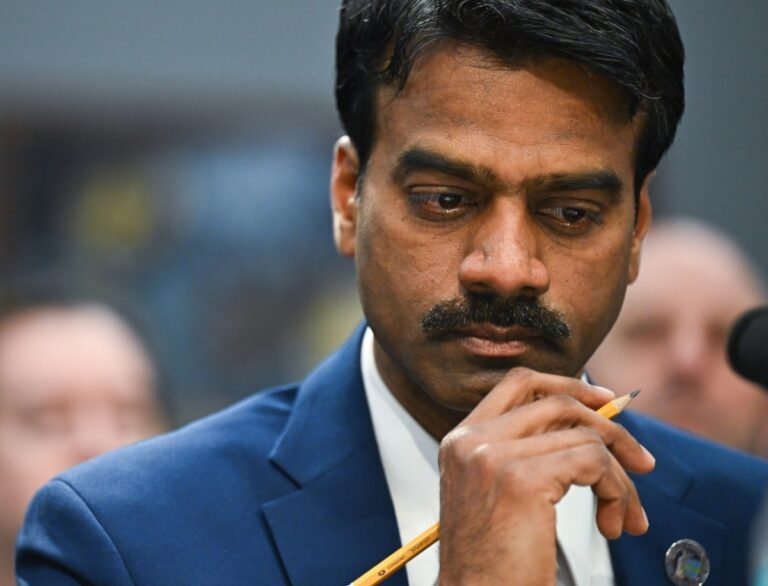
The move to replace Madhu Gottumukkala as the acting director of CISA, an agency under the Department of Homeland Security that oversees cybersecurity and technical protection across the federal government, comes after a tumultuous year serving as the agency’s top boss.

Gottumukkala struggled to lead the agency during his tenure as acting director and caused security headaches, including the uploading of sensitive government documents to ChatGPT, according to reports. Staffing at the agency was slashed by one-third. Gottumukkala also reportedly failed a counterintelligence polygraph he took in order to view classified documents, and suspended several career officials in response, including the agency’s then-chief security officer.

Before being nominated to CISA as deputy director, Gottumukkala was chief technology officer of South Dakota under then-governor and current Secretary of Homeland Security Kristi Noem.

ABC News was first to report Gottumukkala’s departure.

In a statement shared with TechCrunch on Friday, CISA spokesperson Marci McCarthy claimed Gottumukkala had done a “remarkable job.” McCarthy told TechCrunch that Nick Andersen will replace Gottumukkala as CISA’s new acting director, and that Gottumukkala has been moved to a new position as director of strategic implementation in the Department of Homeland Security, which houses CISA.

Prior to his appointment as acting director to lead CISA, Andersen previously served as the agency’s top official overseeing its cybersecurity division.

Techcrunch event

Boston, MA
|
June 9, 2026

The agency still hasn’t had a permanent Senate-confirmed director since Trump returned to office.

McCarthy said the Trump administration has chosen Sean Plankey to be the agency’s permanent director, which requires a majority vote of approval in the U.S. Senate. 

The White House re-nominated Plankey to head CISA in January, after Sen. Ron Wyden last year blocked Plankey’s nomination until the agency agreed to release an unclassified report allegedly describing cybersecurity flaws at phone and telecommunication giants. Wyden demanded the report’s release in the wake of hundreds of hacks targeting U.S. and international phone and internet providers by the China-backed hacking group known as Salt Typhoon. The Senate has yet to schedule Plankey’s nomination hearing.

Nextgov reported Thursday that CISA lost another top senior official, Bob Costello, the agency’s chief information officer tasked with overseeing the agency’s IT systems and data policies. The news outlet reported Gottumukkala tried to transfer Costello but was blocked by unnamed political appointees.

CISA’s spokesperson McCarthy did not address Costello’s departure when asked by TechCrunch, but did not dispute the report.


Source link

A cheap MacBook is the perfect way for Apple to win over Windows users

0


The MacBook is coming back — or at least, that’s what the rumors claim. Next week, Apple is expected to announce a colorful, low-cost, non-Air, non-Pro MacBook powered by one of its mobile processors. By avoiding its pricier M-series chips, Apple may reportedly be able to reach a low $699 or $799 price for the MacBook. The $999 MacBook Air is the cheapest laptop on the company’s website right now, but Apple also sold the older M1 MacBook Air at Walmart for $700 in 2024, which later went down to $650 last year.

That Walmart deal was a smart way for Apple to test out the viability of cheaper MacBooks without building an entirely new product. But now the M1 Air’s design looks seriously dated, and the company also needs to move beyond the six-year-old M1 chip. It’s time to get serious about delivering a true low-cost Apple laptop.

There’s another compelling reason to bring back a cheaper MacBook: It’s the perfect way  to court disgruntled Windows users, something Apple hasn’t really done since its “Get A Mac” ads from the mid-2000s. I figure the unbridled success of the iPhone and iPad made Apple focus less on directly competing with Windows. The sleek designs of the 2011-2015 era MacBook Air and Pros were their main selling points, but Apple’s push towards USB-C-only machines and unreliable butterfly keyboards later made it clear it wasn’t totally focused on Macs.

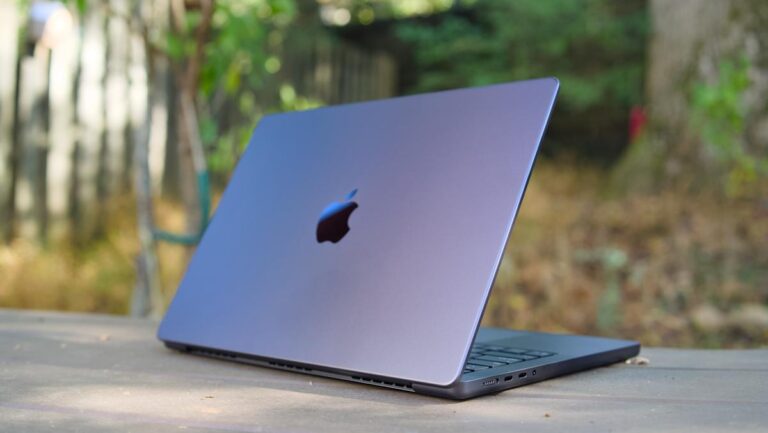
A laptop on a table.

A MacBook Air M5 on a table. (Devindra Hardawar for Engadget)

But now Microsoft is distracted by AI — it’s been pushing Copilot and AI features for years, instead of improving the Windows experience with more useful upgrades. Recent talk of agentic AI capabilities, which would let Copilot handle tasks for you automatically, also sparked plenty of criticism from Windows users. And with all of the focus on AI, Microsoft has also released some disastrous Windows updates over the last year, which have bricked OS installations. So, Apple, why not make a direct play for Windows users?

Last year, I covered why it’s a great time to jump ship from Windows to Mac, and I haven’t been able to let go of that idea since. Apple’s M-series chips are shockingly fast and efficient, and its hardware tends to be more durable than typical PC fare. Rumors point to Apple developing a new aluminum case for the low-cost MacBook, so it will likely feel more polished than a typical sub-$1,000 Windows laptop. macOS has also avoided the bloat that’s plagued Windows for years — you can turn off Apple Intelligence with two clicks if you want to, and there aren’t any annoying ads to deal with.

And while it used to be a pain to transition from Windows to Mac, it’s far easier these days, especially if you mainly rely on web apps. It also wouldn’t be tough for Apple to make short tutorials to help Windows users get their bearings with the macOS basics, like installing apps and juggling app windows. Apple could also make a play for iPhone owners using Windows, who may not be aware of the many ways iOS and macOS are integrated. iPhone mirroring may be a huge draw on its own.

Rumors also suggest the upcoming MacBook might use the A18 Pro from the iPhone 16 Pro, a chip that benchmarks faster than the M1. Even if it only has six cores, making it slower for heavy workloads than the M2, an A18 Pro-powered MacBook would still be more than enough power for basic productivity work. Not everyone needs the surprising amount of GPU power in the MacBook Air — especially if downgrading means they can save $200 to $300.

I’m not saying any of this through any sort of Apple-loving bias. I typically use a MacBook Pro for work, but I’m a Windows user at heart. Windows was my gateway to computing in the ’90s, back when Macs were far more expensive than PCs. These days, I spend more time on my Windows desktop making podcasts, playing PC games and bumming around the internet than I do working on Macs.

And yet, it’s hard to deny everything Apple is doing right today — the only thing it’s missing is an inexpensive laptop entry. A $699 or $799 MacBook simply makes sense. And for many Windows users, it’ll be just the escape from Microsoft they need.


Source link

Upgrade Android Auto with these feature-packed wireless adapters

0


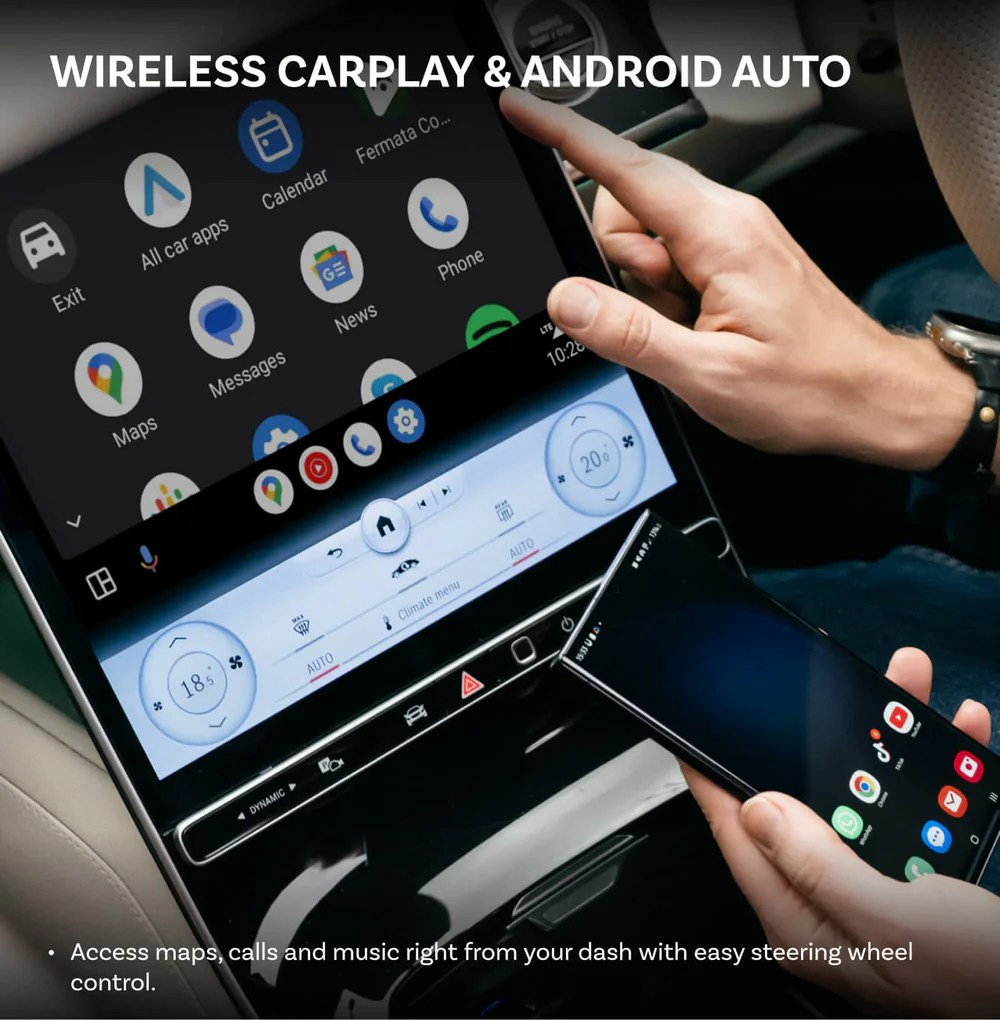
Android Auto is already one of the biggest upgrades you can have to your car, but the arrival of wireless adapters has really taken things up a notch. Ottocast is one brand offering a ton of different wireless Android Auto adapters but, beyond just ditching the cable, these add some extra features too.

The company has been around since 2009, starting out with early CarPlay decoder solutions before shifting focus to wireless connectivity and AI-powered in-car upgrades. Today, Ottocast offers everything from simple wireless adapters to full standalone Android systems for your car’s display.

Ottocast offers a ton of different wireless Android Auto adapters but, beyond just ditching the cable, these add some extra features too. Use the coupon code NTF15 at checkout to save 15% on any of the products below.

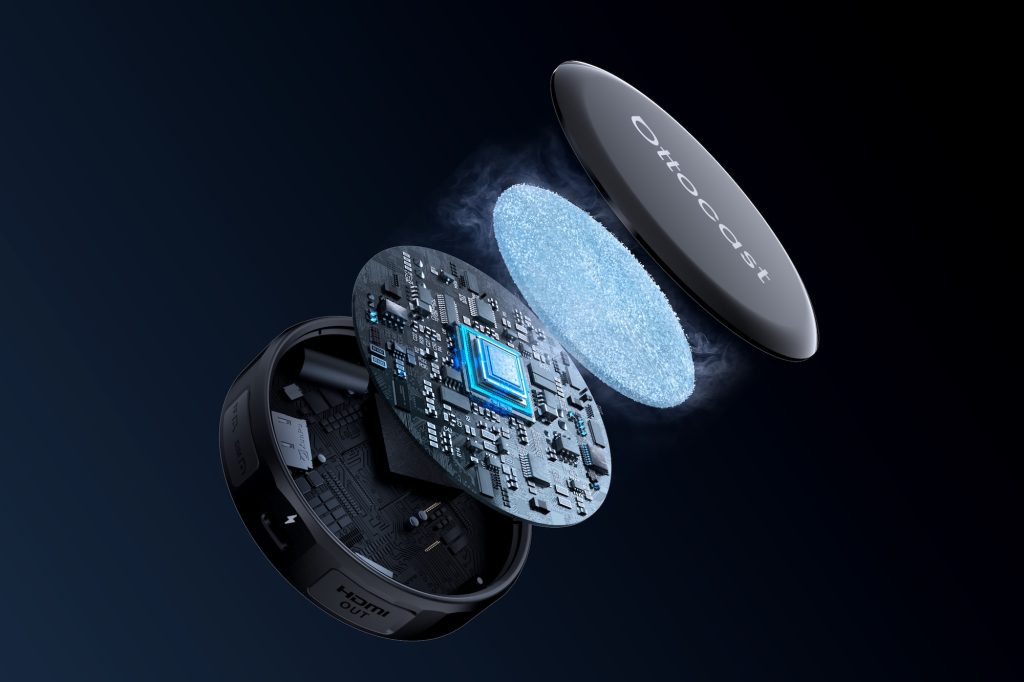
First up is the Ottocast AIBox P3 Pro. This isn’t just a wireless Android Auto adapter — it’s a full infotainment upgrade for your car.

Advertisement – scroll for more content

The P3 Pro runs a standalone Android operating system, meaning it functions as an independent system rather than just projecting your phone. That opens up access to more apps, so beyond the usual navigation and voice assistant, you can also access social media or video apps while the car is parked, as well as having additional information widgets while driving for navigation, music, and weather, among other things. It really unlocks what your car’s display is capable of doing.

One of its key differentiators is the built-in CloudSIM, which provides automatic network access across more than 40 countries without requiring a local SIM card.

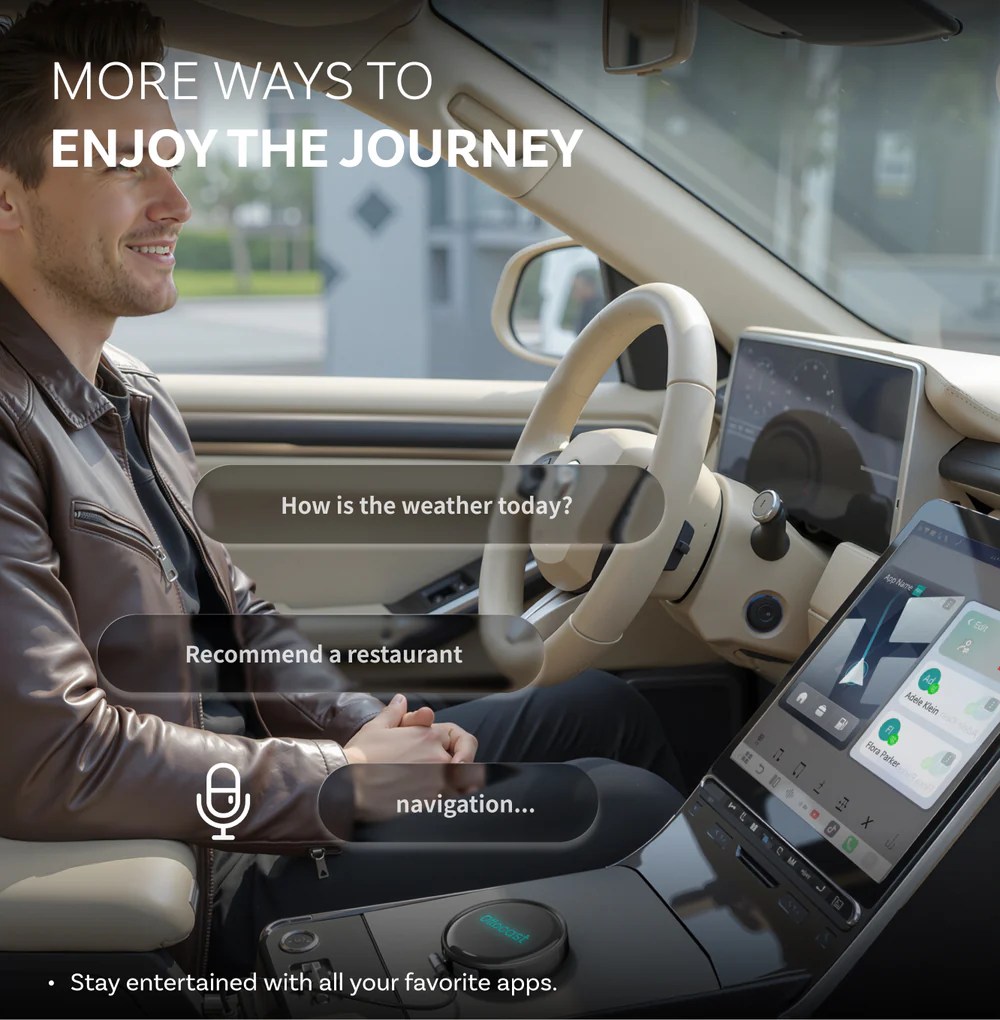
The integrated AI-powered voice assistant enables natural language commands, allowing drivers to control apps and navigation more safely without taking their hands off the wheel.

Meanwhile, the built-in Wi-Fi hotspot functionality lets passengers connect their devices on the go.

Then, there’s the Ottocast Play2Video Ultra, a more affordable option focused on multimedia flexibility and entertainment.

The Ultra has built-in support for video apps like YouTube, Netflix, and more. It comes pre-installed with select media apps, allowing you to use your car’s display for movies and shows while you’re parked such as at a charger, or just waiting for your next destination, then doubling as a wireless adapter for Android Auto and CarPlay — all for a more affordable price than the P3 Pro.

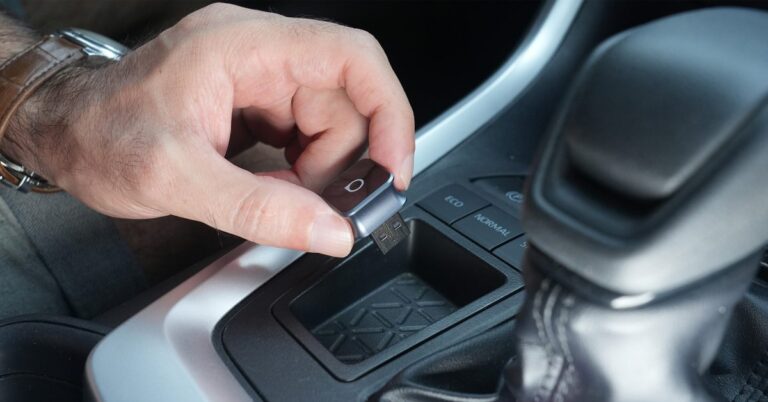
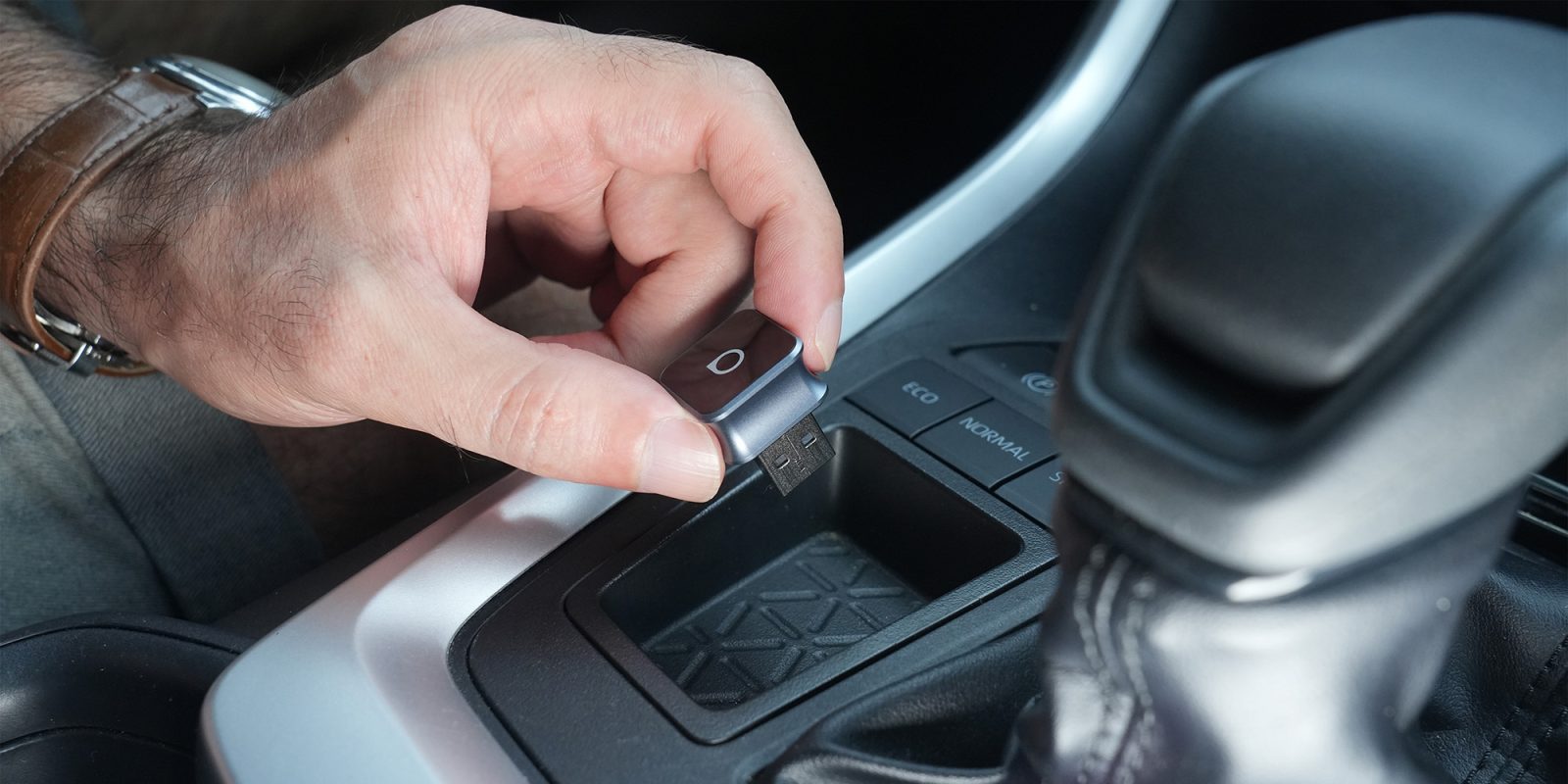
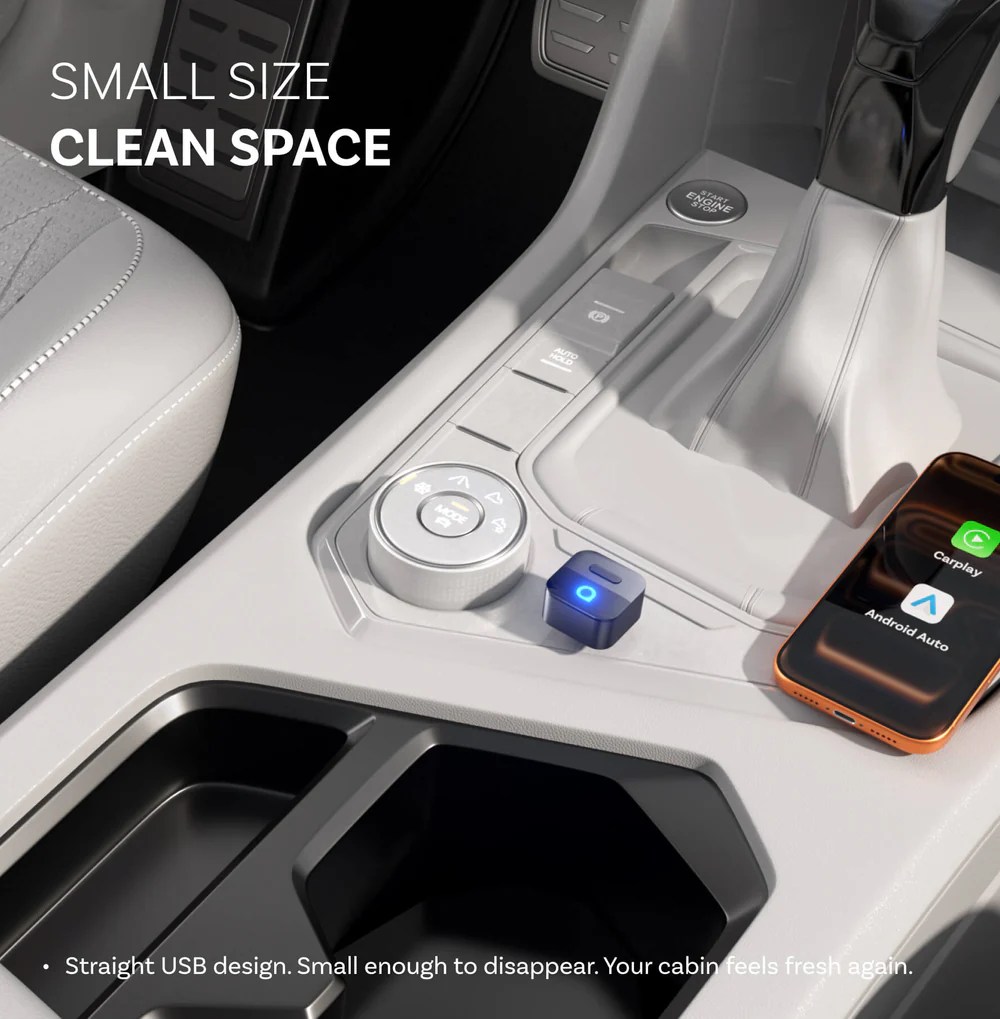
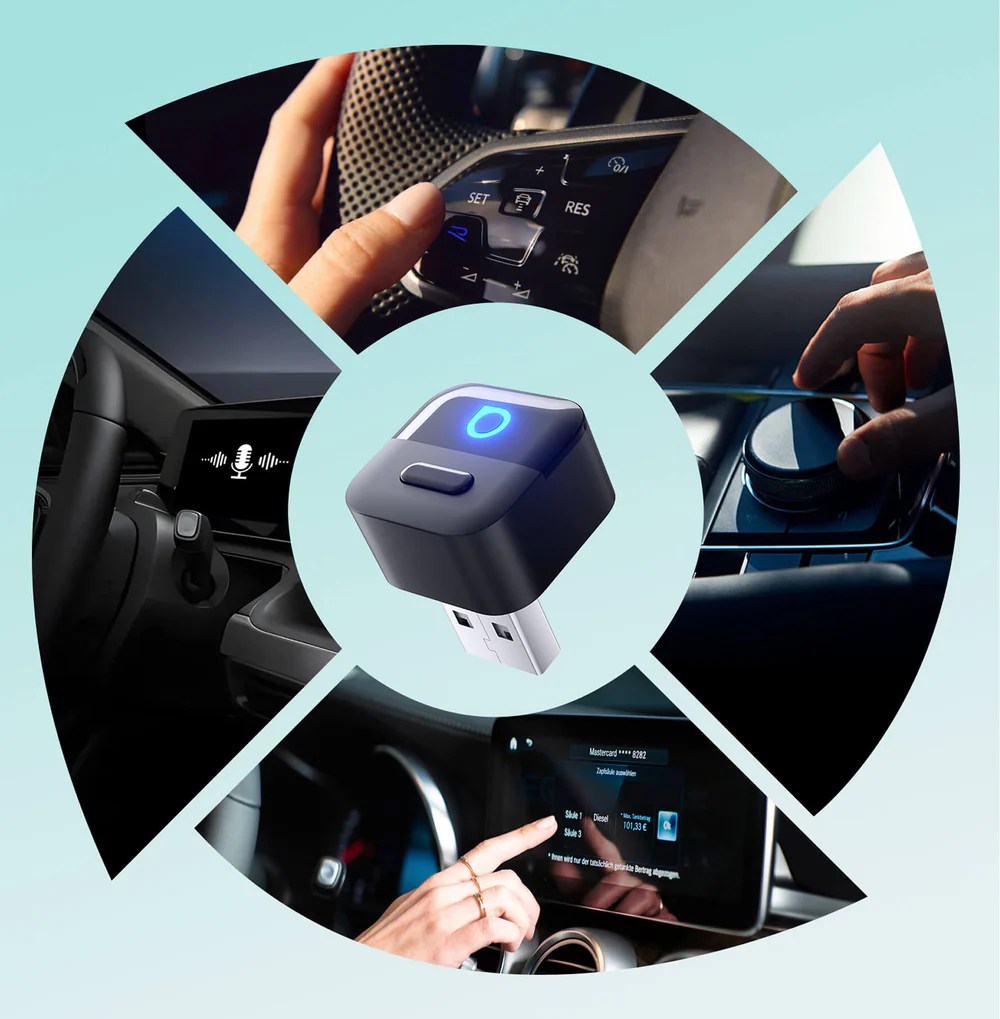
And if you don’t want the extra features, Ottocast’s Mini Pico adapter is a straightforward Android Auto/CarPlay adapter that’s incredibly small.

The compact adapter is barely bigger than your car’s USB port, but still supports turning that wired connection wireless, and it even has a built-in button to switch between devices, and all for under $50.

The Ottocast Mini Pico, Play2Video Ultra, and P3 Pro are all available at a discount for 9to5Google readers. Use the coupon code NTF15 at checkout to save 15%.

FTC: We use income earning auto affiliate links. More.


Source link

Netflix backs out of bid for Warner Bros. Discovery, giving studios, HBO, and CNN to Ellison-owned Paramount

0


In a flurry of deal offers in the high tens of billions of dollars, the bidding war for Warner Bros. Discovery is over. David Ellison-owned Paramount will acquire Warner Bros. Discovery.

On Thursday, Warner Bros. Discovery announced that Paramount Skydance’s newest offer of $31 a share was a “superior proposal,” giving Netflix four business days to counter. Netflix then said it would not raise its $82.7 billion all-cash bid for the legacy studio, and would walk away from the deal.

“The transaction we negotiated would have created shareholder value with a clear path to regulatory approval,” said Netflix co-CEOs Ted Sarandos and Greg Peters in a statement Thursday. “However, we’ve always been disciplined, and at the price required to match Paramount Skydance’s latest offer, the deal is no longer financially attractive, so we are declining to match the Paramount Skydance bid.”

Per the terms of the original deal, Warner Bros. Discovery will have to pay a $2.8 billion termination fee to Netflix to end the existing agreement. Paramount’s renewed offer — backed by the world’s sixth-richest person, Oracle’s executive chair, and David Ellison’s father, Larry Ellison — includes paying that breakup fee.

The new deal will see Paramount, which was bought just last year by Ellison’s Skydance Media with heavy financial backing from his father, acquiring the entirety of Warner Bros. Discovery, including its studios, HBO, its streaming service, its games and entertainment divisions, and linear television networks like CNN, TBS, TNT, Discovery, and HGTV.

Ellison, whose Paramount already owns major studios, entertainment, and news businesses, has warned of significant job cuts. His ownership of news network CBS has also attracted controversy and has largely been seen as a sympathetic turn toward the Trump administration, with reporting critical of the administration shelved or facing increased scrutiny by Ellison and CBS’s editor-in-chief, the conservative provocateur Bari Weiss. Larry Ellison is a major donor and supporter of President Trump.

Netflix had announced its intent to acquire WBD in December, offering nearly $83 billion for its studios and streaming service alone. Despite several hostile takeover bids by Paramount, Warner Bros. Discovery reaffirmed to shareholders its belief that Netflix’s offer was superior to Paramount’s, which offered $108 billion for the full company including its linear television networks. Paramount’s newest bid, of $31 a share, values WBD at about $111 billion.

Techcrunch event

Boston, MA
|
June 9, 2026

Paramount will take on the about $33 billion in debt held by Warner Bros. Discovery, according to the deal. Larry Ellison, whose net worth is $201 billion, according to Bloomberg, has agreed to supply the additional equity to fulfill Paramount’s bid. Paramount’s market cap is about $12 billion.

The deal is also being financed by a $57.5 billion debt commitment from Bank of America Merrill Lynch, Citi, and Apollo Global Management.

Netflix shares jumped as much as 10% in after-hours trading in New York. Shares in Paramount were up 4.5%.



Source link

Netflix backs out of Warner Bros. Discovery bidding war

0


For anyone who has been following the soap opera unfolding between Netflix and Paramount Skydance over the past few months in their financial brinksmanship to acquire Warner Bros. Discovery, the saga may be nearing its end. Today, WBD said its board of directors have determined that the latest offer from Paramount Skydance amounted to the better proposal. The media outfit gave Netflix four business days to match Paramount’s terms, but the streamer didn’t waste any time in declining to raise its own bid.

“We believe we would have been strong stewards of Warner Bros.’ iconic brands, and that our deal would have strengthened the entertainment industry and preserved and created more production jobs in the US,” the statement from Netflix  co-CEOs Ted Sarandos and Greg Peters said. “But this transaction was always a ‘nice to have’ at the right price, not a ‘must have’ at any price.”

In addition to the purchase price of $31 per WBD share, Paramount’s latest offer also included a provision that it would cover the $2.8 billion termination fee that WBD would owe to Netflix for dissolving the existing merger agreement between the businesses. So rather than paying $82.7 billion to acquire the Warner Bros. part of the operation, it appears Netflix may walk away with no new content but padding its coffers with an extra nearly $3 billion.

After Netflix’s initial offer, Paramount Skydance swooped in with a hostile takeover attempt of the entire Warner Bros. Discovery business. WBD rejected it, Paramount tried again. Several additional volleys between the involved parties occurred over the past few weeks. While WBD has not yet formally accepted Paramount’s offer — which will be subject to long-winded regulatory approvals sure to spark more drama — it seems the dust will soon settle for this chapter.


Source link

Google Messages rolling out real-time location sharing on Android

0


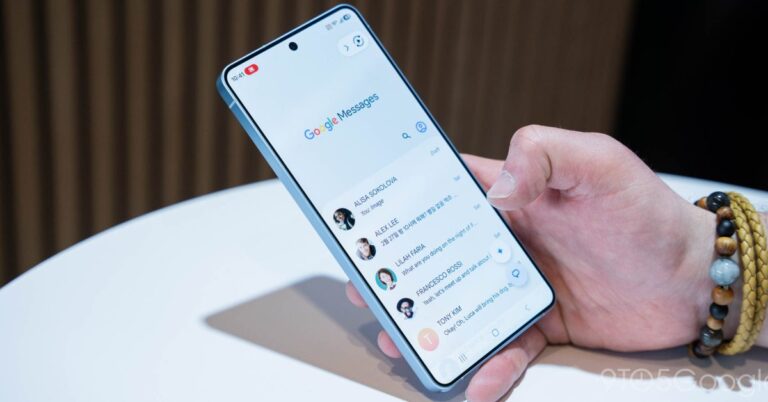
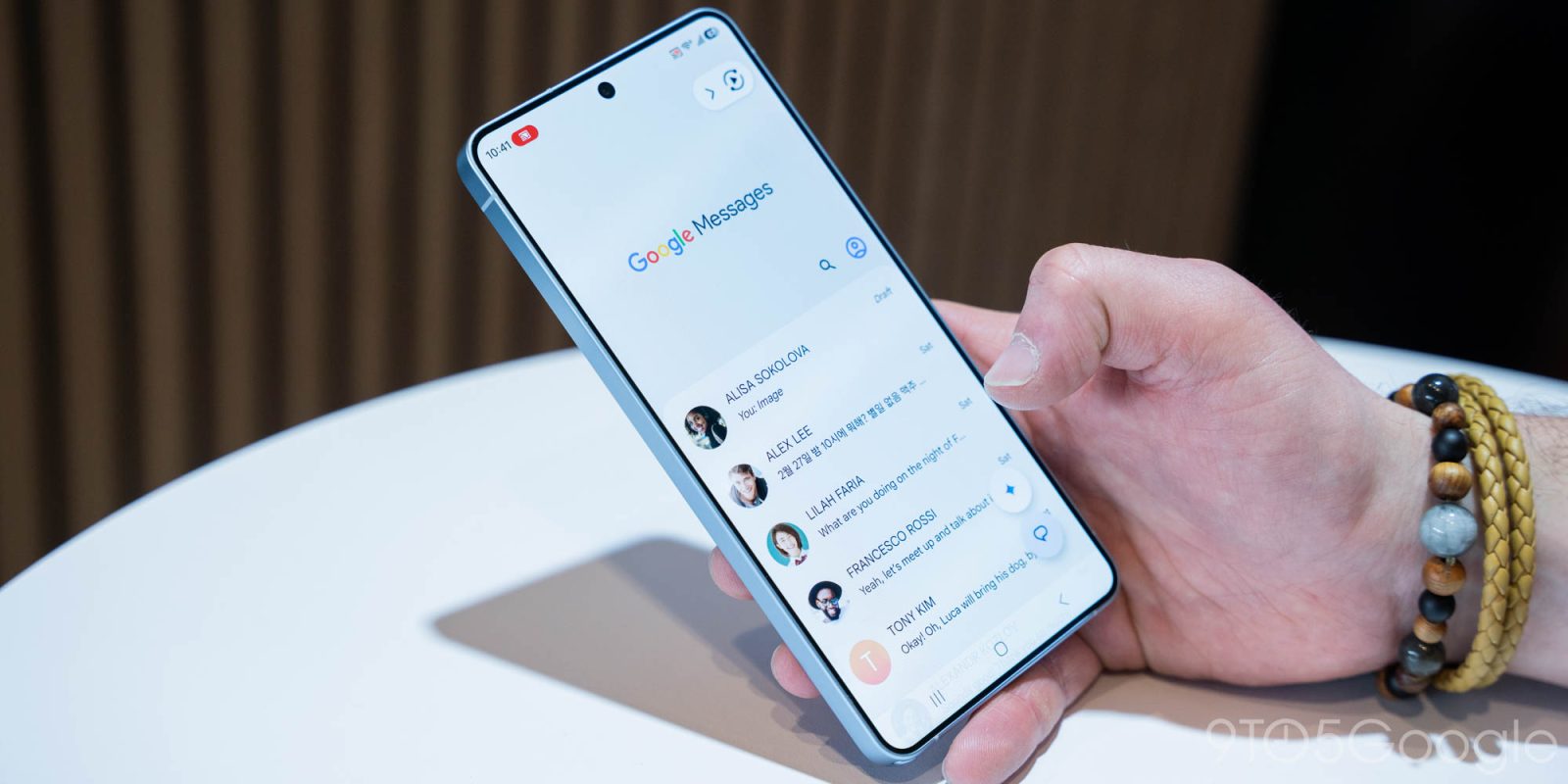
After we spotted earlier this week, Google Messages is beginning to roll out its new real-time location sharing powered by Find Hub.

In the Attachments ‘plus’ menu, “Location” becomes “Real-time location” with a new icon. (Google is keeping the previous Google Maps link behavior as “One-time Location.”)

Afterwards, you select a duration and then send with a location card appearing in the message thread.

  • For 1 hour: Your location will be shared for an hour from the moment you start sharing.
  • Today only: Your location will be shared until the end of the current day.
  • Until you turn this off: Your location will be shared indefinitely until you manually stop sharing.
  • Custom duration: You can set a specific time period for sharing. The duration can’t last more than 24 hours.

Old vs. new

Advertisement – scroll for more content

You can stop sharing by finding that card, while the other person can quickly share from this message. All this can also be managed in Google Maps and Find Hub. 

This is already appearing for some beta users, while Google shared a new support article about it. Hopefully, this means a swift rollout. 

While end-to-end encrypted messages can only be read by people in your chat, Google Find Hub location sharing is powered by Maps and processes your location to provide the location sharing feature and is subject to Google’s Terms of Service and Privacy Policy.

More on Google Messages:

FTC: We use income earning auto affiliate links. More.


Source link

So, we’re getting Prada Meta AI glasses, right?

0


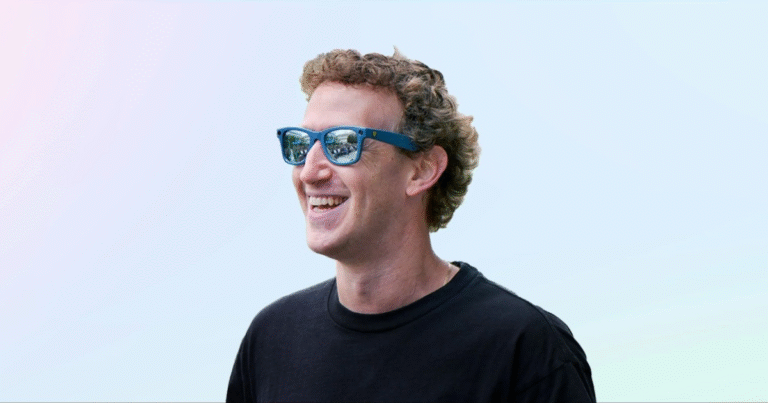
Could Meta be preparing to launch a Prada version of its Meta AI glasses? That’s the speculation after Mark Zuckerberg and his wife, Priscilla, were spotted sitting in the front row of Prada’s Fall/Winter 2026 Fashion Week show in Milan on Thursday. The social media exec was seen chatting with his seatmate, Lorenzo Bertelli, Prada’s Chief Merchandising Officer and son of head designer Miuccia Prada.

While Zuckerberg has been working to polish his image in recent years, including with upgraded threads, it’s likely that he wasn’t at Prada for the fashion, but rather because of an upcoming collaboration with the brand.

CNBC reported last summer that Prada AI glasses were in the works, among others. However, Meta has yet to publicly announce such a deal. (The company has not yet responded to a request for comment about Zuckerberg’s presence in Milan.)

EssilorLuxottica, the French-Italian eyewear brand and Ray-Ban maker, has been working with Meta on these high-tech devices since their debut, initially under the Ray-Ban Stories brand. This month, the company announced it sold over 7 million AI glasses in 2025, up from 2 million in the prior year. Those sales included both Ray-Ban Meta and Oakley Meta glasses, the latter designed more for the athletic types.

Now, it seems, Prada AI glasses could be next, given that Prada and EssilorLuxottica already renewed their licensing deal for eyewear under the Prada and Miu Miu brands for the next ten years. That deal started at the beginning of this year and runs through December 31, 2030, the December 2024 press release noted.

Prada AI glasses could give Meta a foothold in the high-fashion market, a niche that its Oakleys and Ray-Bans don’t yet address. Establishing the glasses as a luxury symbol could also benefit Meta’s brand overall.

However, there are some concerns that AI glasses aren’t the right fit for a world that’s seeing an increased consumer backlash against surveillance devices, which have recently led people to rip out their Ring doorbells and smash Flock cameras. This shift could see Meta reconsidering whether it will add facial recognition features to its glasses, as The New York Times recently reported. The news drew criticism for what had otherwise been a modestly successful tech product, and has even prompted one developer to build an app that will warn you if someone is wearing the AI glasses near you.

Techcrunch event

Boston, MA
|
June 9, 2026


Source link