Home Blog Page 41

Pixel Watch 4 gets a handy USB-C charger for travel, starts at $9

0


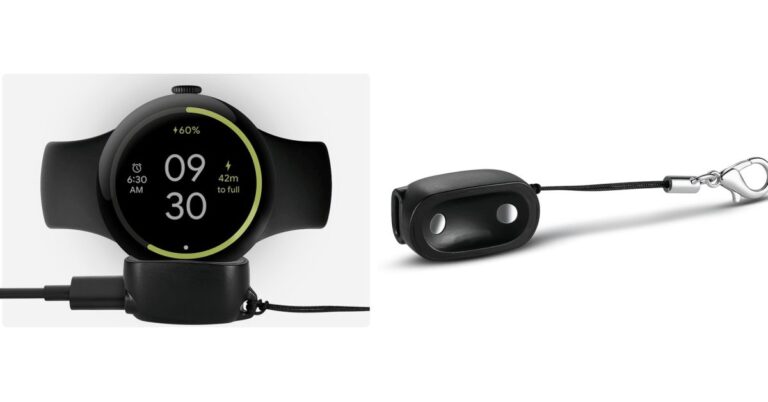
One of the most annoying things about the Pixel Watch 4 is that, again, Google changed the charger. But it comes with the arrival of a handy new USB-C charger that’s not only more compact than the official Pixel Watch 4 charger, but a whole lot cheaper too.

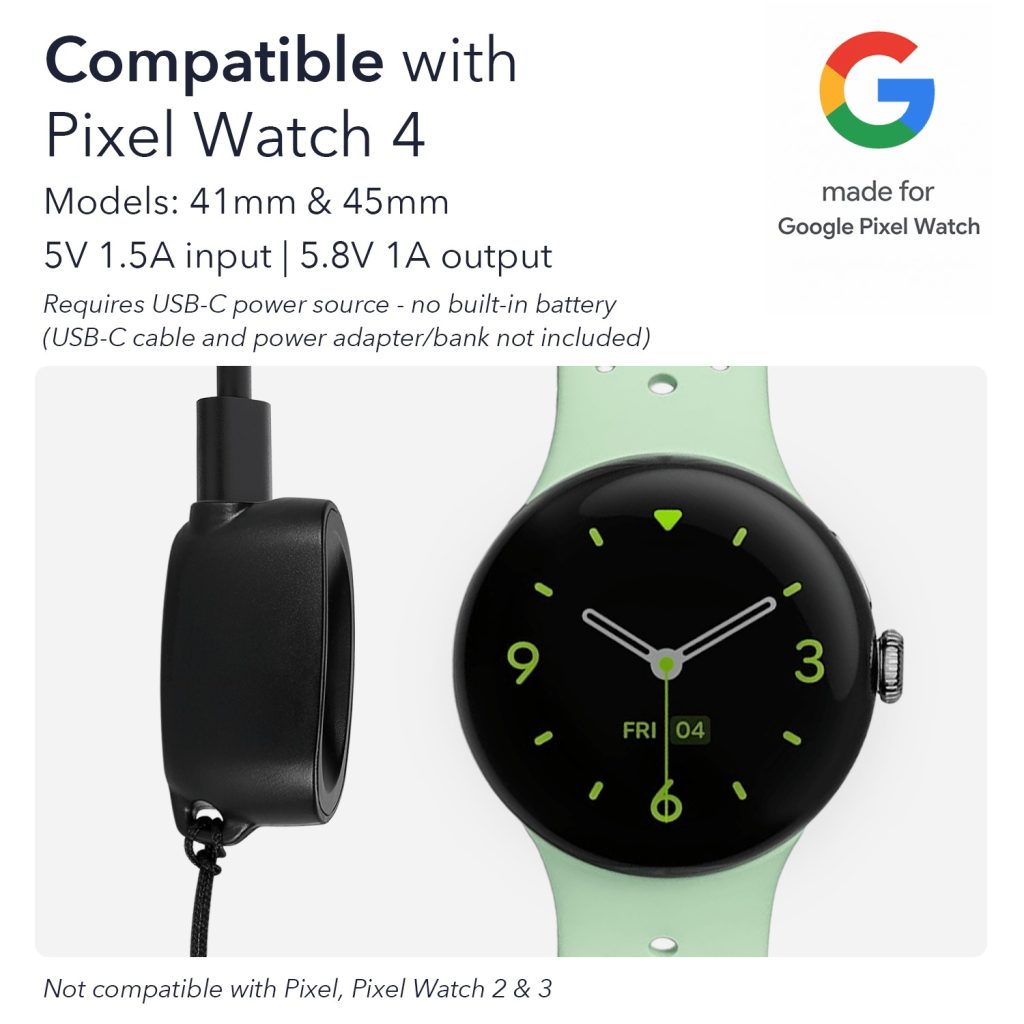
The new charging system for Pixel Watch 4 uses side-mounted pins. This comes with some benefits, such as fastrer overall charging and a dock that props the watch up vertically so you can see it more easily on a bedside table, but it also means that a lot of accessories no longer work with the smartwatch. That includes a lot of charging docks and spare chargers that have hit the market over the past few years.

That’s where a new accessory from a Made for Google partner comes in.

Wasserstein, the brand behind a few other neat Google accessories such as Nest Hub stands and Pixel charging docks, recently launched a USB-C “On the Go” charger for the Pixel Watch 4.

Advertisement – scroll for more content

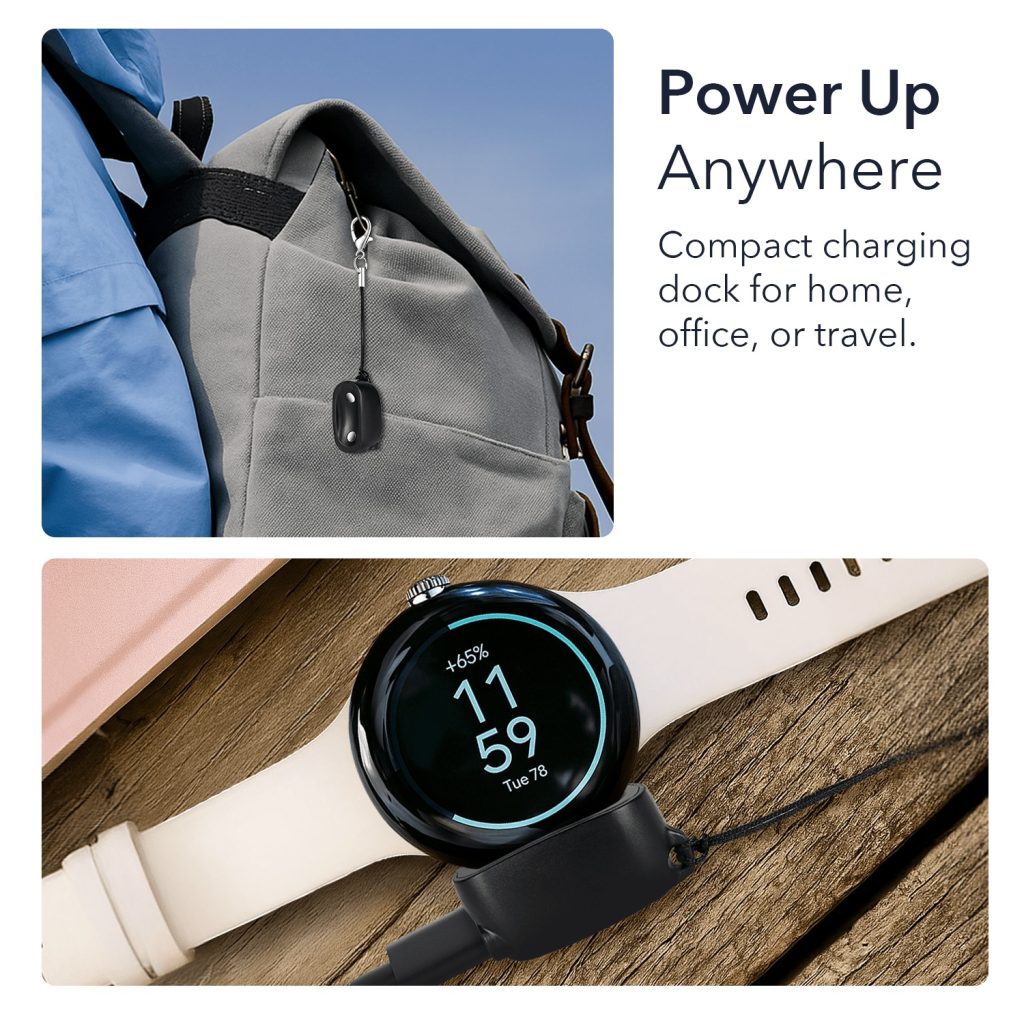
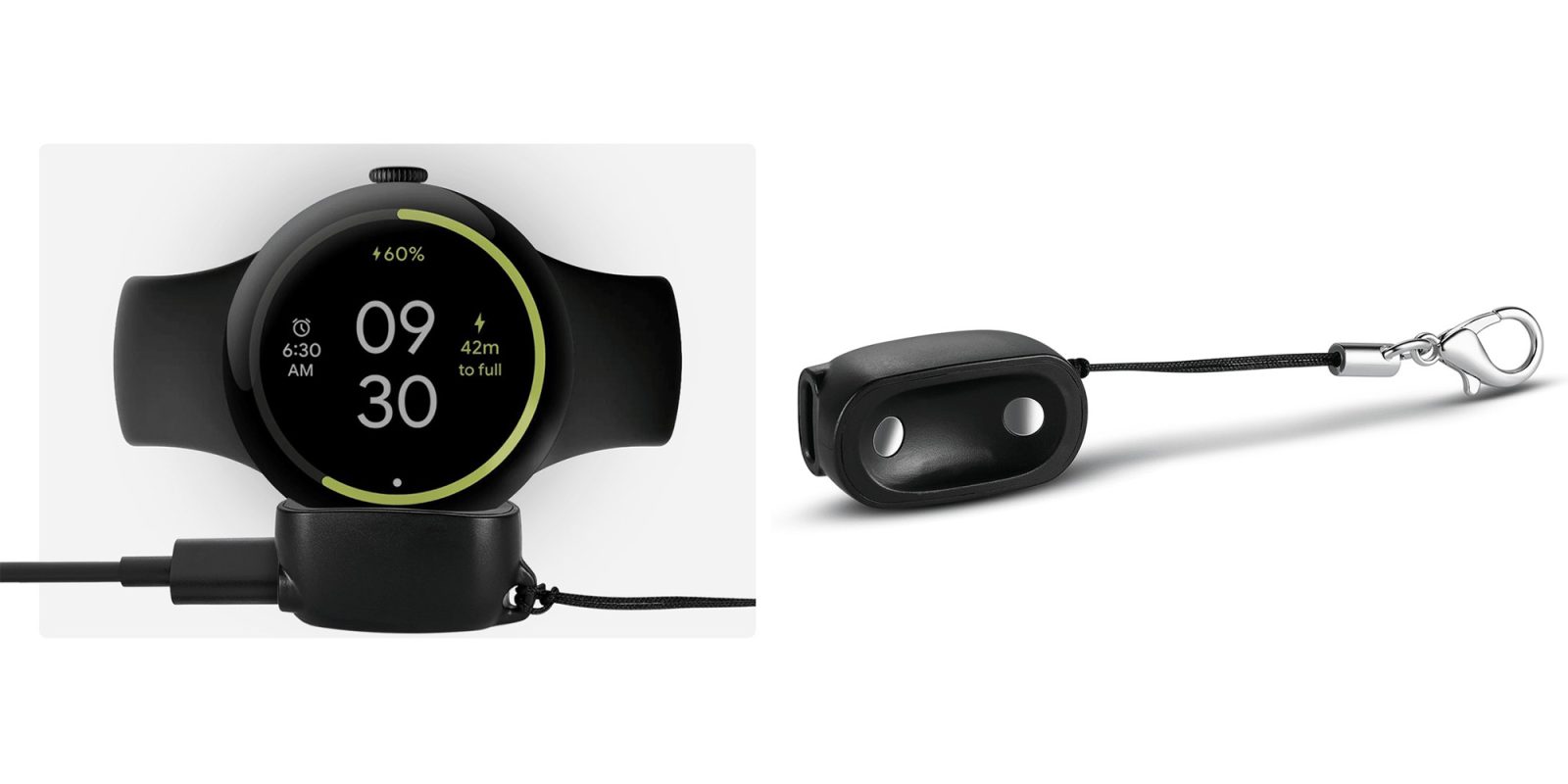
The simple little charging accessory has the contacts needed to charge up Pixel Watch 4 – both the 41mm and 45mm sizes – but no fixed cable attached to it. Instead, it has a USB-C port so you can connect any cable. Very handy for travel! It even has a loop and clip to make it easy to stow in a bag or backpack.

Early user reviews mention a “strong magnet” and charging at the “same rate as the OEM charger.” Overall, the reception looks positive.

The real kicker here, though, is that the product costs just $9. That’s through Wasserstein’s website, where it’s currently out of stock. We’ve reached out to Wasserstein for an update on when it might be restocked and we’ll update the article accordingly when we have that information.

Compared to the official charger from Google, which sells for $29.99, that’s a great deal.

In the meantime, it is in stock at Amazon, but for a much higher $29.99 price point. Best Buy has it too, but it’s out of stock and also $34.99. We’ve asked Wasserstein for comment on the price disparity, though we’ll speculate that it likely boils down to the costs of selling through retailers – a few of Wasserstein’s other products also vary in price between the company’s website and Amazon, just not to the same degree.

Are you picking one of these up?

Notably, the design here feels a bit familiar. OnePlus uses the same idea – a charging dock that connects to a USB-C cable – for the OnePlus Watch, and the Pebble reboot is also using the same concept.

More on Pixel Watch:

Follow Ben: Twitter/XThreads, Bluesky, and Instagram

Thanks Adam!

FTC: We use income earning auto affiliate links. More.


Source link

From Haitian immigration status to disaster funding: AG continues to oppose Trump actions

0


BOSTON — This week, Massachusetts Attorney General Andrea Campbell joined an effort to force the Trump administration to restart a program that provided funding to states for disaster preparation.

Her office also filed a brief with an appellate court considering an appeal by the Trump administration to remove the temporary protected status for certain Haitians living in the country, an issue that affects the state’s human services and health care industries.

These are two of the latest legal moves that Campbell’s office has taken to oppose actions by the Trump administration.

Regarding the disaster funding, Campbell joined a group of 23 states on Tuesday to ask a court in Massachusetts to enforce an order directing the Trump administration to restart the Building Resilient Infrastructure and Communities program.

The judge hearing the case ruled in December that the Trump administration needed congressional approval before shuttering the program, which provides billions of dollars to communities to prepare for their next big disaster. Two months have gone by, and the Federal Emergency Management Agency has not taken any steps to resume the program, according to a statement from the Attorney General’s Office.

“Our municipalities cannot wait any longer, as critical projects across the commonwealth remain unfinished and on pause,” Campbell said in the statement. “The Trump administration must comply with the court order and resume the operation of this lifesaving program.”

The funds have helped pay for hazard mitigation planning, and the disaster preparedness funding is set to pay for upgrades to bridges in Manchester-by-the-Sea and flood protection for a tunnel on the Blue Line in Boston, according to the attorney general.

A spokesperson for the Massachusetts Emergency Management Agency, which helps manage the program in the state, said in October there were 56 open projects across the state that used federal disaster preparedness funding from the program.

In Western Massachusetts, federal funds were obligated for a hazard mitigation plan update in Northampton, and in Orange, the funds were going toward building code manuals, MEMA spokesperson Robert Burgess said last year.

Migrant workforce could be affected

Meanwhile, Homeland Security’s move would have taken effect on Feb. 3 and would have prevented thousands of Haitians living in the state from working.

Campbell joined a group of 18 attorneys general who submitted an amicus brief in the case, arguing the move would hurt their states’ economies and “inflict irreparable harm on families.”

In Massachusetts, the brief said, about 40% of the people working as nurses, housekeepers and in dining services in nursing homes were born outside the U.S.

“Haitians are essential to the fabric of our communities, contributing every day as neighbors, workers, caregivers and leaders,” Campbell said in a statement announcing the filing of the brief.


Source link

The Reverend Jesse Louis Jackson : NPR

0


Rev. Jesse Jackson, one of the country’s most influential leaders, has died at 84. The founder and long-time leader of the Rainbow-Push Coalition ran for president twice and inspired millions.


LEILA FADEL, HOST:

One of the country’s most influential leaders, the Reverend Jesse Louis Jackson, has died. In a statement from his family posted on Instagram, they said he passed peacefully this morning surrounded by his family. Jackson was 84 years old. He was a Baptist minister. His soaring oratory and charisma helped propel him to the national stage. Jackson fought for the rights of Black Americans for decades. He ran for president twice and inspired millions during a lifetime of achievement and controversy that bridged a divide between civil rights activism and electoral politics.

Reactions are pouring in this morning, including from fellow civil rights activists, the Reverend Al Sharpton, who said his mentor was a movement unto himself. The Bishop William Barber also called Jackson a mentor. He wrote, of the legacy that lives on in those Jackson inspired, may we all take up his hope for the America that has never been but nevertheless must be. NPR’s Cheryl Corley has this remembrance.

CHERYL CORLEY, BYLINE: When Jesse Jackson held his weekly Saturday morning meetings at his Rainbow PUSH headquarters in Chicago, it often sounded like Sunday church, with a mix of music and message.

(SOUNDBITE OF ARCHIVED RECORDING)

UNIDENTIFIED CHOIR: (Singing) We’ve come this far by faith, leaning on the Lord.

CORLEY: This was a celebration for Jackson’s 75th birthday. He was at home in an auditorium where he had for years urged people to celebrate Blackness. Looking like an elder statesman – tall at 6’3″, gray at the temples and wearing a brown jacket – Jackson smiled as the choir sang then walked to the microphone and led the audience in his trademark chant.

(SOUNDBITE OF ARCHIVED RECORDING)

JESSE JACKSON: Say, I am…

UNIDENTIFIED AUDIENCE MEMBERS: I am…

JACKSON: …Somebody.

UNIDENTIFIED AUDIENCE MEMBERS: …Somebody.

JACKSON: I am…

UNIDENTIFIED AUDIENCE MEMBERS: I am…

JACKSON: …Somebody.

CORLEY: Journalist Barbara Reynolds, the author of the Jackson biography “America’s David,” says Jackson had tremendous allure, swashbuckling good looks and he knew how to turn a phrase. She says in the early days, thousands came to Operation PUSH to hear Jackson’s rhyming atmosphere of hope.

BARBARA REYNOLDS: It had a cadence that we were used to hearing from the Black church. But it was a cadence, you know, of now, not what we’re going to get when we die and all go to heaven, but we’re going to get ours right now. And he was young.

CORLEY: A hip Chicago preacher who wore tennis shoes and leather jackets. Jackson was born Jesse Louis Burns on October 8, 1941, in Greenville, South Carolina. His surname changed to Jackson after his single mother married and his stepfather adopted him. Later, as a college student at what’s now North Carolina A&T, Jackson became a leader in the lunch counter sit-ins protesting the whites-only policies at restaurants. He’d go on to join Martin Luther King Jr.’s Southern Christian Leadership Conference – or SCLC. In 1968, he was among the group of aides who witnessed King’s assassination in Memphis.

(SOUNDBITE OF ARCHIVED RECORDING)

JACKSON: You couldn’t tell it was a shot.

UNIDENTIFIED REPORTER: You didn’t hear a shot?

JACKSON: No, until it hit his face. It sounded like a stick of dynamite or a large firecracker.

CORLEY: During the Jackson birthday celebration, his protege, Reverend Al Sharpton, recounted how King had appointed Jackson to head Operation Breadbasket in Chicago. It was the arm of the SCLC focused on improving the economic conditions of Black Americans. Sharpton says Jackson turned a regional organization into a national one.

(SOUNDBITE OF ARCHIVED RECORDING)

AL SHARPTON: He stayed here, building an economic movement – boycotts, opening doors and opening boardrooms and all – and then a political movement.

CORLEY: Jackson split with the SCLC after King’s death. In 1971, he founded Operation PUSH – People United to Serve Humanity. Later, he merged PUSH with his National Rainbow Coalition. The late Frank Watkins, a longtime Jackson aide, said during an interview with NPR about the early days that the emphasis from the beginning was on pushing for a greater share of political and economic power for African Americans and the poor. There were boycotts of stores and corporations, along with efforts to expand franchise opportunities and other business avenues for African Americans.

(SOUNDBITE OF ARCHIVED NPR CONTENT)

FRANK WATKINS: I can’t think of another private citizen who probably contributed more jobs and more economic opportunities than Reverend Jackson.

CORLEY: Voter registration drives were also on the PUSH agenda. In 1983, as Jackson launched a national voter registration drive, crowds chanting, run, Jesse, run, urged him to run for president. That November, he told supporters he would seek the Democratic nomination.

(SOUNDBITE OF ARCHIVED RECORDING)

JACKSON: Our time has come. All the way from the statehouse to the courthouse to the White House, our time has come.

CORLEY: During the campaign, there were some stumbles. Jackson drew criticism and apologized for making a disparaging remark about New York’s Jewish community. He’d go on to place third in the Democratic primary, the strongest showing ever by an African American candidate. He ran for president again in 1988, and he won more than 7 million votes and became the first African American candidate to win major primaries. His convention speech electrified Democrats, who waved red-and-white Jesse signs.

(SOUNDBITE OF ARCHIVED RECORDING)

JACKSON: America will get better and better. Keep hope alive.

(CHEERING)

JACKSON: Keep hope alive.

(CHEERING)

JACKSON: Keep hope alive.

CORLEY: Jackson’s campaign made sure that African American issues were included in the Democrats’ platform. He also negotiated changes in counting delegates in the nominating process that paved the way later for Barack Obama’s presidential win. During his lifetime, Jackson crisscrossed the country and the globe, spotlighting a plethora of domestic and international problems.

He spoke out against apartheid, called for a Palestinian state. He talked about issues that affected women, workers, students and immigrants. He brought home hostages from Cuba, Syria, Kuwait, Iraq and Yugoslavia. Chicago Sun-Times columnist Laura Washington says there was often lots of eye-rolling and ridicule, though, when it came to Jackson’s globe-trotting ways.

LAURA WASHINGTON: He was aggressive and shameless about jumping in front of the microphone. And at the same time, we know in this modern age that you’ve got to market yourself. You’ve got to market your brand and have power. And he made sure he was always top of mind.

CORLEY: And in 2000, Jackson received the highest honor a civilian can receive, the Presidential Medal of Freedom. A year later, he was embroiled in controversy after it became known he had fathered a daughter out of wedlock. Later, another firestorm when Jackson made disparaging remarks about presidential candidate Barack Obama. But in November of 2008, Obama made history. And tears flowed down Jesse Jackson’s face as he stood with hundreds of thousands in Chicago’s Grant Park and watched the country’s first Black president declare victory 20 years after the last Jackson campaign.

(SOUNDBITE OF ARCHIVED RECORDING)

JACKSON: That was a big deal. It was the moment, but also it was the movement and the memories. And I wish that Dr. King or Medgar Evers could’ve been there just for 30 seconds to see the fruit of their labors. And I thought about them and I just wept. It was tears of joy.

CORLEY: In late 2017, Jackson revealed that he had Parkinson’s disease, a neurological disorder that affects movement. In 2023, he announced he was stepping down as president of the Rainbow PUSH Coalition, a decision marking the end of an era.

(SOUNDBITE OF ARCHIVED RECORDING)

JACKSON: I am…

UNIDENTIFIED CROWD: I am…

JACKSON: …Somebody.

UNIDENTIFIED CROWD: …Somebody.

JACKSON: I am…

UNIDENTIFIED CROWD: I am…

JACKSON: …Somebody.

UNIDENTIFIED CROWD: …Somebody.

JACKSON: I may be poor…

CORLEY: Cheryl Corley, NPR News, Chicago.

(SOUNDBITE OF ARCHIVED RECORDING)

JACKSON: But I am…

UNIDENTIFIED CROWD: I am…

JACKSON: …Somebody.

UNIDENTIFIED CROWD: …Somebody.

JACKSON: I may be on welfare…

UNIDENTIFIED CROWD: I may be on welfare…

JACKSON: But I am…

UNIDENTIFIED CROWD: But I am…

JACKSON: …Somebody.

UNIDENTIFIED CROWD: …Somebody.

Copyright © 2026 NPR. All rights reserved. Visit our website terms of use and permissions pages at www.npr.org for further information.

Accuracy and availability of NPR transcripts may vary. Transcript text may be revised to correct errors or match updates to audio. Audio on npr.org may be edited after its original broadcast or publication. The authoritative record of NPR’s programming is the audio record.


Source link

India’s Sarvam wants to bring its AI models to feature phones, cars and smart glasses

0


Indian AI company Sarvam plans to bring its newly released AI models to users by deploying them on Nokia feature phones, cars and its own smart glasses.

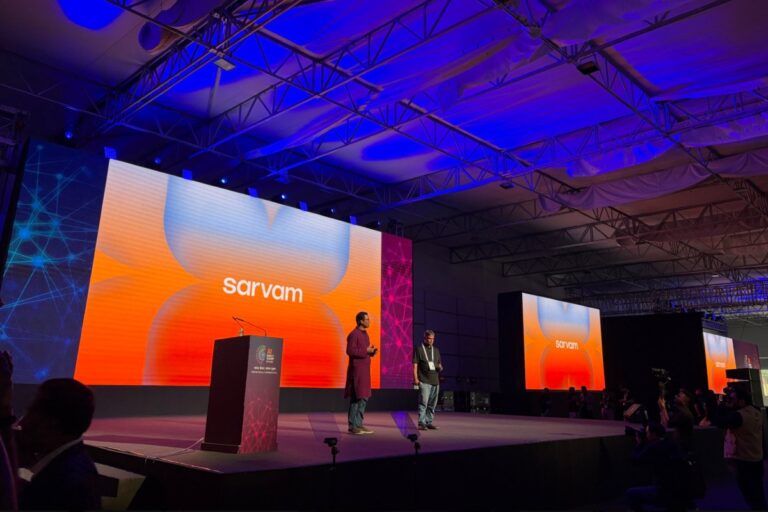
The company, backed by the likes of Lightspeed, PeakXV, and Khosla Ventures, said at the ongoing India AI Impact Summit in New Delhi that it is using edge models that take up only megabytes of space, can run on most phones with existing processors, and can work offline.

The company is teaming up with HMD to bring a conversational AI assistant to Nokia and HMD phones. A video demo showed a user clicking a dedicated AI button on a feature phone to converse with an AI assistant in a local language to get guidance on government schemes or local markets. It is not clear if all the AI features showcased at the event will work offline.

“Through edge AI, we want to bring intelligence to every phone, laptop, car, and even a new generation of devices,” Tushar Goswamy, head of Edge AI at Sarvam, said during a presentation.

He said that the company has worked with Qualcomm to tune its models for the latter’s chipsets. Sarvam didn’t provide details on which devices the models will be deployed to.

Sarvam also said it is working with German engineering giant Bosch to bring AI assistants to cars, though it didn’t disclose many other details.

The startup also showed off a pair of AI smart-glasses, dubbed Sarvam Kaze, designed and manufactured in India. The company’s co-founder Pratyush Kumar said the glasses are a “builders’ device” and will be available in May.

Techcrunch event

Boston, MA
|
June 23, 2026

Sarvam has so far operated largely in the enterprise market, offering its voice-focused models for use cases like customer support. The new models and partnerships indicate the company is shifting its focus towards consumer use cases.


Source link

The best drone for 2026

0


Drones are no longer just niche toys for enthusiasts. Today’s models are compact, increasingly affordable and capable of capturing sharp aerial photos and video with minimal effort. Whether you’re curious about flying for the first time or looking to upgrade to a more advanced camera drone, the options available in 2026 are broader and more approachable than ever.

Entry-level drones now offer features like GPS-assisted flight, return-to-home safety systems and automated shooting modes that take much of the stress out of learning to fly. Step up to more advanced models and you’ll find foldable designs that travel easily, longer flight times and stabilized 4K video that holds up well beyond social media clips.

We’ve tested a range of drones to identify the best options across different skill levels and budgets. Whether your priority is learning the basics, capturing polished aerial footage or packing light for travel, these picks highlight the drones that offer the best balance of performance, reliability and ease of use.

Best drones for 2026

Image for the large product module

Steve Dent for Engadget

Type: Mini camera drone | Flight time: Up to 34 minutes | Camera resolution: 48 MP | Video resolution: 4K at up to 100 fps | Weight: Under 249 grams

Read our full DJI Mini 4 Pro review

DJI’s Mini 4 Pro can do it all at a very reasonable price. It has an excellent onboard camera with a 1/1.3-inch sensor, 24mm f/1.7 lens, support for 4K 100 fps video with D-LogM, HLG and HDR capture and up to 48MP still photography. Endurance is around 45 minutes with the Intelligent Flight Plus battery and it can fly up to 12.4 miles away in unobstructed terrain, all while transmitting a 1080p 60 fps signal to your controller.

It has multiple subject tracking modes so it’s ideal for vlogging, and obstacle detection sensors on all sides help keep it out of danger. On top of that, it weighs less than 249 grams so it’s exempt from licensing requirements in most regions. Best of all, and I can’t say this enough, it’s priced reasonably and even the basic kit comes with an RC-N2 smartphone controller.

Pros

  • Maneuverable
  • Improved obstacle avoidance
  • New ActiveTrack 360 feature is great
  • Solid image quality
Cons

  • Still far from crashproof
  • A bit expensive
  • Not the best for night scenes
Image for the large product module

Autel Robotics

Type: Camera drone | Flight time: Up to 40 minutes | Camera resolution: 20 MP | Video resolution: 6K at 30 fps | Weight: 835 grams

If you prefer to not buy DJI drones due to the (very reasonable) risk that they may soon disappear from the US market, I’d recommend Autel. That company is based in China as well but some of its drones are made in the US and it isn’t on any sanctions lists. Autel’s Robotics Evo Lite+ has similar autonomous and obstacle detection features to the DJI Air 3S, while adding higher resolution 6K video and a 1-inch sensor, though it lacks a secondary camera. Battery life is a very solid 40 minutes and it has a maximum range of 7.5 miles with no obstacles.

Pros

  • Good autonomous and obstacle detection features
  • Supports 6K video
  • Solid battery life
Image for the large product module

Steve Dent for Engadget

Type: Mini selfie drone | Flight time: Up to 18 minutes | Camera resolution: 12 MP | Video resolution: Up to 4K at 60 fps | Weight: 160 grams

Read our full DJI Neo 2 review

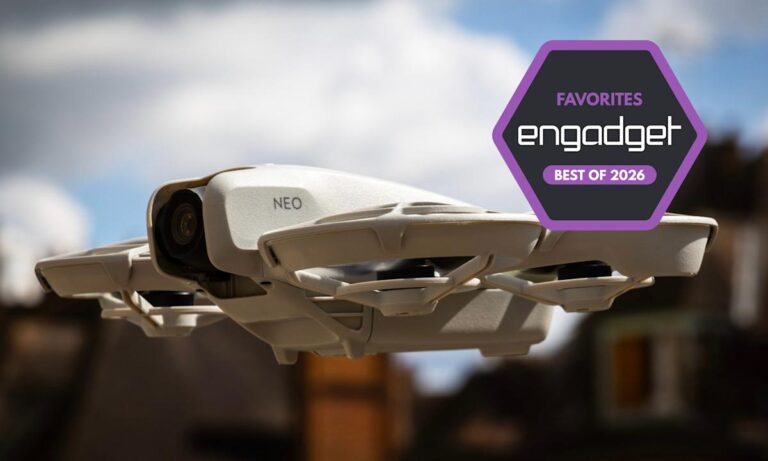
DJI’s Neo 2 has a host of improvements over the original Neo that make it the best personal drone on the market. On top of being tough and safe thanks to the rugged design and prop guards, it now protects itself from crashes thanks to the new LiDAR and omnidirectional sensors. That, along with the boosted speed, makes it much better as a follow-me drone for activities like vlogging, hiking, skiing and biking.

You can still pilot the Neo 2 from a smartphone or launch it off your hand, but it now also supports gesture controls to steer it around or land it on your palm. And a fun new QuickShot feature for social media is the “Hitchcock zoom” that’s ideal for horror movie shots. Other key improvements include longer battery life, a storage boost to 49GB and, thankfully, much quieter operation than the banshee-like Neo.

Pros

  • Quieter
  • LiDAR obstacle detection
  • Fast for a small drone
  • Improved battery life
  • Impressive gesture controls
Cons

  • No 10-bit LogM video
  • Noise carries
  • Subpar low light performance
Image for the large product module

Steve Dent for Engadget

Type: Mini camera drone | Flight time: Up to 31 minutes | Camera resolution: 48 MP | Video resolution: 4K at up to 100 fps | Weight: 249 grams

Read our full DJI Flip review

DJI’s $439 Flip has a clever, user-friendly design, with all four propellers folding down and stacking below the body like some kind of Star Wars spacecraft. This helps protect the propellers to limit damage or injury in case of a collision. That people-safe design lets creators take high-quality 4K 60p video indoors (with D-LogM, HLG and HDR), even with dim lighting, thanks to the relatively large 1/1.3-inch sensor. Though the light weight allows you to fly it without a permit, the large surface and slowish speeds means it’s not ideal outdoors in windy conditions. And though the Flip offers sophisticated subject tracking modes, it has limited obstacle detection when that function is enabled. Still, it’s a powerful drone with up to a 10-mile range that offers a lot of functionality for the price.

Pros

  • Sharp and smooth 4K video
  • People-safe design
  • Excellent battery life
  • No license needed
Cons

  • Obstacle detection is very limited
  • Bulkier than the competition
  • Not great in wind
Image for the large product module

HoverAir

Type: Mini selfie drone | Flight time: Up to 16 minutes | Camera resolution: 48 MP | Video resolution: 8K at 30 fps | Weight: 192.5 grams

Like the Flip, the $699 HoverAir X1 ProMax offers features like a folding, people-safe design, and a 1/1.3-inch sensor. However, unlike DJI’s model, the HoverAir X1 ProMax can dodge obstacles while tracking people, making it superior for that purpose. It’s also a touch faster with a maximum tracking speed of up to 26 mph and offers up to 8K 30 fps video, along with 4K 120 fps slo-mo footage. The main drawback, as mentioned, is the short 1km max range (with the optional beacon controller) and limited 16-minute battery life.

Pros

  • Folding design
  • Good people tracking with obstacle avoidance
  • Max tracking speed of 26 mph
  • Support for 8K 30 fps video
Image for the large product module

DJI

Type: Professional camera drone | Flight time: Up to 43 minutes | Camera resolution: 20 MP (main), additional telephoto lenses | Video resolution: Up to 5.1K at 50 fps | Weight: 958 grams

Read our full DJI Mavic 3 Pro hands-on

DJI’s Mavic 3 Pro is the best cinema drone if budget is no object, thanks to the Hasselblad Four Thirds primary camera with full D-Log capture (up to 4K 120 fps) that allows for excellent picture quality in most conditions. It also carries both 3x and 7x telephoto cameras that work well not just for creative content capture, but also things like wildlife spotting and search and rescue. Battery life is excellent at 43 minutes and range is a respectable 9.3 miles. Naturally, it has all of DJI’s ActiveTrack subject tracking features and is covered with obstacle detection sensors on all sides.

Pros

  • Support for 4K 120 fps video
  • Good subject tracking and obstacle detection
  • Good battery life
Image for the large product module

Steve Dent for Engadget

Type: Camera drone | Flight time: Up to 45 minutes | Camera resolution: 50 MP (wide-angle), 48 MP (telephoto) | Video resolution: 4K at up to 120 fps | Weight: Not specified

Read our full DJI Air 3S review

The DJI Air 3S has a unique dual-camera setup that allows you to capture many types of shots. The 50-megapixel, 1-inch sensor wide camera with a 24mm f/1.8 lens supports 4K recording up to 120 fps and 1080p at 240 fps, along with D-LogM to improve dynamic range. The secondary 70mm (3x) zoom camera has a still-decent 1.3-inch sensor, and supports the same video specs and color modes as the primary.

Battery life is ample at 45 minutes and the Air 3S can sense obstacles in all directions. The addition of a forward-facing LiDAR sensor aids detection in low light, making the ActiveTrack subject-tracking feature more versatile. With its high speeds up to 45 mph, the Air 3S can be used in windy conditions and can range as far as 12.5 miles away. It has 45 GB of internal storage as well, on top of a microSD slot. The basic kit is reasonably priced, but I’d recommend paying a bit more to get it in the Fly More kit with extra batteries.

Pros

  • Excellent image quality
  • LiDAR improves obstacle detection at night
  • ActiveTrack 360 produces cinematic tracking shots
  • Long battery life
  • Now has 42GB internal storage
Cons

  • Sometimes fails to detect small obstacles
Image for the large product module

Nathanael Charpentier for Engadget

Type: FPV racing drone | Flight time: Up to 23 minutes | Camera resolution: Not specified | Video resolution: 4K at up to 100 fps | Weight: 410 grams

Read our full DJI Avata 2 review

The Avata 2 is known for being DJI’s main FPV drone, and yes, it can get as fast as 60 mph and its acrobatic abilities allow you to create exciting first-person footage. It’s more than just that, though. The 1/1.3-inch sensor camera can shoot high-quality 4K footage at up to 100 fps in D-LogM and HDR modes, matching the quality you get with the Mini 4 Pro. The protected propellers make it highly resistant to crashes and allow you to use the Avata 2 indoors or around people. It lacks obstacle detection sensors though, instead relying on its tough design and prop guards to survive crashes. Since battery life is only about 20 minutes, it’s best to buy the Avata 2 in the Fly More combo which includes an updated headset, three batteries and the latest RC Motion 3 controller.

Pros

  • Improved video quality
  • Better maneuverability
  • Cheaper
  • Longer battery life
Cons

  • Goggles 3 may lack comfort for some

What to look for in a drone

Camera features

For this guide, we’re looking only at drones that are basically flying cameras, so you want the best video and photo features possible. Bigger devices like DJI’s Mavic 3 Pro or Air 3S carry relatively large sensors, offering superior camera quality for nighttime cityscapes or other low-light scenes. Smaller models like the Mini 4 Pro and HoverAir X1 Max use smaller camera sensors, so they aren’t as good in dim light.

Field of view and minimum aperture are also important, with most drones typically having a wide-angle focal length, though a few others like the HoverAir X1 Max carry an ultrawide lens. Some models have multiple cameras including a wide and a zoom. As for aperture, lower numbers are better and allow for shooting in dim light. Most DJI models are solid in this regard, while the HoverAir models don’t perform as well.

Video resolution and slow-mo are also essential camera capabilities. Most drones these days can shoot at 4K with a frame rate of at least 30 fps, though some offer 6K or even 8K at up to 30 fps. Higher-end models can shoot 4K at up to 120 fps, allowing you to slow down the action dramatically to create a cinematic look.

Other noteworthy features include log or HDR video that supports higher dynamic range, particularly in bright and sunny conditions. Finally, the camera’s gimbal and stabilization are important factors to keep your footage looking as smooth as possible. Some drones have gimbals that can rotate the camera 90 degrees to give social media creators the maximum resolution for vertical formats.

Drone features: Speed, range, safety, battery life and obstacle detection

By and large, there are two types of camera drones to consider. The first are standard drones (usually with open propellers but not always) designed to fly outside and take scenic shots. Often there’s nothing to stop the props from striking skin or objects, so they can’t really be used indoors or around people. Some models like the DJI Neo and Flip have prop guards that better protect bystanders and property, as well as the drone itself.

Then there’s first-person-view (FPV) camera drones, which often have propeller guards and are meant to be used both indoors or outside to capture exciting footage. Standard models don’t need to go particularly fast as they’re mainly used to shoot fun videos for social media, but FPV drones need to move at high speeds to create excitement. Because of that speed, they’re also better in breezy conditions thanks to stronger wind resistance, and they can fight gusts and return home more quickly. Acrobatic abilities (often promoted by the manufacturer in ads or packaging) are also important for FPV drones, as it allows the user to perform tricks and zip around obstacles.

Battery life is another important factor. The best drones boast a battery endurance of up to 45 minutes, while FPV drones like the Avata 2 can only fly for about half that time as they tend to be heavier and carry smaller batteries to reduce weight. As a general rule, a single battery isn’t enough for any serious shooting so you’d do well to buy your drone in a kit with a few batteries and a charger.

As for range, DJI tends to dominate in this area, with its latest models able to maintain a video signal at a distance up to 20km (12.4 miles). HoverAir’s models are weaker with the top-end X1 Max model limited to just 1km (0.6 miles) when using the optional beacon system. DJI also offers multiple ways to control its drones including headsets, joystick-type controllers, motion detection controllers and smartphones.

The best drones have sensors to detect obstacles in all directions. Others are limited to only avoiding obstructions coming at them from the front and some only rely on the main camera to prevent crashes. Finally, if you want to have your drone follow you around automatically, you’ll need it to be able to track you around when you’re vlogging, riding a bike or skiing, while also avoiding obstacles. Smooth takeoff and return-to-home features are especially valuable here for both beginners and experienced drone pilots as well.

Best drone FAQs

What are the rules for owning a drone?

Anyone can buy any drone, but once purchased, all drones between 250g and 25 kg must be registered with the FAA and marked with the FAA registration number. Recreational pilots with drones over 249g must pass the recreational UAS safety “TRUST” exam and carry proof of TRUST completion when flying a drone. Commercial pilots must obtain a Remote Pilot Certificate from the FAA. You must be aware of and avoid any areas with airspace restrictions, particularly around airports.

Are drones safe to fly in the city?

In general, it is not legal to fly a drone within city limits over populations, as a crash from a high altitude could injure or kill someone. However, they can be flown over adjacent, non-populated areas in many cases. Here is a guide to where: https://uavcoach.com/where-to-fly-drone/

What is the average flight time of a drone?

Most drones can fly for around 20-30 minutes, though some advanced models like DJI’s Mavic 4 can fly up to 40 minutes or more.


Source link

Samsung teases ‘brightest’ and ‘easiest’ camera in Galaxy S26

0


Samsung is continuing its Galaxy S26 teasers with a new post highlighting “an end-to-end” camera experience that’s brighter and easier than ever.

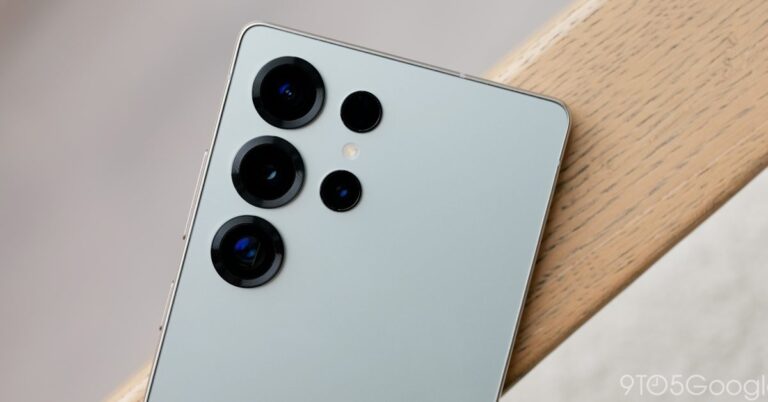
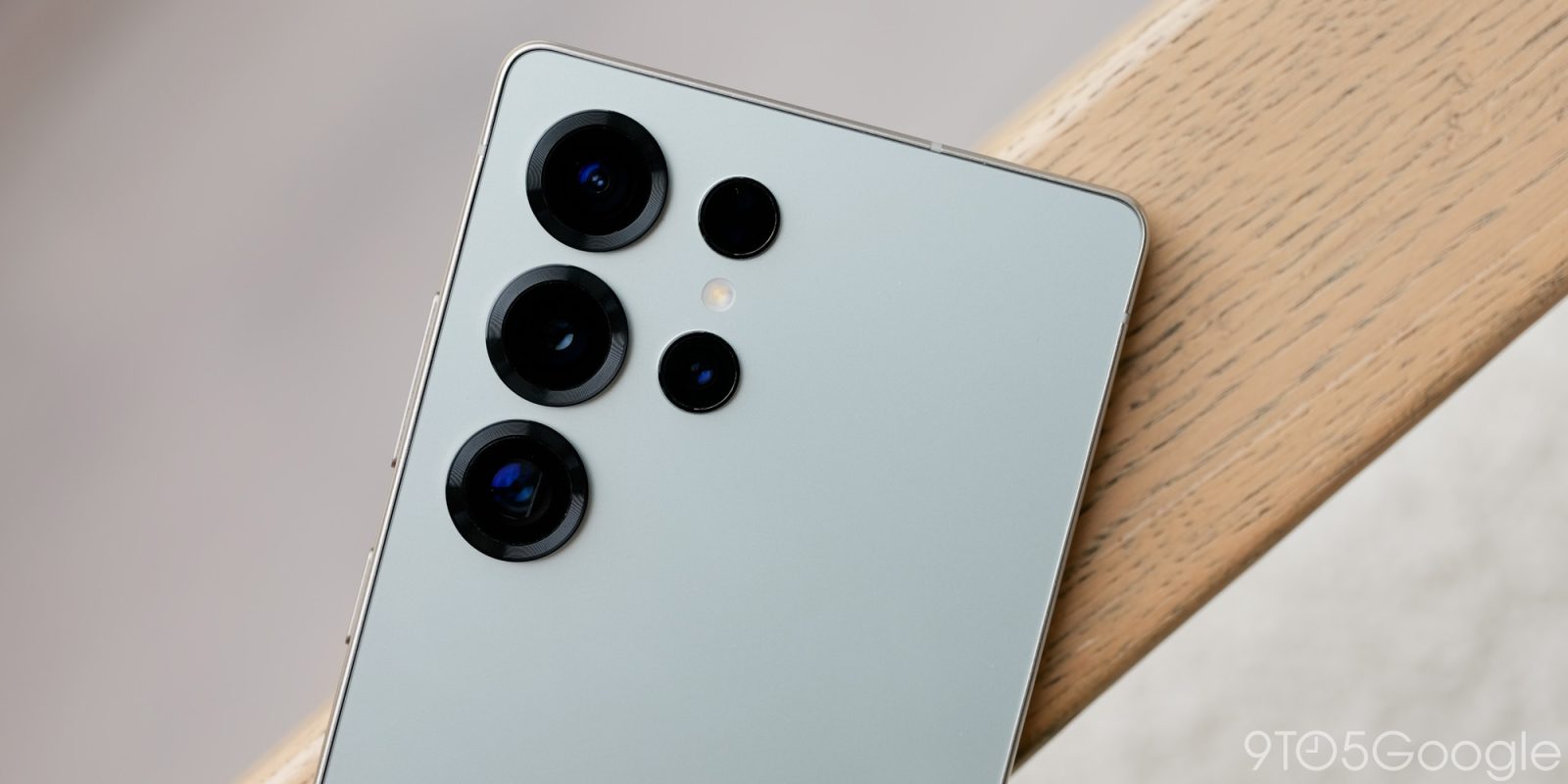
The Galaxy S26 series, according to Samsung, will build more AI editing tools on top of “the brightest Galaxy camera system ever.” The post uses examples of existing Galaxy AI features such as the ability to restore parts of an image – in Samsung’s example, restoring a cupcake with a bite taken out of it – drawing sketches to have AI generate that part of an image, or creating stickers from an image. In some capacity, these all exist today, but it sounds like Samsung is looking to streamline the experience, calling it the “easiest and most user-friendly Galaxy camera experience yet.”

Samsung says:

Mobile cameras are moving beyond capture, as the latest Galaxy AI experience unifies advanced creative capabilities for capturing, editing, and sharing in one intuitive platform. The result is a seamless experience and a more fluid creative process — eliminating the need to switch between apps or navigate complex tools, so creativity feels faster, simpler, and more natural.

At the core of this evolution is the belief that creativity should not be limited by technical skill or experience. From shooting to editing, the Galaxy camera has quietly redefined what’s possible. Now anyone can create cinematic videos, track stars across the night sky or capture richly detailed photos — even in low light. And with natural, multimodal input, editing becomes as simple as describing what you have in mind in just a few words.

Samsung has been emphasizing low-light performance improvements in Galaxy S26 series teasers, though the company has been somewhat undercutting that with the use of AI-generated videos.

Advertisement – scroll for more content

Low-light improvements are always welcome, though, as are changes that make the camera experience easier. As for what Samsung has in mind, we don’t have long to wait to find out, as the Galaxy S26 launch is confirmed for February 25.

More on Samsung:

Follow Ben: Twitter/XThreads, Bluesky, and Instagram

FTC: We use income earning auto affiliate links. More.


Source link

Mega Millions numbers: Are you the lucky winner of Tuesday’s $395 million jackpot?

0


Are you tonight’s lucky winner? Grab your tickets and check your numbers. The Mega Millions lottery jackpot continues to rise after someone won the $90 million prize on December 2.

Here are the winning numbers in Tuesday’s drawing:

3-37-44-52-63; Mega Ball: 14

The estimated jackpot for the drawing is $395 million. The cash option is about $183.3 million. If no one wins, the jackpot climbs higher for the next drawing.

According to the game’s official website, the odds of winning the jackpot are 1 in 302,575,350.

Players pick six numbers from two separate pools of numbers — five different numbers from 1 to 70 and one number from 1 to 25 — or select Easy Pick. A player wins the jackpot by matching all six winning numbers in a drawing.

Jackpot winners may choose whether to receive 30 annual payments, each five percent higher than the last, or a lump-sum payment.

Mega Millions drawings are Tuesdays and Fridays and are offered in 45 states, Washington D.C. and the U.S. Virgin Islands. Tickets cost $5 each.

If you purchase a product or register for an account through a link on our site, we may receive compensation. By using this site, you consent to our User Agreement and agree that your clicks, interactions, and personal information may be collected, recorded, and/or stored by us and social media and other third-party partners in accordance with our Privacy Policy.


Source link

How Rev. Jesse Jackson transformed American politics : NPR

0


NPR’s Scott Detrow talks with CNN’s Abby Phillip about the life and legacy of civil rights leader Rev. Jesse Jackson, who died at 84.


SCOTT DETROW, HOST:

Civil rights leader Jesse Jackson has died. He was 84 years old. For more than half a century, Jackson was a trailblazing figure for Black Americans, and he also helped shape the Democratic Party that we know today. CNN’s Abby Phillip wrote a book, “A Dream Deferred,” focused on Jackson’s political legacy and the two presidential campaigns he ran in the 1980s. Thanks for joining us.

ABBY PHILLIP: Thanks for having me, Scott.

DETROW: I’ve been taking in a lot of the obituaries and articles about Reverend Jackson today. And there was one sentence in The New York Times obit that stuck with me, and I was wondering what you make of this framing, essentially that Jesse Jackson was the most influential Black figure in the years between Martin Luther King Jr. and Barack Obama. Do you think that’s the right way to think about it?

PHILLIP: Yeah, I think that is very much an accurate statement. And in many ways, Jesse Jackson was the bridge between Reverend King and Barack Obama. And he was someone who influenced culture, business, politics, international affairs. And you really can’t think of another Black figure who had the reach that Jesse Jackson did for the time that he did. And he was, for decades, one of the most well-known people – forget Black figures – but one of the most well-known people in America.

DETROW: You know, he tries to pick up Martin Luther King’s mantle, and his failings, his flaws are on much more display than King’s ever were. He runs for president two times. He comes up short. And yet he still amassed all this power. Like, what’s the best way to think about where Jesse Jackson’s power came from?

PHILLIP: Well, that power came from his ability to capture people’s attention. He was a master of the attention economy. This is before the internet, before cable news. He knew better than almost anyone else how to get all cameras on him at all times and to get the entire nation practically tuned into his message. And that became his superpower for much of the last 60 years.

DETROW: What drew you to reporting and writing about Jesse Jackson’s story, particularly those 1984 and 1988 presidential runs?

PHILLIP: Those campaigns are some of the most interesting but little-known campaigns. But when you look under the hood a little bit, and you look a little bit more deeply at what happened in the primary, and particularly Jesse Jackson’s role in changing his party in those years, what you start to see is the prescience of those campaigns. So much of what Jesse Jackson was running on, things that he was talking about, the type of politics, the progressive populism, so many of those things were before his time.

He was talking about issues like universal health care, poverty, hunger, farmers, even this idea of America first, of the fact that he argued that America should spend way more time and resources and way more of its treasure domestically than it did internationally. And those themes not only became themes that were picked up by Democratic candidates decades later, but also by a Republican candidate in particular, by Donald Trump. And I think that we are in a sort of high-water mark for that kind of politics right now. And that’s why understanding his legacy matters more than ever.

DETROW: You’re so right about the issues. You know, it’s like – I feel like the shorthand is Jesse Jackson was kind of this liberal end of the spectrum in those races. And you look, and it’s like, all of this is exactly what mainstream politics is these days. You write in your book about the way that he also cracked open the nuts and bolts of the nominating process in a way that opened up future primaries to outsider candidates. How do you think specifically his oratory affected politics? You know, he’s remembered for these big, soaring convention speeches, but those were conventions where his party ended up losing in a landslide. Like, what was the life of those particular speeches to you?

PHILLIP: Yeah. I mean, I think a lot of people regard the 1984 and 1988 Democratic National Convention speeches that he delivered – both of them – to be two of the best convention speeches ever delivered.

(SOUNDBITE OF ARCHIVED RECORDING)

JESSE JACKSON: When I look out at this convention, I see the face of America – red, yellow, brown, Black and white. We’re all precious in God’s sight, the real rainbow coalition.

PHILLIP: And when you look closely at those speeches, they are really a master class in a moral framing for American politics that tries to argue to people that there is a common thread, a common theme among all of the people in this nation. And when you think about those speeches and the tradition that they came out of, which is the Black church tradition, it’s hard not to see the way in which Barack Obama’s great speeches were influenced by that kind of approach to politics.

DETROW: You talked to Jackson for this book. He was a lot older when you sat down with him. He was battling some serious health issues by that point in his life. What struck you about your conversations and interviews with Jesse Jackson?

PHILLIP: What struck me actually was the lack of ego in a lot of how he talked about what he did. And when I talked to him about what he was trying to accomplish in these two campaigns, he saw it as moves on a chessboard of trying to move the Democratic Party closer to a form that would allow for a candidate like him to be successful.

And even when I asked him about some of the harder parts of his experience, which was the rejection of his candidacy by a lot of Black elites and establishment types, he wasn’t judgmental about it. He wasn’t angry. He wasn’t bitter. He understood that they had a political calculation that was different from him. As he looked back, I think he kind of sees the arc of his political career as laying the groundwork for all the things that came next, whether it was Barack Obama or even someone like Bernie Sanders and beyond. I think he sees it all as part of the building blocks that he was putting together at that time.

DETROW: That is CNN’s Abby Phillip. Her book is titled “A Dream Deferred: Jesse Jackson And The Fight For Black Political Power.” Thanks so much.

PHILLIP: Thank you.

Copyright © 2026 NPR. All rights reserved. Visit our website terms of use and permissions pages at www.npr.org for further information.

Accuracy and availability of NPR transcripts may vary. Transcript text may be revised to correct errors or match updates to audio. Audio on npr.org may be edited after its original broadcast or publication. The authoritative record of NPR’s programming is the audio record.



Source link

Intellexa’s Predator spyware used to hack iPhone of journalist in Angola, research says

0


A government customer of sanctioned spyware maker Intellexa hacked the phone of a prominent journalist in Angola, according to Amnesty International, the latest case of targeting someone in civil society with powerful phone-hacking software.

The human rights organization published a new report Tuesday analyzing several hacking attempts against local journalist and press freedom activist Teixeira Cândido, in which he was sent a series of malicious links via WhatsApp during 2024. 

Cândido eventually clicked on one and his iPhone was hacked with Intellexa’s spyware, dubbed Predator, Amnesty found.

The new research shows again that government customers of commercial surveillance vendors are increasingly using spyware to target journalists, politicians, and other ordinary citizens, including critics. Researchers have previously found evidence of Predator abuse in Egypt, Greece, and Vietnam, where the government reportedly targeted U.S. officials by sending the spyware via links on X.  

Contact Us

Do you have more information about Intellexa? Or other spyware makers? From a non-work device, you can contact Lorenzo Franceschi-Bicchierai securely on Signal at +1 917 257 1382, or via Telegram and Keybase @lorenzofb, or email.

Intellexa is one of the most controversial spyware makers of the last few years, operating from different jurisdictions to skirt export laws and using an “opaque web of corporate entities” — as a U.S government official put it at the time — to hide its activities.

In 2024, around the same time one of Intellexa’s customers was targeting Cândido with its spyware, the outgoing Biden administration sanctioned the company, as well as its founder Tal Dilian and his business partner Sara Aleksandra Fayssal Hamou. 

Earlier this year, the Treasury lifted sanctions against three other executives tied to Intellexa, a decision that left Senate Democrats demanding answers from the Trump administration. 

Dilian did not respond to a request for comment.

two screenshots side by side of whatsapp messages sent to the Angolan journalist.
An example of a malicious link sent by the hackers to Cândido on WhatsApp.Image Credits:Amnesty International

Amnesty researchers wrote in the report that they linked the intrusions to Intellexa by examining forensic traces found on Cândido’s phone. Amnesty said that Intellexa used infection servers that had been previously linked to the company’s spyware infrastructure. 

Several hours after clicking on the link that led to his phone hack, Cândido rebooted his phone, which wiped the spyware from his device. Amnesty said it wasn’t clear how the spyware was capable of hacking Cândido’s phone, as his phone was running an outdated version of iOS at the time.

The researchers found that Predator stayed hidden by impersonating legitimate iOS system processes to avoid detection. 

Amnesty believes Cândido may be just one of many targets in the country, based on their findings that they were able to find multiple domains linked to the spyware maker used in Angola. 

“The first domains linked to Angola were deployed as early as March 2023, indicating the start of Predator testing or deployment in the country,” wrote the Amnesty researchers, who added that they had no evidence to determine exactly who hacked Cândido. 

“It is not currently possible to conclusively identify the customer of the Predator spyware in the country,” read the report. 

Last year, based on leaks of internal documents, Amnesty and media organizations revealed that Intellexa employees had the ability to access customers’ systems remotely, potentially giving the spyware maker visibility into government surveillance operations. 

Those leaks, like this report, shows that despite its controversies and sanctions, Intellexa has remained active in recent years.

“We’ve now seen confirmed abuses in Angola, Egypt, Pakistan, Greece, and beyond — and for every case we uncover, many more abuses surely remain hidden,” said Donncha Ó Cearbhaill, the head of the security lab at Amnesty International.


Source link

Samsung teases mobile AI photography tools ahead of Unpacked

0


Anyone who’s been paying even a little bit of attention to tech news lately could have made a reasonable guess that AI will be a big topic at Samsung’s Unpacked next week. Ahead of the event, Samsung teased some of what’s to come for AI in terms of the Galaxy S26 smartphone lineup’s photography tools.

The S26 phones will feature a new camera system using Galaxy AI that combines capturing, editing and sharing of photos and videos. “Users will be able to turn a photo from day to night in seconds, restore missing parts of objects in images, capture detailed photos in low light, and seamlessly merge multiple photos into a single, cohesive result,” a company rep said. The video clips Samsung shared demonstrated the before and after results of using its AI tools, which will all be housed in a single app rather than needing to switch between multiple image editing programs.

Updated cameras are just part of what will be on the schedule for Samsung’s big mobile showcase. The expected Galaxy S26, Galaxy S26+ and Galaxy S26 Ultra will likely have a lot of AI-centric features.


Source link