Ebo Taylor has died at 90. He was a world-renowned musician and composer of African highlife music, but it took decades for him to come to the U.S.
(SOUNDBITE OF EBO TAYLOR SONG, “ABOA KYIRBIN”)
AILSA CHANG, HOST:
This week, the world lost a legend of African music. The Ghanaian musician Ebo Taylor has died. He was 90 years old, and since the 1950s, he was a defining force and sound behind highlife music.
(SOUNDBITE OF EBO TAYLOR SONG, “ABOA KYIRBIN”)
ADRIAN YOUNGE: Highlife music is something that – it’s danceable music. It’s very melodic. But an easier way to describe it is it’s kind of like the funk, soulful precursor to Afrobeat.
CHANG: Adrian Younge is a musician and producer based in Los Angeles. He cofounded the Jazz Is Dead record label and produced some of Taylor’s music. Highlife in Ghana became the soundtrack to post-colonial Africa when the country gained independence from the United Kingdom in 1957.
(SOUNDBITE OF SONG, “LOVE AND DEATH”)
EBO TAYLOR: (Singing) Brothers and sisters…
CHANG: Songs like “Love And Death” could be heard in bars all over West Africa.
(SOUNDBITE OF SONG, “LOVE AND DEATH”)
TAYLOR: (Singing) Listen to my story.
CHANG: And while Ebo Taylor was a star across Africa, highlife and Afrobeat didn’t really pick up in the U.S. until the early 2000s. He spoke about that shift in 2013 at Afro-Latino Fest in Belgium.
(SOUNDBITE OF ARCHIVED RECORDING)
TAYLOR: The biggest change in music is that African music is now in focus, and people are more interested in African music than before.
CHANG: Taylor played his first show in the U.S. in 2022, when Younge brought him to Los Angeles to record.
YOUNGE: As soon as the flyer went up on our Instagram, man, it blew up, and then tickets were selling out from Chicago to New York.
CHANG: The Jazz Is Dead label released an album of original music with Taylor in 2025. Much of it was improvised on the spot by Taylor, his sons and Younge. And it was the last album that Taylor recorded.
(SOUNDBITE OF EBO TAYLOR, ET AL. SONG, “NSA A W’OANYE EDWUMA, ONDZIDZI”)
YOUNGE: And he’s sitting there, like, singing and just bobbing his head and kind of getting crazy with the music. And I’m like, he’s 90 years old, and it’s making him feel like that.
CHANG: Taylor was creating music until nearly the end of his life.
(SOUNDBITE OF ARCHIVED RECORDING)
TAYLOR: Music does not stop. You know, I don’t know where we’re going next, but I will still be playing.
CHANG: Taylor’s son announced his father’s death on Sunday, writing, quote, “Dad, your light will never fade.”
(SOUNDBITE OF SONG, “NSA A W’OANYE EDWUMA, ONDZIDZI”)
Accuracy and availability of NPR transcripts may vary. Transcript text may be revised to correct errors or match updates to audio. Audio on npr.org may be edited after its original broadcast or publication. The authoritative record of NPR’s programming is the audio record.
Airbnb says its custom-built AI agent is now handling roughly a third of its customer support issues in North America, and it’s preparing to roll out the feature globally. If successful, the company believes that in a year’s time, more than 30% of its total customer support tickets will be handled by AI voice and chat in all the languages where it also employs a human customer service agent.
“We think this is going to be massive because not only does this reduce the cost base of Airbnb customer service, but the quality of service is going to be a huge step change,” CEO Brian Chesky said during the company’s fourth-quarter earnings call this week. This seems to suggest he believes the AI would do a better job than its human counterparts in resolving some issues.
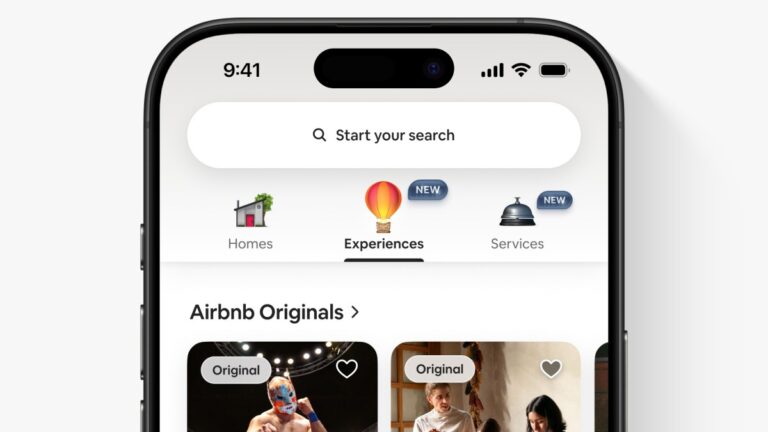
The company also touted its recent hire of CTO Ahmad Al-Dahle, poached from Meta for his AI expertise, and its plans to create an AI-native experience.
With his guidance, Chesky said that Airbnb was poised to introduce an app that doesn’t just search for you, but one that “knows you.”
“It will help guests plan their entire trip, help hosts better run their businesses, and help the company operate more efficiently at scale,” Chesky explained, adding that’s why Airbnb brought Al-Dahle on board.
“Ahmad is one of the world’s leading AI experts. He spent 16 years at Apple, and most recently led the generative AI team at Meta that built the Llama models. He’s an expert at pairing massive technical scale with world-class design, which is exactly how we’re going to transform the Airbnb experience,” Chesky noted.
Like other businesses poised for disruption by AI, Airbnb’s leadership is pushing the idea that it has a unique database and product that other AI chatbots can’t replicate.
“A chatbot doesn’t have our 200 million verified identities or our 500 million proprietary reviews, and it can’t message the hosts, which 90% of our guests do,” Chesky told analysts during the earnings call. Instead, he pitched the idea of layering AI over the Airbnb experience, which he claimed would help to accelerate growth.
The company forecast revenue growth would be in the “low double digits” this year, after pulling in $2.78 billion in the fourth quarter, above estimates of $2.72 billion. This quarter, it expects revenue of $2.59 billion to $2.63 billion, above Wall Street forecasts of $2.53 billion.
Investors still wanted to know if AI platforms could be a risk in the long-term, assuming they moved into the short-term rentals market. Chesky, however, pushed back at that idea, saying that Airbnb isn’t just the consumer-facing app; it’s also the host app, the customer service, and the protections it offers, like insurance and user verifications.
“We’ve built this over 18 years. We handle more than $100 billion in payments through the platform,” he said.
Meanwhile, AI chatbots serve a function similar to search, in that they deliver top-of-funnel traffic, he noted. That traffic also converts at a higher rate than traffic from Google, Chesky pointed out, suggesting that the shift to AI would benefit Airbnb.
The company is already using AI to power its search, with the feature now enabled for a “very small percentage” of Airbnb’s traffic, while it experiments with making its search more conversational. Later, the company plans to integrate sponsored listings within search.
While Spotify this week told investors its best developers hadn’t written a single line of code since December, thanks to AI, Airbnb offered a more high-level metric on its own internal AI adoption. The company said that 80% of its engineers now use AI tools, and it’s working to get that to 100% soon.
NordVPN is having a big sale on its two-year plans right now. The Complete tier, for example is 70 percent off, bringing the price of 24 months down to just $130.
NordVPN regularly appears on Engadget’s list of the best VPN services thanks to its wide server network, strong security tools and consistent performance across devices. NordVPN’s latest promotion puts one of its most comprehensive plans at a price that undercuts many competing premium VPN subscriptions.
NordVPN
Save on all NordVPN plans right now; the Complete plan includes a password manager and 1TB of cloud storage for 70 percent off.
The Complete tier includes full access to NordVPN’s core VPN service, which encrypts internet traffic and masks a user’s IP address to help protect online activity on public Wi-Fi networks and at home. Subscribers can use the service on multiple devices, including phones, tablets, laptops and smart TVs, with apps available for major operating systems. It also includes access to NordPass (more on that below), an ad blocker and 1TB of cloud storage. You’ll find similar discounts on all of NordVPN’s other plans: Basic, Plus and Prime.
Beyond the basics, NordVPN offers features like threat protection to help block malicious websites and trackers, as well as specialty servers designed for added privacy or faster performance in specific scenarios. In our NordVPN review, the service was praised for its evolving feature set and overall reliability, even as the VPN market becomes increasingly competitive.
Engadget regularly tracks VPN pricing trends and this offer compares favorably with other current promotions. It also appears alongside NordVPN deals featured in Engadget’s ongoing roundup of the best VPN discounts available right now, which compares offers from multiple major providers.
Those looking for additional security tools may also want to note that NordVPN’s Complete plan bundles in extra services beyond the VPN itself. One of those is NordPass, the company’s password management app. NordPass is also discounted as part of a separate promotion, if you’re primarily looking for a password manager rather than a VPN. The Premium tier is currently 50 percent off, bringing the price down to $36 for two years. NordPass Premium adds features such as cross-device password syncing, secure password sharing and breach monitoring, which alerts users if stored credentials appear in known data leaks.
Both offers are available for a limited time, though Nord has not specified an end date for the promotion. If you’re still unsure whether NordVPN is right for you, it offers a 30-day money-back guarantee, so you can change your mind and get a full refund.
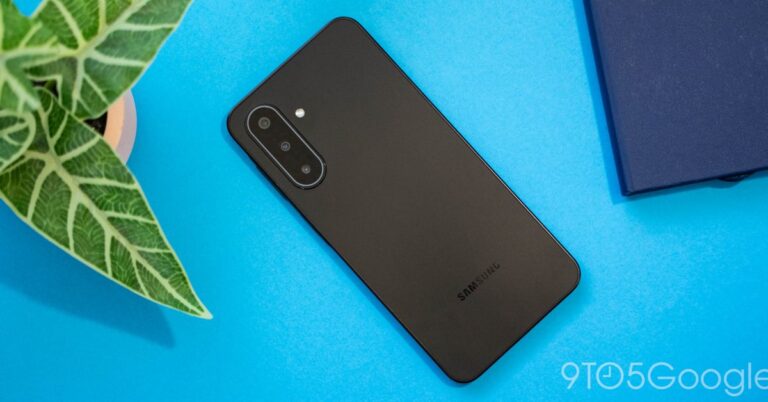
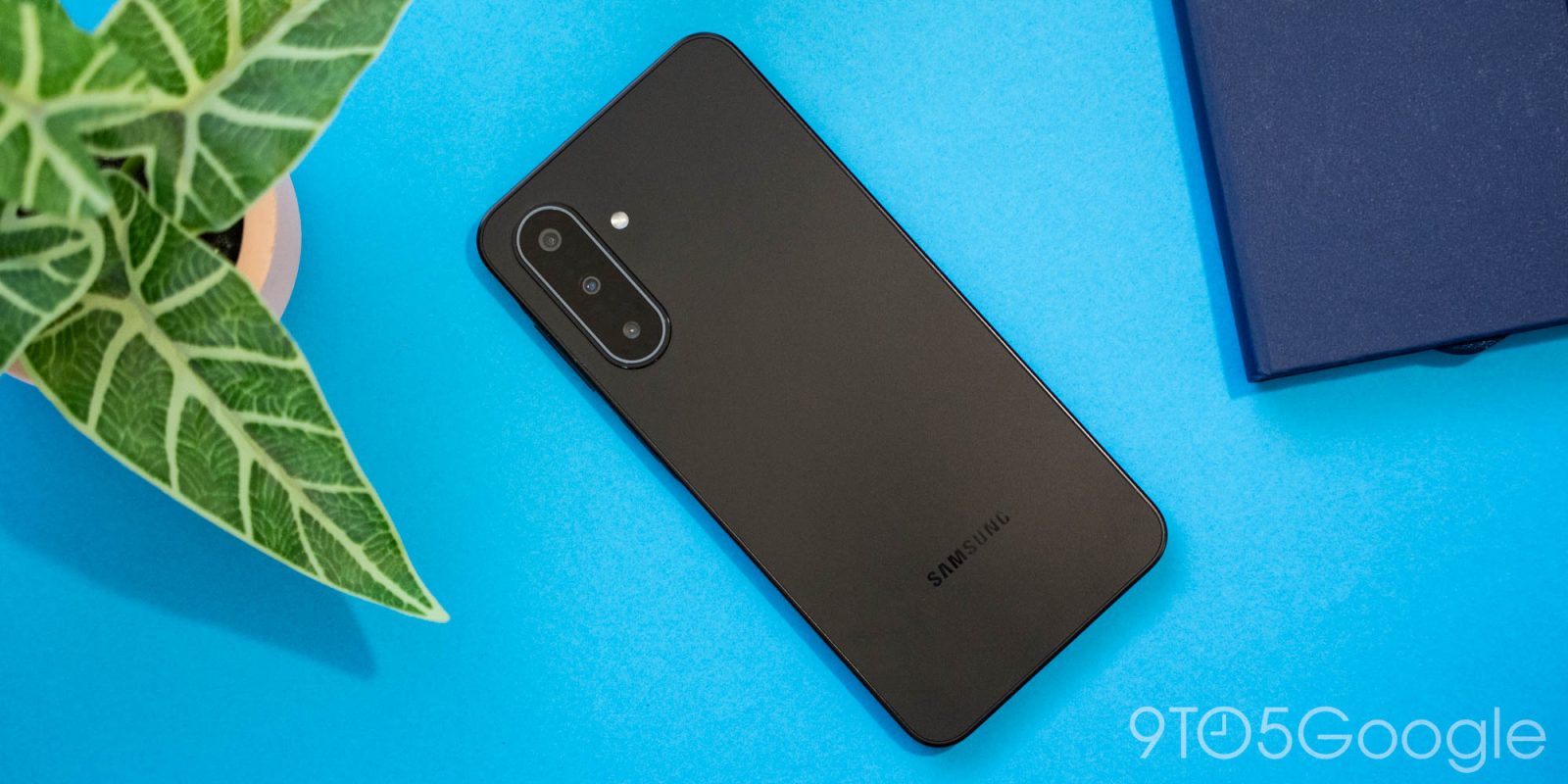
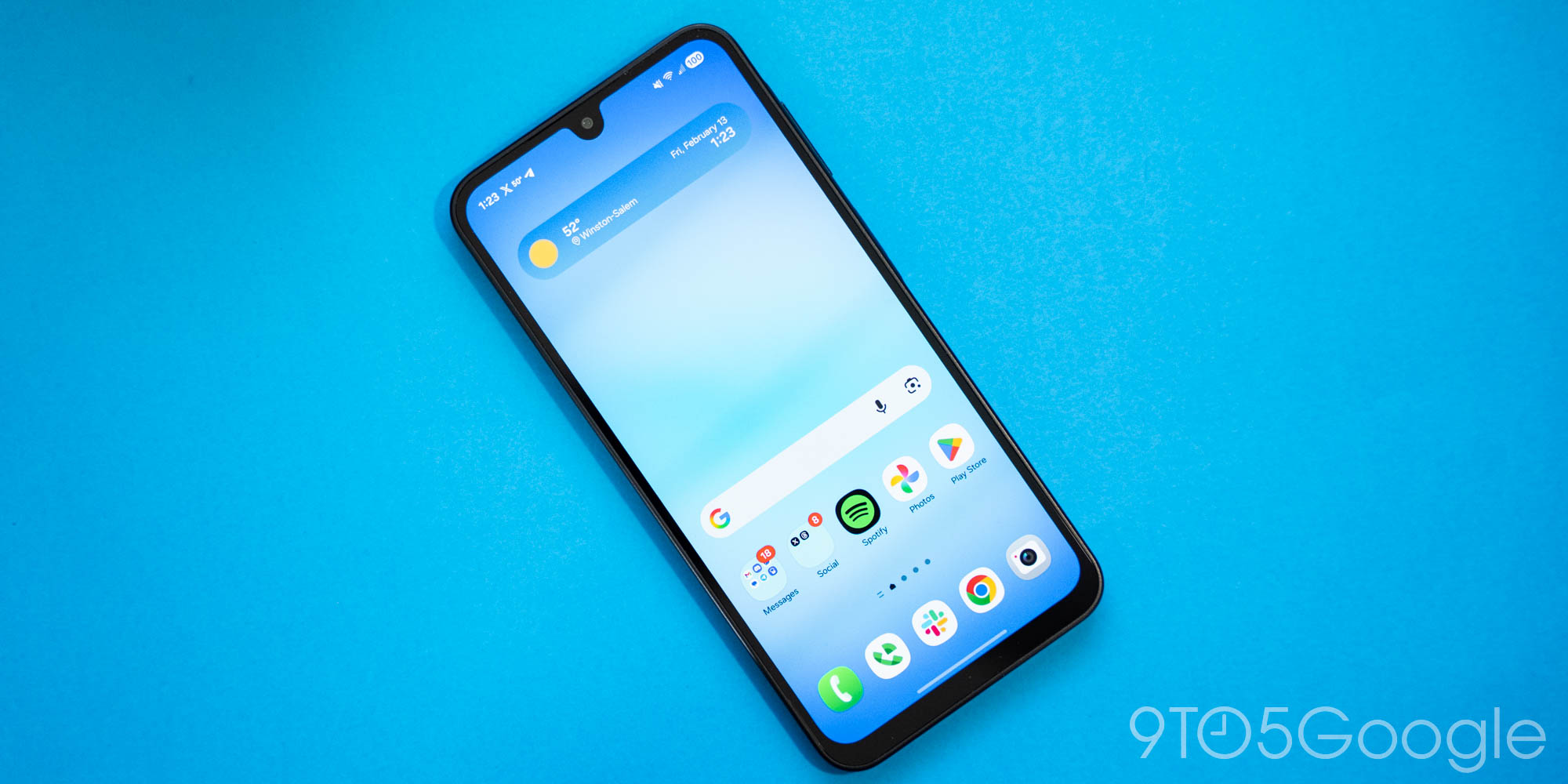
One of the first things cut on budget phones is often long-term software support –I’m looking at you Motorola –, but that’s not the case with Samsung’s Galaxy A17, which is promised six years of Android OS updates. But, can anyone actually use this $199 phone for that long?
The Galaxy A17 is Samsung’s second-cheapest mass market smartphone and, by all accounts, will end up being one of the best-selling smartphone globally this year if its predecessors serve as a pattern. And, on paper, it’s not bad. A 6.7-inch 1080p display, 5,000 mAh battery, 50MP main rear camera, 128GB of storage, and a microSD card slot? That’s a lot of boxes to check, especially knowing this thing gets several years of updates.
So, let’s start with the good.
The overall hardware on Galaxy A17 is pretty solid. The entire thing is plastic, of course, but this is a phone that almost every buyer will be throwing in a case anyway. But, even outside of a case, it works – the hardware is grippy enough. My only real gripe is the power key, which is flat to the phone to facilitate the fingerprint sensor. That’s something Samsung has plenty of experience in with its foldables, where it works great, but there’s so little tactile feeling on the Galaxy A17’s sensor that I always have a tough time knowing where I’m putting my finger. Again, something you won’t even notice while using a case. The “Key Island” design also feels a little odd, but it’s easy enough to get used to.
Advertisement – scroll for more content
Then, there’s the display.
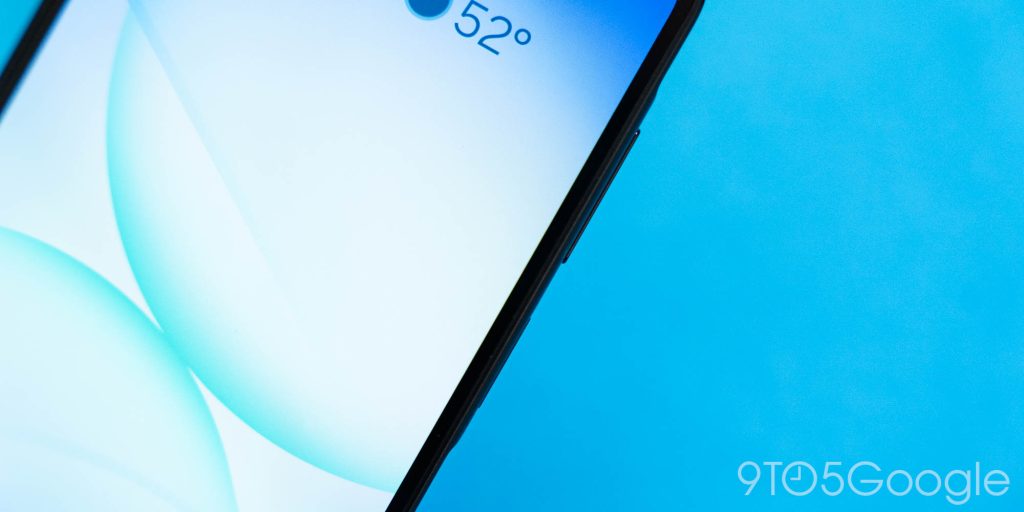
A 6.7-inch 1080p AMOLED panel on a $199 phone is a pretty good selling point, and this one gets the job done well. While it’s far from the best-looking display I’ve ever seen, it has good colors, gets bright enough for general use – though not perfect outside, and lacks the usual shortcomings of a budget phone display in that there’s no unevenness to the display, one of my biggest gripes on the Moto G Power (2026) earlier this year.
Battery life, expectedly, is very good and it charges up quickly. And the camera really surprised me because, well, it doesn’t suck.
While Samsung still has plenty of camera woes, this is a capable shooter. The shot that impressed me most was of my dog, Rey, outside on a snowy day. I’d expect any camera to struggle with balancing a dark-colored animal against that harsh white background on a bright and sunny day, but it got the job done.
But really, that’s where the “good” things come to an end.
To cut right to the chase, the performance on this phone is abysmal, and worse than I even expected from a $199 smartphone. The Galaxy A17 is powered by Samsung’s Exynos 1330 chipset, the same chip you’ve been able to find in the 5G versions of the Galaxy A16, A15, and Galaxy A14 5G. In other words, it’s not a new chip, and it absolutely feels that way.
Paired with just 4GB of actual RAM, the Exynos 1330 just cannot keep up with a modern Android experience, at least in my testing. This phone struggles through literally everything. Getting through the lockscreen, opening apps, even pulling up the keyboard seems to drag it down. Once things are in motion it can perform well for a little while, but it feels like you’re constantly pushing uphill and running out of steam every few seconds. And this is just constant. Just opening the notification shade leaves the phone running a bit behind you.
Every action is just on a delay.
Even scrolling through short-form videos (Instagram Reels, in my case), something that virtually everyone does on their phones, is a rough experience. Videos always start choppy and never really feel like they’re playing properly, and it doesn’t really get better over time. But this is arguably one of the most common, and least resource-intensive “tasks” a modern smartphone has to perform, so it’s really not great that the Galaxy A17 struggled to keep up.
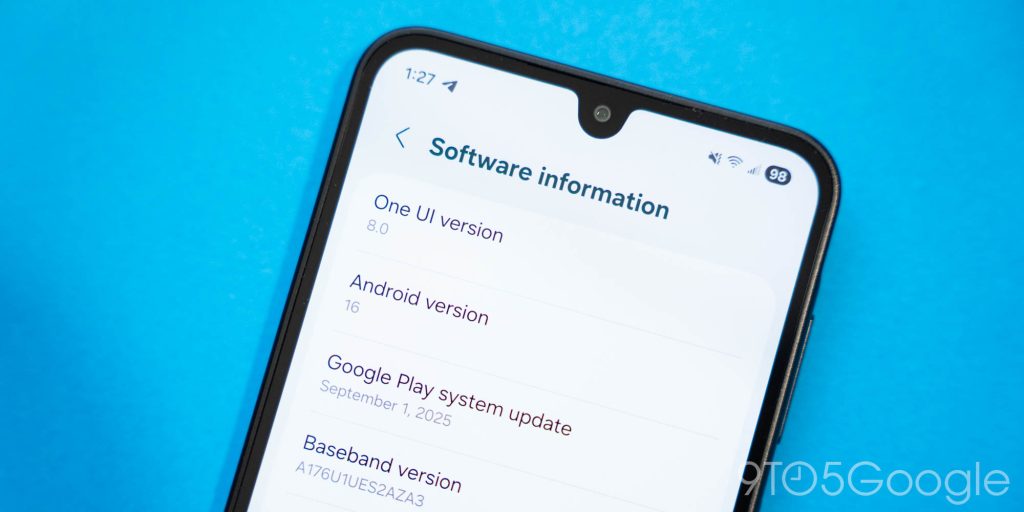
And that’s today, with the phone running Android 16 (One UI 8.0) out of the box.
Samsung promises the Galaxy A17 will get six years of Android OS updates on top of that and, frankly, I just cannot imagine using it for that long. If this phone can barely handle its own OS today, how can anyone hope it will be at all usable on Android 20 and beyond. Don’t get me wrong, Samsung should be updating every phone it sells for this long, but that promise doesn’t align with the reality of Samsung using hardware that just isn’t up to par anymore. I’d say that more memory (RAM) would go a long way to improve this, but ultimately, Samsung needs to upgrade this chip. There’s no reason the same 4-year-old chip should still be in use here. Those two deficiencies combined really just make this phone an absolute drag to use.
But, of course, the $199 segment is not a place you expect a phone to perform well. It’s a necessary compromise for this price point. I’ve used plenty of cheap Android phones over the years, but the Galaxy A17 might be one of the worst-performing out of the box I’ve used in quite some time. Budget phones shouldn’t have performance to spare, but they should be usable, and the Galaxy A17 just… isn’t.
If the Galaxy A17 doesn’t perform well today, what will it be like in 6 years?
So, what’s a better option?
While the lesser memory probably makes a big difference, the base Moto G (2026) uses the same chipset as the Moto G Power I recently went hands-on with, and that phone was perfectly acceptable across the board. You’re trading long-term updates, sure, but – and I don’t say this lightly – I think that might be worthwhile. I’m all for bang-for-your-buck, but not at the expense of a product that you actually want to use. But, really, I’d advocate more for just buying a slightly older device instead. A used or refurbished Google Pixel would do nicely, for example. Back Market, a solid place to get refurbished phones, has the Galaxy S23 for $199 right now. That’s a better buy for this money in my book. You get fewer updates over time, of course, but with better performance and while also saving a device from becoming e-waste. That’s a win-win.
As mentioned at the outset, though, the Galaxy A17 will probably still manage to be one of the best-selling Android phones of the year. It happens time and time again. So, with that in mind, I’d simply ask that Samsung takes another pass on the software here, and brings some further optimization.
On Dec. 23, Boston police responded to reports of an injured woman screaming for help. Officers found the woman bleeding from the head, according to prosecutors.
The victim told the officers her friend, Johnson, hit her with a metal stove grate and that he was inside their apartment trying to light himself on fire, according to prosecutors.
Police found heavy smoke in the apartment and blood on the walls. Johnson was unconscious in the bathtub with severe burns, prosecutors said.
Johnson was taken to a hospital, where he was listed in critical condition.
Bail was set at $2,500 and Johnson was ordered to stay away from the victim. He is also being held for a probation violation in a previous assault case.
Johnson will return to court March 10 for a pre-trial hearing and to surrender for the probation violation.
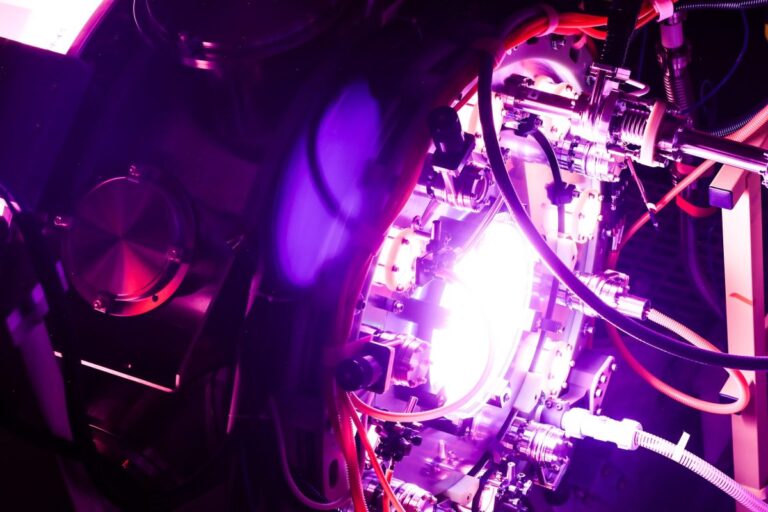
The Everett, Washington-based fusion energy startup Helion announced Friday that it has hit a key milestone in its quest for fusion power. Plasmas inside the company’s Polaris prototype reactor have reached 150 million degrees Celsius, three-quarters of the way toward what the company thinks it will need to operate a commercial fusion power plant.
“We’re obviously really excited to be able to get to this place,” David Kirtley, Helion’s co-founder and CEO, told TechCrunch.
Polaris is also operating using deuterium-tritium fuel — a mixture of two hydrogen isotopes — which Kirtley said makes Helion the first fusion company to do so. “We were able to see the fusion power output increase dramatically as expected in the form of heat,” he said.
The startup is locked in a race with several other companies that are seeking to commercialize fusion power, potentially unlimited source of clean energy.
That potential has investors rushing to bet on the technology. This week, Inertia Enterprises announced a $450 million Series A round that included Bessemer and GV. In January, Type One Energy told TechCrunch it was in the midst of raising $250 million, while last summer Commonwealth Fusion Systems raised $863 million from investors including Google and Nvidia. Helion itself raised $425 million last year from a group that included Sam Altman, Mithril, Lightspeed, and SoftBank.
While most other fusion startups are targeting the early 2030s to put electricity on the grid, Helion has a contract with Microsoft to sell it electricity starting in 2028, though that power would come from a larger commercial reactor called Orion that the company is currently building, not Polaris.
Every fusion startup has its own milestones based on the design of its reactor. Commonwealth Fusion Systems, for example, needs to heat its plasmas to more than 100 million degrees C inside of its tokamak, a doughnut-shaped device that uses powerful magnets to contain the plasma.
Techcrunch event
Boston, MA | June 23, 2026
Helion’s reactor is different, needing plasmas that are about twice as hot to function as intended.
The company’s reactor design is what’s called a field-reversed configuration. The inside chamber looks like an hourglass, and at the wide ends, fuel gets injected and turned into plasmas. Magnets then accelerate the plasmas toward each other. When they first merge, they’re around 10 million to 20 million degrees C. Powerful magnets then compress the merged ball further, raising the temperature to 150 million degrees C. It all happens in less than a millisecond.
Instead of extracting energy from the fusion reactions in the form of heat, Helion uses the fusion reaction’s own magnetic field to generate electricity. Each pulse will push back against the reactor’s own magnets, inducing electrical current that can be harvested. By harvesting electricity directly from the fusion reactions, the company hopes to be more efficient than its competitors.
Over the last year, Kirtley said that Helion had refined some of the circuits in the reactor to boost how much electricity they recover.
While the company uses deuterium-tritium fuel today, down the road it plans to use deuterium-helium-3. Most fusion companies plan to use deuterium-tritium and extract energy as heat. Helion’s fuel choice, deuterium-helium-3, produces more charged particles, which push forcefully against the magnetic fields that confine the plasma, making it better suited for Helion’s approach of generating electricity directly.
Helion’s ultimate goal is to produce plasmas that hit 200 million degrees C, far higher than other companies’ targets, a function of its reactor design and fuel choice. “We believe that at 200 million degrees, that’s where you get into that optimal sweet spot of where you want to operate a power plant,” Kirtley said.
When asked whether Helion had reached scientific breakeven — the point where a fusion reaction generates more energy than it requires to start it — Kirtley demurred. “We focus on the electricity piece, making electricity, rather than the pure scientific milestones.”
Helium-3 is common on the Moon, but not here on Earth, so Helion must make its own fuel. To start, it’ll fuse deuterium nuclei to produce the first batches. In regular operation, while the main source of power will be deuterium-helium-3 fusion, some of the reactions will still be deuterium-on-deuterium, which will produce helium-3 that the company will purify and reuse.
Work is already underway to refine the fuel cycle. “It’s been a pleasant surprise in that a lot of that technology has been easier to do than maybe we expected,” Kirtley said. Helion has been able to produce helium-3 “at very high efficiencies in terms of both throughput and purity,” he added.
While Helion is currently the only fusion startup using helium-3 in its fuel, Kirtley said he thinks other companies will in the future, hinting that he’d be open to selling it to them. “Other folks — as they come along and recognize that they want to do this approach of direct electricity recovery and see the efficiency gains from it — will want to be using helium-3 fuel as well,” he said.
Alongside its experiments with Polaris, Helion is also building Orion, a 50-megawatt fusion reactor it needs to fulfill its Microsoft contract “Our ultimate goal is not to build and deliver Polaris,” Kirtley said. “That’s a step along the way towards scaled power plants.”
Marvel Tōkon: Fighting Souls was first announced last year as a tag fighting game feature superheroes including Captain America, Ms Marvel and Spider-Man, with a launch sometime in 2026. We expected more details to be revealed at Sony’s State of Play yesterday and indeed they were. The game will arrive August 6 on PS5 and PC and include the Unbreakable X-Men’s Storm, Magik, Wolverine, and Danger.
The trailer teases each character’s fighting style, with Magik and Wolverine using a more in-your-face melee fighting style. Storm and Danger, meanwhile, offer more diverse attack abilities, with Storm manipulating wind and lightning and Magik deploying sorcery skills. We also saw a team-based finisher attack with all four characters joining forces to unleash a flurry of attacks. The trailer also revealed that Marvel Tōkon: Fighting Souls will offer an Episode Mode with a “new form of storytelling adapted for a modern video game format” that marries Manga with American comics.
MARVEL Tōkon: Fighting Souls launches on August 6, 2026 for PS5 and PC. Pre-orders open February 19, 2026 at the PlayStation Store and PC storefronts. It will be sold in three versions: the $60 Standard Edition, $85 Digital Deluxe Edition (includes the full game, all pre-order incentives, a Year 1 Characters and Stage Pass) and Howard the Duck and Cosmo. Finally, the $100 Ultimate Edition includes all the preceding, plus costumes for Storm, Captain America, Doctor Doom, Iron Man, and Spider-Man, along with an Animated Chromatic color unlock for all 20 launch characters.
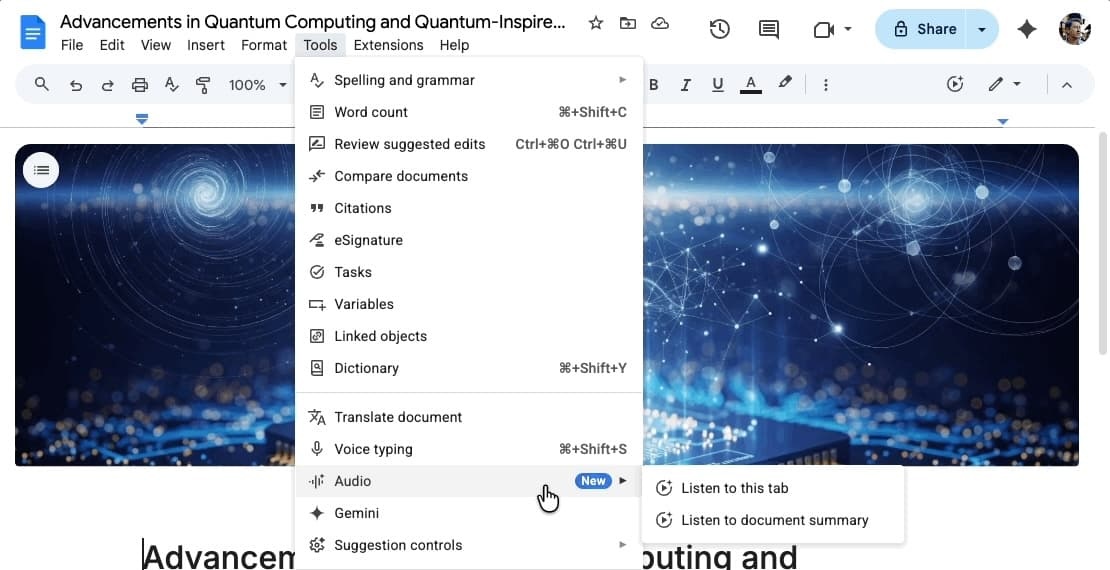
After introducing text-to-speech in August, Google Docs is now rolling out audio summaries.
On the web, go to Tools > Audio where you’ll find “Listen to this tab” joined by a new “Listen to document summary.”
This brings up the audio player with a timeline scrubber and playback speed controls (0.5x to 2x). There’s also the ability to choose a different voice: narrator, persuader, coach, etc.
Powered by Gemini, these summaries “provide a short verbal synopsis of the contents in your document, including multiple tabs.” They are “typically under a few minutes long, and use a natural speaking style to help you catch up quickly and efficiently.”
Advertisement – scroll for more content
For example, you can quickly catch up on notes before a meeting, or summarize a long report and get the highlights in only a few minutes.
Rolling out over the coming weeks, audio summaries in the Google Docs web app are available for the following subscribers:
Business Standard and Plus
Enterprise Standard and Plus
Google AI Ultra for Business add-on
Google AI Pro for Education add-on
Google AI Pro and Ultra
More on Google Docs:
FTC: We use income earning auto affiliate links.More.
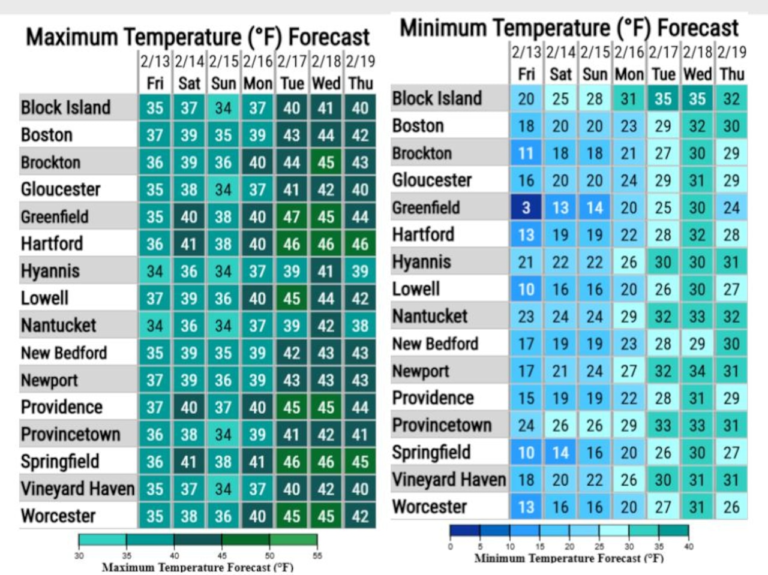
Spring may not have come yet, but Massachusetts is set to experience a warm-up over the next week that could melt some of the lingering snow.
From Friday through Monday, mostly sunny skies and highs in the mid 30s to low 40s are predicted across the state, according to the National Weather Service. Temperatures are expected to warm even further from Tuesday through Thursday next week, with daily highs reaching the upper 30s to mid 40s.
Massachusetts is expected to experience a warm-up over the next week, according to the National Weather Service.National Weather Service
Overnight low temperatures are predicted to drop into the low 20s on the Cape and Islands and into the teens across the rest of the state Thursday night, according to the weather service. Lows in the mid teens to mid 20s are expected throughout Massachusetts Friday and Saturday night.
A few passing flurries or brief snow showers are possible late Friday night into early Saturday, but they will be “moisture-starved,” meaning that they should not have much impact or leave more than a dusting, according to the weather service.
Forecasters have been monitoring a winter storm that looked like it might reach Massachusetts Sunday night, but weather models now indicate its track will be too far offshore to impact Southern New England, the weather service said.
Overnight low temperatures are also predicted to be warmer next week, according to the weather service. After Sunday night, when temperatures are expected to drop into the 20s, overnight lows are predicted to dip only as low as the upper 20s and low 30s through Wednesday night.
This week the Ghanian musician Ebo Taylor died at 90 years old. While he was not well known in the U.S. he was a star in Africa, and a defining force in highlife music.
(SOUNDBITE OF EBO TAYLOR SONG, “ABOA KYIRBIN”)
AILSA CHANG, HOST:
This week, the world lost a legend of African music. The Ghanaian musician Ebo Taylor has died. He was 90 years old, and since the 1950s, he was a defining force and sound behind highlife music.
(SOUNDBITE OF EBO TAYLOR SONG, “ABOA KYIRBIN”)
ADRIAN YOUNGE: Highlife music is something that – it’s danceable music. It’s very melodic. But an easier way to describe it is it’s kind of like the funk, soulful precursor to Afrobeat.
CHANG: Adrian Younge is a musician and producer based in Los Angeles. He cofounded the Jazz Is Dead record label and produced some of Taylor’s music. Highlife in Ghana became the soundtrack to post-colonial Africa when the country gained independence from the United Kingdom in 1957.
(SOUNDBITE OF SONG, “LOVE AND DEATH”)
EBO TAYLOR: (Singing) Brothers and sisters…
CHANG: Songs like “Love And Death” could be heard in bars all over West Africa.
(SOUNDBITE OF SONG, “LOVE AND DEATH”)
TAYLOR: (Singing) Listen to my story.
CHANG: And while Ebo Taylor was a star across Africa, highlife and Afrobeat didn’t really pick up in the U.S. until the early 2000s. He spoke about that shift in 2013 at Afro-Latino Fest in Belgium.
(SOUNDBITE OF ARCHIVED RECORDING)
TAYLOR: The biggest change in music is that African music is now in focus, and people are more interested in African music than before.
CHANG: Taylor played his first show in the U.S. in 2022, when Younge brought him to Los Angeles to record.
YOUNGE: As soon as the flyer went up on our Instagram, man, it blew up, and then tickets were selling out from Chicago to New York.
CHANG: The Jazz Is Dead label released an album of original music with Taylor in 2025. Much of it was improvised on the spot by Taylor, his sons and Younge. And it was the last album that Taylor recorded.
(SOUNDBITE OF EBO TAYLOR, ET AL. SONG, “NSA A W’OANYE EDWUMA, ONDZIDZI”)
YOUNGE: And he’s sitting there, like, singing and just bobbing his head and kind of getting crazy with the music. And I’m like, he’s 90 years old, and it’s making him feel like that.
CHANG: Taylor was creating music until nearly the end of his life.
(SOUNDBITE OF ARCHIVED RECORDING)
TAYLOR: Music does not stop. You know, I don’t know where we’re going next, but I will still be playing.
CHANG: Taylor’s son announced his father’s death on Sunday, writing, quote, “Dad, your light will never fade.”
(SOUNDBITE OF SONG, “NSA A W’OANYE EDWUMA, ONDZIDZI”)
Accuracy and availability of NPR transcripts may vary. Transcript text may be revised to correct errors or match updates to audio. Audio on npr.org may be edited after its original broadcast or publication. The authoritative record of NPR’s programming is the audio record.