Home Blog Page 84

Withings Body Scan 2 can track hypertension risk and more

0


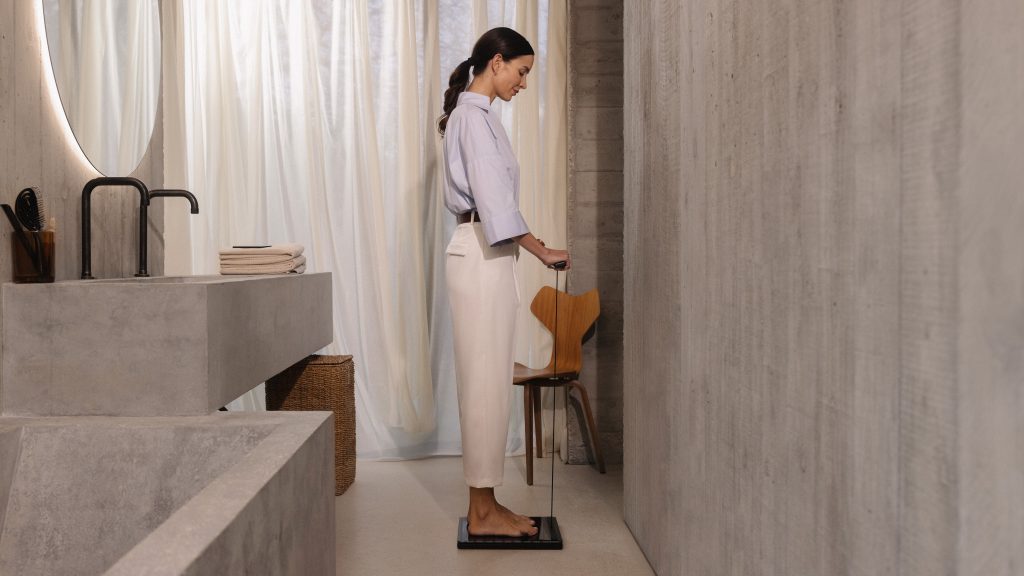
At CES 2026, Withings is announcing its new Body Scan 2 scale, which the company claims is the first at-home scale able to detect certain heart conditions, including your risk for hypertension.

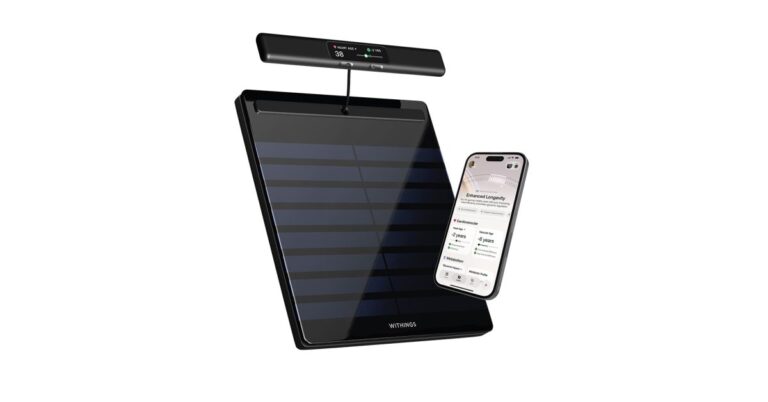
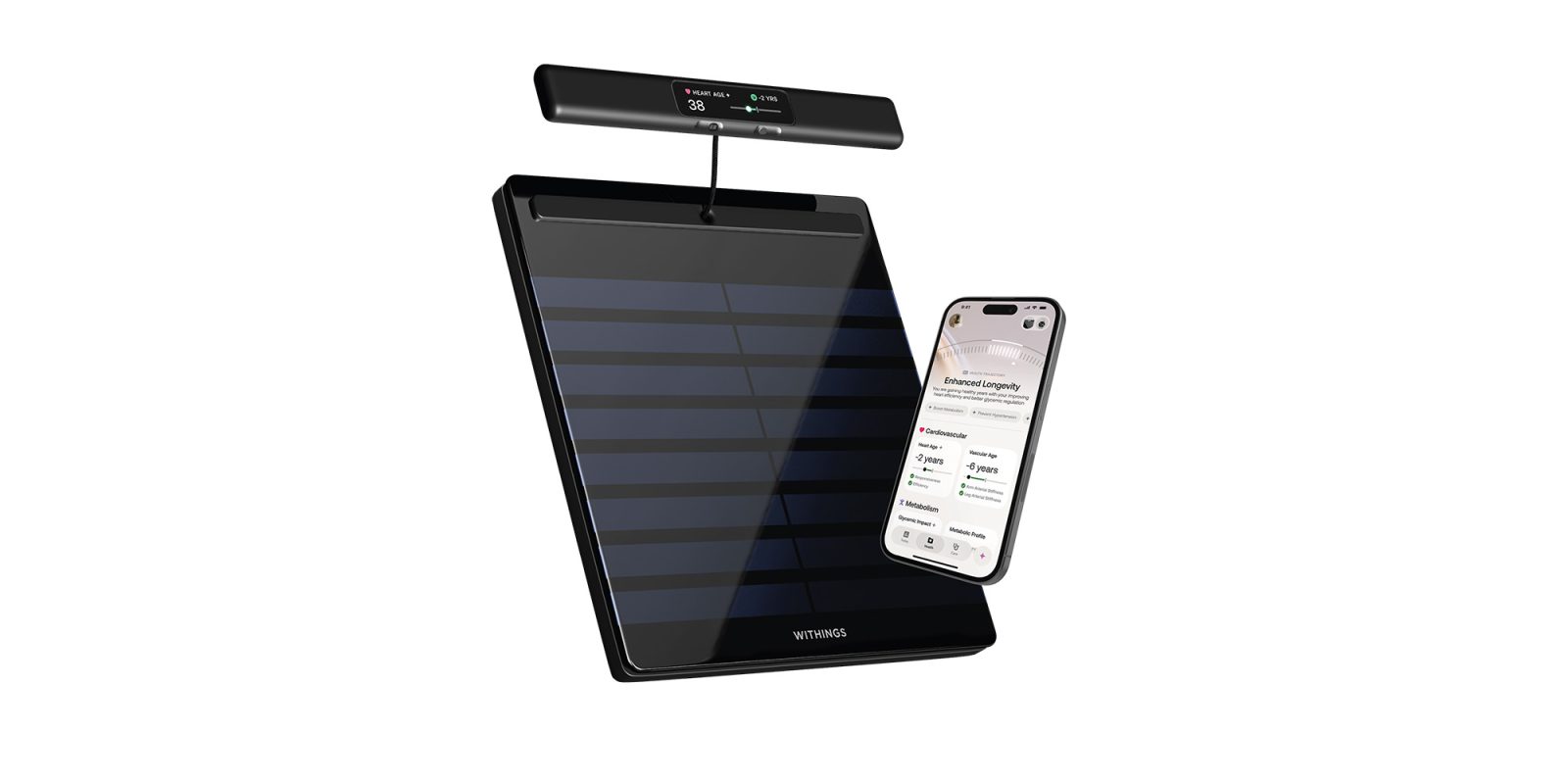
The Withings Body Scan 2 scale uses a combination of a standard floor scale with a retractable handle to track over 60 different biomarkers, all in about 90 seconds. Some of these are brand new to Body Scan 2, and Withings says that a select few are “world’s first” in an at-home scale.

One of these is support for a hypertension risk notification. Without the use of a cuff, the Body Scan 2 uses a special AI model to detect arterial hypertension risk, helping to address a major risk factor for a stroke. Another first-time feature is the ability to catch potential glycemic dysregulation, which can help provide an early warning for things such as prediabetes. Support for Impedance Cardiography (ICG) is also available for the first time on an at-home scale here, with the data captured able to help detect how your heart is pumping blood and any factors that might be affecting that.

Withings says that many of these biomarker detection features are clinically validated and are designed to help users make lifestyle changes to address factors that many of us simply don’t think about.

Advertisement – scroll for more content

Body Scan 2 is designed to address the main obstacle to longevity: the silent physiological impact of our modern lifestyle. Sedentary habits, chronic stress, sleep disorders, and an unbalanced diet gradually throw our bodies out of balance, without us noticing any visible signs. If left undetected, these imbalances will silently lead to chronic conditions like Diabetes, Hypertension, Atrial Fibrillation, and Heart Failure.

Body Scan 2 will also provide a “Health Trajectory score” to help offer a view of how said changes can improve your long-term health.

Like other connected scales from Withings, Body Scan 2 can connect to other apps such as Fitbit through Android Health Connect. Withings says that the scale can last up to 15 months and syncs via Wi-Fi or Bluetooth.

Withings Body Scan 2 will be available in Q2 2026, but it won’t be cheap. In the US, it will be sold for $599, a $100 increase over the prior generation.

More from CES 2026:

Follow Ben: Twitter/XThreads, Bluesky, and Instagram

FTC: We use income earning auto affiliate links. More.


Source link

Venezuela president’s capture not about drug trafficking, Western Mass. experts say

0


Local foreign affairs experts agree Saturday’s capture of Venezuela’s president had little to do with a crackdown on illegal drug trafficking, and instead it was a show of power over trade.

The news that U.S. special operations forces seized President Nicholas Maduro and his wife Cilia Flores and brought them to New York to face drug charges is leaving foreign policy experts to question the real reason for the stunning use of military force and what happens next to the government of the South American country.

In Western Massachusetts, meanwhile, a variety of activist groups joined together to organize “emergency protests” on Saturday and Sunday in Northampton and Greenfield. On Saturday, an estimated 100 people stood out to decry Trump’s actions against Venezuela, said Sasha Morsmith chairman of River Valley Democrat chair of River Valley Democratic Socialists of America.

“Maduro and his wife need to be returned to Venezuela and the United States needs to cease its illegal bombing campaign in the Caribbean,” she said. “Those oil resources are for the Venezuelan people to decide to do with them.”

Multiple elected officials including U.S. Reps. Richard E. Neal, D-Springfield, and James McGovern, D-Worcester, also condemned the operation, which was done without congressional approval.

A move aimed to intimidate

The Trump administration was escalating its military presence in the Caribbean and sinking Venezuelan boats, but the “kidnapping” was a surprise move, said John Feffer, of Amherst, director of Foreign Policy in Focus at the Institute for Policy Studies in Washington, D.C.

Feffer argued if the action was designed to stop drug trafficking, then Trump wouldn’t have pardoned ex-Honduran President Juan Orlando Hernandez on his conviction to conspire with drug traffickers. Furthermore, fentanyl, one of the biggest killers of opioid users, is not coming from Venezuela.

“Maduro was weak in his own country, an easy target. It was not drugs, not oil,” he said.

Instead, Feffer cited a Chinese proverb: “Kill the chicken to scare the monkeys,” a move intended to intimidate other leaders.

“From a realpolitik view that is what dictators want to do. …This is our region and you should not think of expanding into our region,” Feffer said. “There are more powerful actors in the region that are going to take note in this, Brazil, Mexico, Columbia.”

He also questioned if it was about capturing control of Venezuela’s huge oil resources since Maduro was willing to sign a peace agreement that would provide the United States with oil at favorable prices.

Instead, Feffer said he sees it as a part of a complex move to access minerals valuable to manufacturing and to control trade, including slowing China’s growing push into Mexico, Canada — an issue past President Joe Biden was also concerned about.

“Venezuela is not exactly a pawn of China, but China is one of its few trade partners, and it is heavily in debt to China,” he said.

Oil reserves the largest in the world

Alejandro Velasco, associate professor of history at New York University who previously taught at Hampshire College in Amherst, agreed narcoterrorism has little to do with the operation.

“Not in the way the Trump administration has suggested,” he said. “If it was, we should see a tremendous drop in fentanyl use. There is no documented proof Venezuela is a distributor or manufacturer of the drugs.”

He does believe the four-month buildup in the Caribbean was not getting the results and attention Trump wanted, so it boxed him in and forced him into the massive operation.

But Velasco, who has written several books about the country and has relatives living in Venezuela, does believe part of the capture of Maduro is about getting more control of the country’s oil.

“The primary one at least for Trump, just President Trump, is securing access to oil reserves which are the vastest in the world,” he said. “Others in his administration are after different things, but they are not calling the shots.”

Valesco predicted Secretary of State Marco Rubio wants to see a similar action and regime change in Cuba while other cabinet members want to simply to flex America’s military muscle. Stephen Miller, homeland security advisor, wants to return more Venezuelan immigrants who say they are in danger in their own home.

While Trump has said the United States will “run” the country, a statement Rubio seemingly walked back on Sunday, Valesco and Feffer said they do not see huge changes in the regime so far.

Hours after Maduro was captured, Vice President Delcy Rodriguez was sworn in as interim president and the rest of the leadership remains in place.

Feffer said his guess is the issue will drop out of the news cycle, the government will simply remain in place, and the successors will negotiate some type of economic deal that will satisfy Trump.

Unlike the invasion in Iraq that resulted in a prolonged war, no infrastructure was destroyed and the opposition, for now, is not fighting to get into power, he said.

“They get rid of Maduro and leave everything in place. That has been a tremendous surprise,” Valesco said.

Valesco said he sees one of two scenarios. The “rosy one” would leave the existing leaders in place and a slight improvement for the people of Venezuela. The second will end up with a splintering with the military or a civilian side forcing a coup.

“Under the rosy scenario, the current authorities are able to consolidate control and are able to straddle a fine line of maintaining a public stance of defiance, but in terms of policy, opening the oil fields to U.S. companies and reversing nationalization of oil,” he said.

Valesco said he has been able to talk to family members in Venezuela and said they are keeping a low profile and preparing for the worst.

“Over the past they have had to learn how to hunker down in moments of crisis,” he said. “It is so much of a guessing game and that feeds anxiety.”

The current leaders have held press conferences and residents have access to media, but there are still major questions.

For now, most are stocking up on food, gas and other supplies and staying inside and waiting to figure out their situation, he said.


Source link

Can a social app fix the ‘terrible devastation’ of social media?

0


Twitter co-founder Biz Stone and Pinterest co-founder Evan Sharp have raised new funding for their social media startup West Co.

The startup launched an invite-only version of its first app, Tangle, in November. Now the Financial Times has pieced together more details from comments made by Stone and Sharp, as well as from regulatory filings and job listings.

The company has reportedly raised $29 million, with Spark Capital leading its seed round.

Sharp — the company’s CEO — described West Co as emerging from the question, “What could I build that might help address just some of the terrible devastation of the human mind and heart that we’ve wrought the last 15 years?”

The answer, at least in its initial form, is an app that asks users, “What’s your intention for today?” Users can share their goals with friends, hopefully helping them “plan with intention, capture the reality of their days, and see the deeper threads that shape their life.”

Stone told the FT that the app could change significantly before fully launching to the public.


Source link

Belkin announces a wireless HDMI dongle that doesn’t need Wi-Fi access

0


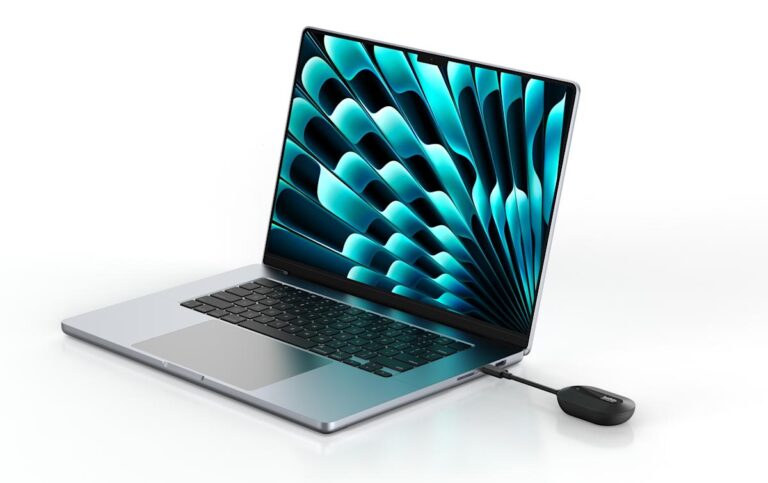
Belkin has announced a plug-and-play casting system at CES 2026 that allows for screen sharing from a laptop, tablet or smartphone to another display without Wi-Fi or Bluetooth. The $150 ConnectAir Wireless HDMI Display Adapter comes with a USB-C transmitter dongle and a USB-A to HDMI receiver that can be connected to a TV, monitor or projector to wirelessly cast over a range of up to 131 feet (40 meters).

Belkin's ConnectAir Wireless USB-C transmitter and HDMI receiver

Belkin’s ConnectAir Wireless USB-C transmitter and HDMI receiver (Belkin)

The ConnectAir Wireless casts in 1080p at 60Hz, with latency under 80ms according to Belkin. It’s compatible with USB-C devices that support DisplayPort Alt Mode, including Windows, macOS and ChromeOS laptops, tablets such as the M1 and M2 iPad Pro and iPad Air, and smartphones with video output. Belkin also says it supports multi-user screen sharing at up to 8 transmitters. The dongle comes in black and while it’s not available to purchase just yet, it’s expected to be released early this year.


Source link

Will 2026 be the year of Android phones with Qi2?

0


Proper Qi2 support on Android has been rather elusive thus far, with only Google’s Pixel 10 series bringing the feature to a mass audience. While there are rumblings of support from Samsung in 2026, another Qi2 Android phone has been confirmed for next year, it’s just not one anyone expected.

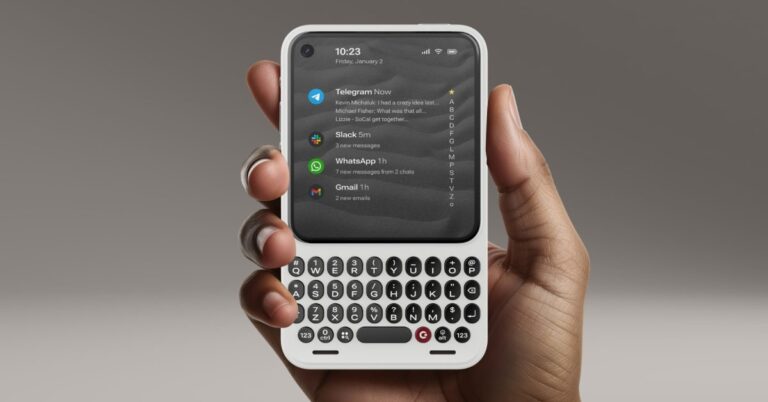
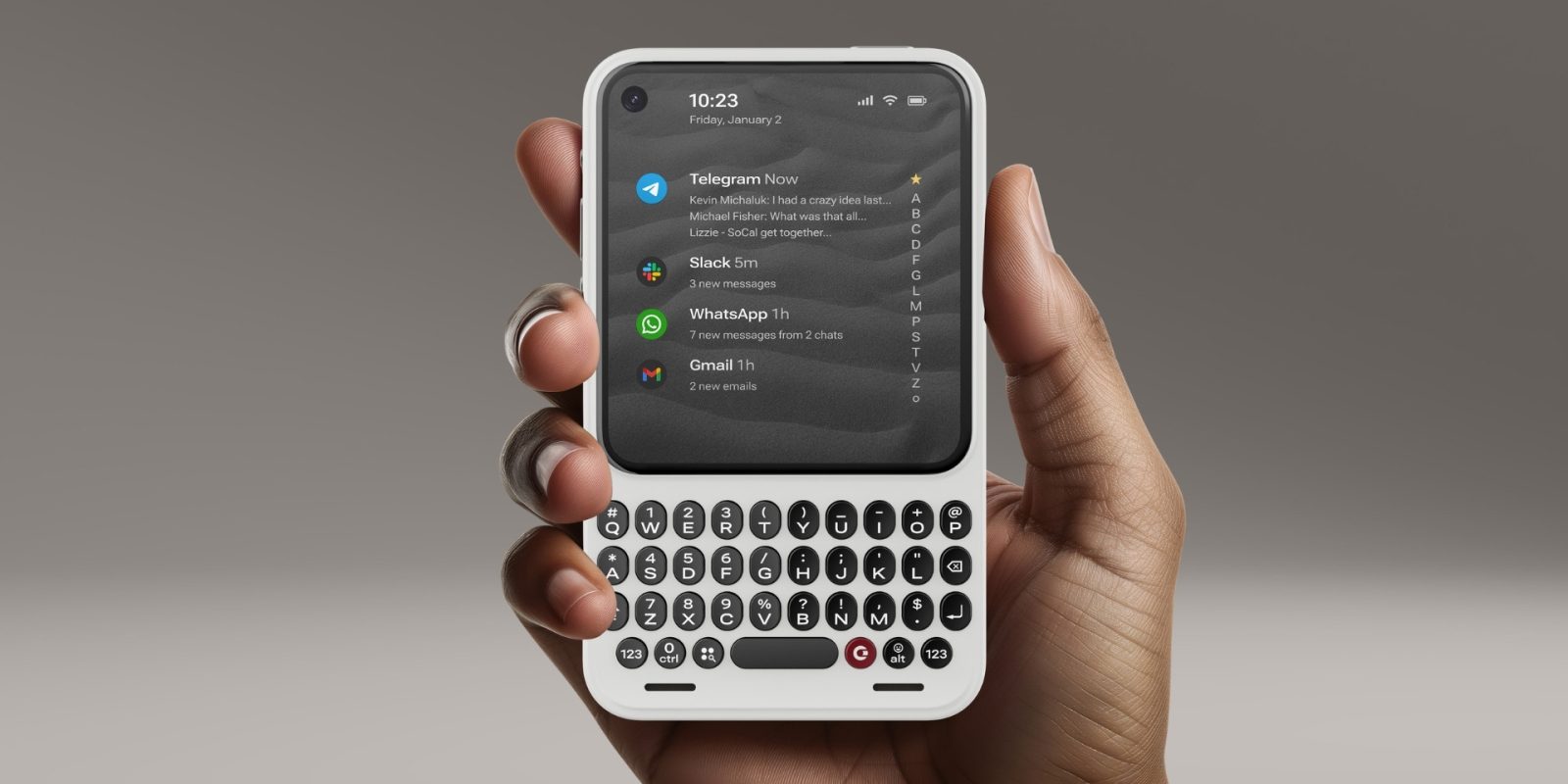
Announced earlier this week ahead of CES 2026, the “Clicks Communicator” is a new BlackBerry-style smartphone running Android with a custom, message-focused launcher and with a physical keyboard akin to the Clicks keyboard cases available for iPhones, Pixel 10, and select other devices. It looks very fun – stay tuned for a full hands-on in our CES 2026 coverage this week.

The Communicator’s specs are partially shrouded, but one confirmed feature is support for Qi2. That’s especially notable given that the device has interchangeable backplates, but Clicks confirmed to 9to5Google that it is working for proper Qi2 support on this device despite also supporting those backplates.

This would mark only the sixth Qi2 Android device so far. The HMD Skyline was the first, followed by Pixel 10, Pixel 10 Pro, Pixel 10 Pro XL, and Pixel 10 Pro Fold. Clicks Communicator, by its very nature and as the company itself has very clearly said, is very much a niche release, though, so it’s not exactly making any waves in the market by supporting Qi2. Still, it’s nice to see.

Advertisement – scroll for more content

This surely won’t be the last Qi2 release of 2026, though.

Samsung’s Galaxy S26 series is expected to adopt Qi2, and that only looks more and more likely with every new leak. It’s only logical assume we’ll then be getting Qi2 in Samsung’s foldables later in the year. Of course, the Pixel 11 series will continue on with Qi2 support, but it is a little harder to predict what we’ll see from other Android brands. Motorola would make sense, but there’s been no indication of that happening just yet. OnePlus and Oppo have shown plenty of interest in magnetic accessories, but we’re still waiting on a first Qi2 device from those brands. The budget market seems like even more of an open question.

Where else do you want to see Qi2 in 2026?


This Week’s Top Stories

CES 2026 has begun

CES announcements are underway, with some new Android devices as well as Qi2 and more. Check back through the week for more, but here are a few highlights.

Recapping Google’s 2025 and a quick look forward

Over the past week, our Abner Li and Damien Wilde have been taking a look at Google’s 2025, as well as looking forward to what we might see in 2026.

More Top Stories


From the rest of 9to5

9to5Mac: All the new products Apple released in 2025

9to5Toys: Tested: Nomad Find My Tracking Card Pro – metal build and 16-month battery life, but a touch thicker

Electrek: Volkswagen is shaking things up with a new EV interior [Images]


Follow Ben: Twitter/XThreads, Bluesky, and Instagram

FTC: We use income earning auto affiliate links. More.


Source link

Pilot dies after plane crashes at Provincetown Airport

0


A pilot died after a plane crashed at the Provincetown Municipal Airport on Sunday afternoon, and fire crews responded to the scene, according to a town official.

The crash happened at about 3:15 p.m., according to Assistant Town Manager Dan Riviello.

The plane caught fire when it crashed and the pilot was the only one on board.

The pilot was pronounced dead at the scene. The cause of the crash remained unknown, Riviello said.

The National Transportation Safety Board will investigate the cause of the crash. Federal Aviation Administration officials and the Massachusetts State Police were also called to the scene.

The town’s fire department released limited information and advised the public to avoid the area. The airport is closed.

“Our thoughts are with the pilot’s family,” Riviello said.

Luis joined MassLive in 2022 as a general assignment reporter, writing breaking news stories, exposing the use of confidentiality agreements in Palmer public schools and the ‘ladies’ controversy in Easthampton….


Source link

Remembering Richard Smallwood, a giant of gospel music

0


Richard Smallwood, a giant of gospel music, died on December 30. For decades, the composer and recording artist infused church hymns with a contemporary sound.


Source link

Subtle releases ear buds with its noise cancelation models

0


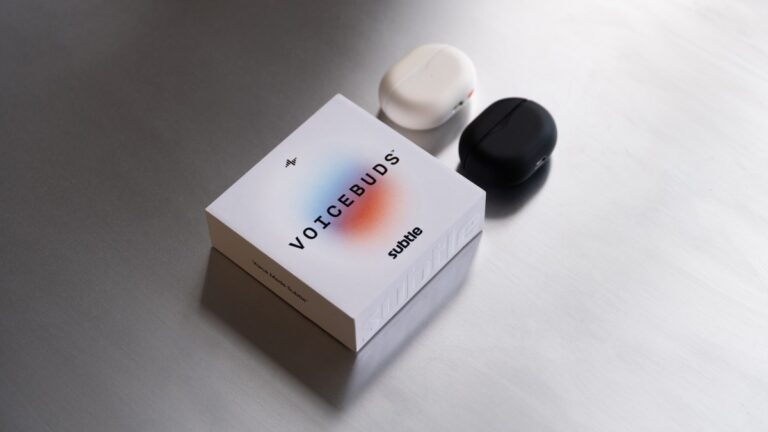
Voice AI startup Subtle, which creates voice isolation models to have computers understand you better in loud environments, today launched a new pair of wireless earbuds that help users sound clear in calls and get clear transcription for notes.

The company unveiled these earbuds ahead of the Consumer Electronics Show (CES) in Las Vegas and said that it plans to ship them in the U.S. in the next few months. The buds cost $199 and will come with a year-long subscription to the iOS and Mac app. The app will let users take voice notes or chat with AI without pressing any keys. The company said it is using a chip that allows it to wake the iPhone while it is locked.

The startup is also trying to compete with AI-powered voice dictation apps such as Wispr Flow, Willow, Monolouge, and Superwhisper by allowing users to dictate in any app using the voice buds. The company claimed that buds would deliver five times fewer errors than AirPods Pro 3 combined with OpenAI’s transcription model.

In a demo seen by TechCrunch, the voice buds were able to capture audio in a noisy background. The buds also managed to capture the text for a voice note when Subtle’s co-founder and CEO, Tyler Chen, was speaking in a whispering tone.

“We are seeing that there is a huge move towards voice as a new interface that a lot of folks are adopting. You can do much more with voice in a natural way than with a keyboard. However, we saw that voice is rarely an interface people use when others are around. So that using our noise isolation model, we will give consumers a way to experience a voice interface in the form of our earbuds,” Chen told TechCrunch over a call.

Last year, companies like Sandbar and Pebble launched rings for note-taking. Chen said that with its buds combined with app, it wants to provide functionalities of different tools like dictation, AI chat, and voice notes in one package.

Users can place a pre-order of these buds using the startup’s site. The Voicebuds are available in black and white colorways.

Techcrunch event

San Francisco
|
October 13-15, 2026

Subtle has raised $6 million in funding to date, and has been working with consumer companies like Qualcomm and Nothing to deploy their models for noise isolation.


Source link

How to watch the Hyundai CES 2026 presentation live

0


CES has long felt like a full-on auto show, but the car-centric energy seems somewhat muted at CES 2026. Sure, the Afeela electric vehicle from the Sony-Honda joint venture is returning to the show floor, but with the Trump administration yanking most EV incentives from the market, the industry isn’t offering a full-court press of new vehicles in Las Vegas this year. That said, there’s no shortage of in-cabin car tech on display, including Hyundai’s Holographic Windshield Display.

Indeed, the company’s Mobis subsidiary will present “more than 30 mobility convergence technologies” during CES. And we’ll also get to see Hyundai’s AI Robotics Strategy, which will showcase its new Atlas robot fresh out of the lab.

How to watch Hyundai’s presentation at CES 2026

Hyundai’s presentation takes place on January 5 at 4PM ET, and you can livestream it on either its HyundaiUSA YouTube channel or its global YouTube channel. We’ll embed the stream here once it’s available.

What to expect

As mentioned above, Hyundai will have its Holographic Windshield Display for viewing. It’s essentially a next-gen heads-up display that projects key data from the vehicle’s dash on the windshield for less distraction, and without obstructing the driver’s view. It’s a vertically expandable 18.1-inch large display, and passengers can even watch videos without being visible to the driver.

Hyundai Mobis collaborated with German optics specialist Zeiss to develop the “world’s first system to utilize holographic film to transform the entire front windshield into an ultra-large display surface.” It says it will begin mass production in 2029, so don’t expect to see this on the market anytime soon.

Beyond automotive, though, we’ll also get a first-ever look at the company’s new Atlas robot. In the teaser image shown in the press release, Atlas looks rather dog-like, which makes sense when you remember that Boston Dynamics was purchased by the Korean multinational back in 2020.

“This next-generation Atlas represents a tangible step toward the commercialization of AI Robotics, highlighting the Group’s commitment to building safe and adaptable robotic co-workers,” the company said in the same press release.

Hyundai said it will also discuss its other tech areas, including electronics and chassis system safety, as well as an AR head-up display, low-power display solutions and EV drive systems.


Source link

What product categories do you want Google Pixel to enter?

0


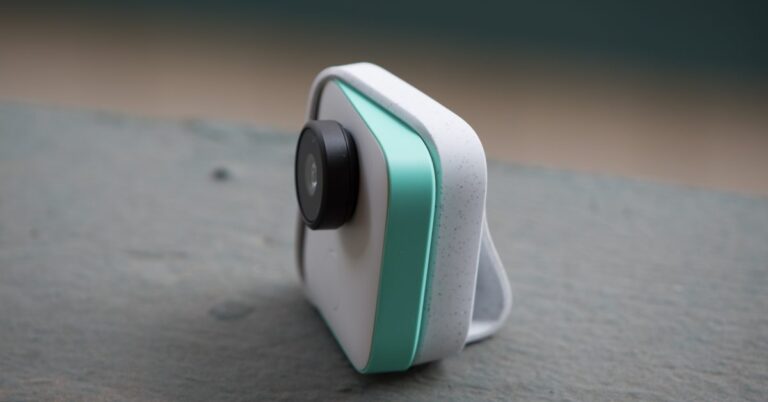
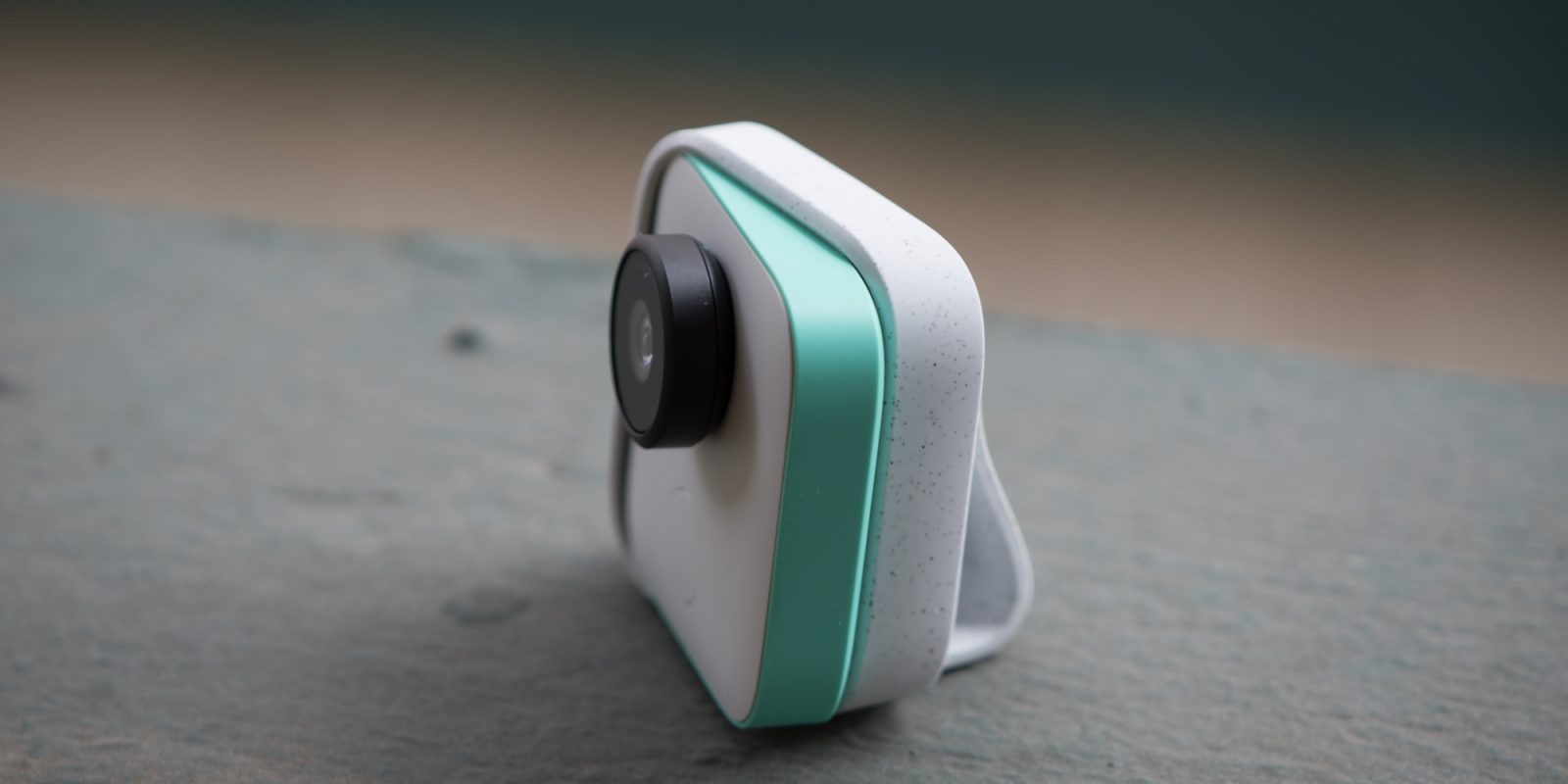
Remember Google Clips? The not-quite-a-GoPro that used AI to automatically capture key moments was released at the second Made by Google event, and felt like the company’s penchant for experimental software was going to extend into hardware. 

Google never released another piece of hardware that was quite as Googley, but I sometimes wish they had. Made by Google has been more staid since then, and I think we’re in an especially conservative period now. I think an earlier Google would have already released a flip-style foldable. On the smart home front, they would have brought the latest Nest Learning Thermostat to Europe and kept making Nest Protect alarms. 

Made by Google product categories today include: Phones, Tablets, Watches, Fitness Trackers, Earbuds, Cameras/Doorbells, Thermostats, Wi-Fi, Speakers/Displays, and Streamers. 

Let’s start with expansions in existing product areas.

Advertisement – scroll for more content

After four generations, it’s time for a more rugged or fitness-focused Wear OS watch. I’m not sure if it should be branded as a Pixel Watch since Fitbit is right there, with “Versa” worth keeping. In terms of functionality, I don’t think it differs too much from what we have today. It’s already telling that Google included emergency satellite capabilities in the PW4. Instead, design is what would set it apart, with a larger case allowing for more battery and possibly additional health sensors that have yet to be miniaturized. 

The next portable Google device with a large touchscreen will most likely be a laptop or 2-in-1 convertible running desktop Android. I don’t think Google tries again with a Pixel Tablet successor that’s primarily a content consumption/entertainment device. I think a Pixel Laptop will nicely complement that upcoming market as a premium offering like the Pixelbook.

(While I’m here, I want to vent about Google abandoning plans to release a pen and keyboard. The Pixel Tablet was clearly not a market success, but canceling those two accessories felt like rubbing salt in the wounds of people who did buy the device, especially when they started selling it without the dock. Those peripherals could have extended the longevity of the Pixel Tablet. It’s also unfortunate that Google never enabled the “Notes Role” on the Pixel Tablet that allows for lockscreen access to a set app. Instead, this feature launched on Lenovo tablets.)

If Google made over-the-ear headphones, I don’t think premium would be the direction they take. Instead, such a device would prioritize comfort and all-day wearability to be an assistive Gemini device. 

In terms of products that I don’t think Google will make, it pains me to say that glasses seem to be off the table for a few generations. Basically, if you’re interested in the form factor this year, just buy what Samsung releases. I don’t see Pixel Glass or Google Lens (perfect branding) until the form factor is more mature. Android XR in the short-to-medium term needs Samsung’s reach.  

Additionally, I don’t think Google will go the route of dedicated AI devices, à la Humane pin or Jony Ive and OpenAI. Google very much believes the next form factor for AI is smart glasses, and that the smartphone paired to it will play an important role for many years to come as the center of your digital life. 

I fully believe that Google has fully developed a Find Hub tag/tracker and just decided not to release it. Early on, I think privacy and brand damage were the primary reasons.


Anyways, my contribution to the list would be a Pixel Bluetooth speaker. Was this piece primarily to complain that every portable offering combines play/pause, next, and last controls into one button? Yes, yes it was. (What’s even worse is how Ultimate Ears speakers don’t even let you triple tap to go back.) 

Beyond that, I’d hope such a device supports Google Cast on battery power so you can set it up anywhere, while contact-based or wireless charging is a must. I think Google would have fun designing a Home-y object. 

FTC: We use income earning auto affiliate links. More.


Source link