India has ordered Elon Musk’s X to make immediate technical and procedural changes to its AI chatbot Grok after users and lawmakers flagged the generation of “obscene” content, including AI-altered images of women created using the tool.
On Friday, India’s IT ministry issued the order directing Musk’s X to take corrective action on Grok, including restricting the generation of content involving “nudity, sexualization, sexually explicit, or otherwise unlawful” material. The ministry also gave the social media platform 72 hours to submit an action-taken report detailing the steps it has taken to prevent the hosting or dissemination of content deemed “obscene, pornographic, vulgar, indecent, sexually explicit, pedophilic, or otherwise prohibited under law.”
The order, reviewed by TechCrunch, warned that failure to comply could jeopardize X’s “safe harbor” protections — legal immunity from liability for user-generated content under Indian law.
India’s move follows concerns raised by users who shared examples of Grok being prompted to alter images of individuals — primarily women — to make them appear to be wearing bikinis, prompting a formal complaint from Indian parliamentarian Priyanka Chaturvedi. Separately, recent reports flagged instances in which the AI chatbot generated sexualized images involving minors, an issue X acknowledged earlier on Friday was caused by lapses in safeguards. Those images were later taken down.
However, images generated using Grok that made women appear to be wearing bikinis through AI alteration remained accessible on X at the time of publication, TechCrunch found.
The latest order comes days after the Indian IT ministry issued a broader advisory on Monday, which was also reviewed by TechCrunch, to social media platforms, reminding them that compliance with local laws governing obscene and sexually explicit content is a prerequisite for retaining legal immunity from liability for user-generated material. The advisory urged companies to strengthen internal safeguards and warned that failure to do so could invite legal action under India’s IT and criminal laws.
“It is reiterated that non-compliance with the above requirements shall be viewed seriously and may result in strict legal consequences against your platform, its responsible officers and the users on the platform who violate the law, without any further notice,” the order warned.
Techcrunch event
San Francisco | October 13-15, 2026
The Indian government said noncompliance could lead to action against X under India’s IT law and criminal statutes.
India, one of the world’s biggest digital markets, has emerged as a critical test case for how far governments are willing to go in holding platforms responsible for AI-generated content. Any tightening of enforcement in the country could have ripple effects for global technology companies operating across multiple jurisdictions.
The order comes as Musk’s X continues to challenge aspects of India’s content regulation rules in court, arguing that federal government takedown powers risk overreach, even as the platform has complied with a majority of blocking directives. At the same time, Grok has been increasingly used by X users for real-time fact-checking and commentary on news events, making its outputs more visible — and more politically sensitive — than those of stand-alone AI tools.
X and xAI did not immediately respond to requests for comment on the Indian government’s order.
Samsung is arguably the 800-pound gorilla of CES, with a full spectrum of products that range from phones and computers to refrigerators, AI assistants and rolling robots. But for CES 2026, the company is switching things up a bit: Instead of its longtime midday Monday press conference, the Korean giant will take the lead of the show with a Sunday night presentation.
Over the past few weeks, Samsung has been dropping hints about what’s on the agenda, but what we’re really hoping to see is an update on the Ballie robot — a star of previous CES presentations that ostensibly missed its previously promised 2025 release date.
How to watch Samsung’s “The First Look” presentation at CES 2026
The event will stream live from the Wynn Hotel in Las Vegas on Sunday, January 4 at 10PM ET. There are several ways to tune in: you can watch via the Samsung Newsroom, Samsung Electronics’ official YouTube channel or via Samsung TV Plus. (We’ll embed the stream here once it appears on the channel.)
What to expect from Samsung at CES 2026
Keynote speaker TM Roh, the CEO of Samsung’s Device eXperience (DX) Division, will discuss the company’s plans for the new year and beyond, which will (of course) include “new AI-driven customer experiences,” the company said in a press release. In addition, we’ll hear from the President and Head of the Visual Display Business, SW Yong and Executive Vice President and Head of Digital Appliances Business, Cheolgi Kim. Those two will “share their respective business directions for the upcoming year.”
But if you’re looking for more specifics, Samsung is following its “Advent calendar” approach to early CES announcements, with new press releases dropping nearly every day. So far, we know that — like competitors LG and Hisense — the company will be offering details on a line of micro RGB TVs (replete with confirmed screen sizes of 55 to 115 inches). Also confirmed: a full line of appliances infused with what Samsung calls Bespoke AI. Samsung will also display its two newest speakers, Music Studio 5 and 7, at CES this year. Additionally, it’ll debut its latest Freestyle+ portable projector.
Just before the holidays, Samsung also unveiled a slew of new gaming monitors, but most impressive is the Odyssey gaming monitor. It boasts a 32-inch 6K screen and has glasses-free 3D. It’s likely we could see this at CES, along with other models like the 27-inch Odyssey G6 and the Odyssey G8 models.
Samsung will likely continue to map out its CES plans in greater detail as the January 4 event approaches, so we’ll keep updating this story as it does.
Waymo autonomous vehicles date back to Google’s self-driving car project that started in 2009. As of today, you can get a ride in five cities across the US.
Where Waymo is available
Using the Waymo app on Android and iOS, you can hail a ride in Phoenix, San Francisco Bay Area, and Los Angeles. Check out the service maps below:
It’s also available in Atlanta and Austin through a partnership with Uber using their usual app. To set up, go to the Uber app > Account tab > Settings > Ride Preferences > Autonomous Vehicles and toggle Waymo. This lets you match with these cars when requesting UberX, Uber Green, Uber Comfort, or Uber Comfort Electric. Afterwards, select “Accept ride” and upon arrival unlock the car using the Uber app.
At the moment, Waymo makes use of a white Jaguar I-Pace with various sensors all around the vehicle. There’s also a dome at the top that displays your initials upon arrival.
Advertisement – scroll for more content
Upcoming Waymo cities
Waymo, which is part of Google parent company Alphabet, has announced expansions to:
Dallas, TX — 2026
Denver, CO
Detroit, MI
Houston, TX
Las Vegas, NV
Miami, FL — 2026
Nashville, TN — 2026 with Lyft
Orlando, FL
San Antonio, TX
San Diego, CA
Washington, DC — 2026
As of note is the first international expansion to London in 2026.
Autonomous testing is also being conducted in the following cities ahead of future availability:
Baltimore, MD
Buffalo, NY
Boston, MA
Minneapolis, MN
New Orleans, LA
New York, NY
Philadelphia, PA
Pittsburgh, PA
Seattle, WA
St Louis, MO
Tampa, FL
Tokyo, Japan
New features
The My car tab now lets you Adjust legroom alongside the other Cabin controls: Temperature and A/C. Your options are Rear, Distributed, or Front.
A violinist is suing Will Smith after accusing the actor of firing him for reporting sexual assault while on his 2025 tour.
Brian King Joseph is suing Smith and his company, Treyball Studios Management for wrongfully terminating him after an incident in Las Vegas in March last year while on the rapper’s “Based on a True Story 2025 Tour,” USA TODAY reported.
According to Joseph’s civil complaint filed on Dec. 31 in a Los Angeles court, the musician claims that he returned to his hotel room, booked by Smith’s company, to find someone had entered his room and left a sexual message, wipes, a beer bottle, HIV medication with another person’s name on it and hospital discharge paperwork belonging to someone else.
The note read: “Brian, I’ll be back no later [sic] 5:30, just us [drawn heart],” and was signed “Stone F,” USA TODAY said.
Joseph feared that “an unknown individual would soon return to his room to engage in sexual acts,” the complaint states according to NBC News.
He then reported the incident to hotel security, Smith’s representatives and police, the complaint reads. However, a representative for Smith then blamed him for the incident and said he was being terminated.
Joseph’s complaint called the evidence a “sexual threat of violence” and states that Smith “was deliberately grooming and priming Mr. Joseph for further sexual exploitation,” while on the global tour, PEOPLE wrote.
Additionally, the complaint states that the incident caused Joseph “severe emotional distress, economic loss, reputational harm, and other damages,” including “PTSD and other mental illness as a result of the termination.”
Smith’s attorney Allen B. Grodsky told PEOPLE in a statement on Jan. 1 that “Mr. Joseph’s allegations concerning my client are false, baseless, and reckless… They are categorically denied, and we will use all legal means available to address these claims and to ensure that the truth is brought to light.”
Arya.ag, an Indian agritech company offering storage facilities near farms and offering lending services to hundreds of thousands of farmers, has drawn investor interest and remained profitable even as global crop prices continue to fall in a volatile commodities market.
The investor interest has taken shape in the latest all-equity Series D round from GEF Capital Partners, totaling $81 million, of which more than 70% was primary capital and the rest secondary share sales, according to the company.
Globally, agricultural commodity prices are falling. Risks from extreme weather, input costs, trade disruptions, and biofuel policy shifts continue to weigh on agricultural markets, the World Bank has warned. This leaves businesses exposed to price swings and inventory losses. Nonetheless, Arya.ag says it is navigating the worst of that strain by steering clear of direct commodity bets and using a model that it says helps absorb shocks from downward pricing shifts.
Founded in 2013 by former ICICI Bank executives Prasanna Rao, Anand Chandra, and Chattanathan Devarajan, Arya.ag is built around a simple idea: giving farmers more control over when and to whom they sell their crops. The Noida-based startup offers storage close to farms while allowing farmers to borrow against warehoused grain to meet immediate cash needs and connecting them with a wider pool of buyers — from agri-corporations to processors and millers — helping them avoid the pressure to sell just after harvest, when prices are often weakest.
The company operates at scale, which sets Arya.ag apart from traditional lenders, banks, and other agribusiness platforms. The startup says it aggregates and stores about $3 billion worth of grain each year — roughly 3% of national output — and facilitates around $1.5 billion in loans annually, while keeping its rate of bad loans (known as gross non-performing assets, or NPAs) below 0.5% despite the recent drop in prices.
Arya.ag lends only a portion of the value of stored grain and tracks prices closely, triggering margin calls when required rather than taking losses itself, Rao said. Borrowers can respond by repaying part of the loan or adding more grain as collateral.
“You’re not immune to risks,” Rao told TechCrunch. “But because your lending is completely secured against commodities, it will never happen that the prices will fall by 90%. You already have a margin of 30%, and with your mark to market, you’ve been able to control your NPAs and defaults.”
Techcrunch event
San Francisco | October 13-15, 2026
In the year ended March 2025, Arya.ag generated net revenue of ₹4.5 billion (around $50 million), with first-half revenue in the current financial year rising about 30% from a year earlier to ₹3 billion ($33.3 million). Profit after tax stood at ₹340 million (about $3.78 million) last year, and has risen a further 39% so far this year, Rao said.
Arya.ag Co-founder and CEO Prasanna RaoImage Credits:Arya.ag
Arya.ag says it now reaches between 850,000 and 900,000 farmers across 60% of India’s districts, operating through a network of about 12,000 agricultural warehouses, all leased from third parties. The startup generates revenue from farmers for storage, from banks for originating loans against stored grain, and from buyers for facilitating crop sales through its platform.
Storage remains the largest contributor, accounting for about 50–55% of total revenue, while finance contributes 25–30% and the rest comes from commerce, Rao said.
Arya.ag disburses more than ₹110 billion (about $1.2 billion) in loans to farmers each year through its platform. Between ₹25 billion and ₹30 billion (roughly $278 million–$333 million) of that comes from its own balance sheet via its non-banking finance arm, Rao said, with the rest originated for partner banks.
Arya.ag’s loans carry interest rates of about 12.5% to 12.8%, well below the 24% to 36% typically charged by commission agents, Rao said, though higher than bank lending rates of around 11% to 12%. He added that banks generally do not lend in the small, local markets close to farming areas that Arya serves, where loan sizes are a fraction of typical bank tickets and borrowers are often located far from formal branches.
The startup approves loans in under five minutes with disbursements handled almost entirely digitally, Rao said.
Technology plays a central role in how Arya.ag manages risk and scale. The startup uses AI to assess grain quality for lending decisions, satellite data to track crop stress before harvest, and airtight, sensor-enabled storage bags that allow farmers to store grain for extended periods even in villages without formal warehouses.
Arya.ag plans to use the fresh capital to scale its tech deployments further, including expanding smart farm centers and deploying more digital tools closer to farms. Part of the investment, Rao said, will also go toward strengthening the startup’s blockchain-based system that digitally tracks stored grain, allowing crops used as collateral or sold through the platform to be monitored across lending and trade transactions, alongside continued investment in storage and credit infrastructure.
With the latest capital infusion and improving profitability, Arya.ag is aiming to be IPO-ready in the next 18 to 20 months, Rao said.
Beyond India, Arya.ag plans to expand selectively through a software-led model, with some of its technology already deployed in parts of Southeast Asia and Africa. The startup has a headcount of over 1,200 full-time employees.
Avendus advised Arya.ag for the new financial round.
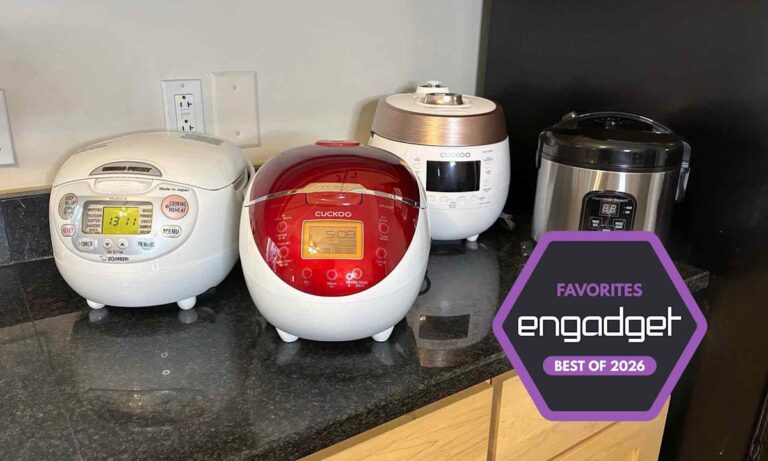
Capacity (cups): 6 cups (uncooked) / 12 cups (cooked) | Features: Twin pressure cooking (high and soft); 14 menu options including GABA rice, porridge, and scorched rice; nonstick inner pot; auto-clean function; voice navigation in English, Korean, and Chinese | Warranty: 1 year limited | Weight: 12.6 pounds
This higher-end Cuckoo model delivered the best batches for all three grains of rice. Not only did it make damn good rice, it delivered in record time thanks to its pressurized cooking option. The Japanese-style white rice took a mere 29 minutes. The brown rice had a perfectly firm texture, a beautifully nutty flavor and no trace of stickiness — all cooked in just 43 minutes. I used the non-pressurized mode for the basmati round and that still only took 37 minutes. And that was just the presets; you can also customize to your tastes.
But I’ll be honest, I have some reservations about recommending this model. Both the white and brown rice had some crisping on the bottom during my testing. It’s not clear if this is the “melanoizing” effect described in the manual, or just a factor of the high pressure mode. For a half-hour cook time, I can overlook that. For a $260 price tag, I’m less forgiving.
I also ran into some issues of practicality. Like the red Cuckoo Micom model, the lid springs open hard enough to rock the entire unit, and this one was also the most difficult to clean. There are extra rubber gaskets in the lid that have to be thoroughly cleaned and dried before the next use. And the rubber handle for detaching the main lid surface was useless; I had to pry the thing off by the edges. I wouldn’t mind that with a less expensive appliance, but for something this high-end, those little touches make a difference.
Finally, I don’t suggest this model for an average cook because this appliance is downright intimidating. Cuckoo had the most difficult to parse manuals, with some details possibly lost in translation, and its menu settings were oddly convoluted. For instance, I managed to switch the voice alerts to English (yes, there are very chipper and slightly obnoxious voice alerts), but I had to watch a YouTube video to figure out turning them off completely.
So while this was without a doubt my best-performing model purely in terms of food, it demands a lot of its owner. Unless you have serious expectations of your rice, expect to use the machine on a near-daily basis and are willing to tackle the learning curve, this appliance is probably not worth the cost. But if you are that person, you’ll be thrilled with your investment.
The Nothing Phone series has delivered some of my favorite phones of the past few years, with a refreshing but familiar take on Android and smartphone hardware in general, and it’s all culminated in the Nothing Phone (3). I think it’s safe to say this was one of the most polarizing phones of 2025, and it’s also one that I think will serve as a bit of a make-or-break moment for Nothing.
First things first, why is this review so late? Put frankly, Nothing launched Phone (3) at a terrible time. The announcement came just barely a week prior to Samsung’s Galaxy Z Fold 7 launch and, well, we’re just humans over here. So rather than rush out a review, we opted to offer some early impressions and shelve this one for a few months and, now that Nothing Phone (3) has picked up its Android 16 update and its latest budget brethren are on the horizon, it feels like a fitting time to circle back.
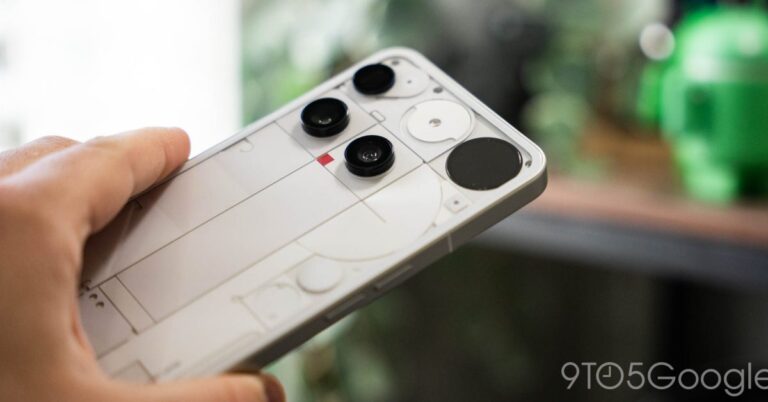
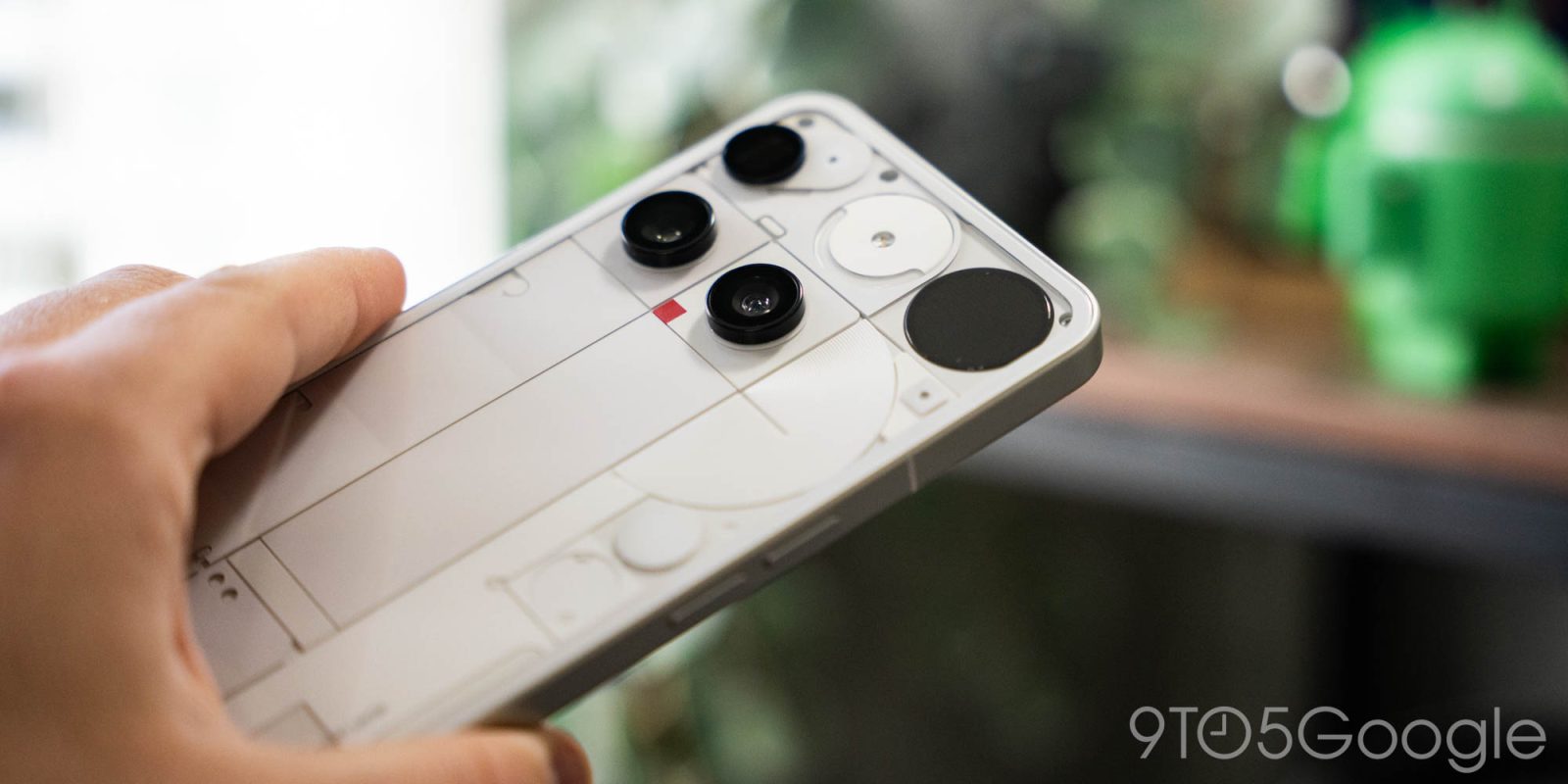
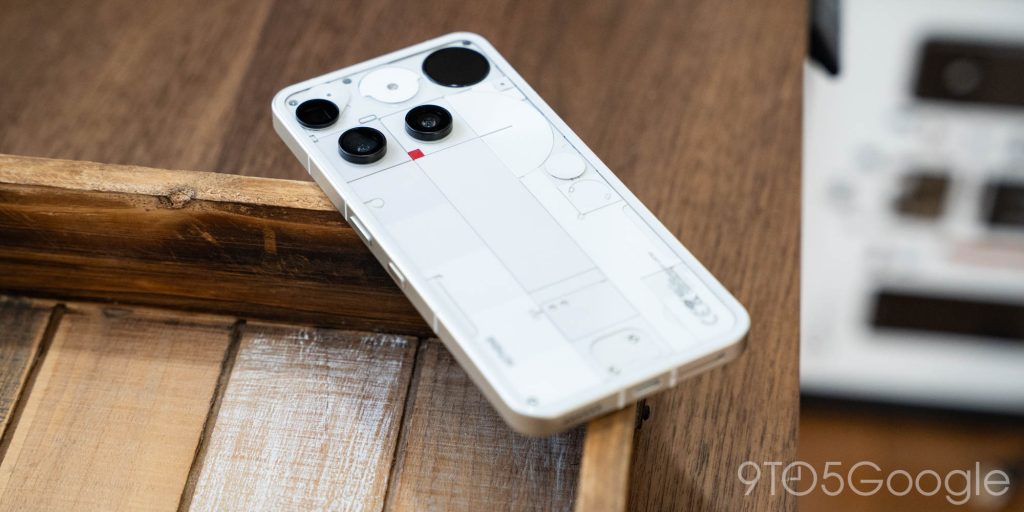
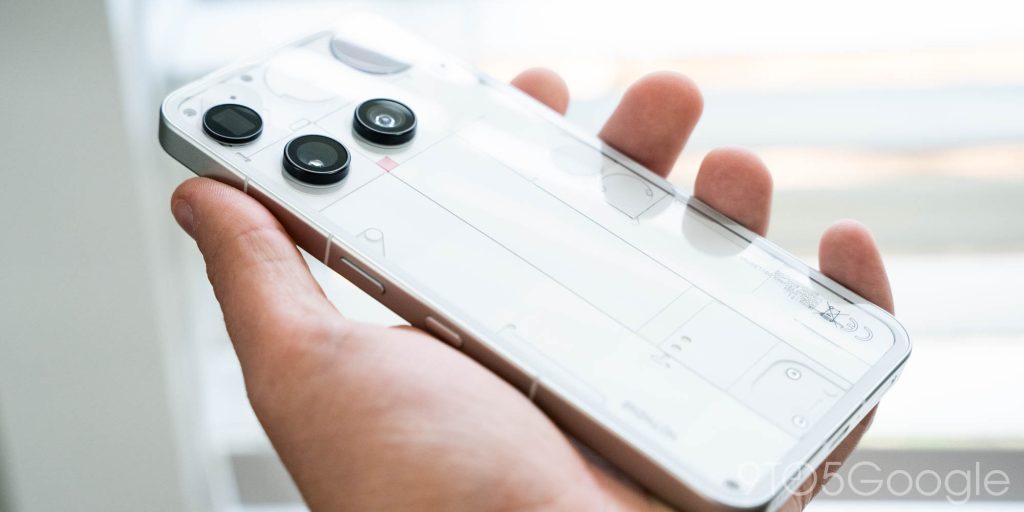
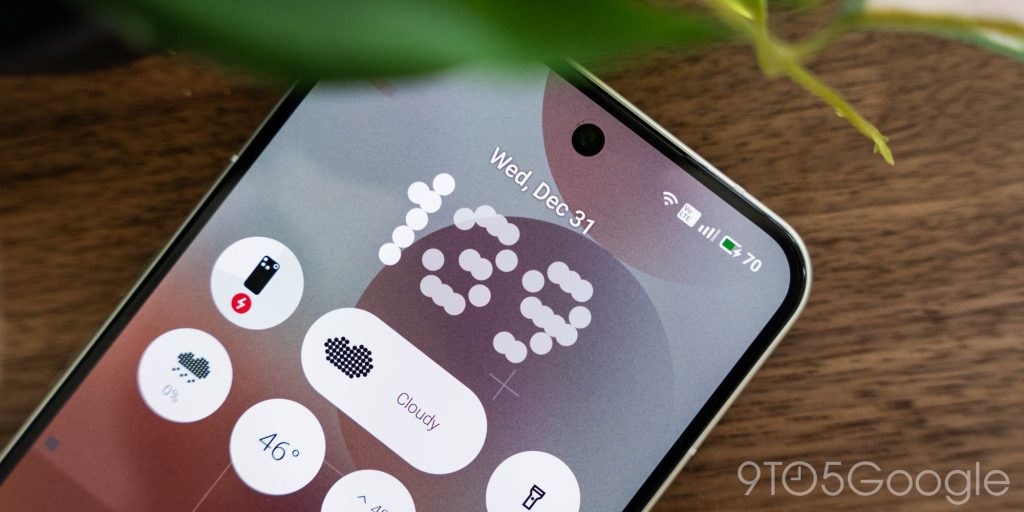
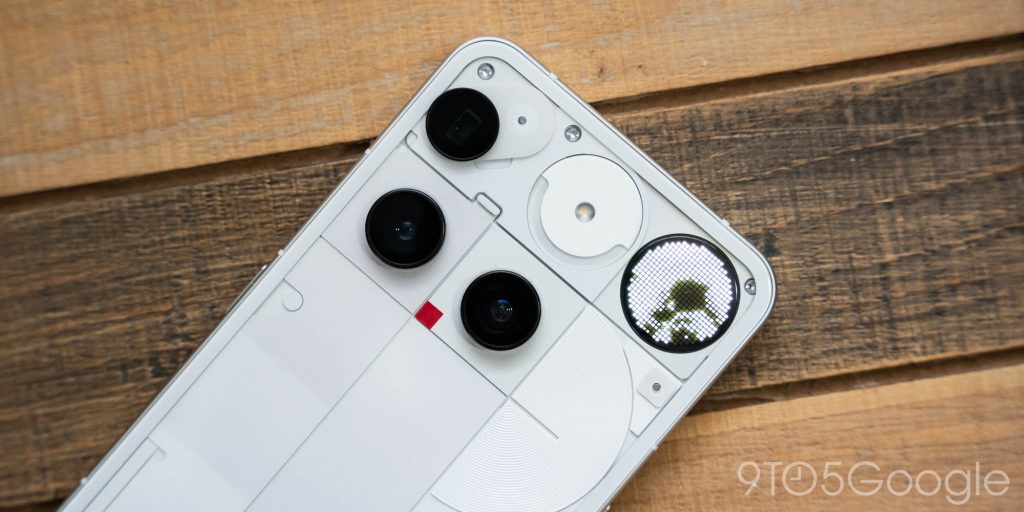
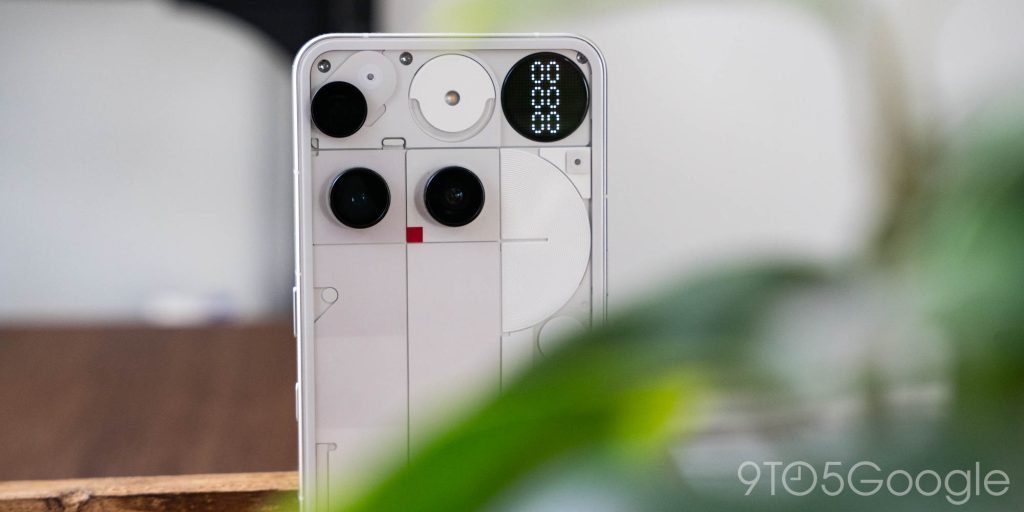
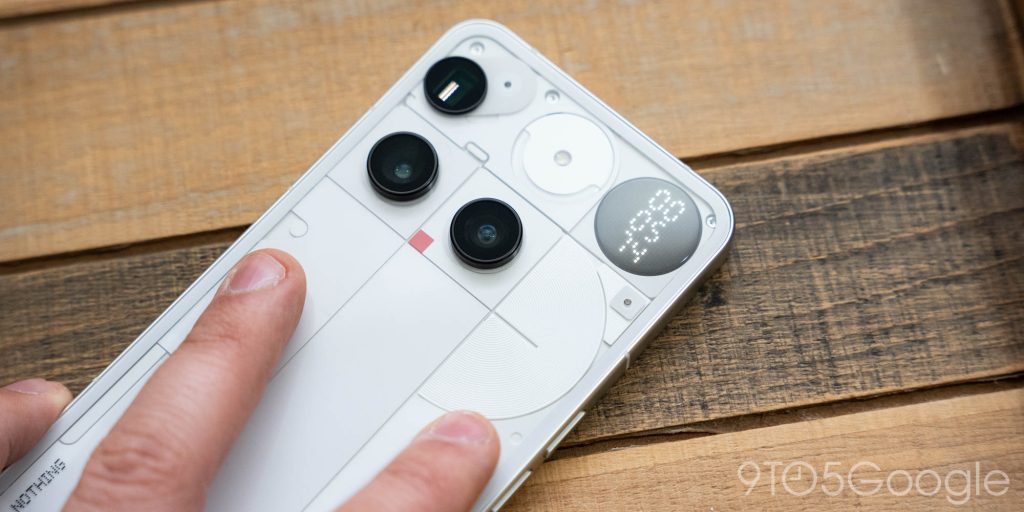
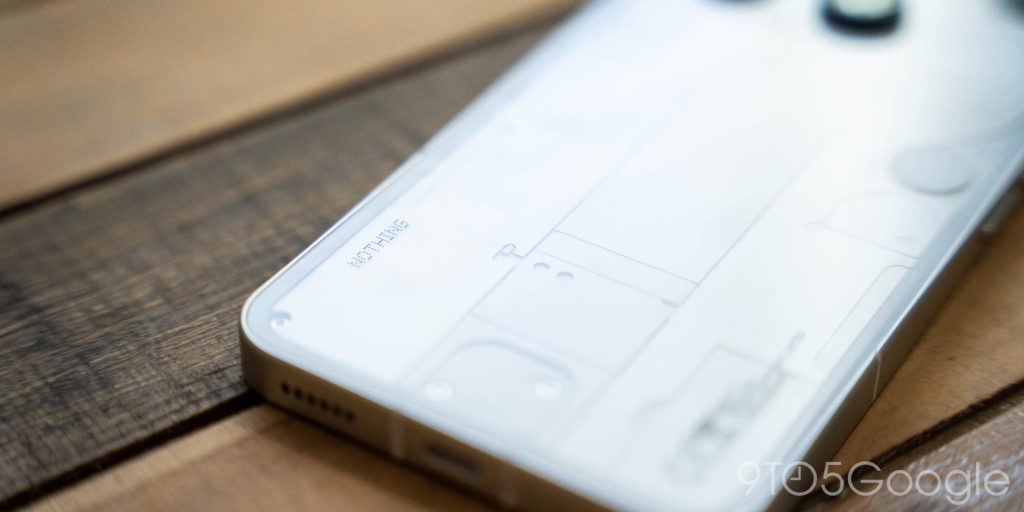
As I said in our first impressions, the hardware is the most divisive part of the Nothing Phone (3), and that’s not something that’s changed with time. I’m a fan at best, indifferent at worst to Nothing’s aesthetic, the styling here just boils down to unique. The camera placements and transparent design I think mostly work, they’re just unorthodox. The design really just boils down to what you like or don’t, but the far more important thing is the feel in the hand. On the bright side, the matte metal rails of Phone (3) are something I think the design gets right. It’s grippy and instills confidence in the grip without a case, and at least partially makes up for the glossy glass finish on the back that I’d otherwise loathe. Please Nothing, keep trying out that frosted effect.
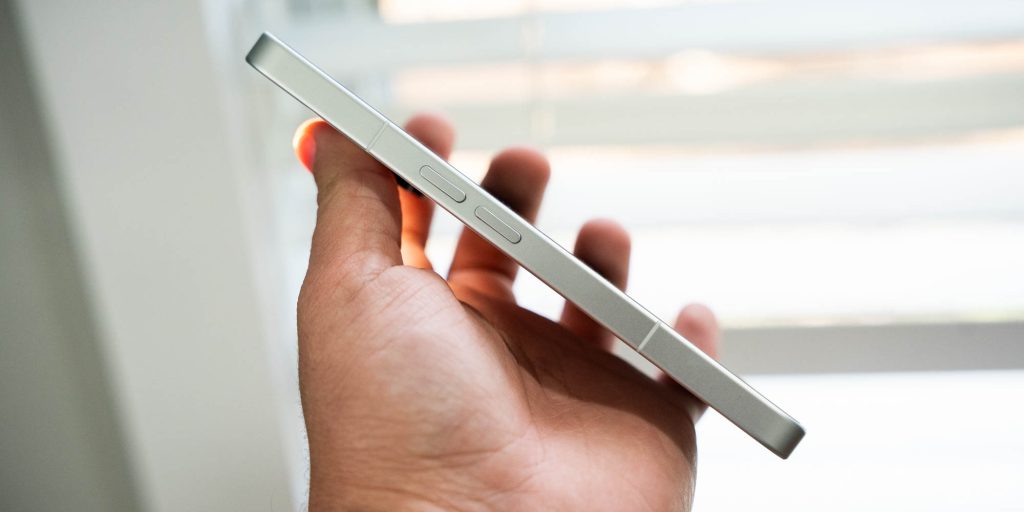
Another knock for me on the hardware side of things is the Essential Key on the side. Between the couple of weeks this was my daily driver back in July, the on and off usage in the months since, the weeks I spent on the similarly-designed Phone (3a) series, and the more recent month I’ve been using this phone daily again, the button confusion shouldn’t be a thing anymore, but man, that button is just flat out annoying. The placement of the button directly below the power key just feels out of place, especially combined with the split-sides button layout Nothing felt compelled to use after looking at an iPhone. In my book, just finish the job. Nothing should have placed this additional key above the volume keys, far from the power button. It only makes sense, especially with how the Essential Key is actually used.
Advertisement – scroll for more content
So, let’s talk about “Essential Space.”
What started as Nothing’s first AI tool has sprouted into a whole vision of the future of smartphone software. We’ll have to wait and see how all that develops, but there are some elements we can experience today, starting with Essential Space.
Essential Space is designed to be a catch-all for everything, letting you combine screenshots, photos, voice notes, and more into one place where AI helps you manage it all. It’s a great idea and, when you learn to use it, can work well. But I’ll be honest here, I really struggled to integrate this one into my life.
There were a few reasons for this, including that Essential Space is still pretty not-good at “automating” anything. It can take a note or reminder request and make a task, but it often forgets to tell you to do anything with that task. Most of the time, it just analyzes your screenshot or note, comes up with a cheeky little summary sentence, and sits there waiting for you to do something with it. It has the same problem as Pixel Screenshots, in that Essential Space collects a lot of data and analyzes it, but then neglects to give me enough to do with that information and eventually gets cluttered to the point where I just stop using the app entirely. And, just like with Google’s version, that took about a week of using Nothing Phone (3) to happen.
But my main problem with it is that it’s just way too restrictive.
Essential Space works in exactly one place – your phone. Want to record a quick voice note using your watch? Nope. Want to check on your AI-generated reminders from your laptop? Nope. Our smartphones may be central to our lives in 2026 – last year just flew by, huh? – but nothing should be built for a single-device lifestyle anymore. Almost everyone ends up using at least two devices in some capacity, and if Essential Space really wants to be essential to a daily workflow, it needs to adapt to that. Even if it’s as simple as just building a web app I can access from a computer, tablet, or secondary phone (work phones are a thing), that’d be a huge step in the right direction. Until that happens, Essential Space will remain more of an annoyance than it will be helpful, and I’ll just end up continuing to use Gemini, which works everywhere, for all of the same tasks.
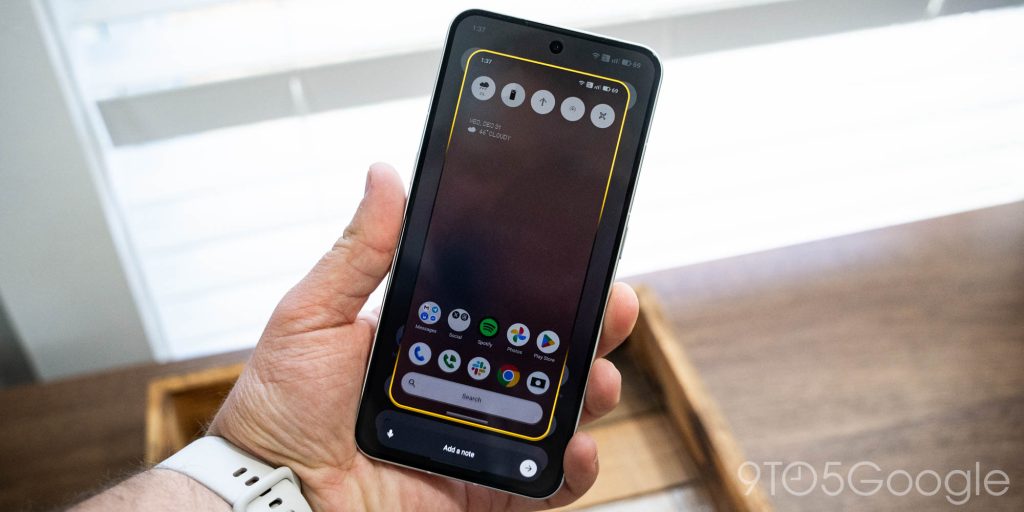
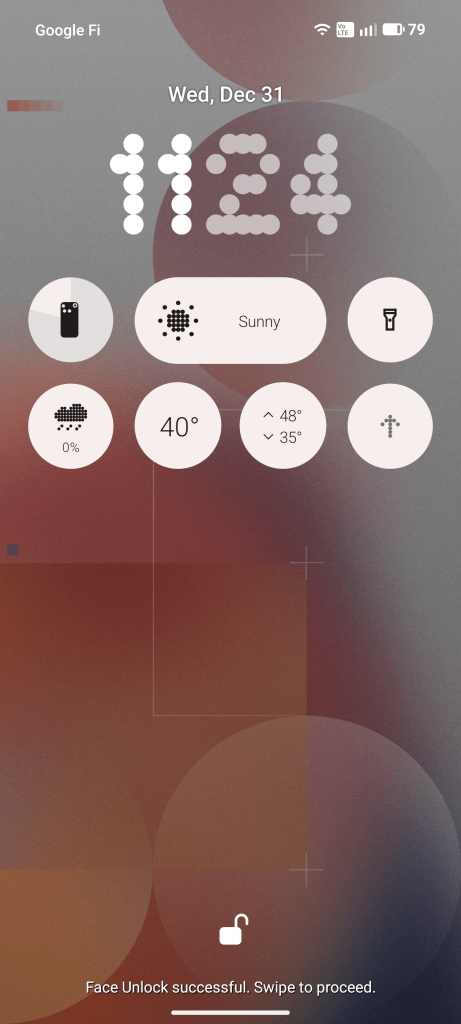
That said, while I consider Essential Space an overall downside to Nothing’s experience, I still the company credit when it comes to its take on Android. Nothing OS 4.0, based on Android 16, might be one of the best experiences outside of the Pixel.
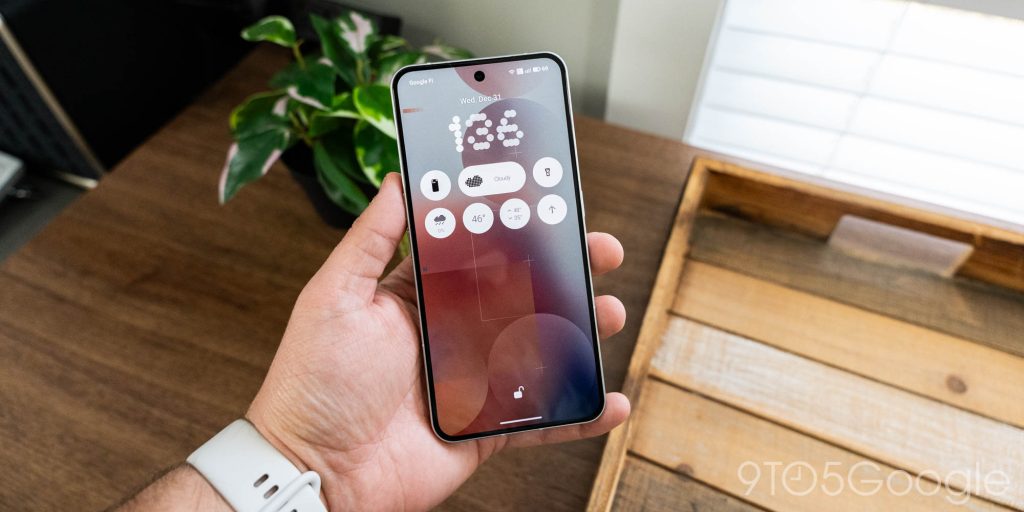
Everything runs smooth and fast and works as it’s supposed to. Little shortcuts like accessing notification history work, and Nothing’s approach to biometrics creates a mostly seamless experience, just like how Pixel handles it. The Quick Settings are clean, easy to edit, and have some thoughtful additions like the ability to see your most recent Bluetooth devices within the Bluetooth toggle by swiping. Nothing’s largely black and white aesthetic takes away from Material 3 Expressive, but you can also feel Google’s design language hidden away within Nothing’s. Where every other Android brand is just copying Apple and ignoring the underlying platform they’re using – I’m looking at you Samsung – Nothing is building its own look and feel in a way that doesn’t try to throw out the ecosystem it has to live in.
As far as performance goes, it’s perfectly fine. Nothing made a mistake calling this a “flagship” before revealing it was powered by a second-tier Snapdragon chip (the Snapdragon 8s Gen 4), but it works fine in practice. In day-to-day use, it feels largely like a Pixel. More than fast enough in 99.9% of things, but with an occasional hiccup here or there. That’s honestly no different from using a Samsung phone. Where Qualcomm’s flagship chip has more raw horsepower in other phones, the software will end up stopping you from being able to enjoy that full power more often than not. That’s just not the case here.
Something else I’ll give some kudos around is the battery life. Nothing Phone (3) packs a 5,150 mAh battery with 65W wired fast charging and, oh man, it might be one of the best parts of this phone. This is a phone that gets rid of battery anxiety. Within reason, I haven’t killed it in a day. You can surely do that by playing games for hours or spending the whole day with your screen on, but if you use it like a normal person, you’re probably not going to go to bed without any power left in the tank. Most days, I’m ending the day with around 30-45% left with 4-6 hours of screen time. Again, it all varies by the day and what I’m doing, but it’s really solid battery life.
My one request for next time? Qi2. The Pixel 10 series has spoiled me in this regard, and now that Nothing has (hopefully) found out that it doesn’t cost $10 million to add Qi2 to an Android phone, I really want magnets in the next generation. Nothing is also just quirky enough that I think we’d get some really fun and clever accessories taking advantage of Qi2.
The display on Nothing Phone (3) is perfectly acceptable. The FHD+ panel is not stunning, nor perfect, but it’s good. I’ve never had complaints using it in broad daylight, nor do I have any trouble getting it low enough to use in an otherwise dark room. At this point, it’s hard to find a display that’s “bad,” but it’s also not hard to find the ones that stand above the pack. The displays found in the latest Galaxy flagships, iPhones, and Pixels are definitely better than what you’re getting in Phone (3), but I also never felt like the display was actively taking away from my experience.
The speakers, on the other hand, are another story. They’re middling at best. The speaker is surprisingly loud, but it doesn’t sound very good at the highest volumes, and I find that it’s really hard to keep it quiet – in other words, the lowest setting isn’t low enough. Some tuning would definitely help in this department.
The cameras on Nothing Phone (3), like many other aspects, are also perfectly fine. The quartet of 50MP sensors all get the job done, though I’m never really finding myself blown away. Processing is fast, colors are usually rich, and video is perfectly fine too. My main note of criticism is that results often feel a bit soft, with details that feel as though they should be crisper.
I could go on, but if a picture is worth a thousand words… see below.
Sample images captured between July and December 2025
For another point of kudos, I really like Nothing’s Camera app. It’s well designed and easy to use. Simplicity reigns in all things photography for me, and Nothing nailed it.
Finally, let’s talk about Glyph.
Gone are the iconic lights found on past Nothing Phones, with the “Dot Matrix” display in the top right corner of Phone (3) taking their place. Nothing really figured out what to do with Glyph in the past, with it being a definite gimmick more than anything else. This time around, having a display opens up a lot more possibilities, but it still very much feels like a gimmick.
The “Dot Matrix” is used to show “Glyph Toys,” or miniature apps that you’ll interact with through a pressure-sensitive “button” on the back of the phone. These can include stopwatches, “Spin the Bottle,” and more. The idea is good, but the implementation is what ruins it for me. The “button” is not intuitive, with a single press turning on the display and moving between apps, and then a long-press actually interacting with the app you’re on. This feels backwards, and often just leads to some frustration when I’m trying to use the app. For instance, in a counter app that I thought might actually be a good use for this (especially with the haptic feedback), the long-press kills the flow of using it. The same goes for Nothing’s built-in stopwatch.
The only “Toy” I ended up actually using was the “Glyph Mirror,” which is a dot matrix view from the rear camera which you can use to take a selfie. Again, good idea, but it’s so low-resolution that it’s effectively useless. You can hardly tell what’s in the frame, and again, the long-press ruins it because it means changing my grip and, nine times out of ten, giving me a blurry photo as a result.
After so many iterations without finding an idea that actually works, I’m really wondering if it’s time to throw in the towel on Glyph. Lights are fun, keep those around, but it’s definitely time to just let a gimmick be a gimmick.
Final Thoughts
To say 2025 was a big year for Nothing is an understatement. Between a “flagship” revival, a heavy AI push, and new audio form factors, this past year has been a big deal.
And, like every other brand that started with an enthusiast focus, it’s also the year we saw the inevitable “betrayal.”
The biggest example of that was the budget-focused Nothing Phone (3a) Lite, which debuted super sketchy lockscreen “ads,” but it was surrounded by all of these overhyped announcements like calling Phone (3) a “true flagship” ahead of its release.
I still think that, at its core, Nothing is pretty good at making smartphones. Nothing Phone (3) is, as the sum of its parts, a good phone, just like the Phone (3a) series proved earlier this year. And the company’s vision for AI, while a little ambitious, definitely has some potential. But Nothing needs to take a step back and make a course correction. If Phone (3) proves anything, it’s that being “different” just for the sake of it doesn’t sell phones, and neither does overhyping a product prior to its release.
At the end of the day, I think that was the biggest mistake with Phone (3). Overhyping the actual product combined with the final price of $799 just led to an immediate negative view of the device. After using it for the past few months, I actually think it’s a pretty good option for its price. Compared to the base Pixel 10 at the same price, you’re getting better battery life, a bigger screen (assuming you want it), and a roughly equivalent package in terms of cameras. It all comes down to personal preferences around size, software, and features.
As mentioned at the outset, though, this really feels like the make-or-break moment for Nothing. Phone (3) was pretty clearly not a hit, and time hasn’t given it a second wind. So while 2025 was a big year for Nothing, 2026 is going to be even more important. What do you think will happen?
Halfway through the year, a New Hampshire casino player won one of the casino’s largest jackpots in 2025.
On Aug. 1, a player at The Brook won $102,000 playing the slot machine game “Smokin Hot Stuff Wicked Wheel.”
The Seabrook, New Hampshire casino has 700 slot machines and more than 45 table games.
Another big prize was won at the casino on Dec. 5 when a player won $51,000 playing “Mystery of the Lamp.”
Earlier this year, the casino announced a 24,000-square-foot expansion and renovation to keep its tagline of being “America’s largest charity casino,” according to the New Hampshire Business Review.
Outdoor fire pits, a new restaurant and new parking lots are expected.
The casino raised $11 million for more than 100 charities in 2024, according to CDC Gaming. And it has donated nearly $30 million since 2019. As a charity casino, a percentage of all games of chance and historical horse racing revenue is allocated to local organizations.
Some of the charities that have received money include Angel Flight NE, Make-A-Wish New Hampshire and Seacoast Mental Health Center.
“I hope we’ve built something special here at The Brook, where every game played funds and fuels essential community service organizations,” The Brook CEO Andre Carrier said in a statement to CDC Gaming. “Our work isn’t just measured in dollars or visitors but in the possibilities and resources it helps provide our community and state.”
For those who need help with responsible gaming, call the helpline at 1-800-327-5050 or go to GameSenseMA.com.
If you purchase a product or register for an account through a link on our site, we may receive compensation. By using this site, you consent to our User Agreement and agree that your clicks, interactions, and personal information may be collected, recorded, and/or stored by us and social media and other third-party partners in accordance with our Privacy Policy.
This year, Apple released three new Apple Watch models: the Apple Watch Series 11, Apple Watch SE 3, and Apple Watch Ultra 3. Whether you’re looking to get one for yourself, buying a last-minute holiday gift, or exploring the different models, we can help point you in the right direction.
With its $799 price tag, the Apple Watch Ultra 3 is clearly aimed at a niche, high-end market and athletes. For most consumers, the purchasing decision likely lies between the Apple Watch SE 3 and the Apple Watch Series 11, starting at $249 and $399, respectively.
Despite its lower price tag, the Apple Watch SE 3 comes with much of the same software as the Series 11. If you’re looking for a straightforward smartwatch with essential features like step counting and sleep tracking, the SE 3 is an excellent and affordable choice.
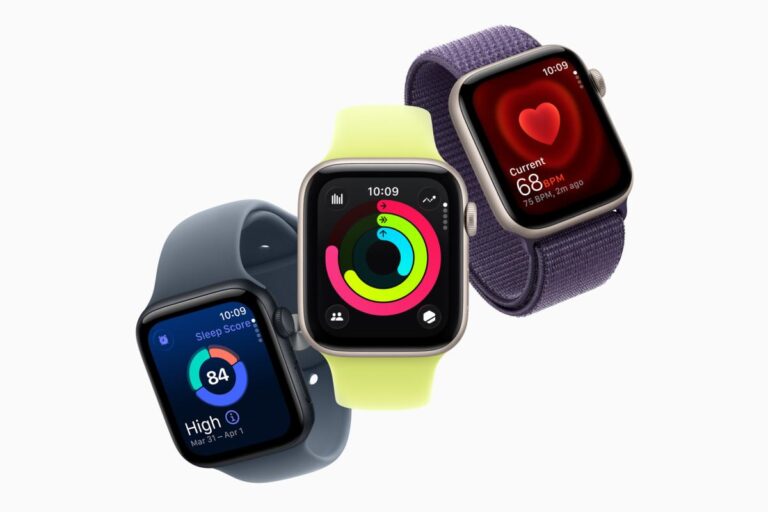
While the Series 11 and Ultra 3 offer modest improvements over their predecessors, the SE 3 has received a significant upgrade from the SE 2. The smartwatch jumps from the S8 chip to the S10 and now features an always-on display, supports fast charging, offers better crack resistance, introduces new health features, includes a wrist-temperature sensor for advanced sleep tracking and retrospective ovulation insights, and more.
Image Credits:Apple
Although it’s not as flashy as the Series 11 and Ultra 3, it definitely stands out and packs great value, especially for first-time buyers and younger users. The gap between the standard and budget smart watches has never felt smaller.
Of course, if you want access to more advanced health features, better battery life, and a larger display, the Series 11 would be the better option for your needs. But, it’s worth comparing both models because the SE 3 might be all you need.
We’ll walk you through the similarities and differences between the two smart watches to help inform your decision.
Techcrunch event
San Francisco | October 13-15, 2026
Similarities between the Apple Watch Series 11 and Apple Watch SE 3
Image Credits:Apple
S10 chip: Both models come with the same chip, which means there won’t be significant differences in performance.
Always-on Retina display: The watches can display the watch face and time, even when your wrist is down.
Heart health features: Both watches feature high and low heart rate notifications, irregular rhythm notifications, and low cardio fitness notifications.
Wrist flick and double tap gestures: Both models let you do a “wrist flick” gesture to dismiss notifications and timers, and a “double tap” gesture to trigger actions like answering calls or playing music.
Emergency SOS: The watches can quickly call local emergency services, share your location, and notify your emergency contacts once you press and hold the side button.
Fall detection and crash detection: Both watches can automatically alert emergency services and designated emergency contacts when a hard fall or severe car crash is detected.
Water resistant to 50 meters: Both watches can be used for swimming.
Sleep tracking: Both models feature sleep tracking, sleep tracking notifications, and Apple’s new Sleep score, which gives you a number on a scale of 1 to 100 for how well you slept. They both also have temperature sensing, which can provide insight into your well-being by tracking nightly changes in your wrist temperature.
Cycle tracking with retrospective ovulation estimates: The watches can determine when you most likely ovulated in your previous cycle.
Fast charging capabilities: Both watches are fast-charge capable (up to 80% charge in about 30 minutes for the Series 11 and up to 80% charge in about 45 minutes for the SE 3; 15 minutes for up to eight hours of normal use for both models).
Find iPhone: Both watches let you press a button to play a sound on your iPhone to help you locate it. However, the Series 11 does feature “precision finding,” which means it can pinpoint the exact location of your phone.
Differences between the Apple Watch Series 11 and Apple Watch SE 3
Battery life: The Series 11 can last up to 24 hours (28 hours in low-power mode), while the SE can last up to 18 hours (32 hours in low-power mode).
Health features: The Series 11 comes with more advanced health tracking features, including hypertension notifications (detects high blood pressure), an electrical heat sensor, an ECG app, and Blood Oxygen app.
Screen and display: The Series 11 can reach up to 2000 nits, while the SE 3 goes up to 1000 nits. Plus, the Series 11 features a wide-angle OLED, while the SE 3 has a simple OLED display.
Size: The Series 11 is available in 46mm and 44mm sizes with aluminum or titanium cases, while the SE 3 comes in 44mm and 40mm sizes with an aluminum case. Additionally, the Series 11 is almost 10% thinner than the SE 3.
Color: The Series 11 comes in aluminum colors: Jet Black, Silver, Rose Gold, and Space Gray, and titanium colors: Natural, Gold, and Slate. The SE 3 comes in Midnight Aluminum and Starlight Aluminum.
Other smaller differences: The Series 11 comes with a depth gauge to six meters, a water temperature sensor, 1 nit minimum brightness (vs 2 nit minimum brightness on the SE 3), and certified IP6X dust resistance.
While it often feels like a full-on auto show, the car vibes feel somewhat lessened at . Yes, the from the will be back on the floor, but with the Trump administration from the market, the industry isn’t offering a full-court press of new vehicles in Las Vegas this year. That said, there’s still plenty of in-cabin car tech on display, including Hyundai’s .
Indeed, the company’s will present “more than 30 mobility convergence technologies” during CES. And we’ll also get to see Hyundai’s , which will showcase its new Atlas robot fresh out of the lab.
How to watch Hyundai’s presentation at CES 2026
Hyundai’s presentation takes place on January 5 at 4PM ET, and you can livestream it on either its or its . We’ll embed the stream here once it’s available.
What to expect
As mentioned above, Hyundai will have its Holographic Windshield Display for viewing. It’s essentially a next-gen heads-up display that projects key data from the vehicle’s dash on the windshield for less distraction, and without obstructing the driver’s view. It’s a vertically expandable 18.1-inch large display, and passengers can even watch videos without being visible to the driver.
Hyundai Mobis collaborated with German optics specialist Zeiss to develop the “world’s first system to utilize holographic film to transform the entire front windshield into an ultra-large display surface.” It says it will begin mass production in 2029, so don’t expect to see this on the market anytime soon.
Beyond automotive, though, we’ll also get a first-ever look at the company’s new Atlas robot. In the teaser image shown in the press release, Atlas looks rather dog-like, which makes sense when you remember that Boston Dynamics was back in 2020.
“This next-generation Atlas represents a tangible step toward the commercialization of AI Robotics, highlighting the Group’s commitment to building safe and adaptable robotic co-workers,” the company said in the same press release.
Hyundai said it will also discuss its other tech areas, including electronics and chassis system safety, as well as an AR head-up display, low-power display solutions and EV drive systems.