The Federal Trade Commission lost its antitrust case against Meta last year, but the regulator hasn’t given up on its attempts to punish the social media company for its acquisitions of WhatsApp and Instagram. The FTC is appealing a ruling last year in which a federal judge found that the government hadn’t proven that Meta is currently operating as a monopoly.
“Meta has maintained its dominant position and record profits for well over a decade not through legitimate competition, but by buying its most significant competitive threats,” the FTC’s Bureau of Competition Director Daniel Guarnera said in a statement. “The Trump-Vance FTC will continue fighting its historic case against Meta to ensure that competition can thrive across the country to the benefit of all Americans and U.S. businesses.”
The FTC originally filed antitrust charges against Facebook in 2020 during President Donald Trump’s first term in office. The government argued that by acquiring apps it once competed with, Instagram and WhatsApp, the company had depressed competition in the space and ultimately hurt consumers. A trial last year saw testimony from several current and former executives, including CEO Mark Zuckerberg and former COO Sheryl Sandberg, who spoke at length about the pressure to compete with TikTok.
US District Judge James Boasberg was ultimately persuaded by Meta’s arguments, writing that the success of YouTube and TikTok prevented Meta from currently “holding a monopoly” even if the company had acted monopolistically in the past. If the FTC had won, it could have tried to force Meta to undo its acquisitions of WhatsApp and Instagram. Should it be successful in its appeal, that remedy could once again be on the table.
News of the FTC’s plan to appeal is also a blow to Zuckerberg, who has spent the last year courting Trump and hyping Meta’s plans to spend hundreds of billions of dollars on AI infrastructure in the United States. In a statement, Meta spokesperson Andy Stone said that the original ruling was “correct,” and that “Meta will remain focused on innovating and investing in America.”
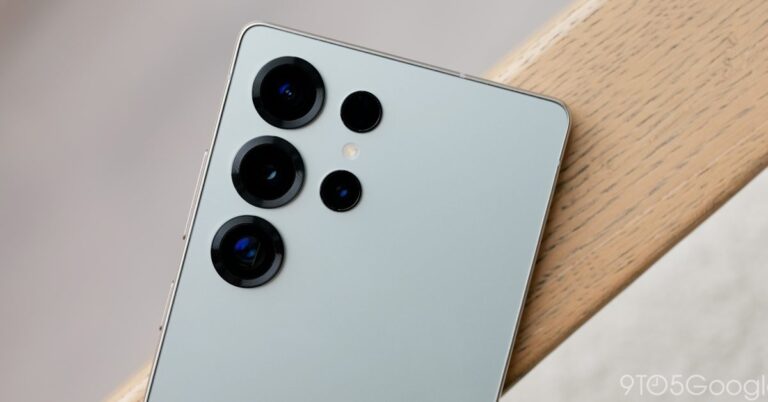
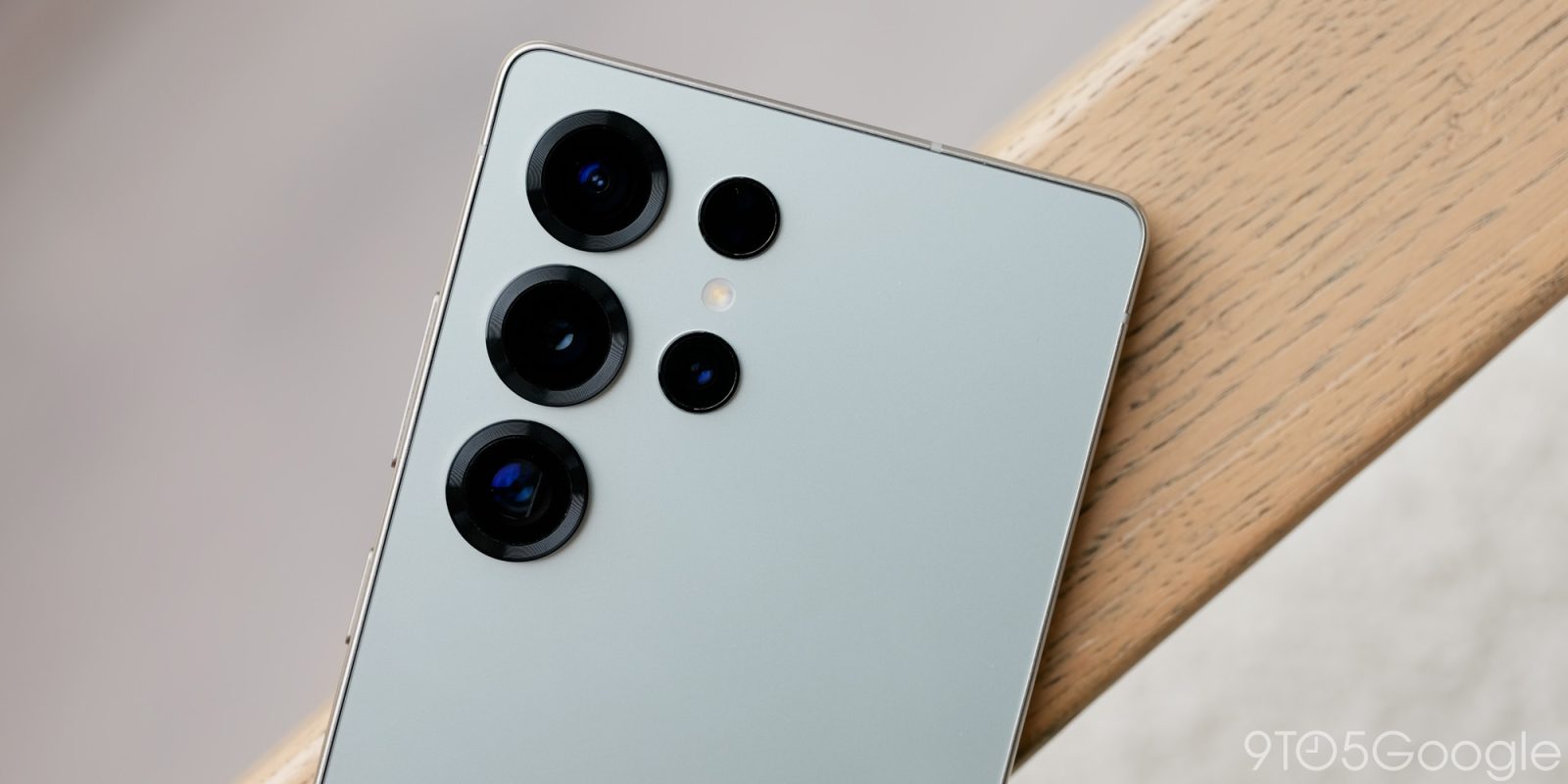
New leaks have revealed the likely lineup for Samsung’s Galaxy S26 Ultra colors, and it sounds pretty tame.
Leaker Evan Blass (@evleaks) posted the six-color lineup for Samsung’s upcoming Galaxy S26 Ultra. Apparently, it’s set to include:
Black
White
Silver Shadow
Sky Blue
Cobalt Violet
Pink Gold
None of these sound particulalrly flashy, and they look pretty muted too.
Another leaker, Ice Universe, posted images of alleged Galaxy S26 Ultra SIM card trays – so there’s still a physical SIM, yay – with silver, black, light blue, and purple colors. The purple, presumably “Cobalt Violet,” is the most saturated hue of the bunch, but they’re all fairly muted. It’s worth noting that these four are probably the main colors Samsung will be selling, just based on the parts showing up this early, with the other three potentially limited to Samsung.com, but that’s an educated guess on our part.
Advertisement – scroll for more content
It’s rather surprising Samsung didn’t go for something to stand out this year. The popularity of the “Cosmic Orange” iPhone 17 Pro was perfect inspiration, and it’s frankly shocking to see that Samsung didn’t just copy it entirely, as we’ve seen a few other Android brands do. Google Pixel has continued on its own path with fun colors – sadly, mainly on the base models – but it’s really rather surprising to see Samsung of all brands not following Apple’s lead here.
The Galaxy S26 series is expected to debut in late February, following a big delay when the entire lineup was shaken up.
Are you tonight’s lucky winner? Grab your tickets and check your numbers. The Mega Millions lottery jackpot continues to rise after someone won the $90 million prize on December 2.
Here are the winning numbers in Tuesday’s drawing:
08-47-50-56-70; Mega Ball: 12
The estimated jackpot for the drawing is $250 million. The cash option is about $113.5 million. If no one wins, the jackpot climbs higher for the next drawing.
According to the game’s official website, the odds of winning the jackpot are 1 in 302,575,350.
Players pick six numbers from two separate pools of numbers — five different numbers from 1 to 70 and one number from 1 to 25 — or select Easy Pick. A player wins the jackpot by matching all six winning numbers in a drawing.
Jackpot winners may choose whether to receive 30 annual payments, each five percent higher than the last, or a lump-sum payment.
Mega Millions drawings are Tuesdays and Fridays and are offered in 45 states, Washington D.C. and the U.S. Virgin Islands. Tickets cost $5 each.
If you purchase a product or register for an account through a link on our site, we may receive compensation. By using this site, you consent to our User Agreement and agree that your clicks, interactions, and personal information may be collected, recorded, and/or stored by us and social media and other third-party partners in accordance with our Privacy Policy.
Industry reports and the growth of voice model companiesin the Indian market suggest that there is a growing demand for voice AI solutions in the country. Voice is a popular medium for communication among people and businesses in India. That’s why enterprises and startups are eager to use voice AI to be more efficient at customer support, sales, customer acquisition, hiring, and training.
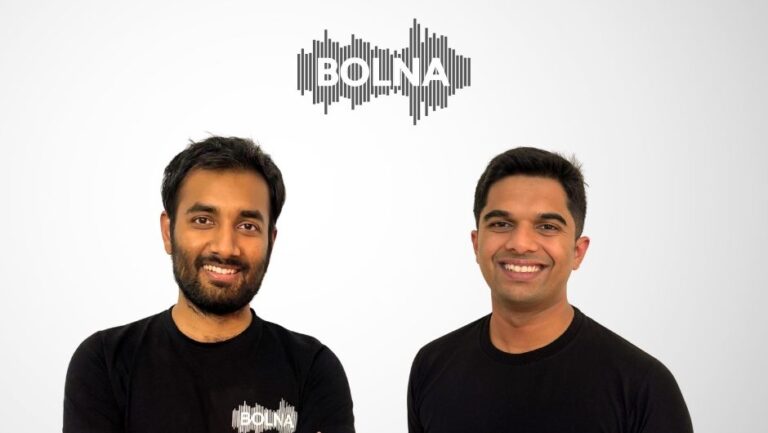
But recognizing market demand is one thing — proving businesses will pay is another. Y Combinator rejected the application from Bolna, a voice orchestration startup built by Maitreya Wagh and Prateek Sachan, five times before finally accepting it into the fall 2025 batch, skeptical that the founders could turn interest into revenue.
“When we were applying for Y Combinator, the feedback we got was, ‘great to see that you have a product that can create realistic voice agents, but Indian enterprises are not going to pay, and you are not going to make money out of this,’” Wagh told TechCrunch.
The startup applied with the same idea for the fall batch but was able to show it had revenue of more than $25,000 coming in every month for the last few months. At that time, the company was running $100 pilots to help users build voice agents. Now the startup is pricing those pilots at $500.
The momentum has continued. The startup said on Tuesday that it has raised a $6.3 million seed round led by General Catalyst, with participation from Y Combinator, Blume Ventures, Orange Collective, Pioneer Fund, Transpose Capital, and Eight Capital. The round also includes individual investors, including Aarthi Ramamurthy, Arpan Sheth, Sriwatsan Krishnan, Ravi Iyer, and Taro Fukuyama.
The product and customers
Bolna is building an orchestration layer — essentially a platform that connects and manages different AI voice technologies — akin to startups like Vapi, LiveKit, and VoiceRun, to suit the idiosyncrasies of interactions in India, including noise cancellation, getting verification on the caller ID platform Truecaller, and handling mixed languages.
Feature-wise, the company has built specific nuances for Indian users, such as speaking numbers in English regardless of the core language, or allowing for keypad input for longer inputs.
Techcrunch event
San Francisco | October 13-15, 2026
Image Credits:Bolna
Wagh noted that the key differentiation of Bolna is that it makes it easy for users to build voice agents by just describing them, even if they don’t know much about the underlying technology, and start using them for calls. The company said that 75% of its revenue is coming from self-serve customers.
He also said that because Bolna is an orchestration layer, it doesn’t depend on a single model, so enterprises can easily switch when there is a better model available.
“Our platform allows customers to switch models easily or even use different models for different locales to get the best out of them. An orchestration layer is necessary for enterprises to ensure they are getting the best models because one model can be better today and another one can be better tomorrow,” Wagh said.
The company has a range of clients, including car reselling platform Spinny, on-demand house-help startup Snabbit, beverage companies, and dating apps. Most of these are small to midsize businesses that use Bolna’s self-serve platform.
Separately, Bolna is pursuing large enterprise deals. For these large enterprises and custom implementations, Bolna has a team of forward-deployed engineers — specialists who work directly with clients on-site or closely with their teams. The startup has signed two large enterprises as paying customers and has four more in the pilot stage. Currently, Bolna employs nine forward-deployed engineers and is adding two to three people to that team every month to support this enterprise push.
Bolna has seen steady growth in both call volumes and revenue. It is now handling over 200,000 calls per day and is on the verge of crossing $700,000 in annual recurring revenue (ARR). The company noted that while 60% to 70% of call volume is in English or Hindi, other regional languages are steadily rising.
Akarsh Shrivastava, who is part of the investment team at General Catalyst, said that the firm found Bolna impressive because its orchestration layer is flexible for various kinds of customers.
“Bolna allows you the freedom to choose any model and has a stack behind it to mold it according to your requirement. It’s a good option for people who want to own some part of the stack, want flexibility in model picking, and want to be able to maintain those products themselves,” Shrivastava told TechCrunch over a call.
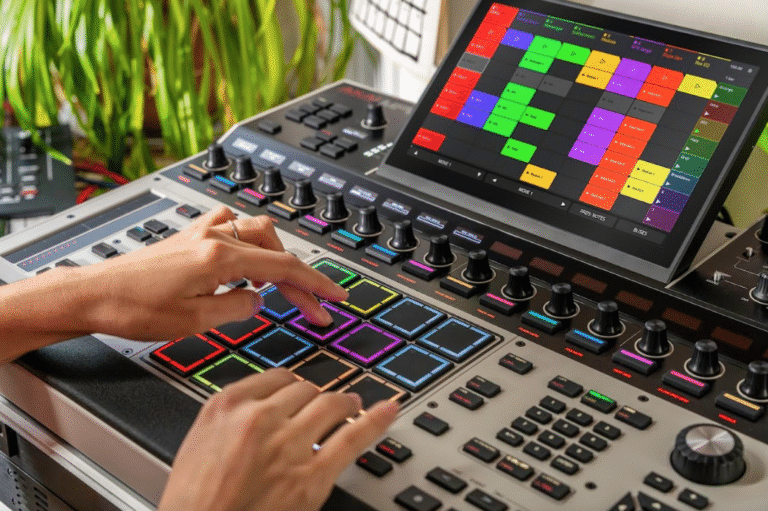
Akai just revealed its most powerful standalone groovebox, . For the uninitiated, the MPC has been around since the 1980s and pretty much defined hip hop from that era. The line has continuously iterated to keep up with the times and the XL looks to be the baddest of them all.
First of all, it offers four times the processing power of previous MPCs, which is enough to load up to 32 virtual instruments at the same time. This is assisted by a full 16GB of RAM, which is a whole lot in this . The XL can handle 16 audio tracks simultaneously. In my experience with previous units, this is more than enough for a full song.
It runs on a proprietary OS and features a 10-inch OLED touchscreen for making adjustments. There are also dozens of knobs and buttons to play with, including 16 knobs that integrate with the display for real-time feedback.
The XL features a step sequencer, but this is an MPC. The real star attraction are those 16 drum pads. These pads can be set to trigger samples and hits, but can also be programmed to initiate effects and do all kinds of other stuff. Each pad has four quadrants, one for each corner, and they are all fully adjustable.
Looking for even more nuanced control? There are two assignable touch-strips and plenty of short-cut keys. It has built-in microphone preamps, phono inputs for sampling, instrument inputs and numerous other connectivity options. This is a true flagship in every sense of the word. It’s also very, very large.
The MPC may have started as a hip hop machine, but newer models are useful for any genre of music. To that end, it comes with an extensive collection of plugins, samples and effects. These even include some plugins made by .
The software can handle stuff like stem separation, time-stretching and more. The workflow has been heavily inspired by modern DAWs, with a full arrangement view available on that OLED.
The MPC XL is a standalone unit, so it doesn’t need a computer or anything like that. The power requirements here, however, don’t allow for batteries. This thing has to be plugged in, much like . It’s available right now and costs a whopping $2,900. This is a serious machine with a serious price tag, just like Roland’s recently-released .
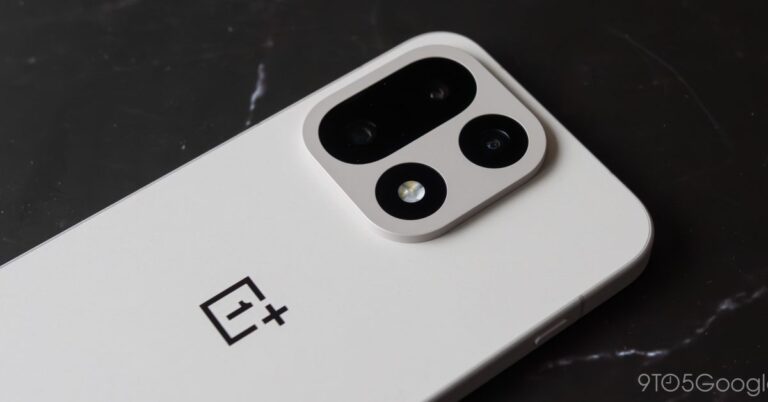
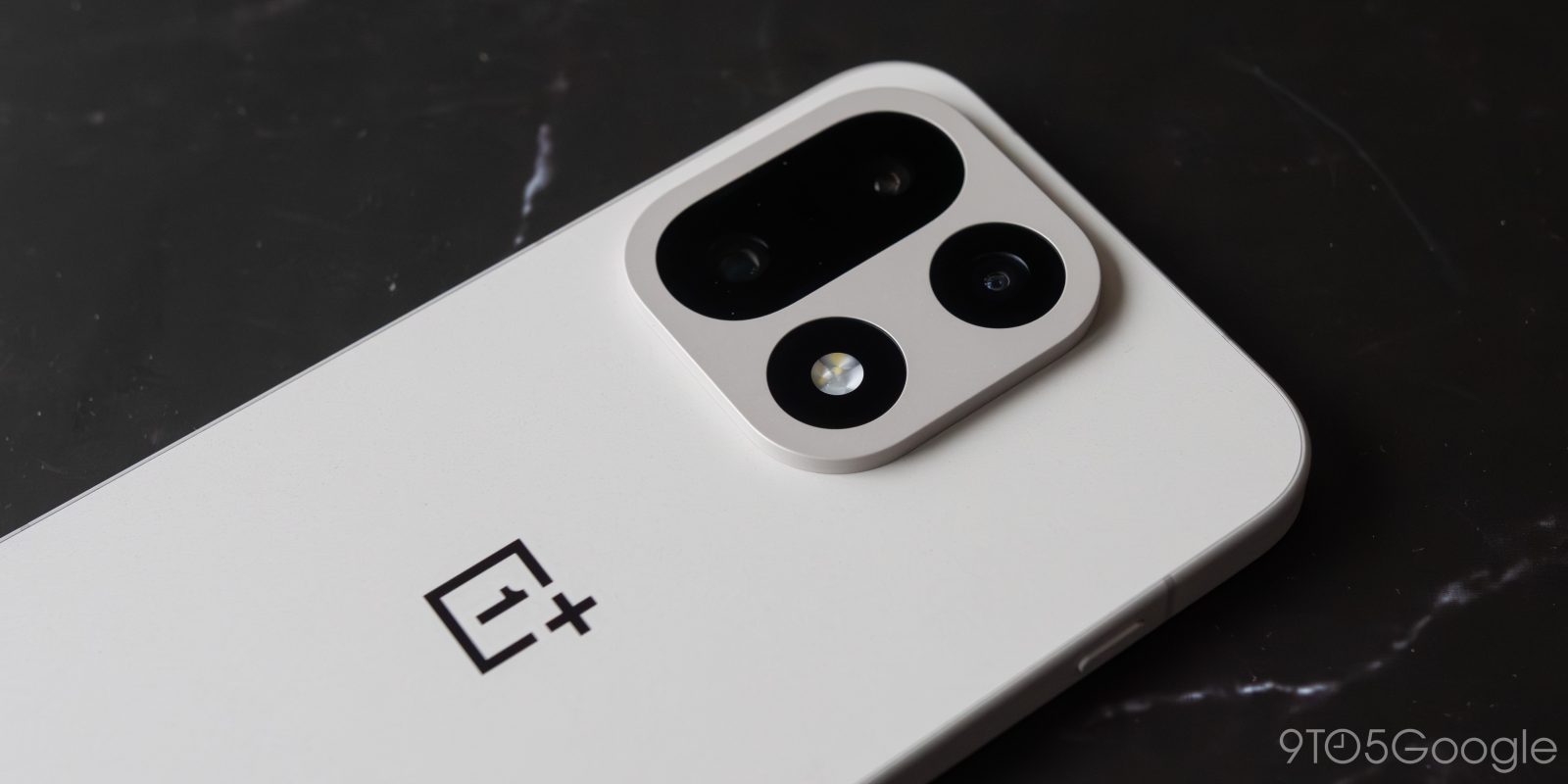
OnePlus has implemented new anti-rollback methods in OxygenOS, forcing users to stay on the latest software versions with no way to go back.
With the release of ColorOS 16.0.3.501 and newer versions (including .503), OnePlus has implemented a hardware-level anti-rollback mechanism, as spotted by developers on the XDA forums.
For the average user, this won’t have any immediate impact. Rather, the biggest problem is for those using custom ROMs. Anything older than ColorOS 16.0.3.501/.503 trips a “fuse” where the device will not only be bricked upon installation of the older software, but third-party tools that have been developed to help in cases of a bricked device will apparently not work.
NO DOWNGRADING: You can NEVER flash an older ROM again.
If you attempt to flash any previous version of ColorOS, OxygenOS, or custom ROMs released before this date, your device will HARD BRICK.
Custom ROM Danger:
Flashing ANY custom ROM developed prior to this update on top of ColorOS 16.0.3.501 (or newer) will result in an immediate HARD BRICK.
CRITICAL – NO RESCUE: You CANNOT unbrick the device yourself. Previously developed unauthorized 9008 tools and Chimera firehose programmers will FAIL because the fuse has been blown. Your existing unbrick methods are now useless.
This currently applies to the OnePlus 13, OnePlus 13T, and OnePlus 15. Older devices such as the OnePlus 12 have yet to implement similar measures, but it’s quite likely this will happen on older generations in future updates.
Advertisement – scroll for more content
Notably, anti-rollback mechanisms like this can be used in positive ways. For instance, Google’s Android 13 update for the Pixel 6 series was a permanent upgrade due to a security vulnerability, and Google directly announced that the update would implement an “anti-roll back version” of the bootloader when users installed the update.
OnePlus’ reasoning for implementing this change in the latest ColorOS update, though, is currently unclear. DroidWin claims that the same change hasn’t been implemented in OxygenOS, yet, but it could happen in the future, and might have already changed in the past few days. The same report also notes that OnePlus has been removing “rollback packages” (which could be installed locally through OnePlus’ software) for OxygenOS versions of the OnePlus 13, suggesting this anti-rollback change is now in effect.
OnePlus has yet to offer a public comment on the change.
The Massachusetts Attorney General’s Office launched a “Federal Accountability Dashboard” on the state’s website on Tuesday — a year to the day since President Donald Trump was inaugurated for a second term.
The purpose of the new mass.gov webpage is to highlight the actions Attorney General Andrea Campbell’s office has taken “to fight back against the Trump Administration’s unprecedented attacks on Massachusetts’ economy and residents’ rights,” the attorney general’s office said in a press release.
“Since President Trump took office one year ago, his Administration has attacked vulnerable communities, the rule of law, and put more than $3.30 billion dollars in federal funding for Massachusetts at risk,” Campbell said in the release.
The White House did not immediately respond to a request for comment Tuesday afternoon.
The dashboard’s landing page includes a table of contents that allows users to jump to one of 16 sections, such as “Lawsuit Highlights,” “Good Government” and “Protecting your wallet & Massachusetts’s economy.” Each section summarizes actions taken by Campbell’s office to counter initiatives by the Trump administration in the last year, including the 47 lawsuits it has filed to date.
The Massachusetts Attorney General’s Office also introduced a “Federal Action Story Collection Form” on Tuesday. The webform is meant to be “a reporting portal for Massachusetts residents to archive stories detailing how they’ve been affected by the actions of the federal administration.”
The mass.gov webform asks users to share their name, contact information and a summary of how the Trump administration’s initiatives and policies have impacted their lives. The page lists examples of topics these stories might touch on, such as “ICE, tariffs, health insurance costs and access to medical care.”
“Behind every policy change are real people feeling the consequences of the Trump Administration’s reckless actions,” Campbell said in the press release.
The webpage notes that submitting a story via the webform will not generate a complaint or lawsuit. It also states that all information shared through the form will be considered public record, and that it may be used by the attorney general’s office in “public materials.”
“Hearing from Massachusetts residents about their experiences — whether it’s from a parent whose SNAP benefits were delayed, a small business owner feeling the weight of tariffs, or a researcher whose research grant was terminated — will assist the AGO in identifying emerging trends and urgent needs across the Commonwealth and can inform its legal response to certain federal actions,” the press release reads.
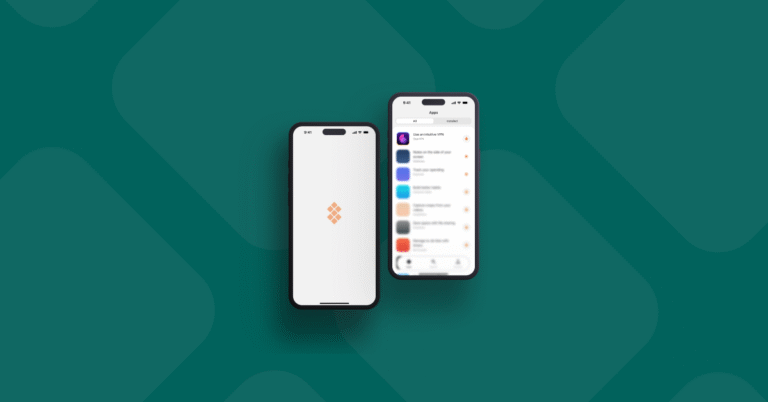
One of the more prominent alternative app stores that emerged in the EU as a result of the region’s Digital Markets Act is shutting down. The store, Setapp Mobile, from the Ukrainian-based developer MacPaw, first launched in September 2024, offering dozens of apps across categories like productivity, finance, video, photo, creativity, and more.
Its model offered consumers access to all of Setapp’s mobile apps through a $9.99 monthly subscription, provided the user’s Apple ID was associated with an EU member state.
Now, the company says all applications will be removed from Setapp Mobile by the end of the sunset date, February 16, 2026. Applications that are available on Setapp Desktop will not be affected, the company told TechCrunch.
MacPaw stated that “still-evolving and complex business terms that don’t fit Setapp’s current business model” are the reason for its decision.
The “complex business terms” being referenced here are Apple’s complicated set of fees for apps operating under its new business terms in the EU, which include a controversial Core Technology Fee that charges developers €0.50 for each first annual install over one million in the past 12 months.
The tech giant revised its fee structure last year to avoid further penalties for noncompliance with the Digital Markets Act (DMA), but instead of simplifying the fees, it made them more complex.
Techcrunch event
San Francisco | October 13-15, 2026
One result of these constant changes is that developers can’t properly plan how to grow and monetize their business. It also suggests the fees, as they stand, don’t make running an alternative app store in the EU a viable option.
In a statement shared with TechCrunch, Setapp said it found its business model was not “viable,” as the commercial conditions continued to change. The statement reads:
“Setapp Mobile was a bold, breakthrough project that aimed to provide EU iOS users with access to alternative app marketplaces – creating a new app ecosystem where both developers and users could thrive. We are proud of what we have accomplished with it over the past two years and still believe passionately in this vision. As a result of still-evolving commercial conditions, we have determined that it is not viable to continue development or support for Setapp Mobile within Setapp’s current business model. While we are disappointed to discontinue Setapp Mobile and let down our user base and developer community in the EU, we are looking forward to pursuing the development of other innovations.”
Part of a lawsuit accusing OpenAI of abandoning its non-profit status claims Musk is owed anywhere from $79 billion to $134 billion in damages for the “wrongful gains” of OpenAI and Microsoft.
Musk claims in the filing that he’s entitled to a chunk of the company’s recent $500 billion valuation, after contributing $38 million in “seed funding” during the AI company’s early years. It wasn’t just money — according to the filing, Musk helped advise on key employee recruitment, introductions with business contacts and startup advice.
If this sounds familiar, it’s because the lawsuit dates back to March 2024. It’s still going.
— Mat Smith
The other big stories (and deals) this morning
Anthropic’s AI assistant can handle simple tasks on your PC for you.
Engadget
Claude Cowork, Anthropic’s AI assistant for handling simple tasks on your computer, is now available to anyone with a $20-per-month Pro subscription. It was previously an exclusive feature for its Max subscribers, who pay a minimum of $100 per month.
As a reminder, the intriguing part of Claude Cowork is its ability to work on its own. If you have the macOS Claude app and a Pro subscription, you can prompt Claude Cowork to work on tasks on your local computer, like creating documents based on files you have saved or organizing your folders. Don’t expect it to deal with high-level PC work just yet, but it can handle simple organizational tasks.
Her decades-long career finally received wider recognition in 2018.
Pioneering mathematician Dr. Gladys West has passed away at the age of 95. Her name may not be familiar to you, but her contributions will be. West’s work laid the foundation for the global positioning system, GPS, we all use (sometimes daily). Beyond DoorDash requests and Google Maps navigation, GPS is now an essential component of industries ranging from aviation to emergency response systems.
ASUS might step back from smartphones. According to translations of recent quotes from Chair Jonney Shih, the company does not plan to release new phone models in the future. Previous reports suggested ASUS would not introduce any smartphones in 2026, but Shih’s recent comments indicate the pause may last longer, if not indefinitely. We’ve reached out to ASUS for additional comment. It’s not like the company changes its mind…
Version 8.5 of Google Clock for Android was released last week and it’s rolling out the ability to dismiss alarms by swiping.
Once available, Google will prompt about how “you can swipe or tap to dismiss your alarm.” There’s a new “Dismiss alarm with a” preference in Settings.
Tap — which has large pill-shaped buttons that are themed with Dynamic Color — is now joined by Swipe. “Snooze” is on the left and “Stop” is at the right, with guide animations inside the container.
This gesture can add a bit more friction, especially when waking up. It follows the Phone app’s Material 3 Expressive update introducing a similar “Incoming call gesture” last year.
Advertisement – scroll for more content
This is rolling out with a server-side update after installing version 8.5 of Google Clock, which went wide last week. We’re only seeing it on one of our Pixel devices today.
The only other change with this release is a Material 3 Expressive slider that finally replaces the Material 2 version of the component. The pill-shaped track is thicker, while the handle is more substantial than the old circle. When dragging, you’ll see a value between 1.00 and 7.00.