


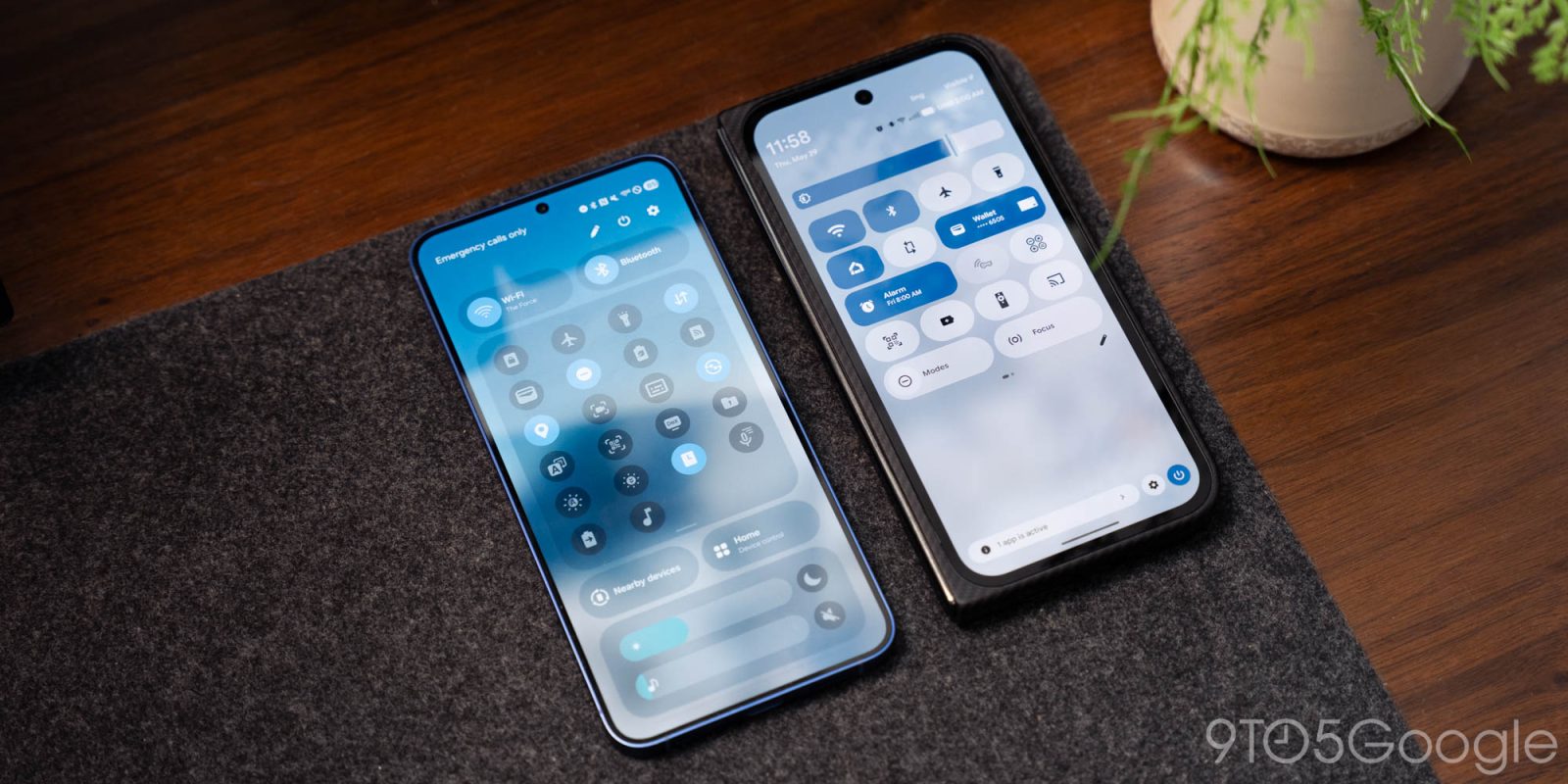
With One UI 8 finally available in its earliest form, Samsung’s foundation has been laid for the next few updates until the final release. This update comes as Android 16 QPR1 launched a week prior, showcasing some of Google’s highly anticipated design changes. So, how do they compare? Let’s dig a little deeper.
Android 16 vs. One UI 8
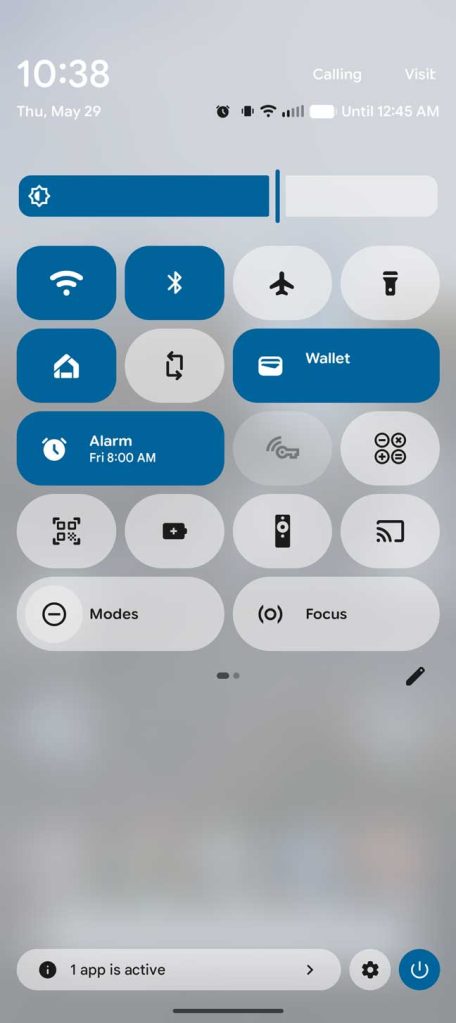
One of the biggest changes that both builds went through was in the notification shade and Quick Settings menu. Both bring a unique design, but Android 16 has gone a little further in the Material 3 Expressive upgrade.
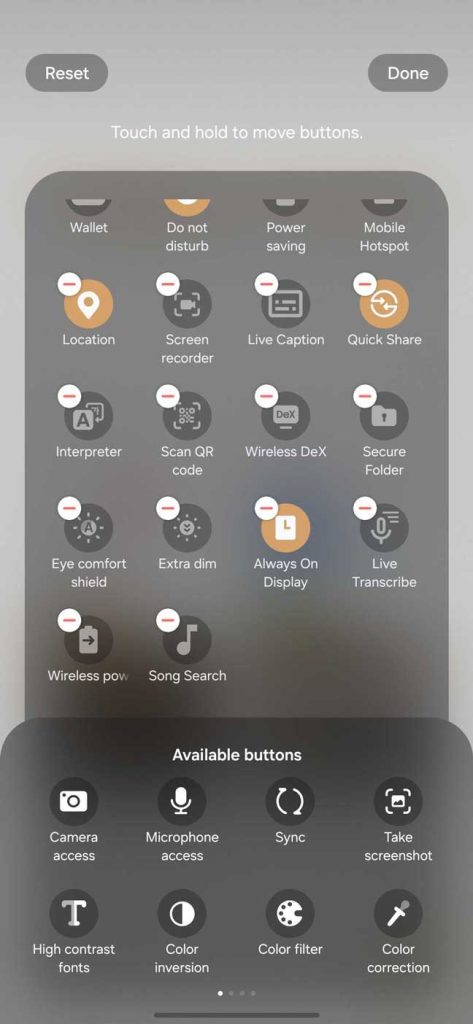
Quick Settings tiles are now customizable in size, meaning the QS menu can be completely altered to fit the user. Samsung’s Quick Settings menu doesn’t offer tile sizes, but it also isn’t affected by wide tiles to begin with. Every icon is the same size.
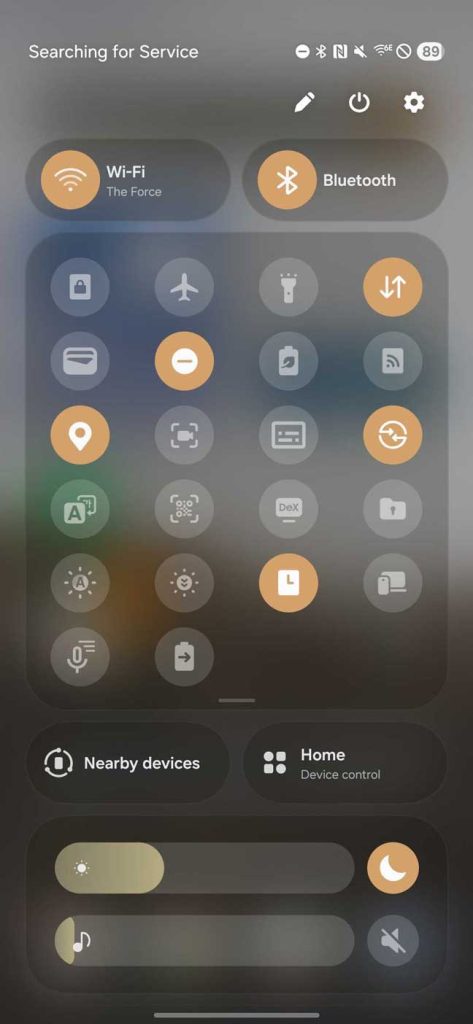
Samsung does offer a nice Quick Settings page, as a whole. Wi-Fi and Bluetooth are separate, along with other controls at the bottom. Choosing this layout, though, does force notifications to an entirely different page.
Android 16’s new take on QS tile editing is such a good change, too. Those tiles are not categorized, which makes finding them much easier and less stressful, especially if you’re setting up a new device. Third-party tiles are also now identified as such, as well.

In terms of lock screen and home screen customization, Samsung has done little to change how it operates those elements. Still, there is plenty of time for Samsung to introduce more changes in One UI 8. Google did make some serious adjustments that make the entire experience better. Clock designs are easier to find and adjust, while additional details like shortcuts are better laid out.
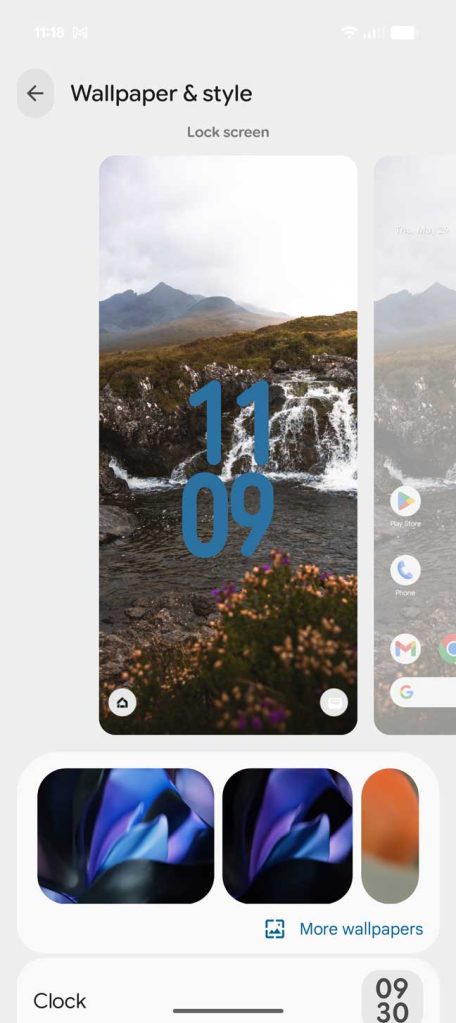
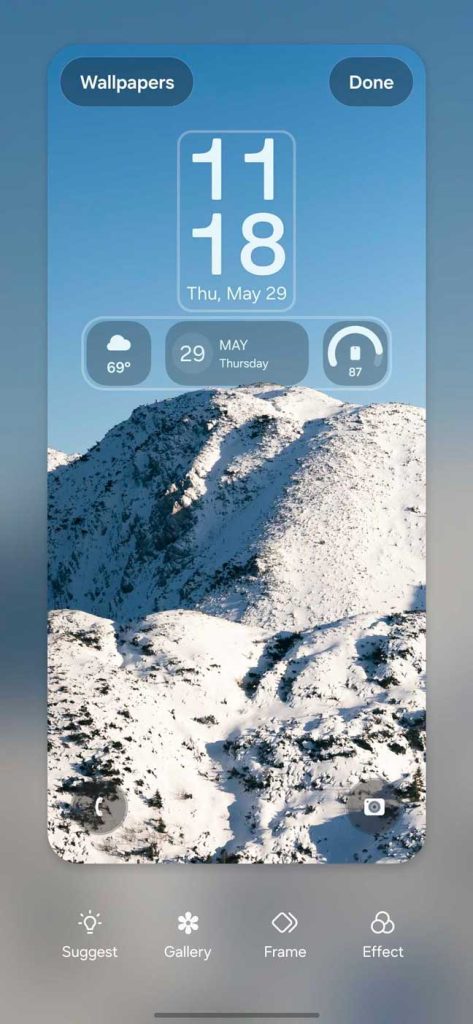
One UI 8 still wins out in lock screen customization due to the sheer fact that the clock and other widgets can be moved around to facilitate a better-looking display. Android 16 does allow for wallpaper effects, which do give an extra little flair.
As a minor detail with no real functionality, both versions of Android 16 bring a more colorful settings app. The change to Android 16 meant Pixel devices get a brighter options hub, though Samsung had made this change some time ago.


Another big change Samsung made in One UI 8 comes in the form of a change to split screen. Now, users can set a 90:10 split, more akin to how OnePlus devices operate. Android 16 QPR1 doesn’t allow this, and at the widest split, the secondary app takes on a very small aspect ratio.


A lot of Samsung’s One UI 8 changes came in the form of app updates in Android. For instance, the Weather app now shows people instead of animal visuals, and the Internet app has a better shortcut menu.
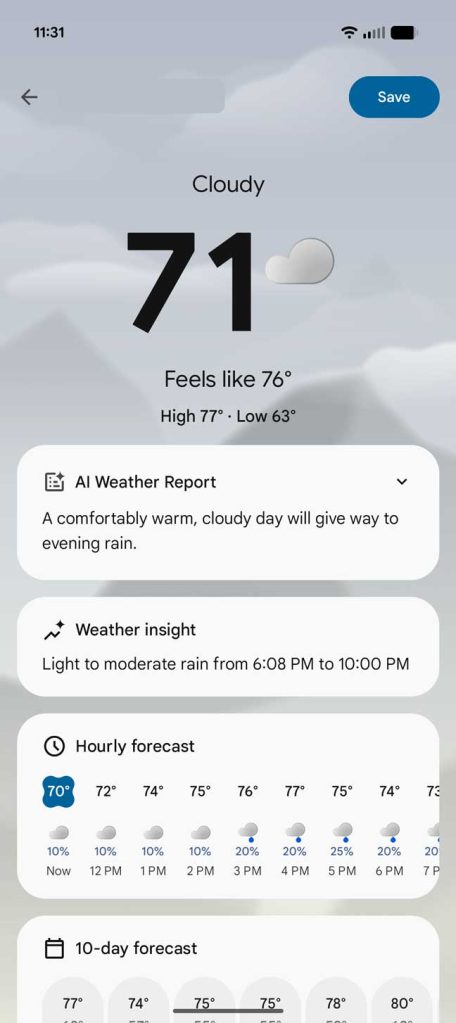
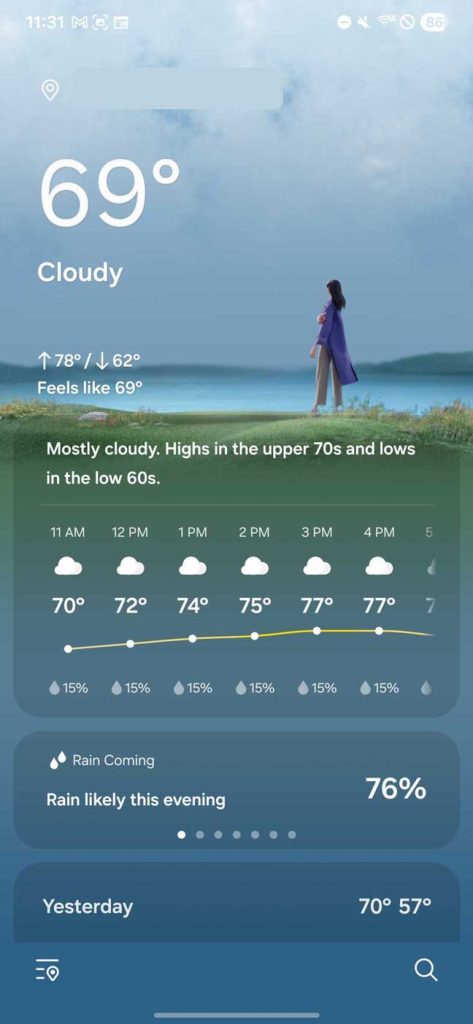
No more design surprises for a while
Android 16 QPR1 introduced a massive design language change called Material 3 Expressive. This adjustment affects the base set of assets Google makes available to developers. That affects how Quick Settings tiles are designed, lock screen elements, and so much more. In essence, that shift has altereted the entire look of Android, for the better.
One UI 8, on the other hand, does very little to change how it presents itself. But that’s okay, because Samsung made similar design changes in One UI 7. That especially takes effect in the Quick Settings menu design and other elements across One UI 8.
Both of these operating systems have gone through a design change in the last year, which very likely means we won’t see another significant change for some time. The design in each of these Android builds are what we get.
As for features, neither of these builds is in its final stage. Some or loads of changes could appear before they become fully public. For now, though, there are a few key differences that need to be pointed out.
Who wins?
Between Android 16 and One UI 8 in their current forms, it’s hard to say which OS can claim a win. Samsung has developed a design language that is very obviously Samsung, and Google has morphed Android 16 into a modern OS that kind of looks like every other modern variant of Android. Still, the design fits each version well, though Android 16 QPR1 might look better out of the two.
Given that both of these builds are nowhere near final and only available on certain devices, it’s safe to say more changes are coming, even if they are small. Right now, though, both are solid upgrades from the previous version, and we expect a lot more to come from Samsung in One UI 8.
FTC: We use income earning auto affiliate links. More.


